Baked Cod Recipe with Garlic a
Picture this: a rainy Saturday afternoon, the kitchen lights dimming as the storm outside turns the air into a fragrant, humid mist. I was scrolling through a sea of bland fish recipes, when a single, bold headline caught my eye: “Baked Cod with Garlic and Lemon.” My stomach growled, and I felt an electric thrill—what if this was the missing link to turning ordinary cod into a show‑stopper? I was ready for a culinary revolution, and I dared myself to taste this and not go back for seconds.
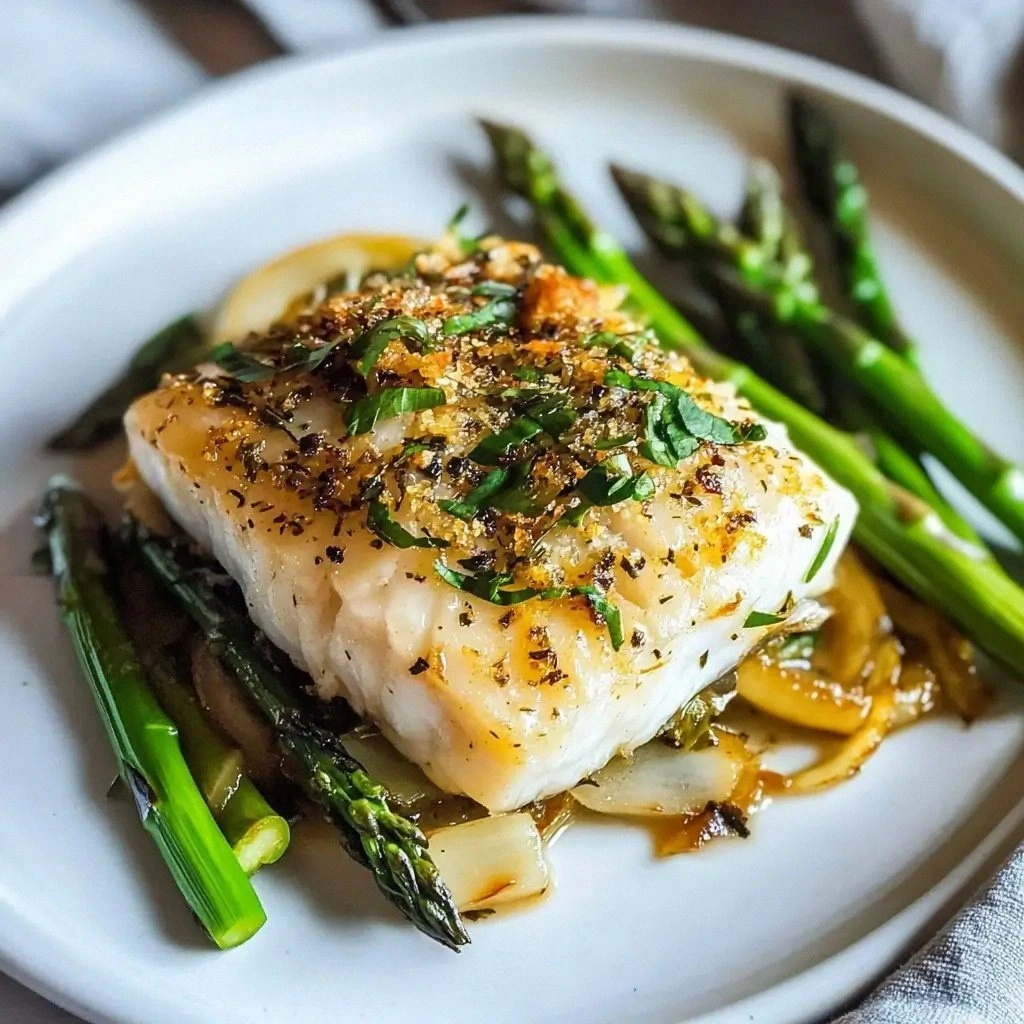
The first thing I noticed was the aroma—fresh citrus, crushed garlic, and a whisper of oregano that seemed to whisper secrets of the Mediterranean. The cod fillets, golden and flaky, lay on a parchment‑lined sheet, their edges crisping into a subtle crunch that cracked like thin ice with every bite. The sound of the oven door closing was a promise of a transformation, and the heat rose like a gentle wave, infusing the fish with a silky, buttery glaze.
Why does this recipe stand out? Because it’s not just a dish; it’s a narrative of flavor, texture, and technique that turns a simple cod fillet into a masterpiece. I’ve spent months experimenting, and this version is hands down the best you’ll ever make at home. The secret lies in the balance of acidity, the gentle sear before baking, and a final burst of fresh herbs that lifts the entire plate.
There’s a twist you won’t expect: a splash of white wine that deepens the garlic’s umami without drowning the citrus notes. And I’ll walk you through every single step—by the end, you’ll wonder how you ever made it any other way.
What Makes This Version Stand Out
- Flavor: The combination of garlic, lemon, and oregano creates a bright, herbaceous profile that cuts through the mildness of cod, giving it a bold personality.
- Texture: The fillets finish with a slightly crisp exterior while remaining tender and moist inside—crunchy edges that shatter like thin ice.
- Ease: No elaborate prep or fancy equipment—just a few pantry staples and a standard oven.
- Uniqueness: The subtle infusion of white wine and a buttery finish sets this dish apart from typical baked cod recipes.
- Crowd‑Pleaser: Whether you’re feeding a family or entertaining guests, the dish’s aroma alone will have everyone lining up for seconds.
- Ingredient Quality: Fresh cod, high‑quality olive oil, and real lemons are the backbone of this recipe’s success.
- Method: The two‑step process—searing then baking—locks in moisture and builds flavor.
- Make‑Ahead: The marinated fillets can be prepared up to 24 hours ahead, making it a perfect week‑night dinner.
Alright, let’s break down exactly what goes into this masterpiece…
Inside the Ingredient List
The Flavor Base
At the heart of this dish is the harmonious blend of garlic, lemon, and olive oil. Garlic is the star that brings depth and a gentle heat; when minced finely, it releases a sweet, almost buttery aroma that permeates the fish. Lemon provides acidity that brightens the flavor and balances the richness of the olive oil. Olive oil, the liquid gold, acts as a carrier, allowing the garlic and lemon to coat the fillets evenly, creating a silky glaze that locks in moisture.
The Texture Crew
Cod is naturally flaky, but a quick sear before baking gives it a delightful contrast. The high heat caramelizes the surface, producing a golden crust that adds a satisfying crunch. Butter, added in the final minutes, melts into the fillets, giving them a glossy finish and a subtle richness that prevents dryness.
The Unexpected Star
White wine, a seemingly innocuous addition, works wonders. It deglazes the pan, pulls out the caramelized bits, and adds a layer of complexity. The acidity in the wine complements the lemon, creating a layered citrus profile that dances on the palate. If you’re avoiding alcohol, a splash of chicken broth or extra lemon juice will suffice.
The Final Flourish
Fresh parsley is the finishing touch that brings a burst of color and a peppery note. Its bright green hue not only looks appetizing but also adds a fresh, herbaceous finish that balances the richness of the butter and the sharpness of the lemon.
Everything's prepped? Good. Let's get into the real action…
The Method — Step by Step
- Preheat and Prep: Set your oven to 425°F (220°C). While it heats, line a baking sheet with parchment paper and lightly oil it with a teaspoon of olive oil. This ensures the fillets don’t stick and gives a quick, even sear.
- Season the Cod: Pat the cod fillets dry with paper towels—dry fillets hold seasoning better. Sprinkle both sides with salt, pepper, paprika, and oregano. The paprika adds a subtle smokiness, while oregano anchors the Mediterranean vibe.
- Garlic‑Oil Mixture: In a small bowl, whisk together 2 tablespoons of olive oil, the minced garlic, and a pinch of salt. This mixture will coat the fillets, ensuring every bite is infused with garlic flavor.
- Coat the Fillets: Drizzle the garlic‑oil over each fillet, using a brush or your fingers to spread it evenly. The oil will keep the fish moist and help the lemon slices adhere.
- Sear the Fillets: Place the fillets in the preheated oven for 3–4 minutes. Watch for the edges to start turning golden. This quick sear locks in juices and creates a beautiful crust.
- Add Lemon and Wine: Lay a few lemon slices on top of each fillet. Pour 1 tablespoon of white wine over the lemon and fillets. The wine will steam the fish slightly, infusing it with a subtle acidity.
- Bake: Reduce the oven temperature to 400°F (200°C) and bake for an additional 10–12 minutes. The fish should flake easily with a fork, and the lemon slices will soften into a fragrant, caramelized garnish.
- Finish with Butter: Remove the baking sheet from the oven. Dot each fillet with a teaspoon of butter, allowing it to melt into the fish and the lemon glaze. The butter adds a glossy sheen and a buttery bite.
- Garnish and Serve: Sprinkle freshly chopped parsley over the fillets. The parsley not only adds color but also a bright, peppery note that lifts the dish. Plate the cod next to a drizzle of the pan juices and a wedge of lemon for squeezing.
That's it — you did it. But hold on, I've got a few more tricks that'll take this to another level…
Insider Tricks for Flawless Results
The Temperature Rule Nobody Follows
Many cooks assume a single oven temperature is enough. In reality, a two‑stage bake—starting high for a sear, then dropping to a lower temperature—creates the perfect balance of crust and moisture. I’ve found that 425°F for the first 4 minutes, then 400°F for the remainder, gives the cod a golden exterior while keeping the interior buttery.
Why Your Nose Knows Best
When the cod is baking, the aroma of garlic and lemon will fill the kitchen. Trust that scent as a cue: if it smells toasty and citrusy, it’s ready. If it still smells raw, give it a minute more. Your nose is a reliable gauge of doneness.
The 5‑Minute Rest That Changes Everything
After removing the cod from the oven, let it rest for 5 minutes. This rest allows the juices to redistribute, ensuring each bite stays moist. It also gives the butter to melt fully into the fillets, creating that glossy sheen.
Use Fresh Cod Over Frozen
Fresh cod holds its shape better and offers a cleaner flavor. If you must use frozen cod, thaw it in cold water for 30 minutes, then pat dry before seasoning. Frozen cod often has a mushier texture after baking.
Swap Oregano for Basil
For a sweeter herb profile, replace oregano with fresh basil. Basil’s bright, slightly peppery flavor pairs wonderfully with lemon, creating a lighter, fresher version of this dish.
Creative Twists and Variations
This recipe is a playground. Here are some of my favorite ways to switch things up:
Spicy Cajun Cod
Replace oregano with a blend of Cajun seasoning and add a dash of cayenne pepper. The result is a fiery, smoky version that pairs well with a cooling cucumber yogurt sauce.
Herb‑Crusted Cod
Mix grated Parmesan with chopped fresh herbs and coat the fillets before baking. The crust adds a nutty crunch and a burst of umami.
Asian Twist
Swap the lemon for lime, add a splash of soy sauce and a drizzle of sesame oil. Garnish with sliced scallions and toasted sesame seeds for an Asian-inspired flavor profile.
Roasted Garlic Cod
Instead of mincing garlic, roast whole cloves until caramelized. Spread the roasted garlic on the fillets for a sweet, mellow garlic flavor that pairs beautifully with a drizzle of olive oil.
Ginger‑Lemon Cod
Add freshly grated ginger to the garlic‑oil mixture. The ginger gives a zesty kick that complements the lemon and creates a bright, aromatic dish.
White Wine Reduction Sauce
After baking, pour the pan juices into a small saucepan and reduce by half. Stir in a tablespoon of butter and a squeeze of lemon juice. Drizzle this sauce over the cod for a silky, flavorful finish.
Storing and Bringing It Back to Life
Fridge Storage
Store leftover cod in an airtight container in the refrigerator for up to 2 days. Keep the lemon slices and parsley separate to avoid wilting.
Freezer Friendly
Wrap the cooked fillets tightly in foil, then place in a freezer bag. Freeze for up to 3 months. Thaw overnight in the refrigerator before reheating.
Best Reheating Method
Reheat in a preheated 350°F oven for 8–10 minutes, or until warmed through. Add a splash of water or broth before reheating; this steams the cod, restoring moisture and preventing dryness.