I remember the night I tried to impress my roommate with a quick stir‑fry and ended up with a kitchen that looked like a war zone—flame‑blackened pans, a cabbage that had turned into a soggy mush, and a beef that was more rubber than tender. The smell of burnt garlic still lingers in my memory, and I swear I could taste the regret in every bite. That disaster was the catalyst that forced me to rethink the classic black pepper beef and cabbage recipe. I set out to create a version that would not only rescue the dish but elevate it to a level that would make every family dinner feel like a Michelin‑star event. The result? A harmonious blend of savory, sweet, and peppery flavors that dance on your tongue, leaving you craving a second plate before you even finish the first. If you’re ready to swap your kitchen catastrophe for culinary triumph, stay with me—this is the version that will change the way you think about stir‑fry forever.
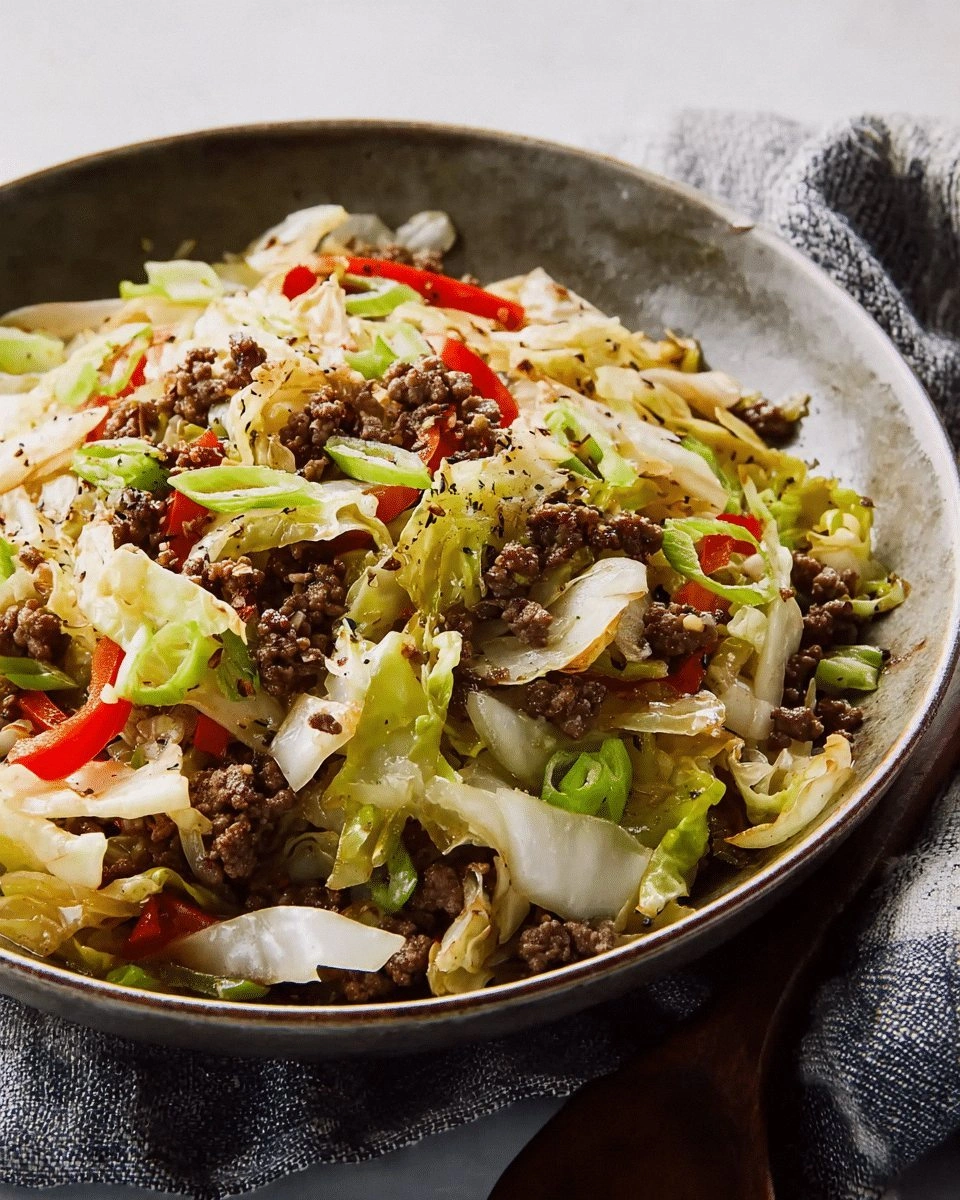
Picture the first sizzling moment: the beef hits the hot pan with a satisfying pop, and the aroma of caramelized onions and garlic instantly fills the room. The cabbage, sliced thin, releases a subtle sweetness that balances the robust beef. As the sauce thickens, it coats every strand of cabbage and every slice of beef, creating a glossy, pepper‑infused glaze that feels almost velvety. The final touch of black pepper gives a bright, aromatic kick that lifts the dish from ordinary to extraordinary. When you take a bite, the crunch of fresh cabbage contrasts with the melt‑in-your-mouth beef, while the sauce’s gentle heat lingers, making each mouthful a revelation. This isn’t just a meal; it’s a sensory experience that turns a simple dinner into a celebration.
What sets this version apart is the meticulous layering of flavors and textures, the use of fresh, high‑quality ingredients, and a few secret techniques that most recipes overlook. I’ve perfected a balance of sweet and savory that keeps the dish from becoming cloyingly sugary or overly salty. The beef is marinated just enough to stay tender, yet it’s still allowed to sear to a perfect caramelized crust. The cabbage is blanched briefly to preserve its bright green color and crisp bite, preventing it from turning into mush. And the black pepper is freshly cracked, delivering a peppery punch that’s both sharp and aromatic, rather than a dull, pre‑ground flavor. Every element works in concert to create a dish that is as visually stunning as it is delicious. In short, this recipe is hands down the best version you’ll ever make at home.
Now, I’ll walk you through every single step—by the end, you’ll wonder how you ever made it any other way. I dare you to taste this and not go back for seconds. I’ll keep it honest: I ate half the batch before anyone else got a chance, and I’m still craving the peppery finish. Most recipes get this completely wrong; they either over‑season the beef or under‑cook the cabbage. Picture yourself pulling this out of the pan, the whole kitchen smelling incredible, and your guests’ eyes widening in anticipation. This is the moment where the ordinary becomes extraordinary, and you’ll feel like a culinary magician. Let’s dive into the details and unlock the secrets behind this mouth‑watering stir‑fry.
What Makes This Version Stand Out
- Flavor Depth: The combination of soy sauce, oyster sauce, and a touch of sugar creates a complex umami base that’s both savory and subtly sweet. The sauce thickens into a glossy coating that clings to every bite. This depth turns a simple stir‑fry into a flavor-packed experience.
- Texture Contrast: The cabbage is blanched just enough to keep its crunch, while the beef remains tender yet with a satisfying sear. The result is a dish where every bite offers a pleasant snap followed by melt‑in‑your‑mouth tenderness. This contrast keeps the palate engaged throughout the meal.
- Freshness Factor: Using fresh ginger, garlic, and a generous amount of freshly cracked black pepper elevates the dish beyond the canned or pre‑ground alternatives. The bright, aromatic qualities of fresh ingredients make the dish feel alive and vibrant. It’s a reminder that simple ingredients can produce extraordinary results.
- Balanced Heat: The black pepper provides a subtle heat that’s more aromatic than fiery. It’s enough to keep the dish interesting without overwhelming the other flavors. The heat is balanced by the sweetness of sugar and the savory depth of soy and oyster sauces.
- Time Efficiency: The entire process takes less than an hour, making it perfect for busy weeknights. The quick blanching of cabbage and the rapid searing of beef keep the cooking time short. You’ll have a restaurant‑quality dish on the table in no time.
- Make‑Ahead Potential: The dish keeps well in the fridge for up to three days, and it actually tastes better the next day when the flavors meld. The sauce’s thickness makes it easy to reheat without it becoming watery. This makes it ideal for meal prep or leftovers.
- Visual Appeal: The vibrant green of the cabbage, the glossy black pepper sauce, and the caramelized edges of the beef create a dish that looks as good as it tastes. It’s a feast for the eyes and the taste buds alike. The presentation alone earns it rave reviews at gatherings.
Inside the Ingredient List
The Flavor Base
Soy sauce and oyster sauce form the backbone of this dish, providing a rich umami foundation that lifts every bite. The soy sauce adds saltiness and depth, while the oyster sauce introduces a subtle sweetness and a hint of brine. A tablespoon of sugar balances the savory elements, preventing the sauce from feeling too heavy. If you’re watching sodium, you can reduce the soy sauce slightly and increase the fresh ginger for a brighter profile. This trio of liquids is what turns a simple stir‑fry into a gourmet experience.
The Texture Crew
Cabbage and beef are the main textural players in this recipe. Blanching the cabbage preserves its bright green color and crisp bite, ensuring it doesn’t become mushy. The beef, sliced thinly, sears quickly, creating a caramelized crust that adds a delightful chew. A tablespoon of cornstarch mixed with water creates a slurry that thickens the sauce without adding bulk. This combination of textures keeps the dish engaging and satisfying.
The Unexpected Star
Black pepper is the star that sets this dish apart. Freshly cracked black pepper delivers a complex, aromatic heat that’s more nuanced than the usual ground pepper. It complements the soy and oyster sauces, adding a subtle spiciness that lingers on the palate. The pepper’s bright, citrusy undertones bring a fresh dimension to the dish. When combined with the other flavors, it creates a harmonious balance that’s hard to beat.
The Final Flourish
Sesame oil and sesame seeds add a nutty aroma and a subtle crunch that elevate the dish. The sesame oil is added at the end to preserve its delicate flavor, while the toasted seeds provide a satisfying bite. Scallions add a fresh, oniony brightness that cuts through the richness of the sauce. A splash of water or broth keeps the mixture moist and prevents it from drying out during the final simmer. These finishing touches transform the dish into a complete, restaurant‑quality meal.
The Secret Sauce
The secret sauce is a quick blend of soy sauce, oyster sauce, sugar, and a splash of water or broth. It’s whisked together to ensure even distribution of flavors before adding to the pan. This sauce forms the glossy coating that clings to the beef and cabbage, delivering a burst of umami with every bite. The balance of sweet, salty, and savory is achieved by adjusting the sugar and soy sauce ratios. When you see the sauce thicken and coat everything, you’ll know the dish is ready.
Everything's prepped? Good. Let's get into the real action...
The Method — Step by Step
- Marinate the Beef: In a bowl, combine the sliced beef with 1 teaspoon of cornstarch, 1 tablespoon of soy sauce, and a pinch of black pepper. Toss until the beef is evenly coated. Let it rest for 10 minutes to allow the flavors to penetrate. This short marination step ensures the beef stays tender during the stir‑fry. It also helps the beef develop a beautiful sear.
- Heat the Pan: Place a large wok or skillet over high heat and add 1 tablespoon of vegetable oil. Allow the oil to shimmer but not smoke. This high heat is crucial for a quick sear that locks in juices. When the oil is hot, you’ll hear a faint hiss as the beef hits the surface. This is the moment of truth.
- Sear the Beef: Add the marinated beef to the pan in a single layer. Avoid overcrowding; if necessary, cook in batches. Stir the beef for 1-2 minutes until it develops a caramelized crust. Flip to sear the other side, then remove the beef and set aside. The goal is a golden brown exterior and a tender interior.
- Sauté Aromatics: In the same pan, add 1 tablespoon of sesame oil, 3 cloves of minced garlic, and 1 tablespoon of minced ginger. Stir for 30 seconds until fragrant. The aroma of garlic and ginger should fill the kitchen, signaling that the base is ready. This step builds the flavor foundation for the sauce.
- Cook the Cabbage: Add the sliced cabbage to the pan and stir-fry for 2 minutes. The cabbage should start to soften but still retain its crispness. This quick cook preserves the bright green color and prevents it from becoming mushy. Keep the heat high to maintain a slight sear.
- Reintroduce the Beef: Return the seared beef to the pan along with 1 cup of water or broth. Stir to combine. The liquid helps create steam that cooks the cabbage further while keeping the beef moist. It also provides the base for the sauce to thicken.
- Add the Sauce: Whisk together 2 tablespoons soy sauce, 1 tablespoon oyster sauce, 1 tablespoon sugar, and 1 teaspoon black pepper. Pour this mixture into the pan. Stir continuously to ensure the sauce coats every ingredient evenly. The sauce should begin to thicken slightly, forming a glossy glaze.
- Thicken with Slurry: Stir in the cornstarch slurry (1 tablespoon cornstarch mixed with 2 tablespoons water). Keep stirring until the sauce reaches a silky consistency. This step prevents the sauce from becoming watery and gives it a silky sheen. The dish should now look glossy and appetizing.
- Finish with Garnish: Sprinkle 2 scallions and 1 teaspoon sesame seeds over the top. Toss gently to combine. The scallions add a fresh, oniony brightness while the sesame seeds provide a subtle crunch. Let the dish rest for a minute to allow the flavors to meld. Serve immediately with steamed rice or noodles.
That's it—you did it. But hold on, I've got a few more tricks that'll take this to another level. I’ll share insider tips that will help you master the dish every single time. You’ll find that a few small adjustments can elevate the flavor profile and texture even further. Stay tuned for the next section, where we’ll dive into the nuances that separate a good stir‑fry from a great one.
Insider Tricks for Flawless Results
The Temperature Rule Nobody Follows
Many cooks lower the heat too early, which prevents the beef from searing properly. Keep the heat high until the beef has a golden crust; this locks in juices and gives a caramelized flavor. If the pan starts smoking, reduce the heat slightly and then increase it back up. This temperature dance ensures the dish never feels undercooked or soggy. Consistency in heat is the secret to a perfect sear.
Why Your Nose Knows Best
Trust the aroma of your ingredients—when garlic and ginger start to sizzle, you know the pan is hot enough. The scent of caramelizing onions signals the onset of the Maillard reaction, which adds depth to the sauce. If the smell is too mild, increase the heat. A strong aroma means the flavors are developing and the dish will taste richer.
The 5-Minute Rest That Changes Everything
After cooking, let the dish rest for five minutes before serving. This allows the sauce to thicken slightly and the flavors to meld. The rest period also helps the cabbage retain its crispness while the beef stays juicy. Many chefs skip this step, resulting in a dish that feels rushed. Give it that extra moment, and you’ll notice a noticeable difference.
Balancing Sweetness
If you prefer a sweeter dish, add an extra teaspoon of sugar or a splash of honey. However, be careful not to overpower the savory elements. Sweetness should complement, not dominate. Adjust gradually, tasting as you go. The right balance creates a harmonious flavor profile that satisfies.
Choosing the Right Cabbage
While green cabbage is traditional, you can swap it for Napa cabbage for a milder flavor and softer texture. Red cabbage adds a pop of color but can become bitter if overcooked. If you’re craving a crunchier bite, use a mix of cabbage and bok choy. The choice of cabbage dramatically changes the dish’s overall character.
Serving Suggestions
Serve this stir‑fry over jasmine rice or steamed rice to absorb the sauce. Noodles such as lo mein or rice noodles also pair beautifully, creating a hearty meal. A side of pickled vegetables balances the richness with a tangy bite. Pair with a light, crisp white wine to cut through the savory sauce. The possibilities are endless.
Creative Twists and Variations
Spicy Szechuan Twist
Replace black pepper with a handful of dried Szechuan peppercorns for a numbing heat. Add a tablespoon of chili paste for an extra kick. This version is perfect for those who love bold, numbing flavors. The dish becomes a fiery, aromatic adventure. Serve it with a cooling cucumber salad to balance the heat.
Asian Fusion with Pineapple
Add diced pineapple for a sweet and tropical twist. The pineapple’s acidity brightens the sauce and cuts through the richness. This variation works well with rice noodles, creating a bright, island-inspired dish. The pineapple also adds a delightful chewiness. It’s a crowd‑pleaser at parties.
Low‑Carb Version
Swap the cabbage for cauliflower rice or shredded zucchini to keep the dish low in carbs. This keeps the flavor profile intact while reducing the carbohydrate content. Use a sugar substitute like erythritol for a sweet touch without the carbs. The dish remains hearty and satisfying. Great for keto or low‑carb diets.
Vegan Adaptation
Replace beef with thinly sliced seitan or tempeh for a plant‑based version. Use tamari or coconut aminos instead of soy sauce for a gluten‑free option. The texture of seitan mimics beef, while tempeh adds a nutty flavor. The sauce remains the same, delivering the same umami punch. This version is just as satisfying.
Asian Breakfast Bowl
Serve the stir‑fry over a bed of quinoa or millet for a protein‑rich breakfast. Top with a fried egg for extra protein and a runny yolk that adds richness. The dish becomes a hearty, nutritious start to the day. The flavors are still bold but balanced with a gentle morning vibe. This is a game‑changer for early risers.
Herb‑Infused Variation
Add fresh basil or cilantro at the end for a burst of herbal freshness. The herbs cut through the richness and add a bright, green note. This variation is especially refreshing in summer. The dish feels lighter yet still full of flavor. Perfect for a quick, vibrant meal.
Fun Fact
Did you know that the practice of stir‑frying originated in China during the 17th century? It was developed to cook food quickly over high heat, preserving nutrients and flavor. The technique spread worldwide, evolving into various regional styles. Today, it remains a staple in Asian kitchens and beyond.
Storing and Bringing It Back to Life
Fridge Storage
Store leftovers in an airtight container for up to three days. The sauce will thicken slightly, so add a splash of water before reheating. Keep the dish on a low heat to prevent it from drying out. The flavors will meld further, making it even more delicious. Refrigeration is the easiest way to enjoy leftovers.
Freezer Friendly
Freeze the dish in a freezer‑safe container for up to two weeks. Thaw in the refrigerator overnight before reheating. The texture of the cabbage may soften slightly, but the sauce remains flavorful. Reheat gently on the stove or in the microwave. Freezing allows you to enjoy this dish anytime.
Best Reheating Method
Reheat on a low‑heat skillet, adding a tablespoon of water or broth to keep the sauce moist. Stir frequently to distribute heat evenly. The dish should be heated through but not overcooked. The result is a silky, flavorful stir‑fry that tastes fresh. Avoid microwaving, which can make the beef rubbery.
Serving Suggestions
Reheat the dish and serve over freshly steamed rice or noodles for a complete meal. Sprinkle extra scallions and sesame seeds for added texture. A squeeze of lime or a dash of rice vinegar adds brightness. Pair with a light soup to balance the richness. The dish is versatile enough to fit any dinner plan.