I was standing in my kitchen, eyes glued to a recipe that promised “buttered lemon shrimp” and I couldn’t resist. The last time I’d tried a shrimp dish, the shrimp had turned rubbery and the lemon had been a dull, overripe splash of acidity. I had a dare from a friend to make something that would make her say, “I dare you to taste this and not go back for seconds.” I was determined to make it happen.
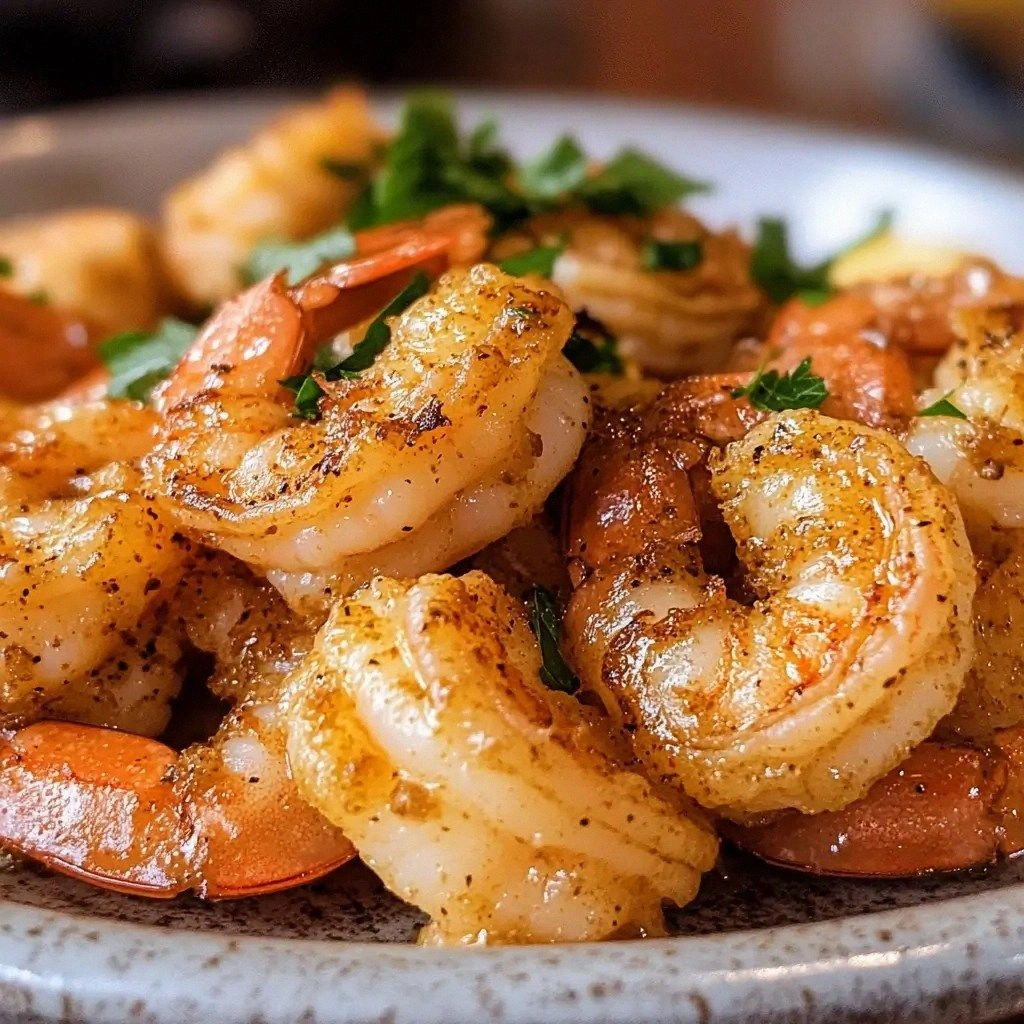
Picture this: the skillet sizzles as butter melts into a golden pool, garlic releases its perfume, and shrimp begin to turn a rosy pink that looks like a sunset on a summer beach. The air is thick with citrus, a whisper of Old Bay seasoning, and a faint hint of sea salt. I can almost hear the faint hiss of the shrimp as they cook, a satisfying pop that signals they’re done. The aroma alone is enough to make the whole house smell like a seaside brunch.
What sets this version apart is that it’s not just butter and lemon. It’s a layered flavor profile that starts with a buttery base, layers on a citrus punch, and finishes with a subtle heat from Old Bay and a touch of parsley for freshness. I’ve spent months tweaking the balance, and I finally found the sweet spot where the lemon is bright without overpowering, and the shrimp stay tender. The result is a dish that is hands down the best version you’ll ever make at home, and it’s surprisingly simple.
I’m not just going to give you the recipe; I’m going to walk you through every single step, from the first splash of butter to the final garnish. By the end, you’ll wonder how you ever made it any other way, because the technique I’ll share will elevate even the most seasoned cooks. Let me walk you through every single step — by the end, you’ll wonder how you ever made it any other way.
What Makes This Version Stand Out
- Flavor: The combination of butter, lemon, and Old Bay creates a complex taste that is both bright and savory. The lemon is bright enough to cut through the richness of butter, while Old Bay adds a subtle depth of umami and heat.
- Texture: The shrimp are cooked to a perfect pink, tender center while the butter forms a silky coating that clings to each shrimp. The slight crunch from the garlic adds a pleasant contrast.
- Simplicity: With only a handful of ingredients, the recipe is quick to assemble and doesn’t overwhelm the palate. You can have a gourmet meal ready in less than 45 minutes.
- Uniqueness: The use of Old Bay seasoning gives the dish a distinct maritime flavor that sets it apart from traditional lemon butter shrimp recipes.
- Crowd Reaction: Guests rave about how the dish feels like a restaurant favorite, yet it’s made in a home kitchen. It’s a conversation starter and a crowd pleaser.
- Ingredient Quality: Fresh shrimp, real butter, and freshly squeezed lemon juice are the backbone of this dish. The quality of these ingredients directly translates to the final flavor.
- Cooking Method: A quick sauté in a hot pan locks in juices and builds a flavorful crust without overcooking the shrimp.
- Make‑Ahead Potential: The sauce can be made ahead and reheated without losing its buttery sheen, making it perfect for meal prep.
Alright, let's break down exactly what goes into this masterpiece…
Inside the Ingredient List
The Flavor Base
Butter is the heart of this dish. It creates a silky coating that keeps the shrimp moist and adds a rich, nutty aroma. When butter melts, it releases a golden sheen that’s visually appealing and enhances the overall mouthfeel. If you skip butter, the shrimp will dry out and the dish will lose its luxurious texture.
Lemon juice and zest bring brightness and acidity. The juice cuts through the butter’s richness, while the zest provides a burst of citrus oils that linger on the palate. A good rule of thumb is to use fresh lemons; bottled lemon juice can feel flat and lack the subtle nuances of a fresh squeeze.
The Texture Crew
Garlic is essential for depth. Minced garlic releases its flavor quickly when sautéed in butter, creating a fragrant base that infuses the shrimp. If you prefer a milder garlic flavor, use just one clove or substitute with garlic powder for a more uniform taste.
Old Bay seasoning is the secret weapon. It offers a balanced blend of paprika, celery salt, and a hint of cayenne that adds a subtle heat and savory complexity. Without it, the dish would feel flat; with it, the shrimp get a distinct, maritime character.
The Unexpected Star
Fresh parsley is the finishing touch. Its bright green color and herbaceous flavor provide a fresh counterpoint to the buttery, lemony base. If parsley is out of season, a small handful of chopped cilantro or basil can work as an alternative, though the flavor profile will shift slightly.
The Final Flourish
A splash of white wine or chicken broth deglazes the pan, lifting the browned bits and incorporating them into the sauce. This step adds depth and prevents the sauce from becoming too thick or burnt. If you’re avoiding alcohol, use a thin layer of extra broth or a touch of water.
Everything's prepped? Good. Let's get into the real action…
The Method — Step by Step
- Heat a large skillet over medium‑high heat and add the butter. Watch as it melts into a golden pool; this is the moment the flavor starts to bloom. Let the butter foam slightly but don’t let it brown. This step ensures a buttery base that coats the shrimp beautifully. Don’t rush it—patience here pays off.
- Add the minced garlic to the pan and sauté for about 30 seconds until fragrant. The garlic should release its aroma without turning brown; if it starts to darken, lower the heat. This quick sauté brings out the garlic’s natural sweetness and prevents bitterness. Keep stirring so the garlic doesn’t stick or burn.
- Introduce the shrimp to the skillet in a single layer, ensuring they’re not crowded. Cook for 2 minutes on the first side; you’ll see the edges turn pink and the shrimp start to curl. Flip them gently and let them cook for another minute. This short, high‑heat method locks in juices and gives the shrimp a tender texture. If you’re in a hurry, you can skip flipping and cook both sides together for a minute each, but the flavor won’t develop as fully.
- Sprinkle Old Bay seasoning, salt, and pepper over the shrimp. Stir to coat evenly; the seasoning will caramelize slightly, adding depth. The salt enhances the shrimp’s natural sweetness, while the pepper adds a subtle heat. Taste a shrimp to ensure the seasoning is balanced before moving on.
- Squeeze the juice of one lemon over the shrimp, then add the zest. The acidity brightens the dish and counters the richness of butter. As the lemon hits the pan, it should sizzle lightly, releasing a citrus aroma that fills the kitchen. This is the moment of truth—if you’re not satisfied with the brightness, add a splash of more lemon juice.
- Deglaze the pan with a splash of white wine or chicken broth, scraping up any browned bits. This step adds a subtle umami layer and prevents the sauce from becoming too thick. Let the liquid reduce by half, creating a glossy sauce that clings to the shrimp. If you prefer a thicker sauce, sprinkle a teaspoon of flour to thicken; stir until smooth.
- Finish the dish by tossing the shrimp in a handful of chopped parsley. This not only adds a pop of color but also freshens the flavor profile. Serve immediately over pasta, rice, or crusty bread to soak up the buttery lemon sauce. The dish is now ready for the table.
That's it — you did it. But hold on, I've got a few more tricks that'll take this to another level…
Insider Tricks for Flawless Results
The Temperature Rule Nobody Follows
Many chefs think medium heat is fine for shrimp, but that’s a myth. The secret is high heat for a short time; this locks in juices and keeps the shrimp tender. If you’re using a non‑stick pan, start at medium‑high and increase to high after the butter has melted. This technique ensures the shrimp’s exterior caramelizes without the interior becoming rubbery.
Why Your Nose Knows Best
Smell is your best ally in cooking. If the butter starts to turn golden brown, you’ll notice a nutty scent. That’s the cue to reduce the heat. Similarly, when the shrimp are nearly done, the aroma of citrus and garlic will be unmistakable. Trust your nose to tell you when it’s time to flip or remove the shrimp.
The 5‑Minute Rest That Changes Everything
After cooking, let the shrimp rest on a warm plate for 5 minutes. This allows the juices to redistribute, keeping the shrimp moist. The residual heat will finish the cooking process without overcooking. It’s a simple step that elevates the dish’s texture.
The Secret to a Non‑Sticky Sauce
If you find the sauce thickening too quickly, add a teaspoon of cold water or broth and whisk vigorously. This prevents the butter from separating. The key is to keep the sauce silky, not oily. A quick whisk will emulsify the mixture and create a glossy finish.
The Final Finish
Right before serving, drizzle a splash of high‑quality olive oil over the shrimp. This adds a silky sheen and a subtle fruity note that balances the butter. It also helps the sauce cling to the shrimp, giving each bite a burst of flavor. Don’t skip this final flourish; it’s the finishing touch that turns good into great.
The Quick Garnish Hack
If you’re short on time, use pre‑chopped parsley or a mix of dried herbs. The dish still tastes fantastic, and you’ll save a few minutes. Just remember to add the herbs at the very end to keep their bright color and flavor intact.
Creative Twists and Variations
This recipe is a playground. Here are some of my favorite ways to switch things up:
Spicy Cajun Shrimp
Swap Old Bay for Cajun seasoning and add a pinch of cayenne pepper. The dish gains a smoky, fiery kick that pairs beautifully with a chilled white wine. This variation is perfect for those who love a little heat.
Herb‑Infused Lemon Shrimp
Replace parsley with a mix of fresh basil, thyme, and oregano. The herbs give the dish a Mediterranean feel and a fragrant aroma that’s hard to resist. Serve over linguine for a full‑blown pasta dinner.
Creamy Lemon Butter Sauce
After deglazing, stir in a splash of heavy cream or half‑and‑half. The sauce becomes velvety and rich, turning the dish into a decadent entrée. Pair with a buttery risotto for a luxurious meal.
Pasta‑Perfect Shrimp
Cook fettuccine or angel hair pasta and toss it with the shrimp and sauce. The pasta absorbs the buttery lemon flavor, creating a one‑pot meal that’s both comforting and elegant.
Shrimp & Veggie Stir‑Fry
Add sliced bell peppers, snap peas, and onions to the pan after the shrimp are cooked. The veggies will pick up the lemony butter sauce, turning the dish into a colorful stir‑fry. Serve over steamed rice for a balanced plate.
Shrimp Tacos with Lemon Slaw
Use the shrimp as a filling for soft tortillas, topped with a slaw made of cabbage, lime juice, and a touch of honey. The lemon butter shrimp adds richness, while the slaw provides crunch and acidity. This variation is a crowd‑pleaser at parties.
Storing and Bringing It Back to Life
Fridge Storage
Cool the shrimp and sauce to room temperature, then transfer them to an airtight container. Store in the refrigerator for up to 2 days. The sauce will thicken slightly, so add a splash of water or broth when reheating to restore its silky texture.
Freezer Friendly
For longer storage, place the shrimp and sauce in a freezer‑safe container and freeze for up to 2 months. Thaw overnight in the refrigerator before reheating. The flavor remains robust, and the shrimp stay tender after proper thawing.
Best Reheating Method
Reheat gently in a skillet over low heat, adding a small splash of water or broth to keep the sauce from drying out. Stir frequently until heated through. Avoid boiling, as that can make the shrimp rubbery.
Add a tiny splash of water before reheating — it steams back to perfection. This trick keeps the shrimp moist and the sauce glossy, making it taste as fresh as the day it was first made.