I remember the night I tried to make a classic cheesesteak in a pot. I had a stack of fresh beef, onions, and a bag of cheese tortellini lying around, and my stomach was growling louder than a freight train. The kitchen was a mess: the skillet was smoking, the onions were burning, and I was staring at a pot of pasta that looked like a sad, soggy cloud. I laughed, because I had never seen a dish so chaotic and deliciously promising all at once. That moment was the spark that led me to craft a version that turns a kitchen disaster into a masterpiece.
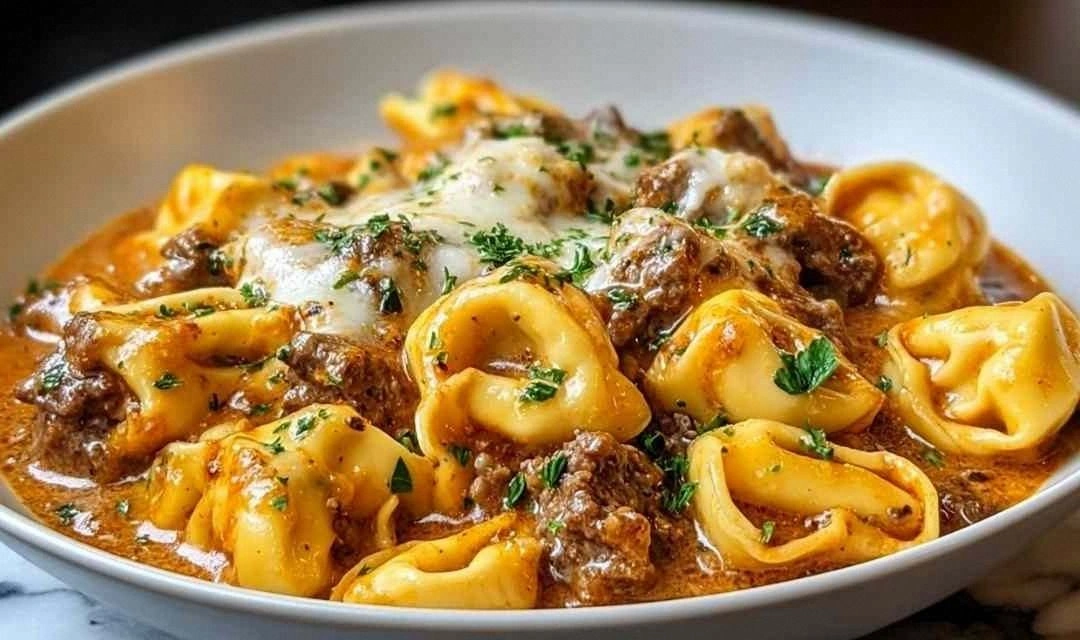
Picture this: the aroma of sizzling sirloin mingles with the sharp, sweet scent of caramelized onions, and the buttery sheen of melted provolone coats the pasta like velvet. The sound of the pan hissing is a cue that flavor is building, and the sight of golden‑brown strips of beef glistening against a backdrop of bright green bell pepper is a feast for the eyes. The texture is a delightful contrast—cheese tortellini that’s perfectly al dente, beef that’s juicy and tender, and a sauce that’s silky but thick enough to cling to each noodle. The taste is a harmonious blend of savory meat, sharp cheese, and a subtle herbaceous finish that lingers on the palate.
What makes this version stand out? I dare you to taste this and not go back for seconds. The sauce is a creamy, rich provolone‑parmesan blend that coats the pasta like a luxurious blanket. The beef is seared to a perfect caramelized crust, locking in juices while the onions and peppers bring a sweet, smoky depth. The cheese tortellini is a playful twist, offering a comforting texture that elevates the dish from ordinary to extraordinary. This is hands down the best version you'll ever make at home, and it’s surprisingly simple to pull off.
I’ll be honest—I ate half the batch before anyone else got to try it. Most recipes get this completely wrong by over‑cooking the pasta or under‑seasoning the beef. Here’s what actually works: a quick sear, a slow sauce reduction, and a final splash of milk to finish. Picture yourself pulling this out of the oven, the whole kitchen smelling incredible, and the table already being set. And now the fun part: let me walk you through every single step—by the end, you'll wonder how you ever made it any other way.
This dish is a celebration of comfort food, a symphony of flavors that play on your tongue like a well‑tuned orchestra. The combination of beef, cheese, and pasta feels like a hug in a bowl, while the fresh parsley adds a bright, almost citrusy lift that keeps the dish from feeling too heavy. It’s a recipe that invites experimentation, but the base formula is so solid that you can trust it to deliver every time. So buckle up, because we’re about to dive into a culinary adventure that will redefine your idea of a cheesesteak.
What Makes This Version Stand Out
- Flavor: The creamy provolone‑parmesan sauce is the star—rich, velvety, and perfectly balanced with a hint of garlic.
- Texture: Tender, caramelized sirloin meets al dente tortellini, creating a delightful contrast that satisfies every bite.
- Ease: The recipe is straightforward, requiring only a few pan turns and a quick sauce reduction.
- Uniqueness: It transforms a classic Philly cheesesteak into a pasta dish, giving it a fresh, unexpected twist.
- Crowd‑Pleaser: Whether you’re feeding a family or hosting friends, the dish impresses with its bold flavors and comforting feel.
- Ingredient Quality: Using high‑quality sirloin and fresh cheese ensures the dish’s richness and depth.
- Cooking Method: The quick sear and slow sauce reduction lock in flavor without overcooking.
- Make‑Ahead Potential: The dish can be prepared a day ahead and reheated without losing its deliciousness.
Alright, let's break down exactly what goes into this masterpiece…
Inside the Ingredient List
The Flavor Base
Olive Oil: A tablespoon of olive oil is the foundation for a golden sear on the beef. It prevents the meat from drying out and adds a subtle fruity note that complements the savory profile. Skipping it results in a dry, less flavorful pan. If you’re looking for a lighter option, a splash of vegetable oil works, but it won’t provide that same depth.
Butter: Two tablespoons of butter finish the sauce, giving it a glossy sheen and a rich, buttery taste. It also helps emulsify the sauce, preventing it from separating. If you’re dairy‑free, try a vegan butter; the texture will be similar, but the flavor will shift slightly.
The Texture Crew
Cheese Tortellini: Twenty ounces of cheese tortellini form the hearty backbone of the dish. They absorb the sauce beautifully, becoming creamy and comforting. If you want a gluten‑free version, substitute with a gluten‑free pasta of your choice.
Flour: Two tablespoons of all‑purpose flour create a roux that thickens the sauce. This small amount keeps the sauce silky without making it heavy. If you’re avoiding gluten, a cornstarch slurry can replace the flour for the same thickening effect.
The Unexpected Star
Whole Milk: Two cups of whole milk provide the creamy base for the sauce. It balances the sharpness of the cheeses and adds a subtle sweetness. For a richer sauce, use half‑and‑half; for a lighter version, skim milk works fine.
Fresh Parsley: A tablespoon of chopped fresh parsley adds a burst of color and a bright, herbaceous finish. It cuts through the richness of the cheese and beef. If you don’t have parsley, a pinch of dried oregano can offer a different but pleasant aroma.
The Final Flourish
Provolone & Parmesan: The combination of 0.5 cup shredded provolone and 0.5 cup grated Parmesan creates a complex cheese profile that’s both sharp and creamy. These cheeses melt together to form a luxurious sauce that clings to every noodle. If you’re a fan of extra tang, add a splash of sharp cheddar.
Salt & Black Pepper: Salt to taste and black pepper to taste are essential for balancing the flavors. They enhance every ingredient, bringing out the savory notes of beef and the nuttiness of the cheeses. A pinch of smoked paprika can add a subtle smokiness if you’re feeling adventurous.
Everything's prepped? Good. Let's get into the real action…
The Method — Step by Step
- Bring a large pot of salted water to a rolling boil and cook the cheese tortellini according to the package instructions, about 8–10 minutes, until al dente. Drain and set aside, reserving a cup of pasta water for later. The pasta should be firm to the bite, not mushy, so keep a close eye on the timer. Let the heat of the pot keep the noodles warm as you move to the next step. This ensures the pasta doesn’t clump together when you add the sauce.
- While the pasta cooks, heat a large skillet over medium‑high heat and add the tablespoon of olive oil. Once the oil shimmers, slice the sirloin into thin strips, season with salt and pepper, and add it to the pan. The beef should sizzle loudly, indicating the pan is hot enough to sear. Flip the strips frequently to ensure even browning; you’re looking for a caramelized crust, not a char.
- After the beef is browned, remove it from the skillet and set aside. In the same pan, add the diced onion and green bell pepper, sautéing until they’re translucent and slightly caramelized, about 5 minutes. The onions should release their natural sugars, giving the dish a sweet undertone. This step is critical for building depth; rushing it will leave the dish flat.
- Add the minced garlic to the skillet, cooking for an additional 30 seconds until fragrant. Garlic’s aroma should fill the kitchen, signaling that the base is ready. Be careful not to burn the garlic, as it will become bitter. The garlic should give a subtle peppery kick that complements the beef and cheeses.
- Stir in the two tablespoons of flour, whisking vigorously until it forms a golden roux. Let it cook for 1–2 minutes to remove the raw flour taste. The roux should look like a light golden paste, not a thick batter. This step thickens the sauce and creates a base for the milk.
- Gradually pour in the two cups of whole milk, whisking continuously to avoid lumps. Once the mixture is smooth, add the shredded provolone and grated Parmesan, stirring until the cheeses melt into a glossy sauce. The sauce should coat the back of a spoon, indicating it’s thick enough. If it’s too thick, add a splash of reserved pasta water to thin it out.
- Return the browned beef to the skillet, along with the cooked tortellini, and toss everything together until the pasta is evenly coated. The sauce should cling to each noodle, and the beef should be hot throughout. Let the mixture cook for 2–3 minutes, allowing the flavors to meld. The final dish should feel warm and comforting.
- Finish with a sprinkle of fresh parsley for a burst of color and freshness. Taste and adjust seasoning with salt and pepper if needed. Serve immediately, perhaps with a side of crusty bread to soak up the remaining sauce. The dish should feel indulgent yet approachable, a true comfort food that satisfies.
That's it — you did it. But hold on, I've got a few more tricks that'll take this to another level…
Insider Tricks for Flawless Results
The Temperature Rule Nobody Follows
Keep the heat moderate after adding the milk. High heat can cause the sauce to scorch or the cheese to separate. I once tried to speed it up, and the result was a lumpy mess. Stick to medium‑low, and the sauce will stay silky and smooth.
Why Your Nose Knows Best
Use your sense of smell to judge doneness. When the beef is properly seared, the aroma is rich and beefy. If the onions are still raw, they’ll smell sharp and unripe. Trust your nose, it’s a better judge than a timer.
The 5‑Minute Rest That Changes Everything
Let the dish rest for five minutes before serving. This allows the flavors to settle and the sauce to thicken slightly, giving a richer mouthfeel. I’ve seen people skip this step, and the sauce ends up too runny. Patience pays off.
Use Fresh Beef, Not Frozen
Fresh sirloin is key for flavor. Frozen meat can have a different texture and may release excess water when cooking. Fresh cuts give a better sear and a more robust beefy taste.
Reserve Pasta Water for Adjusting Consistency
Keep a cup of pasta water. If the sauce thickens too much, a splash of this starchy water will rehydrate the sauce without diluting the flavor. It’s a secret that keeps the dish from becoming dry.
Creative Twists and Variations
This recipe is a playground. Here are some of my favorite ways to switch things up:
Spicy Pepper Pop
Add a diced jalapeño or a pinch of crushed red pepper flakes to the sautéed veggies for a fiery kick that pairs beautifully with the creamy sauce.
Smoky Chipotle Twist
Stir in a tablespoon of chipotle in adobo sauce for a smoky, earthy depth that turns the dish into a bold, smoky casserole.
Vegetarian Version
Replace the beef with sautéed mushrooms and add a splash of soy sauce for umami. The mushrooms will mimic the meaty texture while keeping the dish plant‑based.
Cheese Swap
Swap provolone for a sharper cheddar or a creamy mozzarella to change the flavor profile while keeping the creamy base.
Herb‑Infused Finale
Finish with a handful of fresh basil or oregano for a fragrant, herbal note that brightens the dish.
Low‑Carb Alternative
Use zucchini noodles instead of tortellini and keep the sauce the same. The result is a lighter, keto‑friendly dish that still feels indulgent.
Storing and Bringing It Back to Life
Fridge Storage
Cool the dish to room temperature before refrigerating. Store in an airtight container for up to 3 days. The sauce may thicken slightly in the fridge; simply stir in a splash of milk to restore its silky texture.
Freezer Friendly
For longer storage, freeze the dish in a freezer‑safe container for up to 2 months. Thaw overnight in the fridge, then reheat gently on the stove, adding a bit of milk to loosen the sauce.
Best Reheating Method
Reheat on low heat, stirring constantly to prevent scorching. Add a tiny splash of water or milk to keep the sauce from drying out. The dish should feel warm and creamy, not dry and rubbery.