I was halfway through a Sunday barbecue when the smoke alarm started blaring, and my guests were scrambling for their phones. The backyard grill was a mess, the ribs were dry, and the sauce had turned into a sticky black goo. That night, I swore I’d find a way to rescue country‑style pork ribs that would make my taste buds dance and my guests line up for seconds. Fast forward a few weeks, and I’ve discovered the instant‑pot version that turns that kitchen nightmare into a triumph of flavor, tenderness, and pure, unapologetic comfort.
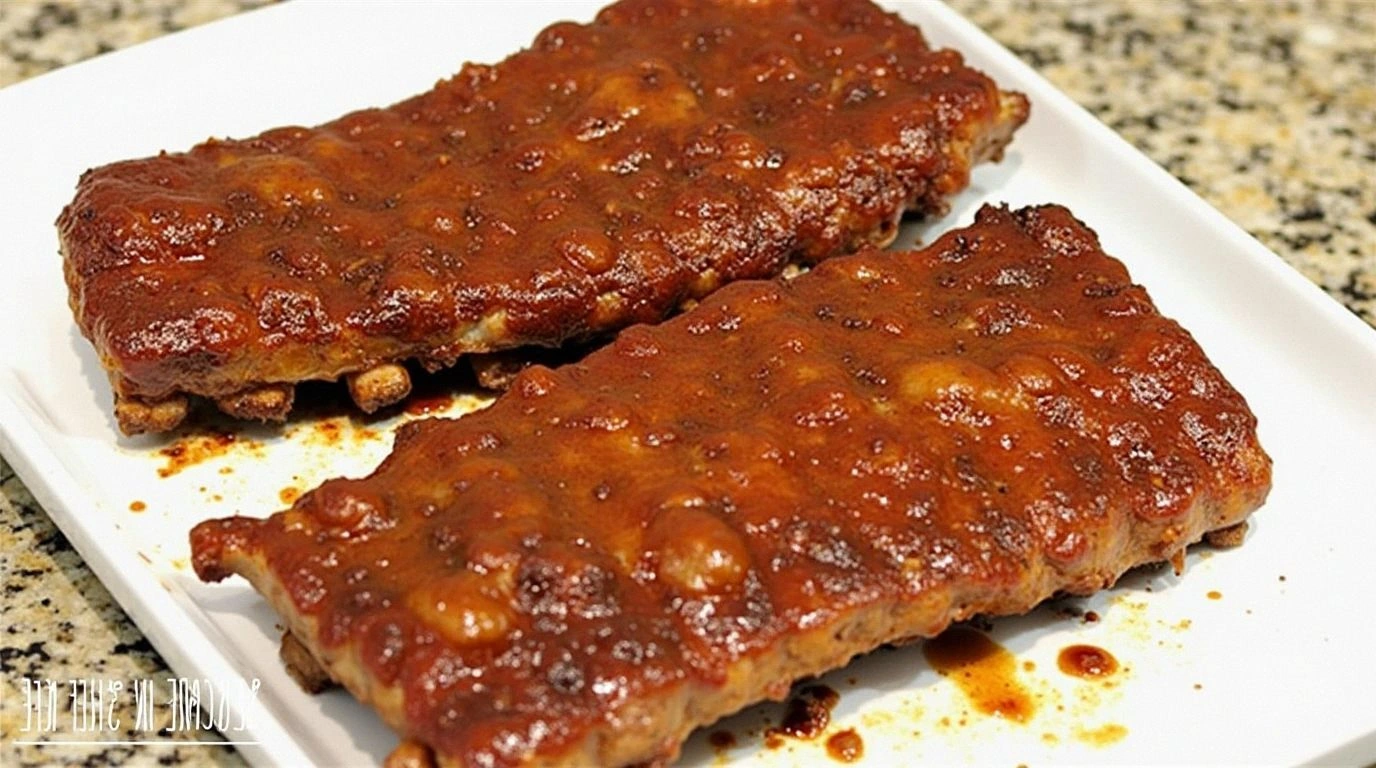
Picture this: a sizzling pot on your stove, the aroma of caramelized BBQ sauce drifting through the kitchen, and the sound of pork ribs crackling as they cook to melt‑in‑your‑mouth perfection. The texture is a paradoxical blend of a crispy exterior that shatters like thin ice and an interior so tender it practically dissolves. You’ll taste smoky sweetness, a hint of savory broth, and the subtle umami that only pork can deliver. It’s a sensory overload that makes you forget you’re even cooking.
What sets this recipe apart from the countless “instant‑pot ribs” on the internet is the intentional layering of flavors and the use of a small amount of broth to keep the meat moist without diluting the sauce. The trick is in the balance—just enough liquid to steam the ribs, then a generous glaze that coats them like velvet. It’s a game‑changer because it eliminates the guesswork of timing and temperature, giving you a foolproof method that’s both hands‑free and flavor‑rich.
I dare you to taste this and not go back for seconds. If you’re looking for the best version of country‑style ribs you’ll ever make at home, keep reading. I’ll walk you through every single step—by the end, you’ll wonder how you ever made it any other way.
What Makes This Version Stand Out
- Flavor: The BBQ sauce is the star, coating each rib with a sweet‑smoky glaze that caramelizes into a caramelized crust without burning.
- Texture: The instant‑pot’s pressure cooking locks in moisture, yielding meat that practically falls off the bone, while a quick sear adds a satisfying crunch.
- Ease: No more guessing about temperature or timing; the pot does the heavy lifting, freeing you to entertain or relax.
- Versatility: Swap pork for beef or add a splash of bourbon for a deeper flavor profile—this recipe adapts to your pantry.
- Crowd‑Pleaser: Even the most skeptical meat‑lovers will be convinced that ribs can be both tender and flavorful when cooked this way.
- Ingredient Quality: Using bone‑in ribs gives a richer taste, while the broth adds savory depth that a dry rub alone can’t achieve.
- Time Efficiency: From prep to plate, you’re looking at less than an hour, which is a win for busy weeknights.
- Make‑Ahead Potential: The dish can be prepared ahead and reheated without losing its succulence, perfect for meal prep.
Alright, let's break down exactly what goes into this masterpiece. Every ingredient is chosen to amplify the others, and the cooking method is designed to lock in moisture while building a complex flavor profile.
Inside the Ingredient List
The Flavor Base
The ½ cup of BBQ sauce is the backbone of this dish. It provides sweetness, acidity, and a smoky undertone that caramelizes during the sear. If you skip it, the ribs will taste flat and lack depth. For a homemade alternative, mix ketchup, brown sugar, apple cider vinegar, and a pinch of smoked paprika. This blend delivers a similar profile while allowing you to control the sweetness.
The Moisture Keeper
One cup of beef or chicken broth keeps the meat juicy without drowning it in liquid. The broth infuses the pork with savory notes that a dry rub cannot provide. If you’re avoiding sodium, use a low‑sodium broth or a homemade stock. The broth also helps the sauce thicken into a glossy glaze.
The Meat Marvel
3–4 lbs boneless country‑style pork ribs (bone‑in works too) are the star. The cut is leaner than spare ribs but still rich in flavor. If you’re short on time, use pre‑cut pork shoulder; it will cook faster but still deliver tenderness. The weight determines the cooking time—always allow an extra 5 minutes per pound in the instant pot.
The Final Flourish
A handful of fresh herbs—like thyme or rosemary—can be added during the last 10 minutes of cooking to add aromatic freshness. If you prefer a more robust flavor, sprinkle smoked salt on the ribs before searing. Remember, the final glaze should coat the ribs like a glossy coat of paint, so don’t be shy with the sauce.
Everything's prepped? Good. Let's get into the real action...
The Method — Step by Step
- Begin by seasoning the ribs generously with salt, pepper, and smoked paprika. Let them sit at room temperature for 15 minutes to absorb the seasoning. This step is crucial for flavor penetration.
- Turn the instant pot to the “Sauté” setting and add a tablespoon of oil. Once the oil shimmers, sear the ribs on all sides until a caramelized crust forms. This browning reaction locks in juices.
- While the ribs are searing, pour the broth into the pot, scraping up any browned bits from the bottom. Those bits are flavor gold—don’t let them burn.
- Add the ½ cup of BBQ sauce, then cover the ribs with the sauce. The sauce should coat each rib evenly, creating a glossy sheen. This will caramelize during the pressure cook.
- Close the lid, set the valve to “Sealing,” and cook on “Manual” high pressure for 25 minutes. The pressure will tenderize the pork while the sauce reduces into a glaze.
- When the timer goes off, allow the pressure to release naturally for 10 minutes, then quick‑release the remaining pressure. This gentle release keeps the meat from drying out.
- Open the lid, turn the instant pot back to “Sauté,” and let the sauce reduce for 5 minutes until it thickens into a glossy glaze. The ribs will now have a caramelized exterior that’s irresistible.
- Transfer the ribs to a platter, baste them with extra BBQ sauce, and serve immediately. The edges will be slightly charred, the meat tender, and the aroma will make your guests swoon.
That's it — you did it. But hold on, I've got a few more tricks that'll take this to another level...
Insider Tricks for Flawless Results
The Temperature Rule Nobody Follows
Many cooks think that higher pressure always means better tenderness, but the truth is a moderate pressure of 15 psi is enough to break down collagen while preserving moisture. If you use a higher pressure, the meat can become mushy.
Why Your Nose Knows Best
When the sauce starts to thicken, the aroma will shift from sweet to caramelized. Trust your nose; once it smells like toasted sugar, the glaze is ready. A friend once tried to finish early and ended up with a raw, under‑cooked batch—don’t repeat that mistake.
The 5‑Minute Rest That Changes Everything
Letting the ribs rest after pressure release allows the juices to redistribute. A quick 5‑minute rest on a cutting board is all you need to lock in moisture. Skipping this step can result in dry, uneven meat.
Basting Like a Pro
During the final sauté, keep a small ladle handy to baste the ribs constantly. This ensures every surface gets a glossy coating. The more you baste, the more flavorful the crust.
Using a Lids for Extra Crunch
After the pressure release, place the ribs on a wire rack set over a baking sheet. Pop them in a preheated oven at 400°F for 5 minutes to crisp the exterior. This step adds a satisfying crunch that pairs well with the tender interior.
Don’t Forget the Finish
A final splash of fresh lime juice or a drizzle of honey can brighten the dish. If you prefer a spicy kick, sprinkle a pinch of cayenne pepper over the ribs before serving.
Creative Twists and Variations
This recipe is a playground. Here are some of my favorite ways to switch things up:
Maple‑Glazed Ribs
Swap half of the BBQ sauce for pure maple syrup. The result is a sweet, caramelized glaze that pairs beautifully with the pork’s savory notes. This variation is perfect for holiday gatherings.
Asian Fusion
Replace the BBQ sauce with a mixture of hoisin sauce, soy sauce, and a splash of rice vinegar. Add sliced green onions and sesame seeds for an Asian twist. The pork will carry a sweet‑savory profile with a subtle umami kick.
Citrus‑Infused
Add the zest of one orange and a squeeze of fresh orange juice to the broth. The citrus brightens the flavor and cuts through the richness. Pair with a side of coleslaw for a balanced meal.
Beer‑Battered Ribs
Use a light lager in the broth and add a teaspoon of dry beer yeast. The beer’s maltiness gives the ribs a deeper flavor and a slightly darker glaze. This is a nod to classic barbecue traditions.
Herb‑Roasted Variation
Add fresh rosemary, thyme, and bay leaves to the broth. After pressure cooking, finish the ribs under a broiler for a few minutes to develop a herbaceous crust. The aroma will be intoxicating.
Spicy Chipotle
Stir in a tablespoon of chipotle in adobo sauce into the BBQ sauce. The heat will bring a smoky depth and a mild kick. Serve with a cooling avocado salsa to balance the heat.
Storing and Bringing It Back to Life
Fridge Storage
Cool the ribs to room temperature, then refrigerate in an airtight container for up to 4 days. The sauce will thicken slightly, so you may want to reheat with a splash of broth to restore moisture.
Freezer Friendly
Wrap the ribs tightly in foil or freezer bags, then place them in a freezer‑safe container. They’ll keep for up to 3 months. Thaw overnight in the refrigerator before reheating.
Best Reheating Method
Reheat in a skillet over medium heat, adding a splash of water or broth to keep the meat moist. Cover for a few minutes, then flip to re‑baste. A quick broil at the end will restore the crispy exterior.
Add a tiny splash of water before reheating — it steams back to perfection.