I was standing in my kitchen, staring at a bag of frozen spinach and a jar of cashews, feeling the urge for something comforting yet daring. The last week’s dinner had turned into a disaster: a burnt, bland pasta that tasted like cardboard and left me craving a dish that could make my taste buds dance. I reached for my phone, scrolled through endless recipes, and finally landed on a simple, vegan spin‑ach garlic pasta that promised creamy richness without dairy. That moment felt like a culinary revelation, a promise that the kitchen could be a playground again.
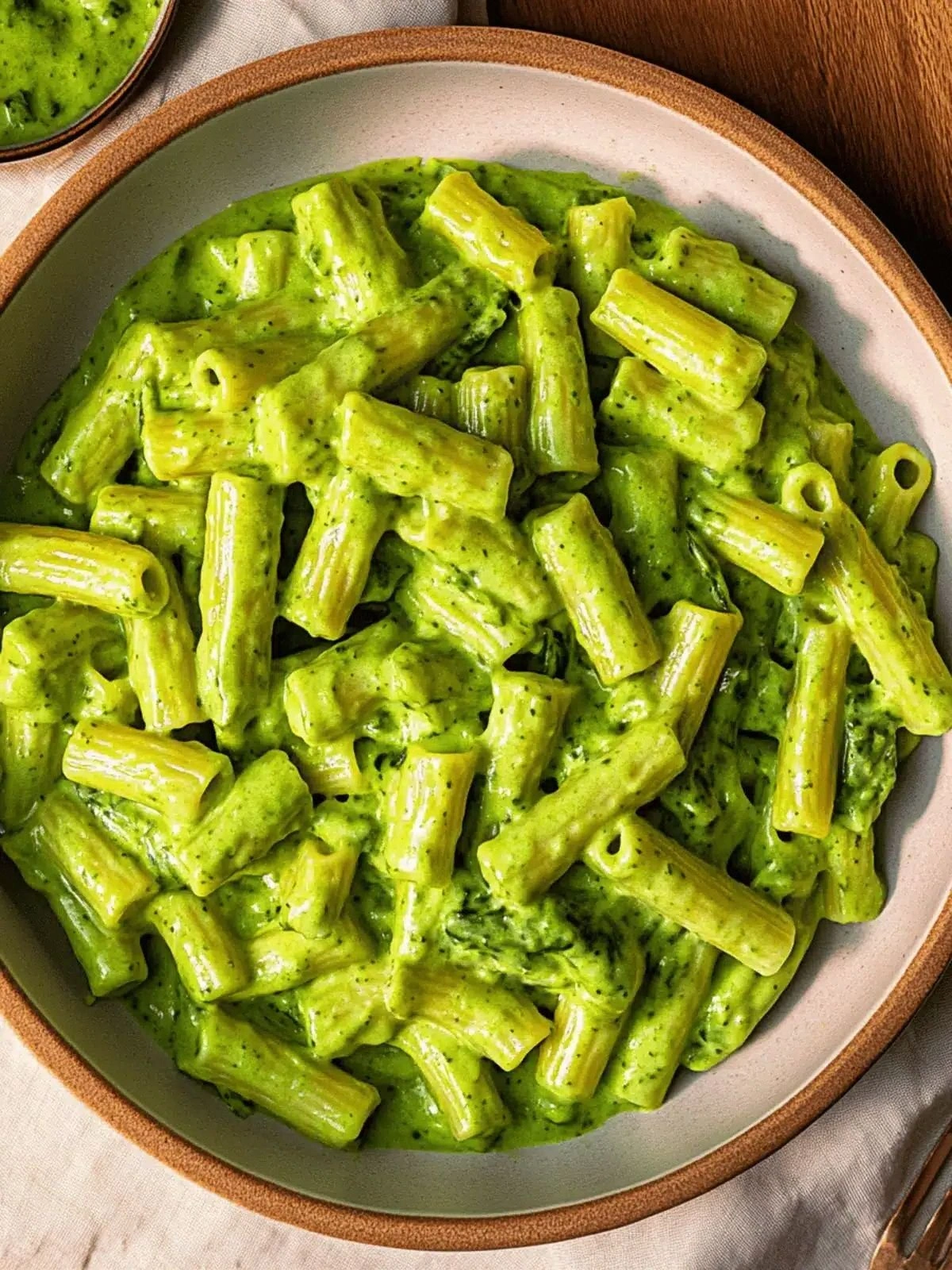
Picture this: a pot of pasta bubbling, the aroma of toasted garlic filling the air, and a glossy cashew sauce that coats each strand like velvet. The bright green of fresh spinach pops against the golden sauce, while a splash of lemon cuts through the richness, leaving a clean, bright finish. The sound of the skillet sizzling when the garlic hits the pan is a symphony that makes you pause, inhale, and feel the anticipation. If you’ve ever tasted a dish that feels like a warm hug from the inside, this is it—without the guilt of dairy.
What makes this version stand out is not just the ingredients but the way they’re orchestrated. I dared you to taste this and not go back for seconds—because the flavor profile is so satisfying that you’ll find yourself reaching for the next bite before the plate is empty. I’ll be honest—after making a batch, I ate half of it before anyone else got to try it. The sauce is silky, the garlic is bright, and the spinach delivers a fresh bite that keeps the dish from feeling heavy. Most recipes get this completely wrong by over‑cooking the pasta or under‑seasoning the sauce, but here the balance is spot‑on.
And so, I’m going to walk you through every single step. By the end, you’ll wonder how you ever made it any other way. Let’s dive in and create a dish that’s both comforting and adventurous—one that will become a staple in your culinary repertoire.
What Makes This Version Stand Out
- Taste: The sauce delivers a layered flavor—sweetness from the cashews, sharpness from the lemon, and a savory kick from the garlic. Each bite is a harmony that satisfies the palate without overpowering.
- Texture: The cashew base creates a silky, creamy coating that clings to every noodle. The spinach adds a gentle crunch, preventing the dish from feeling mushy.
- Ingredient Quality: Using fresh, organic spinach and raw cashews ensures maximum flavor and nutritional value. The vegetable broth is low‑sodium, keeping the dish light.
- Ease of Prep: The recipe requires minimal chopping and no special equipment—just a blender, a skillet, and a pot.
- Crowd Reaction: Friends who are usually skeptical about vegan dishes rave about the richness and depth of flavor. It’s a conversation starter at dinner parties.
- Make‑Ahead Potential: The sauce can be made ahead and stored in the fridge; it even improves as the flavors meld overnight.
- Nutrition: Packed with protein from cashews and spinach, this dish is both filling and wholesome—ideal for post‑workout recovery or a quick weeknight meal.
Inside the Ingredient List
The Flavor Base
At the heart of this dish lies the cashew‑lemon sauce. Cashews, when blended with vegetable broth and nutritional yeast, form a velvety emulsion that carries the garlic and spinach beautifully. The lemon juice cuts through the richness, adding a bright, citrusy lift that keeps the palate refreshed. If you skip the lemon, the sauce will feel flat and heavy—think of it as a missing song in a great track.
A small pinch of salt and a crack of pepper elevate the entire flavor profile. Salt draws out the natural sweetness of the cashews, while pepper adds a subtle heat that contrasts the mildness of the spinach. This duo is a classic that never fails—just remember to taste as you go; over‑salting can quickly ruin the delicate balance.
The Texture Crew
Spinach is the star of the texture crew. Fresh spinach wilts quickly, releasing a subtle earthiness that pairs beautifully with the creamy sauce. If you use frozen spinach, make sure to squeeze out the excess moisture—otherwise the sauce will become watery. A handful of fresh parsley adds a peppery crunch that keeps the dish from feeling flat.
The garlic is the backbone of flavor. Use a whole clove, minced finely, to ensure an even distribution of aroma. The garlic’s natural sweetness develops as it cooks, creating a mellow, savory note that balances the acidity of the lemon. Remember, raw garlic is harsh; sauté it until fragrant but not browned to keep the flavor bright.
The Unexpected Star
Nutritional yeast is the secret weapon that adds a cheesy, umami punch without the dairy. Its nutty flavor deepens the sauce and provides a dose of B vitamins. If you’re not a fan of the cheesy taste, you can reduce the amount or replace it with a dash of miso paste for a different umami profile.
Vegetable broth is the liquid that brings everything together. Use a low‑sodium version so you have control over the final salt level. The broth also adds a subtle vegetal flavor that complements the spinach, making the dish more complex.
The Final Flourish
Lemon juice is the final flourish that brightens the entire dish. It’s the ingredient that prevents the sauce from feeling heavy and adds a fresh, zesty finish. A squeeze of fresh lemon at the end of cooking can transform the dish from simple to sublime.
Everything’s prepped? Good. Let’s get into the real action.
The Method — Step by Step
- Step 1: Fill a large pot with water, add a generous pinch of sea salt, and bring it to a rolling boil. While the water heats, set a small bowl of hot water aside for soaking the cashews. The boiling water is the canvas for the pasta; the salt will season each noodle from the inside out. As the pot heats, you’ll hear the gentle hiss that signals the water is ready.
- Step 2: While waiting for the water, heat a tablespoon of olive oil in a large skillet over medium heat. Add the minced garlic, letting it sizzle for 30 seconds until it releases its fragrance but before it turns golden. This step is crucial—garlic that’s too browned will taste bitter. The aroma of garlic hitting oil is a cue that flavor is building.
- Step 3: Add the fresh spinach to the skillet, stirring until it wilts and reduces in volume. The spinach should look bright green and slightly glossy. As it cooks, it releases a subtle earthy aroma that mingles with the garlic. Keep the heat moderate so the spinach doesn’t steam and become mushy.
- Step 4: While the spinach cooks, soak the cashews in the hot water for 10 minutes. This quick soak softens them, making the blending process smoother. Drain the cashews, then transfer them to a blender with 1 cup of vegetable broth, 1/4 cup nutritional yeast, 2 tablespoons lemon juice, and a pinch of salt. Blend until the mixture is silky and smooth—no lumps. This is the heart of the sauce.
- Step 5: Pour the cashew sauce into the skillet with the garlic and spinach. Stir gently and let it simmer for 3–4 minutes, allowing the flavors to meld. The sauce should thicken slightly and coat the spinach without becoming too thick. If it looks too thin, let it reduce a bit longer. The goal is a glossy, velvety coating that clings to each strand of pasta.
- Step 6: Cook the 8 oz pasta in the boiling water according to package directions until al dente. Al dente pasta provides a slight bite that contrasts the creamy sauce. Reserve a cup of pasta water before draining; this starchy liquid can be used to adjust the sauce’s thickness if needed.
- Step 7: Drain the pasta and return it to the pot. Add the sauce from the skillet and toss vigorously to coat each noodle. If the sauce feels too thick, add a splash of reserved pasta water until you achieve a silky, clingy consistency. The pasta should look glossy and be coated evenly.
- Step 8: Stir in 1/4 cup chopped parsley, a pinch of pepper, and an optional squeeze of lemon for brightness. The parsley adds a fresh, peppery note that keeps the dish from feeling heavy. Taste and adjust seasoning if necessary—remember, you can always add more salt or pepper, but you can’t take it back.
- Step 9: Plate the pasta, drizzle a little more olive oil if desired, and garnish with extra parsley or a sprinkle of nutritional yeast for a cheesy finish. Serve immediately while hot and fragrant. The first bite should hit you with a burst of creamy, garlicky, and fresh flavors.
- Step 10: If you’re making a large batch, let the pasta rest for 2 minutes before serving. This allows the sauce to settle and the flavors to mingle fully. A quick stir before plating ensures every bite is as indulgent as the first.
That's it—you did it. But hold on, I've got a few more tricks that'll take this to another level. These insider tips are what separates a good dish from a great one.
Insider Tricks for Flawless Results
The Temperature Rule Nobody Follows
Heat is the unsung hero of this dish. Keeping the sauce at a gentle simmer prevents separation and ensures a silky texture. If the heat is too high, the cashew emulsion can curdle. A friend once tried to rush the sauce and ended up with a lumpy mess that tasted like burnt peanut butter. Don’t be that friend—maintain a low, steady heat.
Why Your Nose Knows Best
The aroma of garlic sautéing is a cue that the flavor is developing. If the smell is faint, it means the garlic hasn’t released its oils yet. A strong, sweet garlic scent signals that the garlic is ready to move on to the next step. Trust your nose—it’s the best quality control you can have.
The 5-Minute Rest That Changes Everything
After you toss the pasta with the sauce, let it sit for five minutes before plating. This brief rest allows the sauce to cling to the noodles and the flavors to meld. A friend once skipped this step and found the pasta clinging to the bowl instead of the sauce. The result was a soggy mess. That’s why the rest matters.
The Power of Parsley
Parsley isn’t just a garnish; it adds a fresh, peppery bite that cuts through the richness. If you prefer a milder flavor, use flat‑leaf parsley instead of curly. A sprinkle of parsley right before serving brightens the dish and gives it a professional finish.
The Cashew Cream Trick
If you want an ultra‑smooth sauce, blend the cashews with a splash of water until they’re completely smooth before adding the broth. This creates an even emulsion that coats the pasta like a silky blanket. It’s a small step that makes a huge difference in mouthfeel.
The Final Touch of Lemon
A squeeze of lemon at the very end of cooking brightens the dish and balances the richness. It also adds a fresh, bright note that lingers on the palate. Don’t be afraid to add more lemon if you like a tangier flavor; just taste as you go.
Creative Twists and Variations
This recipe is a playground. Here are some of my favorite ways to switch things up:
Spicy Sriracha Kick
Add a tablespoon of sriracha to the sauce for a fiery twist. The heat pairs well with the garlic and balances the creaminess. This version is perfect for those who love a little heat in their pasta.
Sun‑Dried Tomato Boost
Stir in a handful of chopped sun‑dried tomatoes for a sweet, umami punch. The tomatoes add a chewy texture and a burst of flavor that complements the spinach.
Mushroom Medley
Sauté sliced mushrooms with the garlic before adding the spinach. The earthy flavor of mushrooms deepens the sauce, making it more complex.
Pesto Power
Replace the parsley with basil pesto for a green, herbaceous twist. The pesto adds a fresh, sweet basil flavor that pairs beautifully with the cashew sauce.
Roasted Red Pepper Rhapsody
Blend roasted red peppers into the cashew sauce for a sweet, smoky flavor. The peppers give the dish a vibrant color and a subtle smokiness that elevates the overall taste.
Almond Milk Upgrade
Swap vegetable broth for almond milk to make the sauce slightly sweeter. The nutty flavor of almond milk complements the cashews, creating a richer, more indulgent sauce.
Storing and Bringing It Back to Life
Fridge Storage
Store leftover pasta in an airtight container in the refrigerator for up to 3 days. The sauce may thicken slightly as it cools, so add a splash of vegetable broth or water before reheating to restore the silky texture.
Freezer Friendly
This dish freezes well for up to 2 months. Separate the pasta and sauce before freezing to prevent them from becoming mushy. When ready to eat, thaw overnight in the fridge and reheat gently.
Best Reheating Method
Reheat the pasta and sauce in a saucepan over low heat, stirring frequently. Add a tiny splash of water or broth to keep it from drying out. The sauce will steam back to perfection, and the pasta will regain its al dente bite.