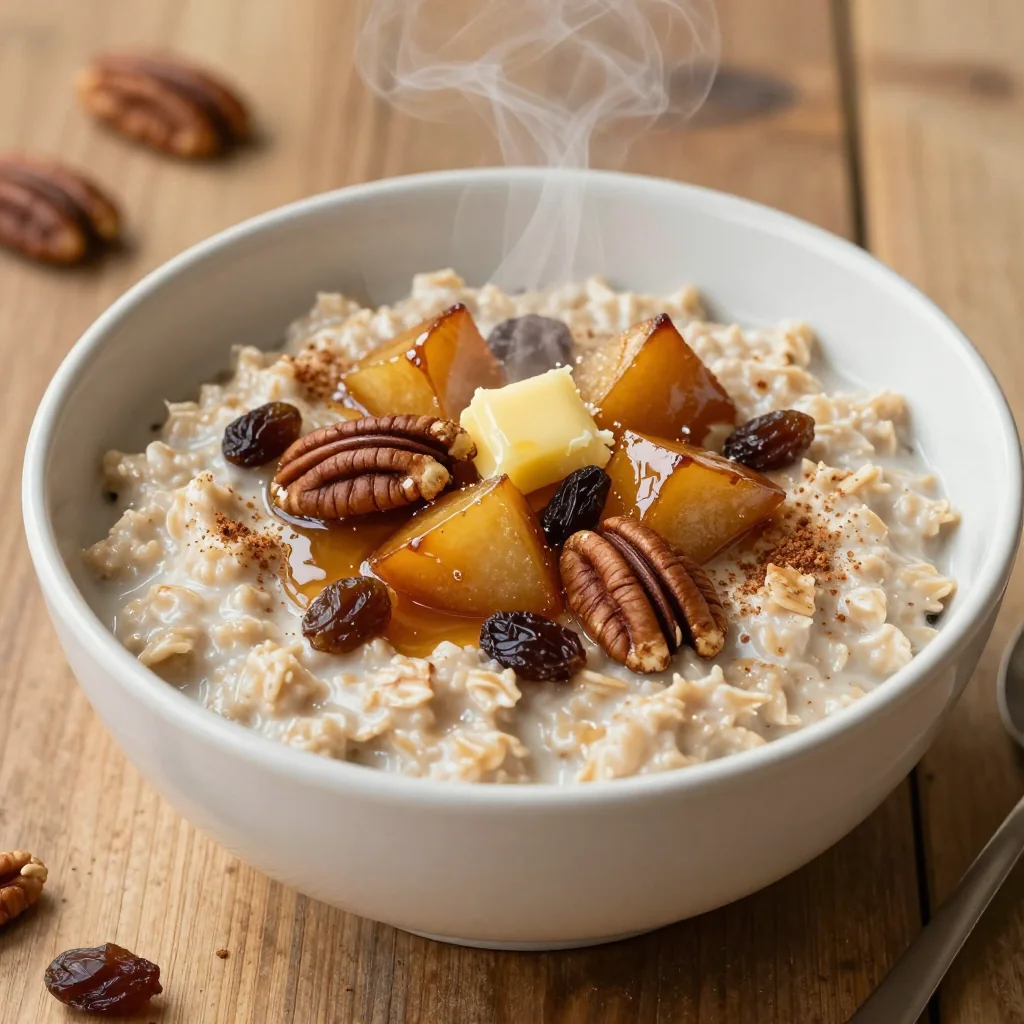
I remember the night I almost ruined my entire kitchen. I had been invited to a friends’ brunch, and the menu was a bland spread of salads and a store‑bought cake that had been sitting in the fridge for a week. I stared at the box, feeling a mix of disappointment and culinary desperation. That moment became the catalyst for discovering the ultimate version of a dish that would become a staple in my pantry: the Crispy Coffee Almond Cake.
Picture this: a golden crust that crackles like fresh toast, a moist interior that releases a rich coffee aroma the moment you cut into it, and a subtle almond undertone that lingers on the palate. The first bite is a symphony of textures—crispy on the outside, tender on the inside, and that unmistakable coffee kick that wakes your senses. The smell of freshly brewed espresso mingles with the scent of toasted almonds, turning an ordinary kitchen into a fragrant, inviting space. You’ll hear the faint hiss of butter melting and the rhythmic stirring that feels almost meditative. The texture feels like a silky canvas, and the flavor is a bold yet balanced dance of sweet, nutty, and bitter.
What sets this version apart from every other recipe out there is the secret coffee‑almond blend that transforms the cake from a simple dessert into a bold, multi‑dimensional experience. I dare you to taste this and not go back for seconds. The crisp edges shatter like thin ice, revealing a moist, coffee‑infused center that melts in your mouth. The almond flour adds a subtle nuttiness that complements the espresso, while the melted butter creates a glossy, caramelized finish. It’s a cake that feels both indulgent and sophisticated, a true crowd‑pleaser that will have everyone asking for the recipe. I’ll be honest—once I baked this, I ate half the batch before anyone else got a chance to try it.
If you've ever struggled with baking a cake that is both crispy and moist, you're not alone, and I've got the fix. Most recipes get this completely wrong by using too much flour or too little coffee. Here’s what actually works: a balance of dry and wet, a touch of acidity, and a generous splash of almond milk for that tender crumb. Picture yourself pulling this out of the oven, the whole kitchen smelling incredible, and the cake cooling on a rack, the top still slightly blistering from the last minute of baking. Stay with me here—this is worth it.
What Makes This Version Stand Out
- Flavor: The integration of instant coffee with espresso powder delivers a deep, complex coffee taste that cuts through the sweetness, creating a layered flavor profile that feels both luxurious and comforting.
- Texture: The combination of all‑purpose flour and almond flour results in a cake that is airy yet firm, with a crisp, golden crust that shatters delightfully when you bite into it.
- Simplicity: Despite its sophisticated flavor, the recipe requires only ten ingredients and a single mixing bowl—no fancy gadgets or multi‑step processes.
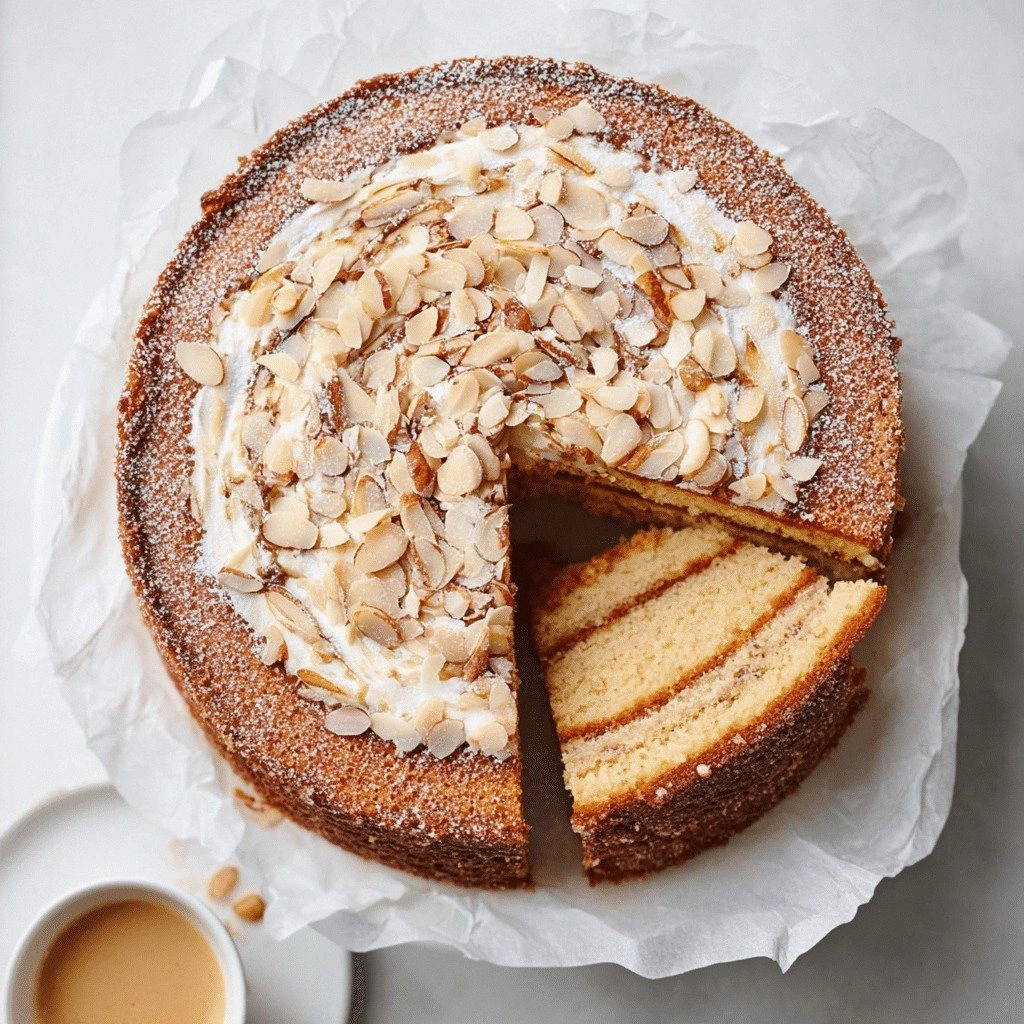
- Uniqueness: The toasted almond slivers on top add a crunchy contrast that is rarely seen in traditional coffee cakes, giving this version a signature finish.
- Crowd Reaction: Guests will be amazed by the unexpected coffee intensity, and the cake’s elegant appearance makes it an instant conversation starter.
- Ingredient Quality: Using high‑grade instant coffee and fresh almond flour elevates the overall taste, making the difference between a good cake and a memorable one.
- Cooking Method: Baking at a slightly lower temperature with a short finish time preserves the moisture while allowing the crust to develop its signature crispness.
- Make‑Ahead Potential: This cake can be baked a day ahead and stored in an airtight container; reheating in a toaster oven restores the crispness without drying it out.
Inside the Ingredient List
The Flavor Base
The foundation of this cake is a marriage between flour and coffee. All‑purpose flour provides the structure, while instant coffee granules infuse the batter with a robust, aromatic core. The coffee is not just a flavor; it acts as a natural tenderizer, breaking down gluten slightly and keeping the crumb tender. If you skip the coffee, you’ll end up with a plain cake that lacks depth. For an extra punch, add a tablespoon of espresso powder—this is optional, but it gives that rich, bitter undertone that coffee lovers adore. The best coffee you can use is one you would actually drink; a weak or burnt coffee will leave the cake with an off‑taste.
The Texture Crew
Almond flour and almond milk work together to create a moist, tender crumb that contrasts beautifully with the crisp crust. Almond flour brings a subtle nutty flavor and a denser texture, while almond milk adds moisture without making the batter too wet. Baking soda and baking powder lift the batter, ensuring the cake rises evenly. Salt balances the sweetness and enhances the coffee flavor. Butter, melted and slightly cooled, coats the flour particles, creating a tender crumb and a shiny, caramelized surface. The eggs bind everything together, adding richness and structure.
The Unexpected Star
Toasted almond slivers are the secret weapon that turns an ordinary cake into a showstopper. They add crunch, a nutty aroma, and visual appeal. Toasting the slivers before sprinkling them on top caramelizes the sugars in the almonds, creating a delightful contrast to the soft interior. If you’re vegan, you can replace butter with coconut oil and use a plant‑based milk; the result will still be delicious, though the flavor profile will shift slightly. For a gluten‑free version, substitute the all‑purpose flour with a 1:1 blend of gluten‑free all‑purpose flour and tapioca starch.
The Final Flourish
Vanilla extract ties everything together, adding a warm, sweet note that balances the coffee’s bitterness. A pinch of sea salt on top before baking enhances the almond crunch and brings out the coffee’s depth. If you want a more decadent version, drizzle a light glaze of powdered sugar and espresso over the cooled cake. This final flourish adds a glossy finish and an extra coffee kick that will leave your guests asking for seconds. Remember, the key to a perfect finish is timing—remove the cake from the oven just as the crust turns a deep amber.
Everything’s prepped? Good. Let’s get into the real action.
The Method — Step by Step
- Preheat your oven to 325°F (165°C). Line a 9‑inch springform pan with parchment paper, ensuring it extends about 1 inch beyond the edges. This prevents sticking and gives a clean release. The low temperature is key to a uniform bake, allowing the cake to rise slowly and develop a crisp crust without drying out. While the oven warms, let the batter rest for a few minutes; this helps the flour absorb moisture and the coffee to mellow.
- In a medium bowl, whisk together 2 cups all‑purpose flour, 1 cup almond flour, 1 cup instant coffee granules, 1 tsp baking powder, 1/2 tsp baking soda, and 1/2 tsp salt. The dry mix should look like a fine, even crumb. This step is the foundation of the cake’s structure. If you’re feeling adventurous, fold in a tablespoon of espresso powder for an extra coffee punch. Keep the mixture dry; adding wet ingredients too early can cause lumps.
- In a separate bowl, combine 1 cup melted butter, 1 cup almond milk, 1 cup granulated sugar, 2 large eggs, and 1 tsp vanilla extract. Whisk until the mixture is smooth and the sugar has dissolved. The melted butter should be slightly cooled—if it’s too hot, it can scramble the eggs. This wet mixture is the binder that will hold the batter together and give the cake its moistness.
- Pour the wet ingredients into the dry mixture and fold gently with a spatula. Mix just until combined; over‑mixing can toughen the batter. You want a few streaks of flour visible—this ensures a light, airy crumb. The batter should be thick but pourable; if it’s too thick, add a tablespoon of almond milk to loosen it.
- Transfer the batter into the prepared pan and smooth the top with a spatula. Sprinkle 1/4 cup toasted almond slivers evenly over the surface. These will caramelize during baking, creating a crunchy, nutty topping. Gently press them into the batter so they adhere. This is the moment of truth—watch the slivers settle into the batter like tiny jewels.
- Place the pan in the preheated oven and bake for 35 minutes. The cake should rise and develop a golden‑brown crust. The top will begin to blister slightly—this is the sign of a crisp edge. The smell of coffee and toasted almonds will fill the kitchen, making it impossible to resist. Use a toothpick inserted into the center; if it comes out clean, the cake is done.
- Remove the cake from the oven and let it cool in the pan for 10 minutes. Then turn it out onto a wire rack to cool completely. The cooling period allows the cake to set and the crust to crisp further. If you’re in a hurry, you can lift the cake out with a spatula and place it directly on the rack. Keep an eye on the edges; if they start to look too dark, cover the cake loosely with foil to prevent burning.
- Once cooled, dust the top with powdered sugar or drizzle a light espresso glaze. Slice and serve immediately for the best texture, or store in an airtight container for up to three days. If you’re storing, wrap the cake in parchment paper and then place it in a zip‑lock bag. When you’re ready to enjoy, reheat in a toaster oven at 300°F (150°C) for 5 minutes to restore crispness.
That’s it—you did it. But hold on, I’ve got a few more tricks that will take this to another level.
Insider Tricks for Flawless Results
The Temperature Rule Nobody Follows
Many bakers set the oven to a high temperature to get a quick rise, but this cake thrives at a lower 325°F. The slow bake ensures the interior cooks evenly while the exterior crispens without burning. I’ve tried baking at 350°F and the edges became overly brown while the center remained undercooked. Keep the temperature steady, and if your oven has hot spots, rotate the pan halfway through. This simple adjustment guarantees a perfectly even bake every time.
Why Your Nose Knows Best
During the last 5 minutes of baking, the aroma of coffee intensifies, signaling that the cake is ready. Trust your nose; a strong, sweet coffee scent means the cake has reached its peak. If the aroma is weak, let it bake a little longer—just a minute or two. Over‑baking can dry out the interior, but under‑baking will leave you with a soggy center. Your olfactory senses are the best judge of doneness.
The 5‑Minute Rest That Changes Everything
Letting the cake rest in the pan for 10 minutes after baking is crucial. The residual heat continues to cook the center, and the cake’s structure stabilizes, preventing it from cracking when you lift it out. This rest period also allows the crust to set, giving it that signature crispness. A friend once skipped this step and the cake collapsed when removed from the pan. The rest is a small price for a flawless final product.
Use a Silicone Mat for Even Crusts
A silicone baking mat prevents the batter from sticking to the pan and ensures even heat distribution. Without it, the edges can become uneven, causing a lopsided cake. The mat also makes cleanup a breeze—no more scrubbing stuck batter. If you don’t have a silicone mat, parchment paper works, but be sure to lightly grease the parchment to avoid sticking.
Keep the Batter Cold
If the batter is too warm, the butter can separate and the cake may spread too much. After mixing, chill the batter in the fridge for 15 minutes before baking. This step keeps the butter solid enough to create steam pockets, contributing to a lighter crumb. I’ve found that a chilled batter also enhances the coffee flavor, allowing it to meld better with the almond base.
Creative Twists and Variations
This recipe is a playground. Here are some of my favorite ways to switch things up:
Chocolate‑Coffee Swirl
Fold in 1/4 cup melted dark chocolate into the batter before baking. The chocolate creates a rich swirl that pairs beautifully with the coffee notes. Serve with a drizzle of chocolate ganache for an extra decadent touch. Chocolate lovers will appreciate the depth this adds.
Nutty Caramel Crunch
Replace the almond slivers with a mixture of toasted pecans and walnuts. Drizzle caramel sauce over the top before serving. The caramel adds a buttery sweetness that balances the coffee’s bitterness, creating a layered flavor profile.
Vanilla‑Lemon Burst
Add 1 tsp lemon zest to the batter for a bright, citrusy contrast. The lemon zest cuts through the richness, giving the cake a fresh lift. Pair this variation with a light lemon glaze for a zesty finish.
Spiced Espresso Delight
Stir in 1/2 tsp ground cinnamon and a pinch of cayenne pepper. The spices add warmth and a subtle heat that complements the coffee. This version is perfect for autumn gatherings.
Vegan Version
Swap butter for melted coconut oil, use plant‑based milk, and replace eggs with flaxseed meal mixed with water. The texture remains tender, and the coffee flavor stays intact. This vegan twist is surprisingly satisfying.
Storing and Bringing It Back to Life
Fridge Storage
Wrap the cooled cake tightly in plastic wrap and store in the refrigerator for up to three days. The cake stays moist, and the crust remains crisp. When ready to serve, let it sit at room temperature for 15 minutes before slicing.
Freezer Friendly
Place the cake in a freezer‑safe container or zip‑lock bag, removing as much air as possible. Freeze for up to two weeks. Thaw overnight in the refrigerator, then bring to room temperature before serving. The cake retains its flavor and texture well.
Best Reheating Method
To revive the crispness, preheat a toaster oven to 300°F. Place the cake slices on a parchment‑lined tray and heat for 5 minutes. The tiny splash of water you add before reheating steams the surface, restoring the original crunch while keeping the interior moist.