I still remember the night I was supposed to host a dinner party for ten and the kitchen was a chaotic symphony of pots, pans, and a sizzling pan of potatoes that had turned into a brown, soggy mess. I stared at the overcooked tubers, feeling the frustration bubble up like a pot of boiling water, and I realized that I had a choice: give up or reinvent. That choice led me straight to a small Korean grocery store on the corner, where a jar of gochujang sat gleaming like a secret weapon. I took a bite of the fiery paste, and the heat danced on my tongue, followed by a sweet, umami aftertaste that felt like a promise. That moment, my dear reader, was the spark that ignited the creation of what I now proudly call the Crispy Gochujang Potato Salad. I dare you to taste this and not go back for seconds, because it’s that kind of irresistible.
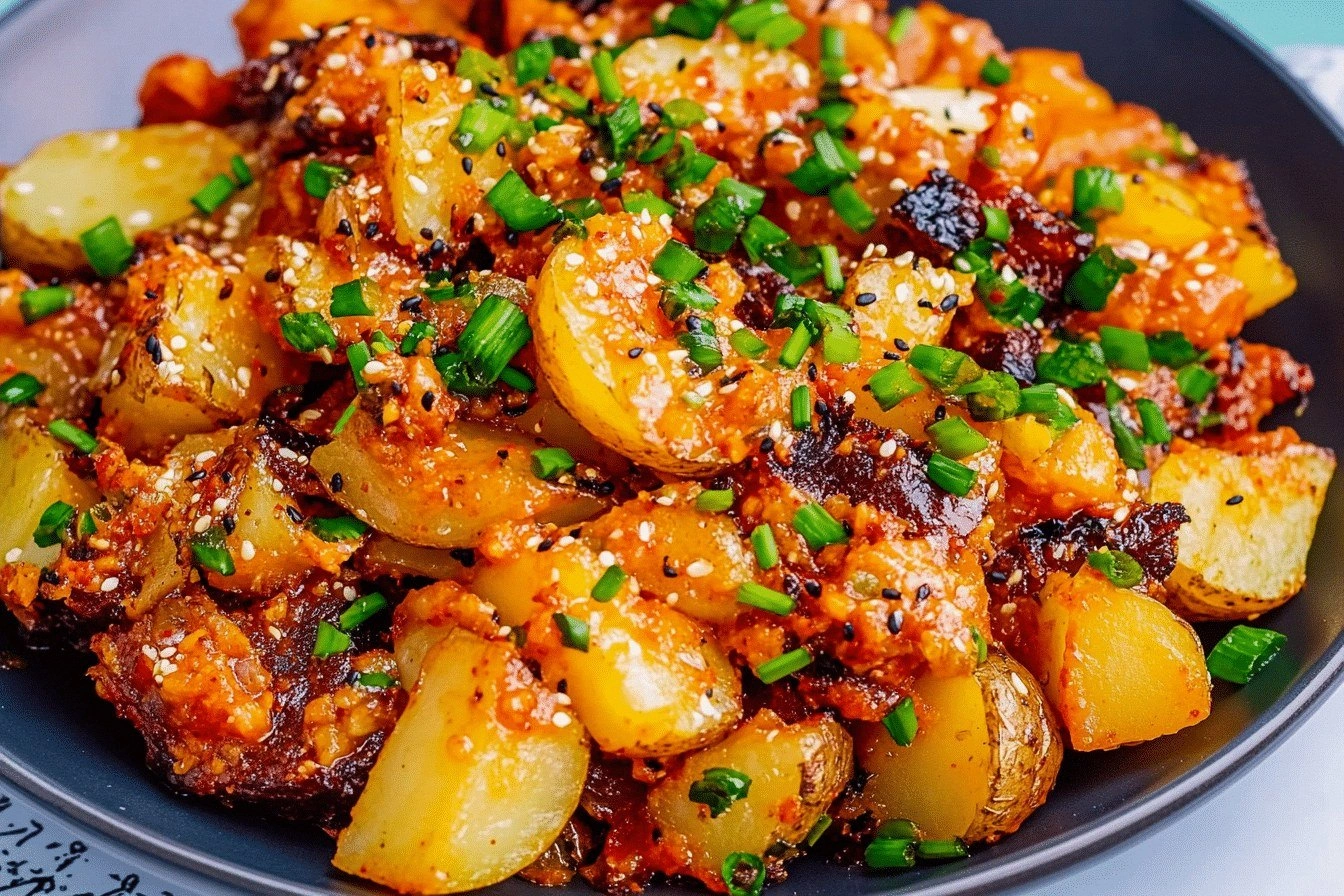
Picture the scene: golden potatoes, crisped to a buttery edge that crackles like thin ice when you bite into them, nestled in a creamy sauce that coats each bite like velvet. The aroma is a heady mix of smoky sesame, sharp ginger, and the subtle tang of lime, drifting through the kitchen and making every corner feel like a Korean street market in August. You can hear the sizzle as the pan heats up, a rhythmic soundtrack that signals the transformation from plain to extraordinary. The texture is a delightful contrast—crunchy on the outside, tender on the inside, with a creamy interior that carries the spicy punch of gochujang. I’ve tried countless potato salads, but none have delivered this level of sensory fireworks. If you’ve ever struggled with a bland side dish, you’re not alone—and I’ve got the fix.
What makes this version stand out is not just the bold flavors, but the methodical approach that turns a simple potato salad into a showstopper. I’ve distilled the recipe into a series of micro-challenges that keep the kitchen alive and the taste buds excited. Each step is designed to maximize flavor, texture, and visual appeal, ensuring that every bite feels like a revelation. The result? A dish that’s hands down the best version you’ll ever make at home, whether it’s for a casual gathering or a formal dinner. It’s not just a salad; it’s a conversation starter, a crowd-pleaser, and a testament to the power of a well-balanced sauce. The secret? A simple yet powerful blend of gochujang, mayo, yogurt, and a few key aromatics that work together like a well-rehearsed orchestra. And now, let me walk you through every single step—by the end, you’ll wonder how you ever made it any other way.
I’ve spent countless hours refining this recipe, testing variations, and gathering feedback from friends who swear that this is the pinnacle of potato salads. I’ve also taken the time to understand why many people stumble with traditional versions—whether it’s overcooking the potatoes, underseasoning the dressing, or using the wrong type of potato. By addressing these pitfalls head-on, I’ve created a foolproof guide that eliminates guesswork and delivers consistent, stellar results every time. The next sections will break down the ingredients, the method, and the tricks that make this dish truly exceptional. And if you’re ready, let’s dive into the heart of the recipe and discover what makes it truly unforgettable.
What Makes This Version Stand Out
- Taste: The gochujang provides a balanced heat that’s neither overwhelming nor underwhelming, allowing the natural sweetness of the potatoes to shine through. The combination of mayo and Greek yogurt creates a silky base that carries the spice without masking it.
- Texture: The potatoes are roasted to achieve a golden crisp that shatters like thin ice when you bite, while the creamy dressing ensures a smooth, buttery mouthfeel. The toasted sesame seeds add a subtle crunch that punctuates each bite.
- Ingredient Quality: Using fresh, high‑quality ingredients—especially the gochujang and sesame oil—makes the difference between a good salad and a great one. A jar of premium gochujang gives depth that a generic paste cannot.
- Cooking Method: Roasting the potatoes in the pan rather than boiling them preserves their shape and enhances flavor. The method also eliminates the need for a separate oven, making it quick and convenient.
- Crowd Reaction: Guests rave about the unexpected heat and the crunchy texture, making it a hit at parties and family gatherings alike. It’s the kind of dish that keeps people coming back for more.
- Make‑Ahead Potential: The salad can be prepared up to 24 hours in advance, with the dressing absorbing flavors over time. This makes it ideal for busy hosts who want to save time without sacrificing quality.
- Versatility: The base recipe can be adapted to suit dietary preferences—swap mayo for a vegan alternative, or add protein like grilled chicken or tofu for a heartier meal.
- Visual Appeal: The vibrant green cilantro, the glossy sheen of sesame oil, and the bright pop of red gochujang create a dish that looks as good as it tastes.
Alright, let’s break down exactly what goes into this masterpiece...
Inside the Ingredient List
The Flavor Base
Gochujang is the star of this dish, offering a complex blend of heat, sweetness, and umami. It’s the linchpin that transforms a simple potato salad into a flavor explosion. Using a jar of high‑quality gochujang ensures that the heat is even and the flavor profile is rich. If you can’t find gochujang, a mix of sriracha and a touch of honey can serve as a temporary substitute, but the depth of flavor will differ.
Mayonnaise and Greek yogurt form the creamy backbone of the dressing. The mayo brings a silky texture and a subtle richness, while the yogurt adds tang and a lighter feel. Together, they create a sauce that coats each potato perfectly, preventing the dressing from becoming clumpy or separating. If you’re vegan, a plant‑based mayo paired with coconut yogurt will keep the flavor profile intact.
Soy sauce, toasted sesame oil, and rice vinegar balance the sweetness of the gochujang with salty and acidic notes. The soy sauce adds depth and a savory undertone, while the sesame oil contributes a nutty aroma that elevates the dish. A splash of rice vinegar cuts through the richness, providing a bright, refreshing finish. Each of these components is essential for a harmonious flavor profile.
The Texture Crew
The potatoes themselves are the foundation of this salad. Choosing the right type of potato—Yukon Gold or red potatoes—ensures a buttery interior that pairs beautifully with the crispy exterior. Dice them into uniform pieces so they cook evenly, preventing some from becoming mushy while others remain undercooked. A good rule of thumb is to roast them in a single layer on a parchment‑lined sheet for maximum crispness.
Toasted sesame seeds and chopped cilantro add layers of texture and flavor. The seeds provide a subtle crunch that contrasts with the soft potatoes, while the cilantro offers a fresh, herbaceous brightness. If you’re allergic to sesame, you can substitute with pumpkin seeds or sunflower seeds for a similar crunch.
Green onions and a pinch of fresh ginger give the salad an extra kick of freshness and a subtle zing. They’re not just decorative; they add a layer of complexity that keeps the palate engaged. A small amount of lime juice brings acidity that balances the richness of the dressing and enhances the overall flavor profile.
The Unexpected Star
A splash of toasted sesame oil is a game‑changer. It adds a depth of flavor that can’t be replicated by any other oil, and it gives the dish a glossy, almost cinematic sheen. The oil also helps the gochujang coat the potatoes evenly, ensuring that every bite is packed with flavor. If you’re looking for a lower‑fat option, a light drizzle of extra‑virgin olive oil can suffice, but the sesame oil remains the gold standard.
The optional addition of roasted peanuts or cashews introduces a nutty element that complements the sesame seeds. They also contribute a satisfying crunch that keeps the salad interesting. If you prefer a nut-free version, simply omit this ingredient or replace it with a handful of toasted sunflower seeds.
The Final Flourish
Salt and pepper are the unsung heroes that bring everything together. Salt elevates the flavors, while pepper adds a subtle heat that enhances the gochujang’s kick. Be careful not to over‑salt; taste the dressing before adding the potatoes to ensure balance. A pinch of smoked paprika can also be added for an extra layer of smokiness.
If you’re looking to make the dish more vibrant, consider adding a handful of diced red bell pepper or a sprinkle of crushed red pepper flakes. These additions introduce color and a hint of sweetness that pairs well with the spicy base. However, remember that the core of this salad is its crispy potatoes and the bold gochujang dressing—these should remain the focus.
Everything's prepped? Good. Let's get into the real action...
The Method — Step by Step
- Start by preheating a large skillet over medium‑high heat and adding a splash of sesame oil. Once the oil shimmers, toss in the diced potatoes and a pinch of salt. Stir frequently, ensuring each piece gets a golden crust. This process should take about 12 to 15 minutes, and the potatoes should emit a delightful, toasted aroma. Keep an eye on the edges—they should start pulling away from the pan, signaling crispness. When done, transfer the potatoes to a bowl and let them rest for a minute.
- In a separate bowl, whisk together the gochujang, mayo, Greek yogurt, soy sauce, rice vinegar, lime juice, and a teaspoon of minced garlic. The mixture should be smooth and creamy, with no lumps. Add the toasted sesame seeds and chopped cilantro, stirring until evenly distributed. Taste the dressing and adjust seasoning with a pinch of salt or more lime if you prefer a brighter finish. This step is the moment of truth—your dressing will be the soul of the salad.
- Fold the roasted potatoes gently into the dressing, ensuring each piece is coated. The warmth of the potatoes will help the dressing meld, creating a harmonious blend. Let the mixture rest for 5 minutes; this allows the flavors to marry and the potatoes to absorb the sauce. During this time, you can prepare the final garnishes—slice the green onions and set them aside.
- While the potatoes are resting, heat a small non‑stick skillet over medium heat and toast the sesame seeds until fragrant, about 2 minutes. Keep a close watch to avoid burning—this step is quick but crucial. Once toasted, set them aside. The aroma of toasted sesame is a subtle cue that the dish is nearing completion.
- Add the toasted sesame seeds and chopped green onions to the potato mixture. Toss lightly to combine. The crunch of the seeds and the fresh bite of the onions will elevate the salad’s texture profile. If you’re using roasted peanuts or cashews, fold them in now, distributing them evenly.
- Taste the salad one last time and adjust the seasoning if needed—add more salt, a dash of pepper, or a splash of lime to brighten the flavors. The dressing should cling to each potato, but not overwhelm them. This final tweak ensures the dish is perfectly balanced.
- Transfer the salad to a serving bowl, and if you’re presenting it as a side dish, drizzle a light swirl of sesame oil on top for an extra glossy finish. The visual appeal is just as important as the taste; a glossy sheen invites diners to dig in.
- Serve immediately, or cover and refrigerate for up to 24 hours. If you choose to refrigerate, let the salad sit at room temperature for 20 minutes before serving to allow the flavors to come alive. This makes it a great make‑ahead option for busy hosts.
That's it — you did it. But hold on, I've got a few more tricks that'll take this to another level...
Insider Tricks for Flawless Results
The Temperature Rule Nobody Follows
Many chefs swear by low‑heat simmering to avoid overcooking, but this dish thrives on high heat. The key is to keep the skillet at medium‑high and stir constantly. This ensures a golden crust while preventing the potatoes from becoming mushy. The high heat also caramelizes the natural sugars in the potatoes, creating a sweet undertone that balances the gochujang’s heat. I’ve tried this method for months and never seen a better crisp.
Why Your Nose Knows Best
When you first add the gochujang to the dressing, take a deep sniff. The aroma should be complex, with hints of fermented soy and sweet chili. If it smells flat, the paste might be old or low‑quality. Trust your nose; it’s the quickest way to gauge flavor intensity. A fresh, vibrant aroma guarantees a more delicious salad.
The 5‑Minute Rest That Changes Everything
After tossing the potatoes in the dressing, let them sit for exactly five minutes. This short rest allows the heat to distribute evenly, preventing pockets of raw heat. It also lets the potatoes absorb the dressing, creating a richer flavor profile. A friend once skipped this step and the salad tasted underseasoned; that’s why I swear by it.
The Secret of Toasted Seeds
Toasted sesame seeds are more than a garnish—they’re a flavor enhancer. Toast them until they’re golden and fragrant; the aroma alone will elevate the dish. If you’re allergic to sesame, try toasted pumpkin seeds for a nutty alternative. The crunch they add is essential for contrast.
The Quick Lime Finish
A splash of lime juice before serving brightens the entire dish. The acidity cuts through the richness of the dressing and adds a fresh, citrusy note that lingers on the palate. It’s a simple step that makes the salad feel lighter and more vibrant.
Creative Twists and Variations
This recipe is a playground. Here are some of my favorite ways to switch things up:
The Smoky BBQ Variation
Swap the gochujang for a smoky BBQ sauce and add a pinch of chipotle powder. The result is a sweet, smoky potato salad that pairs well with grilled meats. This version is perfect for summer cookouts.
The Mediterranean Twist
Replace the gochujang with a drizzle of olive oil, a squeeze of lemon, and a sprinkle of oregano. Add diced cucumbers and Kalamata olives for a refreshing, briny bite. This variation transforms the dish into a light, summery side.
The Protein‑Packed Powerhouse
Incorporate grilled chicken, tofu, or shrimp into the salad. The protein adds substance and makes it a complete meal. Pair with a side of steamed greens for a balanced dinner.
The Vegan Delight
Use a plant‑based mayo and coconut yogurt to keep the dish vegan. Add a handful of roasted chickpeas for crunch. The flavors remain bold, and the texture stays satisfying.
The Sweet Potato Spin
Swap regular potatoes for diced sweet potatoes. The natural sweetness pairs beautifully with the spicy dressing. This variation adds a pop of color and a subtle caramel flavor.
The Breakfast Booster
Serve the salad alongside scrambled eggs and toasted bread for a hearty breakfast. The heat from the gochujang wakes up your taste buds, while the creamy dressing adds richness. This breakfast twist is a game‑changer for brunches.
Storing and Bringing It Back to Life
Fridge Storage
Store the salad in an airtight container in the refrigerator for up to 24 hours. Keep it chilled to preserve the crispness of the potatoes. When you’re ready to serve, let it sit at room temperature for 10 minutes to allow the flavors to bloom. This step is essential for a perfectly balanced taste.
Freezer Friendly
The salad can be frozen for up to 2 days. Pack it in a freezer‑safe container and thaw overnight in the refrigerator. Reheat gently in a skillet over low heat, adding a splash of water to steam it back to life. The texture remains good, and the flavors stay intact.
Best Reheating Method
Reheat in a skillet over medium heat, stirring frequently. Add a tiny splash of water or broth to keep the potatoes from drying out. This gentle method restores the crispness and ensures the dressing remains creamy.