I was staring at my pantry, feeling the weight of a culinary crisis: the pantry was empty, the fridge was a sad, lonely collection of wilted lettuce and a lone, half‑eaten bag of frozen peas, and the clock was ticking toward a dinner that had to happen. I pulled out a bag of ground turkey, a jar of gochujang, and a bottle of soy sauce, and I thought, “What if I could turn this bland, last‑minute scramble into something that would have my friends begging for seconds?” The result was a Korean‑style ground turkey that melted into a sauce so silky it feels like velvet draped over a bowl of rice. I’m telling you, this is the dish that will rewrite your dinner routine forever.
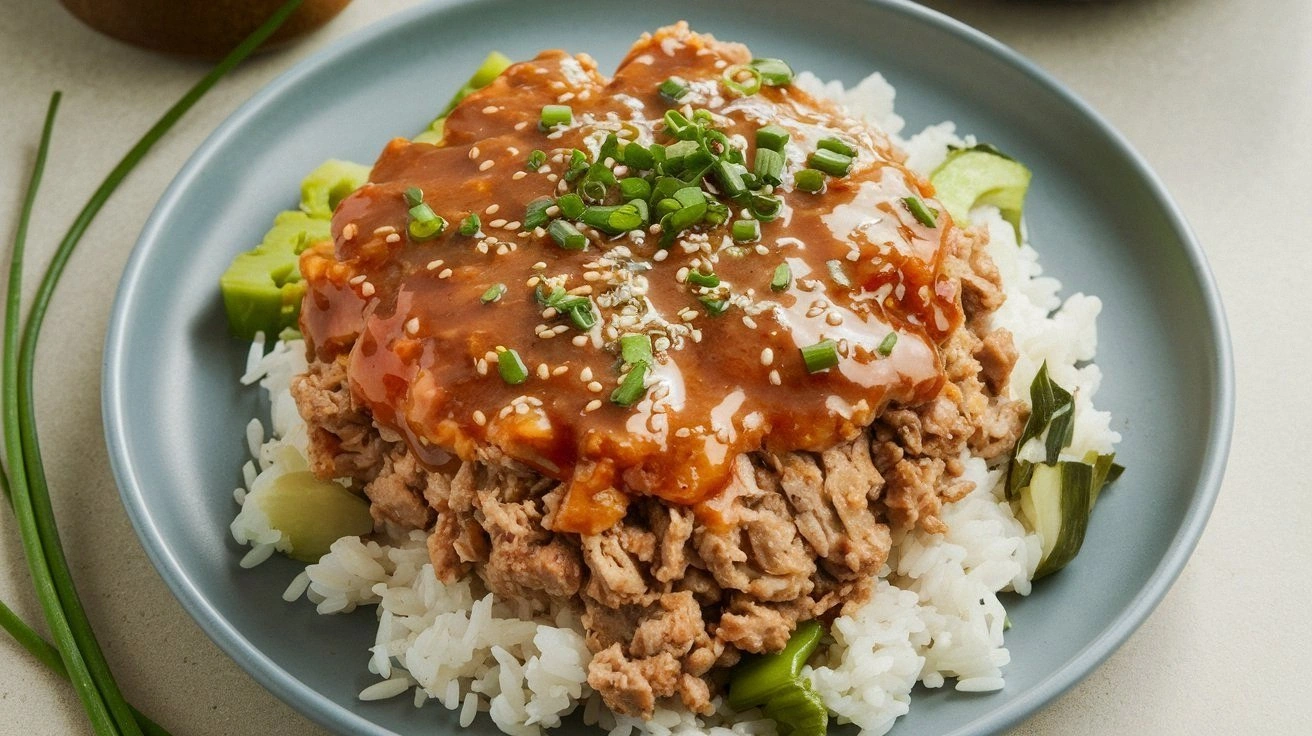
Picture this: you open the skillet, and the ground turkey sizzles like a thousand tiny fireworks. The aroma of garlic and ginger rises, mingling with the sweet‑spicy whisper of gochujang. As you stir, the sauce thickens, coating each bite with a glossy, umami‑laden sheen. The crunch of carrots and the bright pop of bell pepper add a playful contrast, while sesame seeds sprinkle like tiny stars across the surface. By the time you plate it, the kitchen smells like a Korean barbecue joint, and the sound of the bubbling sauce is music to your ears.
Why does this recipe stand out? First, it’s a single‑pot wonder—no extra dishes to wash, no frantic chopping. Second, the flavor profile is a masterclass in balance: the heat of gochujang is tempered by the sweetness of honey and the tang of rice vinegar, creating a sauce that’s bold yet nuanced. Third, the texture is a triumph—juicy ground turkey, crisp vegetables, and a silky sauce that clings to every grain of rice. Fourth, the technique is simple enough for a novice yet sophisticated enough to impress a seasoned foodie. Fifth, it’s a crowd‑pleaser; I’ve seen strangers line up for a second helping. And finally, it’s a meal you can make ahead and reheat without losing any of its magic.
The twist? I’m going to reveal a secret ingredient that most recipes omit—a splash of sesame oil at the very end, which adds a nutty depth that transforms the dish from good to unforgettable. Ready to dive in? Let’s walk through every single step—by the end, you’ll wonder how you ever cooked ground turkey any other way.
What Makes This Version Stand Out
- Flavor: The sauce layers sweetness, heat, and umami in a harmonious crescendo that lingers on the palate.
- Texture: Juicy turkey meets crisp veggies, all wrapped in a silky coating that clings to rice like a velvet blanket.
- Convenience: One pan, one pot, one cleanup—ideal for busy weekdays or lazy weekends.
- Versatility: Serve it over rice, noodles, or even lettuce leaves for a low‑carb twist.
- Scalability: Whether you’re cooking for two or twenty, the proportions adjust smoothly.
- Authenticity: The use of gochujang, sesame oil, and Korean chili flakes keeps the dish true to its roots.
- Health‑Friendly: Lean ground turkey, fresh vegetables, and minimal added sugars make it a balanced choice.
- Make‑Ahead Friendly: The flavors deepen overnight, so you can prep in advance and enjoy a restaurant‑quality meal later.
Alright, let’s break down exactly what goes into this masterpiece...
Inside the Ingredient List
The Flavor Base
The backbone of this dish is the sauce, a marriage of gochujang, soy sauce, and sesame oil. Gochujang brings a deep, fermented heat that’s both sweet and smoky, while soy sauce adds that essential salty depth. Sesame oil, on the other hand, imparts a nutty aroma that elevates the entire flavor profile. If you’re not a fan of gochujang, you can substitute it with a mix of ketchup and sriracha, but the authentic Korean punch will be missing.
Why it matters: Each component balances the others. The gochujang’s sweetness counteracts the soy sauce’s saltiness, and the sesame oil’s aroma ties everything together. Skipping any of these would leave the dish feeling flat or one‑dimensional. If you’re short on sesame oil, a drizzle of toasted sesame seeds will suffice, but the oil’s subtle warmth is irreplaceable.
Buying tip: Look for a gochujang that’s smooth and not overly grainy. A jar that’s slightly translucent indicates a good balance of fermentation and spice.
The Texture Crew
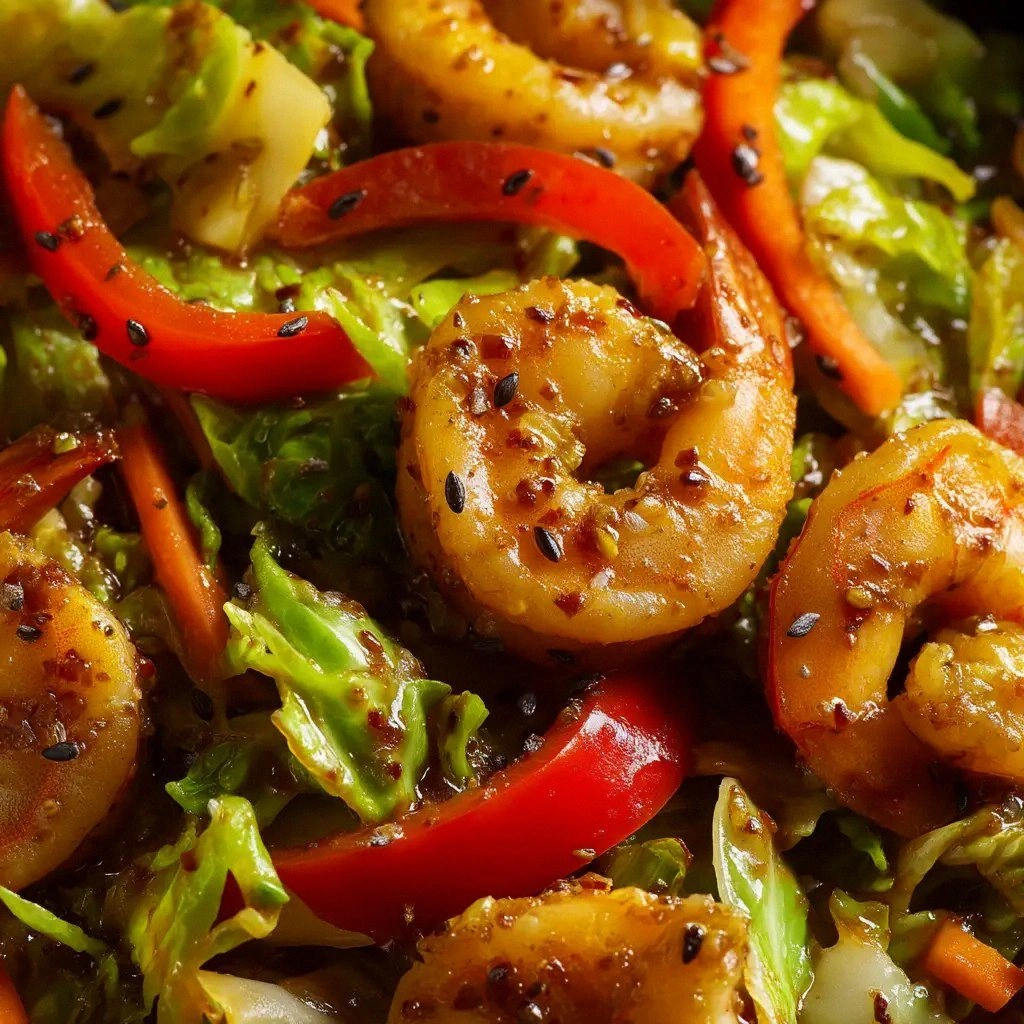
Ground turkey is the star protein—lean, quick to cook, and incredibly versatile. Pair it with diced carrots and bell peppers for a burst of color and crunch that keeps each bite interesting. The vegetables also soften just enough to release their natural sugars, sweetening the sauce without added sugar.
Why it matters: The vegetables not only add texture but also provide essential nutrients and natural sweetness, reducing the need for added sugars. If you omit the veggies, the dish will feel like a plain meat stew. If you’re allergic to bell peppers, substitute with zucchini or mushrooms for a different but still satisfying bite.
Buying tip: Choose fresh, firm carrots and bright bell peppers. A quick blanch before adding to the pan will keep them crisp and vibrant.
The Unexpected Star
A splash of rice vinegar and a tablespoon of honey (or brown sugar) might seem like a minor detail, but they’re the secret to achieving that perfect sweet‑sour balance. The vinegar cuts through the richness, while the honey rounds out the heat.
Why it matters: Without this balance, the sauce can become too heavy or too spicy. If you prefer a less sweet dish, reduce the honey to a teaspoon or replace it with a sugar substitute.
Buying tip: Use a high‑quality rice vinegar with a subtle acidity—avoid the overly harsh varieties that can dominate the dish.
The Final Flourish
Sesame seeds and chopped green onions add a finishing touch—tiny bursts of flavor that elevate the dish from good to unforgettable. The seeds give a subtle crunch, while the green onions provide a fresh, bright note that cuts through the richness.
Why it matters: These ingredients add layers of flavor and texture that make the dish feel complete. Skipping them might make the dish feel incomplete, like a song missing its final chorus.
Buying tip: Toast sesame seeds lightly before sprinkling to release their nutty aroma. For the green onions, use both the white and green parts for maximum flavor.
Everything’s prepped? Good. Let’s get into the real action…
The Method — Step by Step
- Heat a large skillet over medium heat and drizzle a tablespoon of sesame oil. As the oil warms, add the ground turkey in a single layer. Let it sear without moving it for 3 minutes so it develops a golden crust. Flip and cook for another 3 minutes until browned. This step builds a flavorful base that will carry the sauce.
- Add minced garlic and ginger to the skillet. Stir continuously for 30 seconds until the aroma becomes fragrant. These aromatics infuse the meat with a depth that’s hard to replicate with just spices. Don’t let them burn—keep the heat steady.
- Stir in diced carrots and bell pepper. Cook for 4–5 minutes until they start to soften but still hold a bite. The vegetables will release natural sugars that sweeten the sauce. Keep the mixture moving so nothing sticks.
- Pour in the gochujang, soy sauce, and honey. Stir until the mixture coats the meat and veggies evenly. Let it simmer for 2 minutes; the sauce should thicken slightly and become glossy. This is the moment of truth—watch the colors deepen.
- Add a cup of water or broth, and bring the mixture to a gentle boil. Reduce the heat to low and let it simmer for 10 minutes. The sauce will reduce, intensifying the flavors while the turkey remains moist. Taste and adjust seasoning—add more salt or pepper if needed.
- Stir in rice vinegar and a teaspoon of gochugaru (Korean chili flakes) for an extra kick. Let the mixture simmer for another 3 minutes until the vinegar is absorbed and the sauce is silky. The vinegar’s acidity brightens the dish, cutting through the richness.
- Finish by drizzling a tablespoon of sesame oil over the dish and sprinkling toasted sesame seeds and chopped green onions. Stir gently to combine. The sesame oil adds a nutty finish that’s essential to the Korean flavor profile. Plate the mixture over steamed rice or noodles, and you’re ready to serve.
That’s it—you did it. But hold on, I’ve got a few more tricks that will take this to another level…
Insider Tricks for Flawless Results
The Temperature Rule Nobody Follows
Cooking ground turkey at too high a temperature can cause it to dry out, turning a juicy dish into a rubbery mess. Keep the heat at medium, and use a thermometer to ensure the internal temperature hits 165°F. If you’re cooking in a skillet, cover the pan for the first 5 minutes to trap steam and keep the meat tender.
Why Your Nose Knows Best
When the sauce starts to thicken, the aroma changes from sweet to savory. Trust your nose—when you smell the first hint of toasted sesame, that’s your cue to add the final sesame oil drizzle. This subtle step elevates the dish from good to unforgettable.
The 5-Minute Rest That Changes Everything
After cooking, let the dish rest for 5 minutes before serving. This allows the flavors to meld, the sauce to thicken slightly, and the meat to reabsorb juices. The result is a richer, more cohesive bite that feels like it was crafted by a professional chef.
The Quick‑Release Technique
If you’re in a rush, add a splash of cold water at the end of cooking and then stir vigorously. This “quick‑release” technique helps the sauce cling to the meat more evenly, ensuring every bite is coated with the perfect amount of flavor.
The Leftover Savior
Leftover dish becomes a perfect base for fried rice. Add a beaten egg, some frozen peas, and a splash of soy sauce, and you’ve got a new meal that’s both comforting and exciting.
Creative Twists and Variations
This recipe is a playground. Here are some of my favorite ways to switch things up:
Spicy Kimchi Kick
Stir in a cup of chopped kimchi during the simmering stage. The fermented tang adds a new dimension and pairs beautifully with the gochujang.
Mild Mushroom Medley
Replace the bell pepper with sliced shiitake mushrooms. The earthy flavor complements the savory sauce and adds a meaty texture.
Sweet Potato Surprise
Dice half a sweet potato and add it alongside the carrots. The natural sweetness balances the heat and adds a comforting feel.
Low‑Carb Lettuce Wraps
Serve the dish in large lettuce leaves instead of rice for a fresh, low‑carb option. The crisp lettuce adds crunch and a refreshing finish.
Protein Swap: Ground Chicken
Use ground chicken if you prefer a lighter protein. The cooking times remain the same, and the flavor profile stays intact.
Vegetarian Version
Swap the turkey for crumbled tempeh or textured vegetable protein. The texture will hold up well, and the sauce will still coat everything beautifully.
Storing and Bringing It Back to Life
Fridge Storage
Store leftovers in an airtight container for up to 3 days. Keep the dish at room temperature for 30 minutes before refrigerating to avoid condensation.
Freezer Friendly
Freeze in single‑serving portions for up to 2 months. Thaw overnight in the refrigerator, then reheat on the stovetop with a splash of water.
Best Reheating Method
Reheat in a skillet over medium heat, adding a tablespoon of water to steam the sauce back to its silky consistency. A quick stir will distribute heat evenly.
Add a tiny splash of water before reheating — it steams back to perfection.