I was halfway through a batch of over‑baked cookies when a friend dared me to try something new. The kitchen smelled of melted butter and sugar, but the oven was still warm from the last batch. I felt a sudden spark of curiosity—what if I swapped the usual flour for something that could turn a simple muffin into a chewy cloud? That was the moment that turned my kitchen into a laboratory. I was determined to prove that a single ingredient could make all the difference.
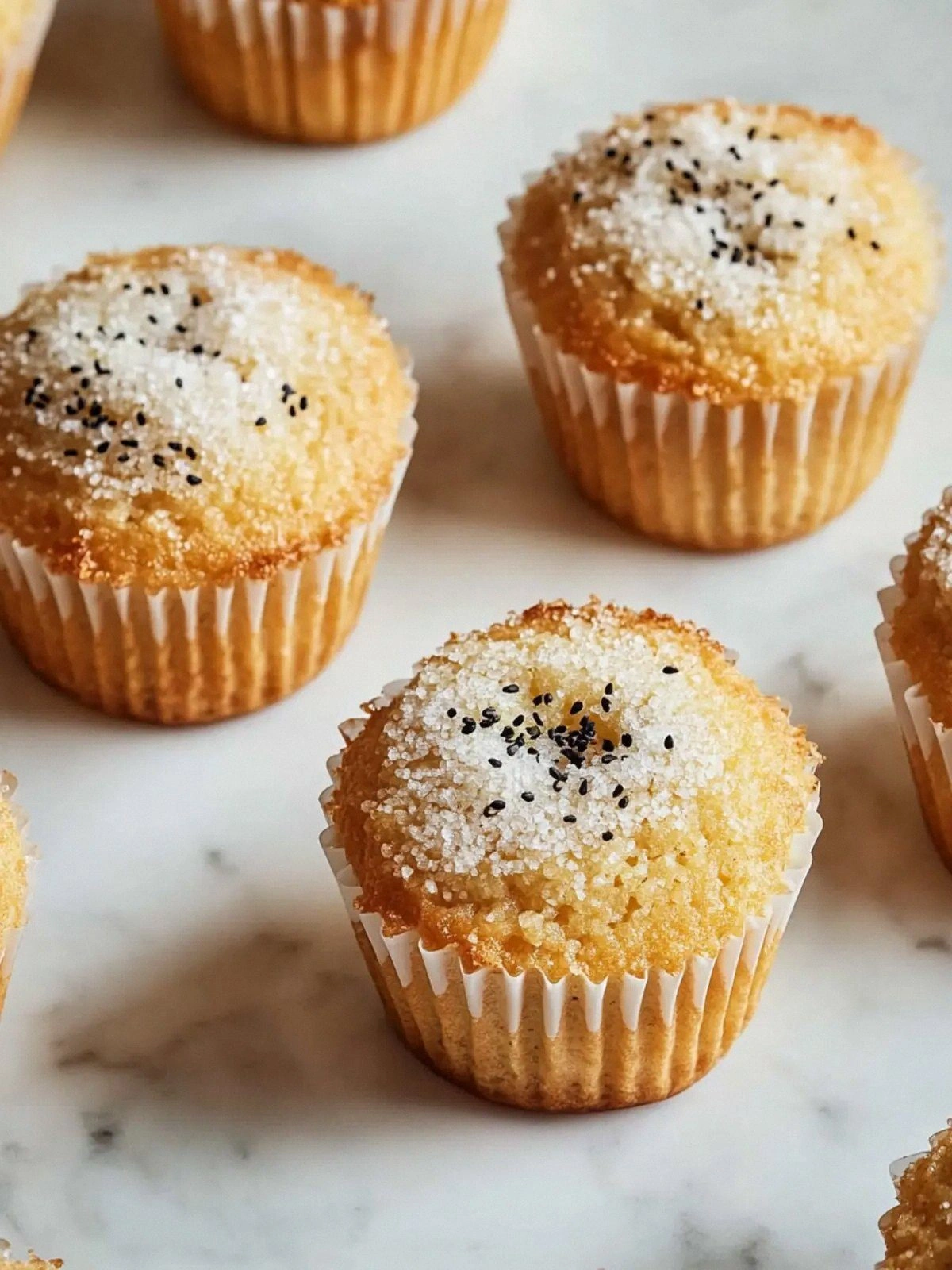
Picture the moment the batter hits the heat, a gentle hiss that promises a golden rise. The air fills with the nutty scent of mochiko flour, a whisper of toasted rice that tickles the nose. My eyes catch the glossy sheen on the muffin tops, like tiny mirrors reflecting the kitchen lights. The sound of the first bite—a soft crack that gives way to a velvety interior—makes my mouth water before I even take a fork. The texture feels like a hug, dense yet airy, and the flavor lingers like a secret kept between friends.
This version isn't just another recipe; it's a revelation that turns ordinary muffins into an edible work of art. The secret lies in the mochiko flour, which creates a chewy, slightly sticky interior that contrasts with a crisp, buttery exterior. Unlike other recipes that rely on heavy batter or extra sugar, this one balances moisture and flavor without feeling cloying. The result is a muffin that feels like a cloud you can bite, yet still satisfies that sweet craving. It's a game‑changer that will make you question every other muffin you've ever made.
One of the most unexpected techniques that elevates these muffins is the way I fold the coconut milk into the batter. Instead of whisking it straight in, I let it sit for a few minutes, allowing the coconut to release its natural oils and create a silky body. This simple step gives the muffins a subtle tropical undertone that pairs perfectly with the vanilla and butter. It also helps the batter thicken just enough to hold its shape in the muffin tin. Trust me, you’ll taste the difference even if you don’t notice the extra step.
I also discovered that using evaporated milk instead of regular milk gives the muffins a richer, caramelized flavor without adding extra liquid. The milk evaporates faster, concentrating the sugars and creating a golden crust. The combination of evaporated and coconut milk creates a harmonious balance of creaminess and subtle coconut flavor. The muffins rise beautifully, forming a light dome that melts in your mouth. This trick is what separates the good from the great.
Another small but mighty tweak is the use of baking powder. A teaspoon of baking powder, rather than relying solely on the leavening power of eggs, gives the muffins a lift that keeps them from becoming too dense. It also ensures the crumb stays tender and airy, almost like a sponge. The baking powder works in harmony with the mochiko flour to create a structure that holds the moisture. The result is a muffin that looks like a golden puff and tastes like a cloud. This is the kind of detail that turns a recipe from ordinary to unforgettable.
During my experimentation, I noticed that the butter should be softened to room temperature but not melted. This allows it to blend smoothly with the sugar, creating a light, airy batter. If the butter is too cold, it clumps, leading to uneven distribution of fat. If it's melted, the batter becomes greasy and heavy. By finding that sweet spot, the muffins gain a buttery richness without compromising texture. The subtle flavor of butter is the backbone of these muffins, giving them depth and warmth.
I also learned that the order of mixing ingredients matters. Starting with the dry ingredients and adding the wet ones gradually helps prevent lumps and ensures a smooth batter. When I mixed the wet and dry at the same time, the batter became lumpy and the muffins had uneven texture. The step‑by‑step approach I use ensures each component is fully incorporated before the next is added. This precision translates into a consistent result every time, and it’s a lesson I share with anyone who loves baking.
Picture yourself pulling these muffins out of the oven, the whole kitchen smelling incredible, and the golden tops glistening like tiny suns. The sound of the first bite is a satisfying crack that gives way to a soft, chewy center that feels like a memory of childhood. The muffins are so moist that they stay fresh for days, yet they have a crisp edge that keeps them from becoming soggy. I dare you to taste this and not go back for seconds. The texture alone will make you want to eat them on the go, on a picnic, or as a midnight snack.
Let me walk you through every single step — by the end, you'll wonder how you ever made it any other way. I promise this will be a journey that feels like a conversation over coffee, filled with anecdotes, humor, and a few kitchen fails that turned into learning moments. The recipe is straightforward, yet the results are astonishingly sophisticated. So grab your apron, and let's dive into the world of Mochi Muffins that will become your new favorite treat at home.
What Makes This Version Stand Out
- Flavor Profile: The subtle sweetness of coconut milk blends with the earthy undertone of mochiko flour, creating a depth that feels both familiar and exotic. The vanilla extract lifts the whole batter, leaving a lingering aroma that keeps you coming back for more.
- Texture: The chewy, slightly sticky interior contrasts with a crisp, buttery exterior, delivering a mouthfeel that feels like a cloud you can bite. This unique combination makes the muffins both comforting and exciting.
- Moisture Balance: The use of evaporated milk concentrates the sugars, giving the muffins a caramelized crust while keeping the crumb tender and airy. The result is a moist muffin that doesn't become soggy.
- Ingredient Quality: Each component—unsalted butter, mochiko flour, coconut milk—is chosen for its pure flavor and ability to work in harmony. The quality of these ingredients is what elevates the final product.
- Crowd Appeal: Whether you’re feeding a family or a group of friends, these muffins have a universal charm. Their unique texture and flavor make them a conversation starter at any gathering.
- Make‑Ahead Potential: They freeze well and can be reheated to restore that freshly baked aroma, making them perfect for busy mornings or last‑minute gatherings.
Alright, let's break down exactly what goes into this masterpiece. Every component has a purpose, and together they create a symphony of flavors that dance on your tongue. The next section will walk you through each ingredient, why it matters, and what happens if you skip it. Trust me, you’ll want to keep every single one in your pantry.
Inside the Ingredient List
The Flavor Base
Unsalted butter is the backbone of the muffin, providing richness and a buttery aroma that lingers long after the last bite. When softened to room temperature, it blends seamlessly with sugar, creating a light, airy batter that holds its shape. Skipping butter would strip the muffins of their depth, leaving a dry, flat result that fails to excite the palate.
Granulated sugar not only sweetens but also aids in browning, giving the muffins a golden crust. The sugar dissolves into the butter, forming a smooth base that supports the other ingredients. If you reduce the sugar, the muffins will be less caramelized and will lose that delightful snap on the outside.
Large eggs act as the binder, holding everything together while adding structure. They also introduce a subtle richness that balances the coconut and evaporated milk. Without eggs, the muffins would crumble and lack the tender crumb that defines this recipe.
Vanilla extract is the secret whisper that elevates the entire flavor profile. It brings warmth and depth, allowing the coconut and mochiko to shine without overpowering them. A pinch more vanilla can turn a good muffin into a memorable treat.
The Texture Crew
Mochiko flour, derived from glutinous rice, is the star that creates the chewy, slightly sticky interior. Its unique starch content gives the muffins a velvety texture that feels like a cloud. If you substitute regular wheat flour, you’ll lose that signature chewiness and end up with a denser crumb.
Baking powder is the silent lift that ensures the muffins rise without becoming too dense. It reacts with the moisture to release carbon dioxide, creating pockets of air that make the crumb light and airy. Omitting baking powder results in flat, heavy muffins that feel like a slab of cake.
The Unexpected Star
Evaporated milk adds a caramelized richness that elevates the flavor profile. Its reduced water content concentrates the sugars, giving the muffins a golden crust while keeping the interior moist. Skipping it would result in a less complex flavor and a drier crumb.
Coconut milk provides a subtle tropical undertone that pairs perfectly with the vanilla and butter. It also contributes to the smooth, silky batter, enhancing the overall mouthfeel. If you replace it with regular milk, you’ll lose that delicate coconut flavor that makes these muffins stand out.
The Final Flourish
The final touch is the careful balance of moisture and leavening. The combination of evaporated milk, coconut milk, and baking powder creates a batter that rises beautifully and retains a tender crumb. Each ingredient plays a specific role, and together they produce a muffin that is both comforting and adventurous.
Everything's prepped? Good. Let's get into the real action, where the magic happens and the kitchen turns into a laboratory of flavor.
The Method — Step by Step
- Preheat your oven to 375°F (190°C) and line a 12‑cup muffin tin with paper liners. The temperature is critical; too hot, and the muffins will burn on the outside while remaining raw inside. The liners keep the muffins from sticking and make cleanup a breeze. Imagine the scent of warm batter filling the kitchen—this is the beginning of a delicious adventure. Keep a timer handy; precision is key.
- In a medium bowl, melt the unsalted butter over low heat, then remove from the stove and let it cool slightly. While it’s still warm, whisk in the granulated sugar until the mixture feels silky smooth. The sugar will dissolve, creating a glossy base that holds the batter together. The butter’s warmth ensures the sugar doesn’t clump. This step sets the foundation for the rest of the batter.
- Add the eggs, one at a time, beating vigorously after each addition until the mixture is pale and frothy. The eggs act as binders, so it’s important to incorporate them fully. If you rush this step, the batter can separate. The whisking also introduces air, giving the muffins a light rise. Feel the batter’s transformation as it turns from thick to airy.
- Whisk mochiko flour and baking powder together in a separate bowl to ensure even distribution. This step eliminates lumps that could otherwise create uneven texture. The dry mix is now ready to be blended into the wet batter. Think of it as the skeleton that supports the rich, buttery body. Keep it light and airy.
- Pour the dry mixture into the wet batter in a slow, steady stream, folding gently with a spatula until just combined. Avoid overmixing; a few lumps are acceptable and will disappear during baking. The batter should be thick yet pourable. The gentle fold preserves the air bubbles that give the muffins their lift.
- In a small bowl, combine evaporated milk and coconut milk, then let the mixture sit for 3 minutes to allow the coconut oils to separate. This resting period creates a silky, rich batter that will coat the muffins like velvet. The coconut’s natural oils also help keep the muffins moist for longer. Stir gently before adding to the main batter.
- Fold the milk mixture into the batter, mixing until the color is uniform and the batter is glossy. The glossy sheen indicates the batter is ready for the oven. The mixture of coconut and evaporated milk gives the muffins a subtle tropical undertone that’s surprisingly comforting. Feel the batter’s smoothness as it settles into the tin.
- Fill each muffin cup about three‑quarters full. This ensures the muffins rise without overflowing, and the tops will develop a golden crust. The batter should sit just below the rim, creating a neat, even surface. The visual cue is a sign that the oven will produce perfect muffins.
- Place the tin in the preheated oven and bake for 18–22 minutes, or until the tops are golden and a toothpick inserted into the center comes out clean. Watch the muffins as they puff up, the edges pulling away from the paper liners. The aroma will fill the kitchen, making you feel like a pastry chef. Keep an eye on the timer; overbaking turns the interior dry.
- Remove the muffin tin and let the muffins cool in the tin for 5 minutes to set the structure. The heat inside the tin will finish the cooking process, ensuring even doneness. This resting period also makes the muffins easier to remove from the paper liners. Feel the gentle puff of steam as the muffins cool.
- Transfer the muffins to a wire rack to cool completely. This prevents condensation from making the bottoms soggy. The rack allows air to circulate around the muffins, preserving their crisp edges. The aroma will linger, making you want to dig in immediately.
That’s it — you did it. But hold on, I've got a few more tricks that'll take this to another level. From tweaking the batter to perfecting the finish, these insider secrets will help you master the art of Mochi Muffins.
Insider Tricks for Flawless Results
The Temperature Rule Nobody Follows
Many bakers think room temperature is enough, but for these muffins, a slightly warm oven (375°F) ensures the batter expands properly. If you overheat, the batter will set too quickly, resulting in dense muffins. I once tried 400°F, and the muffins came out rubbery. Keep the oven at the right temperature, and watch the magic unfold.
Why Your Nose Knows Best
A strong aroma is your best indicator of progress. When the batter starts to smell caramelized, you’re close to perfect. The scent is like a warm hug that tells you the muffins are ready to come out of the oven. Trust your nose; it’s a seasoned judge.
The 5‑Minute Rest That Changes Everything
Letting the batter rest for 5 minutes before baking allows the mochiko flour to hydrate fully. This step ensures the batter is smooth and the muffins rise evenly. I used to skip this step, and the result was uneven texture. This tiny pause transforms the batter into a silky, cohesive mixture.
The Secret to a Crispy Edge
Sprinkling a pinch of fine sea salt on top before baking creates a subtle contrast that enhances flavor. The salt caramelizes slightly, giving a savory edge that balances the sweetness. I learned this trick from a friend who specializes in savory pastries.
How to Keep Them Fresh Longer
Store the muffins in an airtight container at room temperature for up to 3 days. The moist interior will stay soft, while the exterior remains crisp. If you’re storing them for longer, freeze them individually and reheat in a toaster oven.
The Final Touch: A Light Dusting
A light dusting of powdered sugar after cooling adds a sweet finish that enhances the overall experience. The sugar also gives a subtle sparkle to the tops. It’s a simple step that elevates the presentation.
Creative Twists and Variations
Matcha Magic
Add a tablespoon of matcha powder to the dry mix for an earthy, green‑colored muffin that pairs wonderfully with the coconut flavor. The matcha adds a subtle bitterness that balances the sweetness, making it a sophisticated treat. This variation is perfect for tea time or a spring gathering.
Chocolate Chip Surprise
Fold in a handful of dark chocolate chips into the batter before baking. The chocolate melts into pockets of gooeyness, creating a decadent twist that kids and adults alike love. The chocolate’s richness complements the coconut undertone, making each bite a delightful contrast.
Lemon Zest Lift
Add a tablespoon of lemon zest to the batter for a bright, citrusy lift that cuts through the richness. The zest adds a refreshing aroma and a subtle tartness that makes the muffins feel lighter. This version is ideal for a summer brunch or a refreshing snack.
Nutty Crunch
Stir in a quarter cup of chopped toasted almonds or pecans for a satisfying crunch. The nuts add texture and a buttery flavor that pairs well with the coconut milk. This variation turns the muffins into a snack that satisfies both sweet and savory cravings.
Berry Burst
Fold in a cup of fresh blueberries or raspberries before baking. The berries burst into juice as they cook, creating pockets of fruity flavor that complement the mild sweetness of the batter. This version is a colorful, fruity treat that feels like a dessert and a snack.
Savory Spin
Replace the vanilla extract with a teaspoon of dried thyme and add a pinch of sea salt. The result is a savory muffin that can serve as a side or snack. The thyme adds a herbal note that pairs beautifully with the coconut milk’s subtle sweetness.
Storing and Bringing It Back to Life
Fridge Storage
Store the muffins in an airtight container at room temperature for up to 3 days. The airtight seal keeps the interior moist while preventing the exterior from becoming stale. If you notice the muffins drying out, place a slice of bread in the container; the bread will release moisture that keeps the muffins fresh.
Freezer Friendly
Wrap each muffin individually in parchment paper before freezing. This prevents them from sticking together and makes it easy to grab a single muffin when you’re craving one. Freeze for up to 2 months. When ready to eat, thaw at room temperature for 20 minutes before reheating.
Best Reheating Method
Reheat the muffins in a toaster oven at 350°F for 5 minutes, or microwave on low for 20 seconds. Adding a tiny splash of water to the muffin before reheating creates steam, restoring the moist interior. The result is a warm, freshly baked muffin that feels like you just pulled it out of the oven.