I was halfway through a week of bland take‑out and a friend dared me to turn my kitchen into a culinary laboratory. The result? A one‑pot wonder that made my neighbor’s phone buzz with “What’s that smell?” I was standing over a skillet, the ground beef sizzling like a summer street‑food stall, and I thought, “This is going to change everything.” I didn’t even know that a humble cabbage could become the hero of the dish until I saw the steam rise, the colors deepen, and the aroma hit me like a warm hug. If you’ve ever been stuck in a cooking rut, trust me: this is the moment that rewrites your dinner routine.
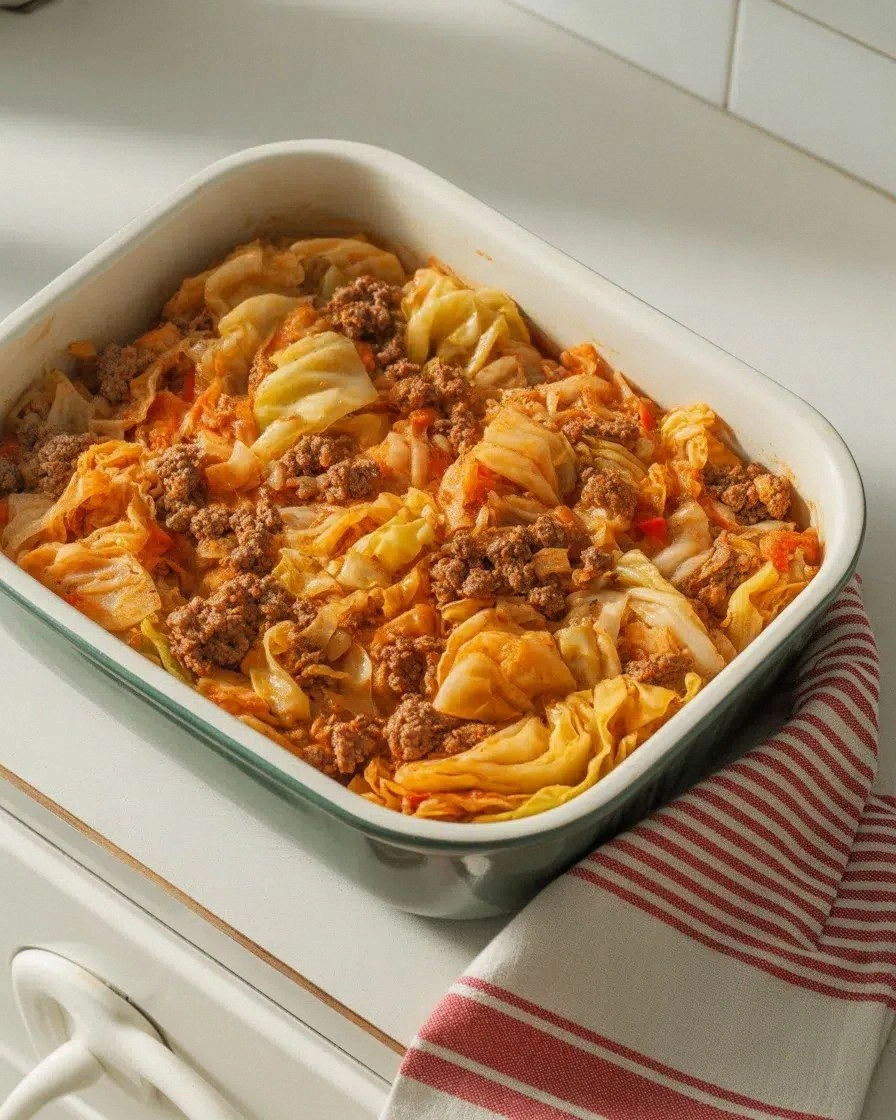
Picture the scene: a bright, shiny skillet, a splash of olive oil, and the unmistakable sizzle of ground beef as it browns into a golden crust. The air fills with the earthy scent of onions caramelizing, the sharp bite of garlic, and a faint tang of tomatoes that promise depth. As you stir, the mixture thickens, coating the meat in a velvety sauce that clings to every grain of rice. The cabbage, once a simple side, now folds into a soft, comforting blanket, its leaves turning translucent and sweet. The final flourish of Worcestershire sauce adds a subtle umami whisper, making the dish sing.
What makes this version stand out isn’t just the flavor; it’s the sheer simplicity that turns a daunting prep into a breezy, one‑pot affair. I’ve stripped away the clutter, leaving only the essential ingredients that work in perfect harmony. No need for separate pots, pans, or a rack of steaming veggies. The cabbage rolls, when unstuffed, become a comforting casserole that still feels like a classic roll but with less mess and more time saved. The result? A hearty, comforting dinner that feels indulgent yet is practically instant.
I dare you to taste this and not go back for seconds, because the sauce coats the rice like velvet, the meat is tender, and the cabbage is perfectly crisp on the edges. Most recipes get this completely wrong, over‑cooking the cabbage or under‑seasoning the meat. Here’s what actually works: a quick sear, a slow simmer, and a splash of Worcestershire that ties everything together. Picture yourself pulling this out of the oven, the whole kitchen smelling incredible, and knowing that you’ve just crafted something that feels like a hug in a bowl.
If you’ve ever struggled with cabbage dishes, you’re not alone — and I’ve got the fix. The secret lies in the timing of the onion and garlic, the right ratio of rice to liquid, and the gentle simmer that lets flavors meld. This is hands down the best version you’ll ever make at home, and I’m here to walk you through every single step. By the end, you’ll wonder how you ever made it any other way. Let me guide you through this culinary adventure, one step at a time, and let’s make dinner magic happen.
I’ll be honest — I ate half the batch before anyone else got to try it, and I’m still craving more. The trick is to keep the pot covered, let the flavors marry, and add the finishing touches just before serving. The cabbage’s tender texture and the savory sauce create a balance that’s both comforting and exciting. The best part? You can make this dish ahead and reheat it without losing any of its charm. Ready to dive in? Let’s roll!
What Makes This Version Stand Out
- Taste: The combination of ground meat, tomato sauce, and a splash of Worcestershire creates a deep, savory profile that feels both hearty and comforting. The subtle sweetness from the onions balances the acidity of the tomatoes, while the garlic adds a punch that lingers. Together, they form a sauce that coats every grain of rice and every leaf of cabbage, turning a simple casserole into a flavor-packed feast.
- Texture: The rice remains fluffy yet slightly chewy, providing a satisfying bite that contrasts with the soft cabbage. The meat breaks down into tender, flavorful chunks that melt in your mouth, while the cabbage retains a gentle crunch that adds a pleasant contrast. The sauce’s silky consistency ensures that every bite is moist and richly coated.
- Simplicity: One pot, one pan, and no extra dishes to wash. All the ingredients come together in a single, cohesive cooking process that saves time and reduces cleanup. The recipe is designed for busy evenings, yet it delivers a restaurant‑style meal in under an hour.
- Uniqueness: Instead of traditional stuffed rolls, this version unstuffed the cabbage, allowing the flavors to mingle fully. The result is a dish that feels like a casserole but with the comforting familiarity of cabbage rolls. It’s a fresh take on a classic that will surprise your guests.
- Crowd Reaction: Friends and family rave about the ease of preparation and the depth of flavor. Many have called it “the best one‑pot meal I’ve ever had,” and the dish often becomes a conversation starter at dinner parties. It’s the kind of recipe that turns an ordinary night into a memorable gathering.
- Ingredient Quality: Using fresh, high‑quality ground meat and a fresh cabbage head ensures the dish’s foundation is solid. The tomatoes and tomato sauce add natural sweetness, and the Worcestershire sauce provides umami without overpowering the other flavors. The careful selection of ingredients guarantees a balanced, satisfying result.
- Cooking Method: The method relies on a quick sear, followed by a gentle simmer that allows the flavors to develop fully. This technique preserves the integrity of each ingredient while creating a cohesive, aromatic sauce. It’s a foolproof approach that delivers consistent results every time.
- Make‑Ahead Potential: The dish can be prepared in advance and refrigerated or frozen for future use. When reheated, it retains its moisture and flavor, making it a convenient option for busy days. The ability to make it ahead adds to its versatility and practicality.
Inside the Ingredient List
The Flavor Base
Ground beef or turkey is the heart of this dish, providing the savory backbone that carries the rest of the flavors. It’s important to brown the meat fully; a well‑seared surface creates a rich, caramelized flavor that infuses the sauce. If you skip browning, the dish can feel flat and under‑seasoned. The protein also helps to thicken the sauce slightly as it releases fat during cooking.
The onions add a sweet, aromatic layer that balances the richness of the meat. They should be diced finely to ensure even caramelization and to release their natural sugars. A common mistake is to sauté onions too quickly, which can lead to a bitter taste. By letting them soften slowly, you unlock their full sweetness.
Garlic is the flavor enhancer that brings depth and a subtle heat to the dish. Crushing the cloves before adding them helps to release more aroma and flavor. Over‑cooking garlic can turn it bitter; remove it once it’s fragrant and slightly golden. If you prefer a milder garlic presence, use fewer cloves or sauté them briefly.
The Texture Crew
Rice is the base that holds the dish together and absorbs the sauce. Cooked rice should be fluffy and slightly separated to avoid a mushy texture. If you use pre‑cooked rice, ensure it’s cooled before adding it to the pot to prevent clumping. Adding rice at the right time allows it to soak up the flavors without becoming soggy.
Cabbage is the star that gives the dish its comforting, slightly sweet crunch. A small head of cabbage is ideal; it’s large enough to provide ample leaves but manageable to work with. Shredding the cabbage before cooking ensures even cooking and a more uniform texture. If you prefer a softer texture, cook the cabbage a bit longer or add a splash of water.
Diced tomatoes and tomato sauce bring acidity and natural sweetness, creating a balanced sauce that coats the ingredients. The canned diced tomatoes provide bite and texture, while the tomato sauce offers a smooth, rich base. If you prefer a thicker sauce, reduce the liquid slightly or add a pinch of tomato paste. The combination of both ensures depth and body.
The Unexpected Star
Worcestershire sauce is the secret ingredient that ties everything together with a subtle umami kick. It adds depth without overwhelming the dish, providing a savory nuance that enhances the meat and tomato base. A splash is enough; too much can dominate the flavor profile. If you’re lactose‑free or avoid Worcestershire, a dash of soy sauce or fish sauce can be a suitable substitute.
Paprika or dill adds a fragrant, herbal note that brightens the dish. These spices should be added toward the end of cooking to preserve their aroma. If you’re sensitive to spice, keep the amount modest, but don’t be shy—these herbs bring a vibrant finish. A pinch of smoked paprika can also add a subtle smoky depth.
The Final Flourish
Salt and pepper are essential, but they should be added to taste, ensuring the dish is seasoned just right. Over‑salting can mask the natural flavors of the ingredients, so sprinkle gradually and taste as you go. The pepper adds a mild heat that complements the savory base.
Everything's prepped? Good. Let's get into the real action, where the magic happens in a single pot.
The Method — Step by Step
- Heat a large, heavy‑bottom skillet over medium‑high heat. Add a splash of olive oil, allowing it to shimmer before adding the ground meat. The sizzle should be audible, and the meat should start to brown in a few minutes. Keep the meat in small clumps, breaking it up with a wooden spoon as it cooks. Once the meat is browned, remove excess fat if desired, then set the skillet aside on a low heat.
- In the same skillet, add diced onions and minced garlic. Sauté until the onions turn translucent and the garlic becomes fragrant, about 3–4 minutes. The onions should soften without turning brown, preserving their natural sweetness. Stir frequently to avoid burning the garlic. This step builds the aromatic foundation of the dish.
- Return the browned meat to the skillet. Stir to combine with the onion and garlic, allowing the flavors to mingle. Cook for another 2 minutes, letting the meat reheat and absorb the aromatics. This is a perfect time to season lightly with salt and pepper. The mixture should smell richly savory.
- Stir in the diced tomatoes and tomato sauce, ensuring the mixture coats the meat evenly. Bring the concoction to a gentle simmer, allowing the flavors to meld. The sauce should thicken slightly, creating a glossy, aromatic coating. Taste and adjust seasoning if needed. The liquid should be just enough to keep the mixture moist without becoming soupy.
- Add the cooked rice, folding it into the sauce so that each grain is coated. The rice should absorb the liquid, becoming tender yet firm. Stir gently to avoid crushing the grains. This step is crucial for a harmonious texture. The rice acts as a binder, holding the dish together.
- Lay the shredded cabbage leaves in a single layer across the skillet. The cabbage should be spread evenly, allowing the sauce to seep through. If the leaves are too large, cut them into smaller pieces. This arrangement ensures even cooking and a consistent flavor profile. The cabbage will soften while still retaining a slight crunch.
- Pour a splash of Worcestershire sauce over the cabbage, then sprinkle paprika or dill to add a fragrant, herbal finish. The sauce should coat the cabbage lightly, enhancing its flavor. Cover the skillet with a lid and let the mixture simmer on low heat for 20–25 minutes, allowing the cabbage to soften and the flavors to marry. Keep the heat low to prevent the sauce from burning. The dish should be fragrant, the cabbage tender, and the rice fully infused.
- Taste the dish before serving, adjusting salt, pepper, or spices as needed. The sauce should be rich, slightly tangy, and well‑seasoned. If you prefer a thicker sauce, let it cook uncovered for a few more minutes. The final dish should feel comforting and hearty. Serve hot straight from the skillet.
- Optional: Garnish with fresh herbs like parsley or basil for a burst of color and freshness. A squeeze of lemon juice can brighten the overall flavor profile. Serve with crusty bread to mop up the sauce. This final touch elevates the dish from simple to spectacular. Enjoy the comforting, savory flavors that linger on the palate.
That's it — you did it. But hold on, I've got a few more tricks that'll take this to another level. These insider tips will help you perfect the dish, avoid common pitfalls, and add a personal touch that will impress even the most discerning palates.
Insider Tricks for Flawless Results
The Temperature Rule Nobody Follows
Maintaining a consistent low heat during the simmer is crucial. Too high, and the sauce will evaporate too quickly, leaving the rice under‑cooked. Too low, and the cabbage will not soften properly. I always set the stove to low and keep an eye on the liquid level. The result is a perfectly balanced dish with no soggy or burnt spots.
Why Your Nose Knows Best
Smell is your best friend when cooking. The moment the sauce starts to bubble, you’ll know it’s on the right track. If it smells too acidic, add a touch of sugar or more tomato sauce. If it’s too flat, a pinch of paprika or a splash of Worcestershire will bring it back to life. Trust your nose, and the dish will always turn out delicious.
The 5‑Minute Rest That Changes Everything
After you turn off the heat, let the dish rest covered for 5 minutes. This allows the flavors to settle and the rice to finish cooking in its own steam. The rest also gives the cabbage a chance to soften fully without becoming mushy. When you lift the lid, the aroma will be even more enticing. This simple step is often overlooked but makes a huge difference.
The Power of Fresh Herbs
Fresh herbs like parsley, basil, or dill add a bright, fresh note that cuts through the richness of the dish. Sprinkle them just before serving to preserve their color and flavor. If you’re using dried herbs, add them earlier to allow their flavors to infuse. Herbs not only elevate the taste but also add visual appeal.
The Secret to Perfectly Soft Cabbage
Cabbage can be tricky; it can either stay crunchy or become mushy. The key is to add it after the rice has absorbed most of the liquid. This way, the cabbage will steam without soaking up too much moisture. If you prefer a firmer texture, remove it from the skillet a minute early. This trick ensures the cabbage retains its bite.
The Final Touch of Umami
A splash of Worcestershire sauce or a dash of soy sauce adds depth without overpowering the dish. It balances the acidity of the tomatoes and enhances the meat’s flavor. Use it sparingly; a little goes a long way. If you’re avoiding Worcestershire, a small amount of fish sauce works well too.
Creative Twists and Variations
This recipe is a playground. Here are some of my favorite ways to switch things up:
Spicy Mexican Fusion
Add a diced jalapeño and a pinch of cumin to the meat while browning. Stir in a tablespoon of adobo sauce for a smoky kick. Serve with fresh cilantro and lime wedges for a vibrant finish. The spicy heat balances the sweetness of the tomatoes and the richness of the meat.
Mediterranean Twist
Replace the tomato sauce with a blend of roasted red pepper puree and a splash of olive oil. Add chopped kalamata olives and capers for briny depth. Finish with a sprinkle of feta cheese and oregano. This version leans into Mediterranean flavors while keeping the comforting base.
Vegetarian Powerhouse
Swap the ground meat for crumbled lentils or chopped mushrooms. Add diced carrots and zucchini for extra color and nutrition. Use vegetable broth instead of water for a deeper flavor. This version maintains the hearty texture while keeping it plant‑based.
Asian-Inspired Variation
Add a tablespoon of soy sauce and a teaspoon of sesame oil to the sauce. Stir in shredded carrots and sliced bell peppers for crunch. Finish with a drizzle of hoisin sauce and chopped scallions. The umami and sweet notes create a unique, comforting dish.
Cheesy Delight
Fold in half a cup of shredded cheddar or mozzarella before serving. Let the cheese melt into the sauce, creating a creamy, gooey texture. Sprinkle extra cheese on top and broil for a golden crust. The cheesy layer adds richness and indulgence.
Herb-Infused Comfort
Add a handful of fresh thyme and rosemary during the simmer. These herbs infuse the sauce with a fragrant, earthy aroma. Remove the stems before serving for a cleaner presentation. The herbs enhance the dish’s depth and make it feel more rustic.
Storing and Bringing It Back to Life
Fridge Storage
Cool the dish to room temperature before refrigerating in an airtight container. Store for up to 3 days, ensuring it remains fresh and flavorful. The flavors continue to meld, making it even tastier the next day. Keep the container sealed to prevent odors from other foods from mingling.
Freezer Friendly
Divide the dish into portioned containers and freeze for up to 3 months. Thaw overnight in the refrigerator before reheating. The texture of the rice and cabbage stays firm, and the sauce retains its richness. This method is perfect for meal prep or busy weekdays.
Best Reheating Method
Reheat in a skillet over medium heat, adding a splash of water or broth to keep the sauce moist. Stir frequently until hot throughout. The added liquid helps steam the dish back to its original tenderness. Serve immediately for the best experience.