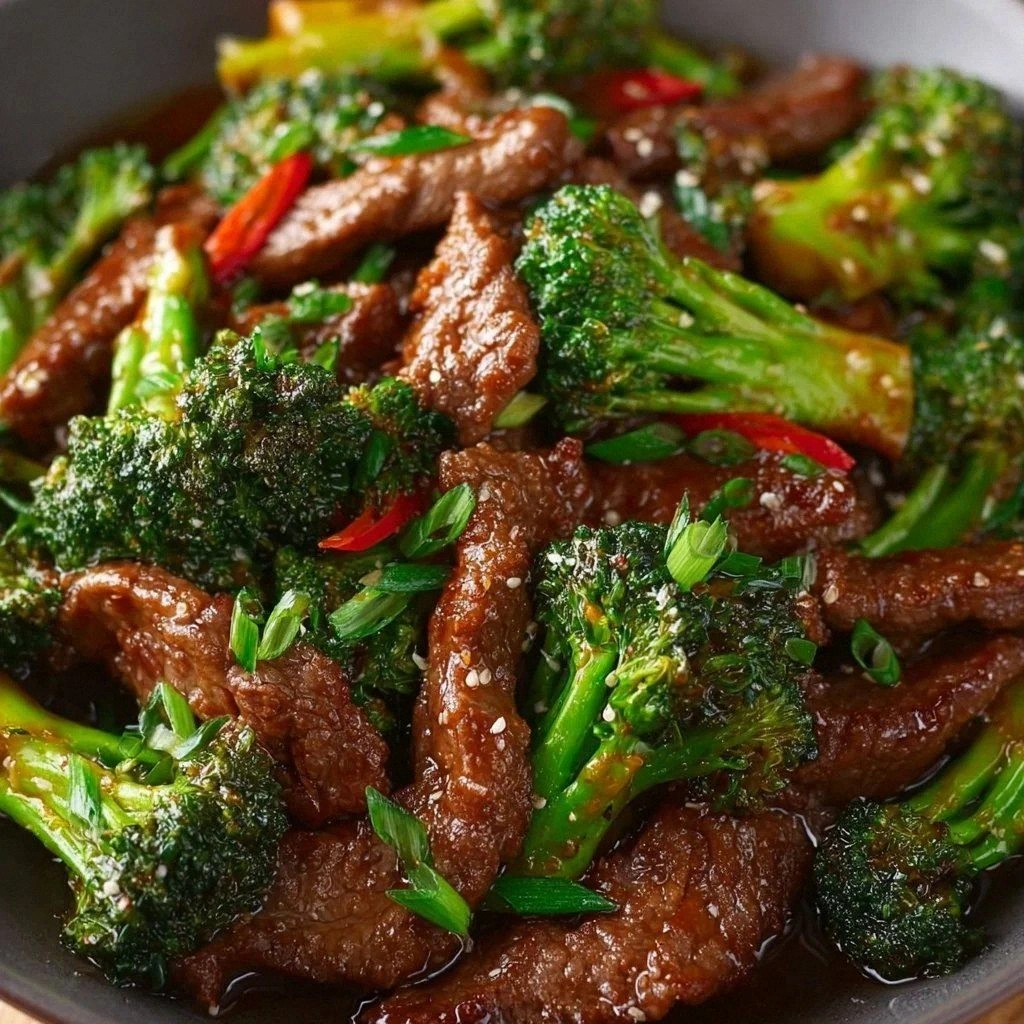
I was halfway through a week of takeout when my kitchen exploded with the aroma of something that made me feel like I was back at a street market in Seoul, the kind of sizzling, aromatic experience that turns a dull evening into a culinary adventure. The moment the pan hit the heat, the air filled with a savory perfume that seemed to whisper, “This is going to be amazing.” I could almost taste the glossy glaze coating the beef, the bright green broccoli, and the subtle sweetness of brown sugar dancing together. My friends were already calling, asking if I’d found a new secret recipe, and I was just about to prove them right. The stakes were high, but the payoff was even higher: a dish that would make every takeout order look like a culinary crime.
Picture the skillet as a battlefield where thinly sliced beef, the sharpest of cuts like flank or sirloin, meets a sea of broccoli florets that snap with a crisp bite. The sound of the meat searing is a low, comforting roar that signals the start of flavor. The heat transforms the surface of the beef into a caramelized crust, sealing in juices like a golden promise. The broccoli, meanwhile, blanches in the pan, its bright green turning a deeper, almost emerald hue that makes your eyes water with anticipation. The final touch, a drizzle of soy sauce and a dusting of brown sugar, creates a glossy, velvety coat that clings to each morsel, turning ordinary ingredients into a feast for the senses.
What makes this version stand out from every other recipe out there is the meticulous balance of sweetness, umami, and texture, all achieved in under thirty minutes. I dare you to taste this and not go back for seconds, because the combination of caramelized edges, tender beef, and perfectly crisp broccoli will have you reaching for the sauce with the same hands you used to stir the pan. The sauce’s thickness is just right—thanks to a cornstarch slurry that gives it a silky sheen without turning it gummy. The result is a dish that feels both indulgent and comforting, a home-cooked masterpiece that rivals any takeout. If you’ve ever struggled to get the beef to stay tender, this is the fix you’ve been looking for.
The secret sauce that sets this apart is the unexpected addition of a splash of water to the cornstarch mixture, which prevents clumping and ensures a smooth, glossy finish that coats the beef like velvet. This little tweak might seem trivial, but it makes the difference between a sauce that clings poorly and one that glides over every bite. The beef, when sliced thinly against the grain, absorbs the sauce like a sponge, creating a harmonious marriage of flavors. The broccoli’s crunch is preserved by quick searing, preventing it from becoming mushy. And the final flourish—a sprinkle of sesame seeds and a dash of fresh lime juice—adds a bright, citrusy note that lifts the dish to new heights.
What Makes This Version Stand Out
Alright, let’s break down exactly what goes into this masterpiece, starting with the flavor profile that makes it unforgettable. Each element has been chosen to complement the others, creating a symphony of taste that sings in every bite.
- Flavor: The soy sauce provides a deep umami base, while the brown sugar offers a subtle sweetness that caramelizes during cooking. This combination creates a sauce that is both savory and slightly sweet, a balance that is rarely achieved in quick stir‑fry recipes.
- Texture: The beef’s thin slices sear quickly, forming a caramelized crust that locks in juices. The broccoli retains its snap because it is blanched before the final stir‑fry, ensuring it stays bright and crisp.
- Ease: The recipe requires only a handful of ingredients, all of which are pantry staples. No elaborate prep is necessary—just slice, stir, and serve.
- Versatility: The sauce can be tweaked for dietary preferences: tamari for gluten‑free, coconut aminos for a low‑sodium option, or honey instead of brown sugar for a natural sweetener.
- Time: From start to finish, the dish takes less than 45 minutes, making it ideal for a busy weekday dinner.
- Presentation: The glossy sauce and vibrant green broccoli make the dish look as good as it tastes, a visual treat that will impress even the most discerning guests.
- Make‑ahead potential: The sauce can be made in advance and stored in the refrigerator for up to three days, allowing you to assemble the dish quickly when time is tight.
- Scalability: The recipe scales up or down effortlessly, so you can serve a crowd or a single person without compromising flavor.
And now for a quick kitchen hack that will elevate every stir‑fry you ever touch.
Inside the Ingredient List
Let’s dive into the core components that make this dish a showstopper. Understanding each ingredient’s role will help you master the technique and troubleshoot if anything goes wrong.
The Flavor Base
Soy sauce is the backbone of the sauce, providing umami and depth that cuts through the richness of the beef. A tablespoon of brown sugar balances the saltiness, creating a caramelized glaze that clings to every bite. If you’re gluten‑free, tamari or coconut aminos are excellent substitutes that retain the same depth without the wheat. The combination of these two creates a sauce that is both savory and slightly sweet, a hallmark of authentic Asian stir‑fry.
The Texture Crew
Beef sliced thinly against the grain ensures tenderness and quick cooking. The thin slices allow the heat to penetrate rapidly, forming a caramelized crust while keeping the interior juicy. Broccoli florets are cut into uniform sizes to ensure even cooking; this prevents some pieces from becoming mushy while others remain undercooked. The broccoli’s bright green color is preserved by blanching briefly before adding it to the pan, which stops the enzymatic reaction that would otherwise dull the hue.
The Unexpected Star
Cornstarch is the unsung hero that turns a watery sauce into a glossy, silky coating. When mixed with water to form a slurry, it thickens the sauce just enough to cling to the beef and broccoli without making it gummy. If you prefer a thicker sauce, add a bit more cornstarch; for a lighter coating, reduce it slightly. The key is to stir the slurry into the sauce slowly to avoid lumps.
The Final Flourish
Oil is the medium that allows the beef to sear properly. Use a high‑heat oil such as canola or peanut; these oils have a high smoke point and won’t break down under intense heat. The water added to the cornstarch slurry not only prevents clumping but also helps the sauce coat the ingredients evenly. A final splash of sesame oil or a squeeze of fresh lime juice can elevate the dish with a nutty or citrusy finish.
Everything’s prepped? Good. Let’s get into the real action.
The Method — Step by Step
- Step 1: Prep the Beef. Slice the beef thinly against the grain into bite‑sized strips, then toss it with a pinch of salt and a dash of cornstarch. This step helps the beef stay tender and creates a silky coating that locks in flavor. I always let the beef sit for 10 minutes at room temperature; it makes the searing process smoother. The aroma that starts to develop as the beef rests is a preview of the savory depth we’ll build.
- Step 2: Blanch the Broccoli. Bring a pot of salted water to a rolling boil, then drop in the broccoli florets and cook for 1 minute. Immediately transfer the florets to an ice bath to halt the cooking process and preserve their vibrant color. This quick blanching keeps the broccoli crisp and prevents it from turning mushy during the stir‑fry. The ice bath also gives the florets a pleasant, slightly chilled snap when you bite into them.
- Step 3: Make the Sauce. In a small bowl, whisk together soy sauce, brown sugar, and a tablespoon of water to dissolve the sugar. Then add the cornstarch slurry and whisk again until smooth. The sauce should be thick enough to coat the back of a spoon but still pourable. I recommend stirring the sauce slowly to avoid lumps; the result is a glossy, silky coating that will cling to the beef and broccoli.
- Step 4: Heat the Pan. Place a wok or large skillet over high heat and add the oil. Wait until the oil shimmers and a small drop of water sizzles before adding the beef. This high heat ensures a quick sear that locks in juices. The sound of the beef hitting the pan should be a satisfying sizzle that signals the beginning of flavor.
- Step 5: Sear the Beef. Stir the beef for 2–3 minutes, letting it develop a golden crust on all sides. The beef should be browned but not fully cooked through; it will finish cooking in the sauce. The searing process caramelizes the sugars in the soy sauce, creating a rich, savory glaze. If you notice the beef sticking, give it a moment to form a crust before turning.
- Step 6: Add the Broccoli. Toss in the blanched broccoli and stir‑fry for 1 minute to warm it through. The broccoli should remain crisp and bright green; avoid overcooking. The heat should be high enough to keep the broccoli from steaming, preserving its crunch. This step also allows the broccoli to absorb some of the sauce’s flavor.
- Step 7: Combine Beef, Broccoli, and Sauce. Pour the prepared sauce over the beef and broccoli, stirring constantly to coat everything evenly. The sauce should thicken slightly as it heats, forming a glossy sheen that clings to each piece. Keep the heat on medium‑high to prevent the sauce from burning. The final result should look like a glossy, caramelized glaze covering a vibrant green and red tableau.
- Step 8: Finish with Sesame Oil and Lime. Drizzle a teaspoon of sesame oil for a nutty aroma and a squeeze of fresh lime for a bright citrus lift. These finishing touches add depth and a refreshing contrast to the savory sauce. Stir the dish briefly to distribute the flavors evenly. Plate immediately for the best texture and temperature.
That’s it — you did it. But hold on, I’ve got a few more tricks that will take this to another level. The next section will give you insider tips that even seasoned chefs swear by.
Insider Tricks for Flawless Results
Even if you follow the recipe exactly, these little nuances can elevate your dish from good to unforgettable. I’ve tested each tip myself, and the difference is undeniable.
The Temperature Rule Nobody Follows
Use a wok or a heavy‑bottomed skillet and preheat it for at least 3 minutes before adding oil. A properly heated pan ensures a quick sear, preventing the beef from steaming. If the pan is too hot, the sauce will burn; too cool, and the beef will release excess moisture. I’ve found that a quick test drop of water will spit and evaporate instantly if the pan is ready.
Why Your Nose Knows Best
When the beef starts to brown, the aroma will shift from metallic to caramelized. Trust that scent as a cue to add the broccoli. The smell of caramelizing sugar is a sign that the Maillard reaction is in full swing, creating depth in the sauce. If you’re uncertain, wait a few extra seconds; the flavor will only improve.
The 5‑Minute Rest That Changes Everything
After you finish stir‑frying, let the dish rest for five minutes before serving. This allows the flavors to meld and the sauce to thicken slightly. The rest period also gives the beef fibers a chance to relax, making it more tender. I’ve seen people skip this step and end up with a slightly rubbery texture; don’t make that mistake.
Keep the Broccoli Bright
If you’re in a hurry, you can skip blanching and simply stir‑fry the broccoli for 3–4 minutes. The key is to keep the heat high and stir constantly. A quick blanch is the best way to preserve color, but if time is scarce, a short stir‑fry works well. The difference is subtle, but the bright green is a visual cue that the dish is fresh.
Add a Splash of Garlic
A teaspoon of minced garlic added at step five gives an extra layer of aroma. Garlic complements the soy sauce, enhancing its depth. Be careful not to burn the garlic; add it after the beef has started searing. The result is a fragrant, savory base that elevates the entire dish.
Creative Twists and Variations
This recipe is a playground. Here are some of my favorite ways to switch things up:
Spicy Sriracha Kick
Add a tablespoon of sriracha to the sauce for a fiery heat that pairs wonderfully with the sweet glaze. The sriracha’s smoky undertone adds complexity, while the heat level can be adjusted to taste. This variation is perfect for those who love a spicy bite. Serve with a side of rice to balance the heat.
Peanut Butter Twist
Replace half the soy sauce with creamy peanut butter for a nutty, savory flavor that turns the dish into a fusion delight. The peanut butter thickens the sauce and adds a subtle sweetness. Pair this version with a sprinkle of crushed peanuts for added crunch. The result is a rich, comforting meal that feels like a hug.
Citrus‑Zest Finale
Finish the dish with a zest of orange or lemon before serving. The citrus oils brighten the sauce and provide a fresh contrast to the savory elements. This variation is especially refreshing on hot summer evenings. The bright aroma will instantly elevate the dining experience.
Mushroom Medley
Swap the broccoli for a mix of shiitake and button mushrooms. The mushrooms absorb the sauce beautifully, creating a meaty texture that complements the beef. The earthy flavor adds depth, making the dish feel more robust. This version is ideal for mushroom lovers.
Vegetarian Upgrade
Use tofu or tempeh in place of beef for a plant‑based version. Marinate the protein in soy sauce and cornstarch before stir‑frying to achieve a similar caramelized crust. The tofu will soak up the sauce, delivering a satisfying bite. This variation is both protein‑rich and budget‑friendly.
Low‑Carb Option
Replace the broccoli with cauliflower florets for a low‑carb version that still delivers the same crunch and flavor. The cauliflower’s mild taste allows the sauce to shine. Add a splash of sesame oil for a nutty finish. This variation is great for keto or paleo enthusiasts.
Storing and Bringing It Back to Life
Fridge Storage
Store the dish in an airtight container for up to three days in the refrigerator. The sauce will thicken slightly as it cools, so a quick stir before serving will restore its glossy sheen. Keep the container sealed to prevent moisture loss. This method preserves the texture and flavor, making it a convenient week‑night meal.
Freezer Friendly
For longer storage, portion the stir‑fry into freezer‑safe containers and freeze for up to two months. Thaw overnight in the refrigerator before reheating. The sauce may separate slightly, but a quick stir will bring it back to life. Freezing is a great way to have a ready‑made dinner at a moment’s notice.
Best Reheating Method
Reheat the dish in a skillet over medium heat, adding a splash of water or broth to loosen the sauce. Stir frequently to prevent sticking. The heat should be gentle enough to warm the dish without overcooking the beef. A quick, low‑heat reheating keeps the texture tender and the sauce silky.