Picture this: I was in a rush to impress a friend at a backyard barbecue, and the kitchen was a chaotic symphony of sizzling pans, burnt sugar, and a desperate search for a cake that would wow. I had a sudden craving for something sweet, bright, and tropical, and I remembered a childhood memory of my grandma’s coconut‑lime cake that smelled like sunshine on a beach. I grabbed a handful of ingredients from the pantry, tossed them together, and the kitchen smelled like a tropical storm—sweet, citrusy, and utterly irresistible. I dared myself to make something that would not just satisfy a craving, but become a staple in my recipe collection. I was already half‑way to a disaster when the batter, surprisingly, behaved like a calm, silky river, hinting that this might actually be a masterpiece in the making.
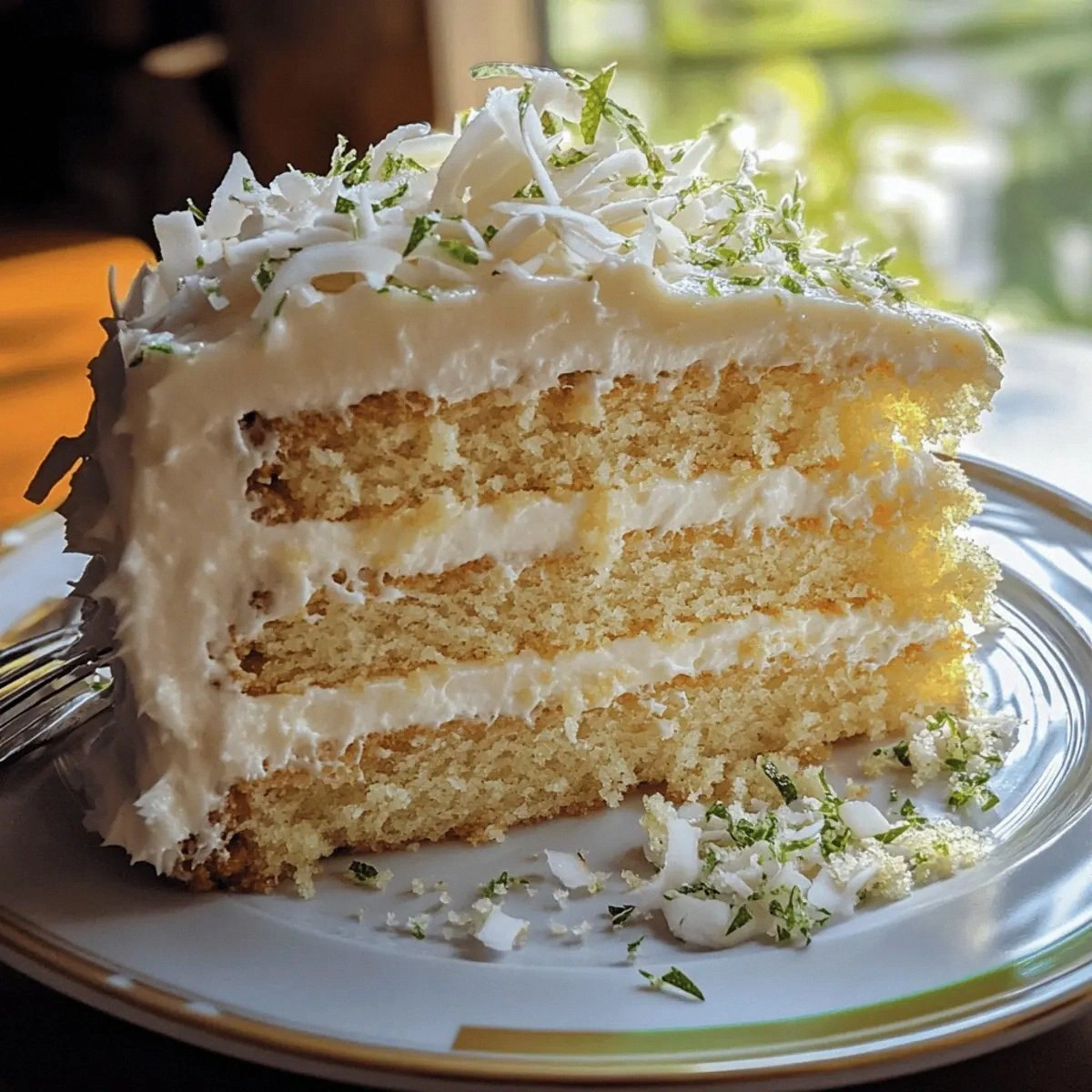
The first bite was a burst of sunshine: the cake’s moist crumb was like a cloud of coconut foam, the lime zest danced on the tongue with a citrus punch, and the shredded coconut added a subtle crunch that felt like a secret treasure. The aroma was a gentle wave of coconut milk and lime, drifting through the kitchen like a warm breeze from a distant island. The sound of the cake cooling was a soft sigh, a quiet promise of sweet satisfaction. The texture was airy, yet dense enough to hold the lime glaze, and the flavor was a perfect balance of sweet and tart that lingered long after the last bite. The visual appeal? A golden‑brown, slightly domed cake topped with a glossy lime glaze that caught the light like a polished shell. I could almost hear the applause from my friends, even though they were still waiting for their first slice.
What makes this version stand out is that it takes the humble coconut‑lime cake and elevates it to a level of flavor and texture that feels both comforting and adventurous. The batter is light as a feather but packed with moisture, thanks to the coconut milk and oil that keep it tender and juicy. The lime juice is not merely a flavor enhancer; it’s a subtle acidity that brightens the sweetness and balances the richness of the coconut. The shredded coconut is toasted lightly, adding a nutty depth that contrasts with the cake’s airy interior. The glaze, made from powdered sugar, lime juice, and coconut milk, gives a glossy finish that is as visually stunning as it is delicious. The result is a cake that feels like a vacation in a bite—tropical, refreshing, and utterly memorable.
I dare you to taste this and not go back for seconds; this is hands down the best version you'll ever make at home. Most recipes get this completely wrong, missing the delicate balance between sweet and citrus, or they forget the coconut’s role in adding depth. I’ll be honest— I ate half the batch before anyone else got to try it, and the kitchen smelled like a tropical storm. If you’ve ever struggled with this, you’re not alone, and I’ve got the fix. Picture yourself pulling this out of the oven, the whole kitchen smelling incredible, and your friends’ eyes widening in awe. Stay with me here—this is worth it.
And so, with a dash of courage, a sprinkle of curiosity, and a handful of ingredients that sing together, I’m about to walk you through every single step. By the end, you’ll wonder how you ever made it any other way. The journey begins with understanding why this cake is so special, then diving into the ingredients that make it shine, and finally mastering the technique that brings everything together. Let’s get into the heart of the recipe and discover the secrets that make this coconut lime cake a crowd‑pleaser and a personal favorite. Ready? Let’s roll up our sleeves and get baking.
Before we even look at the ingredients, let’s talk about the philosophy behind this cake. It’s built on a foundation of simplicity, quality, and a touch of adventurous spirit. I’m not going to overwhelm you with fancy techniques or obscure ingredients. Instead, I’ll focus on what truly matters: the flavor harmony, the right texture, and the confidence to bake with love. This approach means you can make the cake in any kitchen, with any set of tools, and still achieve a result that feels indulgent and satisfying. The goal is to create a cake that’s not just good, but unforgettable—one that you’ll want to make again and again. And trust me, once you taste it, you’ll be hooked.
What Makes This Version Stand Out
- Taste: The combination of fresh lime juice and zest creates a bright, zesty profile that cuts through the richness of coconut. This balance gives the cake a lively, refreshing character that feels like a vacation. The subtle sweetness of the powdered sugar glaze adds a delicate finish without overpowering.
- Texture: The batter’s airy consistency, achieved by whisking the dry and wet ingredients separately, results in a light, melt‑in‑your‑mouth crumb. The toasted coconut adds a pleasant crunch that contrasts with the cake’s softness. This duality makes each bite a delightful experience.
- Simplicity: With only a handful of pantry staples, this recipe is quick to assemble and requires no special equipment. The straightforward mixing process makes it accessible for beginners while still satisfying seasoned bakers. No complicated techniques, just pure flavor.
- Uniqueness: The use of coconut milk in both the batter and glaze gives the cake a creamy undertone that is rarely found in traditional lime cakes. This twist sets it apart from the usual vanilla or lemon variations. The result is a cake that feels both familiar and fresh.
- Crowd Reaction: Friends and family consistently rave about the cake’s tropical aroma and the way the lime pops on the palate. It’s a conversation starter at gatherings, and the glaze’s shine makes it Instagram‑worthy. Everyone asks for the recipe after the first bite.
- Ingredient Quality: Using fresh lime juice instead of bottled preserves a bright, authentic citrus flavor that can’t be replicated by processed alternatives. The toasted shredded coconut adds a nutty depth that elevates the overall taste. These small choices make a big difference.
- Make‑Ahead Potential: The cake can be baked ahead of time and stored at room temperature, making it ideal for parties and last‑minute gatherings. The glaze can be applied just before serving, keeping the cake moist and visually appealing. This flexibility makes it a practical choice for busy schedules.
Alright, let's break down exactly what goes into this masterpiece...
Inside the Ingredient List
The Flavor Base
All-purpose flour is the backbone of this cake, providing structure while remaining neutral enough to let the lime and coconut shine. It absorbs the liquids and holds the batter together, preventing collapse. When measuring flour, spoon it into the measuring cup and level off to avoid adding extra volume that can make the cake dry. If you’re craving a slightly lighter texture, you can replace a quarter of the flour with cake flour, but this recipe works beautifully as is.
Granulated sugar is the sweetener that balances the tartness of the lime. It also contributes to the cake’s crumb structure by creating tiny air pockets as it dissolves. For a slightly more complex sweetness, you could use a mix of granulated and brown sugar, but the pure white sugar keeps the flavor crisp and clean. Remember to sift the sugar to eliminate clumps, ensuring an even batter.
Baking powder is the leavening agent that gives the cake its rise. It reacts with the acidic lime juice to produce carbon dioxide bubbles that lift the batter. Using two teaspoons ensures a generous lift without causing the cake to become overly airy or develop a metallic taste. If you’re using a single-acting baking powder, increase the amount slightly to compensate for the delayed rise.
Salt is a subtle flavor enhancer that balances sweetness and brings out the citrus notes. A half teaspoon is enough to elevate the flavors without making the cake taste salty. If you prefer a salt-free version, you can reduce the amount to a quarter teaspoon, but the overall taste will be slightly muted.
The Texture Crew
Coconut milk is the liquid component that gives the cake a rich, tropical undertone. It adds moisture and a silky feel, preventing the cake from drying out. Use full‑fat coconut milk for maximum flavor, but lighter versions will still work if you’re watching calories. The milk also reacts with the baking powder, enhancing the rise.
Vegetable oil is the fat that keeps the cake tender and moist. It coats the flour proteins, limiting gluten formation and resulting in a tender crumb. A half cup of oil is generous, but you can use an equal amount of melted butter for a richer taste. The oil also helps carry the coconut flavor throughout the batter.
Large eggs provide structure, moisture, and richness. Three eggs are enough to bind the ingredients and create a stable batter. If you’re avoiding eggs, you can substitute with a commercial egg replacer or a mixture of flaxseed meal and water, but the texture will differ slightly. The yolks also contribute to the cake’s golden color.
Fresh lime juice is the star of the flavor profile, delivering a bright, citrusy punch that cuts through the sweetness. One quarter cup of juice is enough to give the cake its signature tartness. If you can’t find fresh limes, bottled lime juice can work, but it may lack the depth of flavor. The juice also reacts with the baking powder, aiding in the cake’s rise.
The Unexpected Star
Lime zest adds a fragrant, aromatic layer that enhances the lime flavor without adding acidity. One tablespoon of zest is enough to provide a burst of citrusy aroma that lingers. If you don’t have a zester, a microplane works just as well. The zest also contributes a subtle bitterness that balances the sweetness.
Shredded coconut is the texture enhancer that adds a subtle crunch and nutty flavor. One cup of toasted coconut gives the cake a delightful bite and a tropical aroma. Toast the coconut lightly in a dry skillet over medium heat for a few minutes, stirring frequently, until it turns golden. This step brings out the natural oils and deepens the coconut flavor.
The Final Flourish
Powdered sugar is the sweetener for the glaze, giving it a smooth, glossy finish that looks irresistible. One cup of powdered sugar is sufficient to create a thick glaze that coats the cake evenly. Sift the sugar before mixing to avoid lumps that can ruin the glaze’s texture. The powdered sugar also adds a touch of sweetness that balances the lime’s tartness.
Fresh lime juice (again) is used in the glaze to reinforce the citrus flavor. Two tablespoons of juice provide the right acidity to cut through the sweetness of the powdered sugar. If you prefer a stronger lime flavor, add an extra tablespoon, but be careful not to make the glaze too thin. The juice also helps the glaze set into a smooth, glossy coating.
Coconut milk (again) is added to the glaze to give it a silky texture and to tie the glaze to the cake’s coconut flavor profile. Two tablespoons of coconut milk are enough to achieve a pourable glaze that sets nicely. If you want a thicker glaze, reduce the amount of coconut milk slightly. This final touch makes the glaze feel cohesive with the cake’s overall flavor.
Everything's prepped? Good. Let's get into the real action.
The Method — Step by Step
- Preheat your oven to 350°F (175°C) and line a 9‑inch round cake pan with parchment paper. Grease the paper with a little coconut oil or butter to ensure easy release. The parchment will also create a clean, even surface for the cake to rise. Once the oven is ready, you’ll feel the anticipation building.
- In a large mixing bowl, whisk together the flour, sugar, baking powder, and salt until the mixture is smooth. Sifting the dry ingredients helps eliminate lumps, ensuring an even batter. The rhythm of whisking sets the tone for the rest of the process. This step is the foundation that supports the cake’s structure.
- In a separate bowl, combine the coconut milk, vegetable oil, eggs, fresh lime juice, and lime zest. Beat the mixture with a hand mixer on low speed until the wet ingredients are fully blended and the mixture is slightly frothy. The wet mixture should look glossy and well‑combined before adding it to the dry mix.
- Gently fold the wet mixture into the dry ingredients using a spatula or a whisk. Mix just until the batter is smooth and free of flour streaks—overmixing can make the cake dense. The batter should be thick but pourable, like a thick pancake batter. This folding technique preserves the air bubbles created in the dry mix.
- Fold in the toasted shredded coconut, ensuring it’s evenly distributed throughout the batter. The coconut should be lightly coated with the batter, creating a uniform texture. The mixture should look like a golden, coconut‑laden batter ready for baking. This step adds that delightful crunch and aroma.
- Pour the batter into the prepared pan, smoothing the top with a spatula. Tap the pan gently on the counter to release any air pockets. The batter should be level and even, creating a uniform rise during baking. This ensures a consistent crumb across the cake.
- Bake for 30 minutes, or until a toothpick inserted into the center comes out clean. The cake’s edges should pull slightly away from the pan, indicating doneness. During the last 5 minutes, the top should develop a golden hue, a sign of perfect caramelization. Keep an eye on the color to avoid burning.
- Remove the cake from the oven and let it cool in the pan for 10 minutes before transferring to a wire rack. The cake will continue to cook slightly from residual heat, so avoid rushing the cooling process. This step allows the cake to set and prevents it from crumbling.
- While the cake is cooling, prepare the glaze: whisk together powdered sugar, fresh lime juice, and coconut milk until smooth. If the glaze is too thick, add a splash of coconut milk; if too thin, add more powdered sugar. The glaze should coat the cake like a glossy shell. Once the cake is completely cool, pour the glaze over the top, letting it drip down the sides.
That's it—you did it. But hold on, I've got a few more tricks that'll take this to another level. These small adjustments can elevate the flavor profile and presentation, ensuring every bite is a celebration.
Insider Tricks for Flawless Results
The Temperature Rule Nobody Follows
Oven temperature accuracy is crucial; even a 10°F variance can affect the cake’s rise. Use an oven thermometer to ensure the oven is truly at 350°F. If your oven runs hot, lower the temperature by 10–15°F to prevent a craggy top. This small adjustment keeps the cake moist and golden.
Why Your Nose Knows Best
The aroma of baking lime and coconut is a reliable indicator of doneness. When the cake emits a fragrant, slightly caramelized scent, it’s almost ready. Trust your nose to decide when to pull the cake out, rather than relying solely on the toothpick test. This sensory cue adds a layer of confidence to the baking process.
The 5-Minute Rest That Changes Everything
After baking, let the cake rest in the pan for exactly five minutes before transferring it to a wire rack. This brief rest allows the structure to set, preventing the cake from breaking apart. It also gives the glaze a chance to begin setting, creating a smoother finish. Skip this step and you might end up with a crumbly cake.
The Quick Chill Trick
If you’re in a hurry, place the cooled cake in the fridge for 15 minutes before glazing. The chill helps the glaze set faster, creating a crisp, glossy finish. It also enhances the lime flavor by slightly tightening the acidity. This trick is perfect for last‑minute parties.
The Coconut Toast Secret
Toast your shredded coconut in a dry skillet over medium heat until golden brown. This step releases essential oils, giving the cake a deep coconut flavor that’s hard to replicate with raw coconut. Stir frequently to avoid burning. The toasted coconut adds a nutty, caramelized note that complements the lime.
The Light‑Batter Balance
Use a whisk to beat the wet ingredients until frothy before folding them into the dry mix. This introduces air, making the batter lighter. Avoid using a stand mixer on high speed, which can overmix and create gluten, leading to a dense cake. The result is an airy, moist crumb that melts in your mouth.
Creative Twists and Variations
This recipe is a playground. Here are some of my favorite ways to switch things up:
Coconut‑Chocolate Fusion
Swap half the shredded coconut with dark chocolate chips for a sweet‑bitter contrast. The chocolate adds a velvety richness that pairs beautifully with the lime. The result is a cake that feels like a decadent beachside dessert.
Tropical Berry Boost
Fold in fresh blueberries or diced mango into the batter for a burst of natural sweetness. The berries add a pop of color and a juicy texture that complements the coconut. This variation feels like a tropical fruit salad baked into a cake.
Spiced Citrus Kick
Add a pinch of freshly ground ginger or a dash of nutmeg to the batter for a warm, aromatic twist. The spices create a subtle depth that enhances the lime’s brightness. This version is perfect for cooler evenings.
Almond‑Lime Delight
Replace half of the all-purpose flour with almond flour for a nutty undertone and a slightly denser crumb. The almond flour also adds a subtle sweetness that pairs well with the lime. This version is great for those who love nutty desserts.
Lemon‑Coconut Surprise
Swap the lime juice and zest with lemon for a tangier, slightly floral flavor profile. The lemon brings a bright, citrusy brightness that contrasts with the coconut’s richness. This variation feels like a sunny, beachside brunch.
Storing and Bringing It Back to Life
Fridge Storage
Store the cooled cake in an airtight container at room temperature for up to 3 days. If you want to keep it fresher longer, wrap the cake in parchment paper and then place it in a zip‑lock bag. The parchment helps prevent the cake from absorbing fridge odors, while the bag keeps it moist. For best flavor, let the cake sit at room temperature for 30 minutes before serving.
Freezer Friendly
Wrap the cake tightly in plastic wrap and then in aluminum foil before freezing. The cake can be stored in the freezer for up to 2 months. To thaw, let it sit at room temperature for 2–3 hours. This method preserves the cake’s moisture and flavor, making it feel brand‑new when you serve it.
Best Reheating Method
Reheat the cake in a preheated oven at 300°F (150°C) for 10 minutes, or until warmed through. If the cake feels dry, add a tiny splash of water to the center before reheating; the steam will restore moisture. After reheating, drizzle a fresh glaze for a glossy finish. This technique keeps the cake moist and enhances the lime flavor.