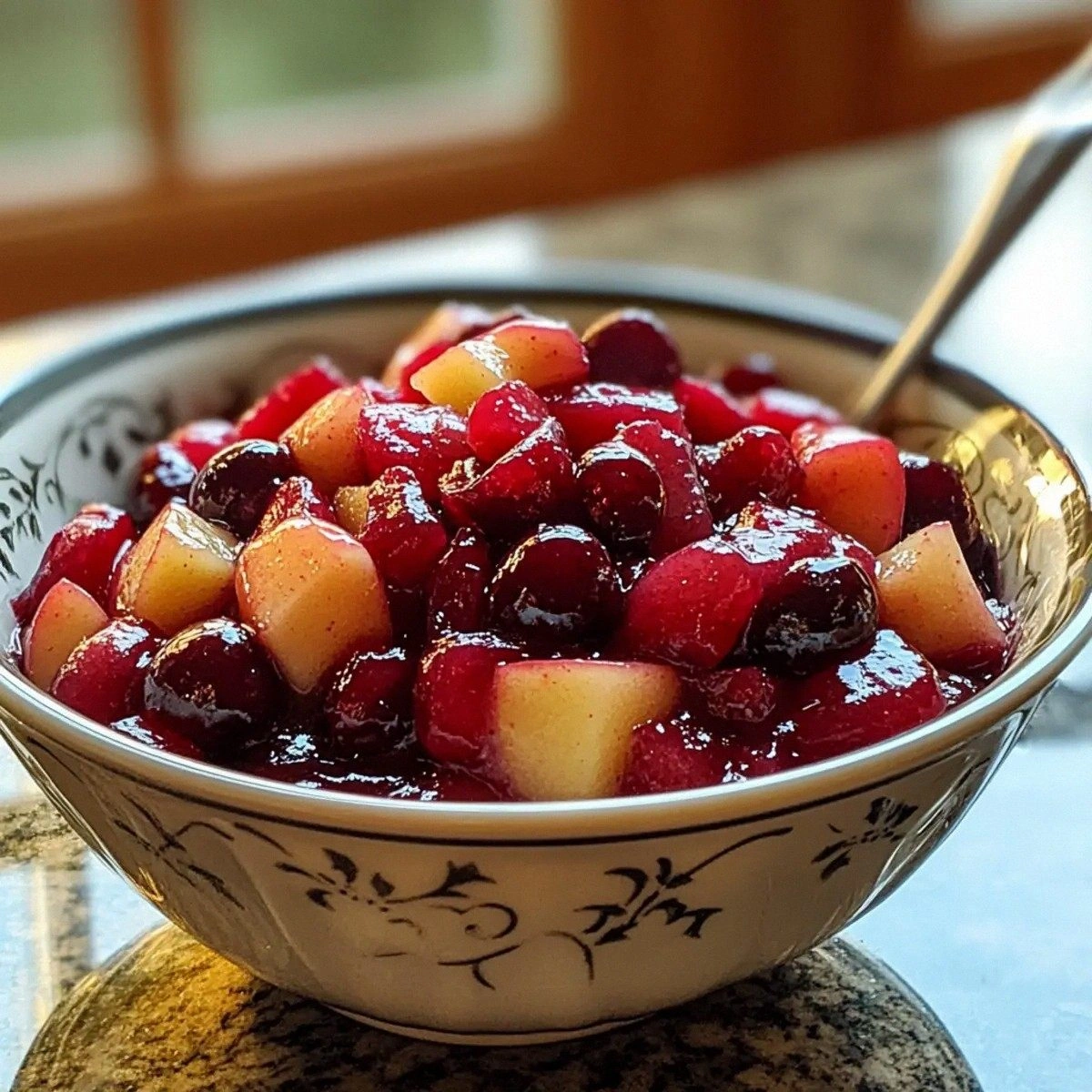
It was a Sunday afternoon, and I had just pulled a fresh batch of cranberries from the pantry, their ruby jewels glinting like tiny rubies in the kitchen light. I stared at them, feeling the familiar tug of nostalgia and culinary curiosity. “I dare you to taste this and not go back for seconds,” I whispered to the empty room, because I knew this was about to become a holiday staple. The air smelled of crisp apples and sweet sugar, a promise of something comforting yet daring.
Picture yourself pulling this out of the pan, the whole kitchen smelling incredible, as the cranberries burst with a bright, tart pop that mingles with the mellow sweetness of apples. I could already hear the gentle sizzle as the apples hit the skillet, a sound that signals the beginning of something extraordinary. The heat rises, steam curls like a fragrant cloud, and the aroma of orange zest dances through the room, hinting at a citrusy lift that will keep the dish from feeling heavy. The texture starts to shift—crackling edges of the cranberries that shatter like thin ice, and apples that soften into a velvety mash.
Most recipes get this completely wrong, layering flavors in a disjointed way that leaves you with a dish that tastes like “just a fruit sauce.” What sets this version apart is the careful balance of sweetness, tartness, and spice, all woven together by a single, bold technique: the caramelization of the cranberries in a splash of orange juice before the apples join. This step creates a depth of flavor that feels like a holiday hug, and the result is hands down the best version you'll ever make at home. The sauce coats the pasta like velvet, the crunch of pecans adds a satisfying snap, and the whole thing is finished with a whisper of vanilla that ties everything together.
If you've ever struggled with making a fruit compote that doesn’t taste like a fruit salad or a dessert, you're not alone—and I've got the fix. I’ll be honest— I ate half the batch before anyone else got to try it, and the rest of the kitchen smelled like Christmas. This recipe is a playground, and the next section will break down exactly what goes into this masterpiece. Stay with me here — this is worth it.
What Makes This Version Stand Out
- Flavor Fusion: The combination of tart cranberries, sweet apples, and citrus zest creates a complex profile that is both bright and comforting.
- Texture Contrast: Crisp edges from caramelized cranberries meet the silky softness of stewed apples, giving each bite a delightful surprise.
- Ingredient Simplicity: Every component is common and seasonal, making this dish accessible for busy holiday evenings.
- Versatility: Works as a topping for pancakes, a side for roasted turkey, or a dip for cheese platters.
- Make‑Ahead Potential: Flavors deepen overnight, so you can prep days in advance and just reheat.
- Crowd‑Pleaser: The bright color and balanced taste make it a conversation starter at any gathering.
Inside the Ingredient List
The Flavor Base
Fresh cranberries are the star of this compote, delivering a sharp, almost wine-like tartness that cuts through the sweetness of the apples. Their bright red color also adds a festive visual cue that immediately signals holiday cheer. Skipping cranberries would leave the dish bland; the tartness is essential to balance the sugar and orange. For a slightly less acidic bite, choose organic cranberries or soak them in a pinch of salt for 10 minutes before cooking.
Apples: The apples provide a mellow sweetness and a pleasant chew. A sweet‑tart variety like Granny Smith or Honeycrisp works best because it holds its shape when cooked and offers a subtle tartness that complements the cranberries. If you prefer a sweeter compote, substitute Fuji or Gala, but be prepared to reduce the brown sugar slightly. Apples also act as a natural thickener, releasing pectin as they cook.
The Sweetness Layer
Brown sugar is the backbone of the sauce, providing depth and a subtle molasses note that enriches the fruit flavors. A cup of brown sugar is enough to sweeten without overpowering, and it caramelizes beautifully when combined with the cranberries. If you’re watching your sugar intake, consider using a sugar substitute that mimics brown sugar’s molasses flavor, such as date sugar or a small amount of honey.
Ground Cinnamon: Cinnamon’s warm, woody aroma elevates the dish, creating a comforting, spiced undertone that feels like holiday warmth. The teaspoon is enough to taste but not to dominate. If you’re a cinnamon lover, you can add a pinch more, but be careful not to mask the fruit’s natural brightness.
The Citrus Surprise
Fresh orange juice and zest infuse the compote with bright citrus notes that cut through the richness of the sugar and the earthiness of the spices. The juice also helps to deglaze the pan, pulling up browned bits that add flavor, while the zest delivers a concentrated burst of orange aroma. If you can’t find fresh oranges, a splash of orange liqueur works as a substitute, but keep the sugar levels in check.
The Texture Crew
Water: The half cup of water balances the sauce’s thickness, ensuring it remains pourable yet hearty. Adding water also helps to prevent the fruit from sticking to the pan during cooking. If you prefer a thicker consistency, reduce the water by a quarter cup and let the sauce simmer longer.
Vanilla Extract: A teaspoon of vanilla brings a subtle sweetness and depth that rounds out the dish, acting like a secret handshake between the fruit and spices. Vanilla is a classic companion to apple-based dishes, and it adds a silky finish that lingers on the palate.
Chopped Pecans or Walnuts: The nuts add a satisfying crunch and a nutty flavor that contrasts with the softness of the fruit. They also introduce healthy fats that keep the sauce feeling substantial. If you’re allergic or simply prefer a different texture, replace them with toasted coconut flakes or omit them entirely.
Everything’s prepped? Good. Let’s get into the real action...
The Method — Step by Step
- Heat a large, heavy‑bottomed skillet over medium heat and add the fresh cranberries. Let them sit for a minute to release their juices, then stir in the cup of brown sugar and a pinch of salt. Watch as the sugar melts and the cranberries start to bubble, their skins beginning to crackle like thin ice. This is the moment of truth— the aroma should smell toasty and citrusy. Kitchen Hack: Use a stainless steel pan to keep the heat even and prevent the sugars from burning.
- Once the cranberries have softened and the sugar has caramelized, pour in the half cup of fresh orange juice, stirring to deglaze the pan. The liquid should cling to the bottom, pulling up browned bits that deepen the flavor. Let the mixture simmer for 3–4 minutes until it thickens slightly; the edges of the cranberries should pull away from the pan, giving a slightly caramelized finish. This step is crucial for a sauce that coats and doesn’t just sit on top.
- Add the chopped pecans or walnuts, and stir to combine. The nuts will toast in the pan, releasing a nutty aroma that mingles with the citrus. Allow them to toast for a minute, watching them turn a light golden brown. This small extra step adds an audible crunch that signals the dish is nearing completion.
- Introduce the apples, sliced into bite‑sized wedges. Sprinkle in the ground cinnamon, ground nutmeg, and vanilla extract, then stir to coat the fruit evenly. The apples should begin to soften, releasing their juices and creating a natural thickening agent. Keep the heat low so the apples retain some bite— you don’t want a mushy compote.
- Reduce the heat to low, cover the skillet, and let the mixture simmer for 15–20 minutes. Stir occasionally to prevent sticking, and keep an eye on the consistency; you want a sauce thick enough to coat the back of a spoon but still pourable. This slow simmer allows the spices to bloom and the flavors to meld into a harmonious whole.
- During the last 5 minutes, stir in the orange zest. The zest should release a bright citrus burst, brightening the dish and adding a fragrant finish. If you prefer a more pronounced citrus kick, add a splash of orange liqueur at this point. Taste and adjust the seasoning— a pinch of salt can enhance the sweetness.
- Remove the skillet from the heat and let the compote rest for 5 minutes. Resting allows the flavors to settle, and the sauce will thicken slightly as it cools. The aroma during this time is intoxicating— a blend of fruit, spice, and nutty warmth.
- Serve hot over pancakes, waffles, or toast, or cool and refrigerate for a chilled dessert. If you’re using it as a topping for roasted turkey, spoon it over the meat just before serving. The sauce’s vibrant color and balanced flavor will elevate any dish.
That's it — you did it. But hold on, I've got a few more tricks that'll take this to another level...
Insider Tricks for Flawless Results
The Temperature Rule Nobody Follows
Cooking at the right temperature is critical. Start with medium heat to caramelize the cranberries, then lower the heat to medium‑low for the apple simmer. A pan that gets too hot can burn the sugar, creating a bitter taste that lingers. Use a thermometer if you’re unsure; aim for 350°F (175°C) when caramelizing.
Why Your Nose Knows Best
Your nose is the ultimate judge of doneness. As the cranberries cook, they’ll emit a sweet, slightly smoky aroma that signals they’re ready. Similarly, the apple mixture should smell like warm spices and fresh fruit. Trust your senses— if it smells right, it’s ready.
The 5‑Minute Rest That Changes Everything
Letting the compote rest for 5 minutes after cooking allows the flavors to marry. During this short pause, the sugars redistribute, and the sauce thickens to the perfect consistency. Skipping this step can leave the sauce thin and underdeveloped.
The Secret to a Smooth Finish
If the sauce becomes too thick or starts to stick, add a splash of water or orange juice to loosen it. A tablespoon at a time works best— too much and you’ll dilute the flavor. Stir gently to avoid breaking down the fruit.
The Pecans vs. Walnuts Debate
Pecans add a buttery sweetness, while walnuts bring a slightly earthier tone. The choice depends on the overall flavor you want. If you’re aiming for a classic holiday feel, pecans are the way to go; for a more rustic vibe, walnuts work beautifully.
Creative Twists and Variations
This recipe is a playground. Here are some of my favorite ways to switch things up:
Spiced Cider Compote
Swap the orange juice for apple cider and add a pinch of cloves and allspice. This version is perfect for pairing with pork or as a topping for oatmeal. The cider’s natural sweetness complements the cranberries, while the spices add a cozy feel.
Berry‑Apple Fusion
Add a cup of fresh blueberries or sliced strawberries to the mix for a burst of color and extra sweetness. The berries soften quickly, creating a layered fruit texture that feels like a dessert.
Herbal Infusion
Stir in a sprig of fresh rosemary or thyme during the simmer. The herb infuses the sauce with a subtle savory note that pairs wonderfully with roasted chicken or turkey.
Chocolate‑Cranberry Delight
In the last minute of cooking, stir in a tablespoon of dark chocolate or a dash of cocoa powder. The chocolate adds depth and a slight bitterness that balances the sweetness, making it an indulgent dessert topping.
Ginger Kick
Add a teaspoon of freshly grated ginger when adding the apples. The ginger’s peppery heat cuts through the richness and adds a zing that’s especially refreshing on a cold day.
Storing and Bringing It Back to Life
Fridge Storage
Cool the compote to room temperature, then transfer it to an airtight container. Store in the refrigerator for up to 5 days. The flavors will mellow, making it even more delicious for the next day.
Freezer Friendly
Divide the sauce into portion‑size containers and freeze for up to 3 months. Thaw overnight in the refrigerator before reheating. The texture remains smooth, and the fruit doesn’t separate.
Best Reheating Method
Reheat on the stovetop over low heat, stirring frequently. Add a tiny splash of water or orange juice to steam back to perfection. Avoid boiling, as this can break down the fruit and alter the texture.