Love this? Pin it for later! 📌
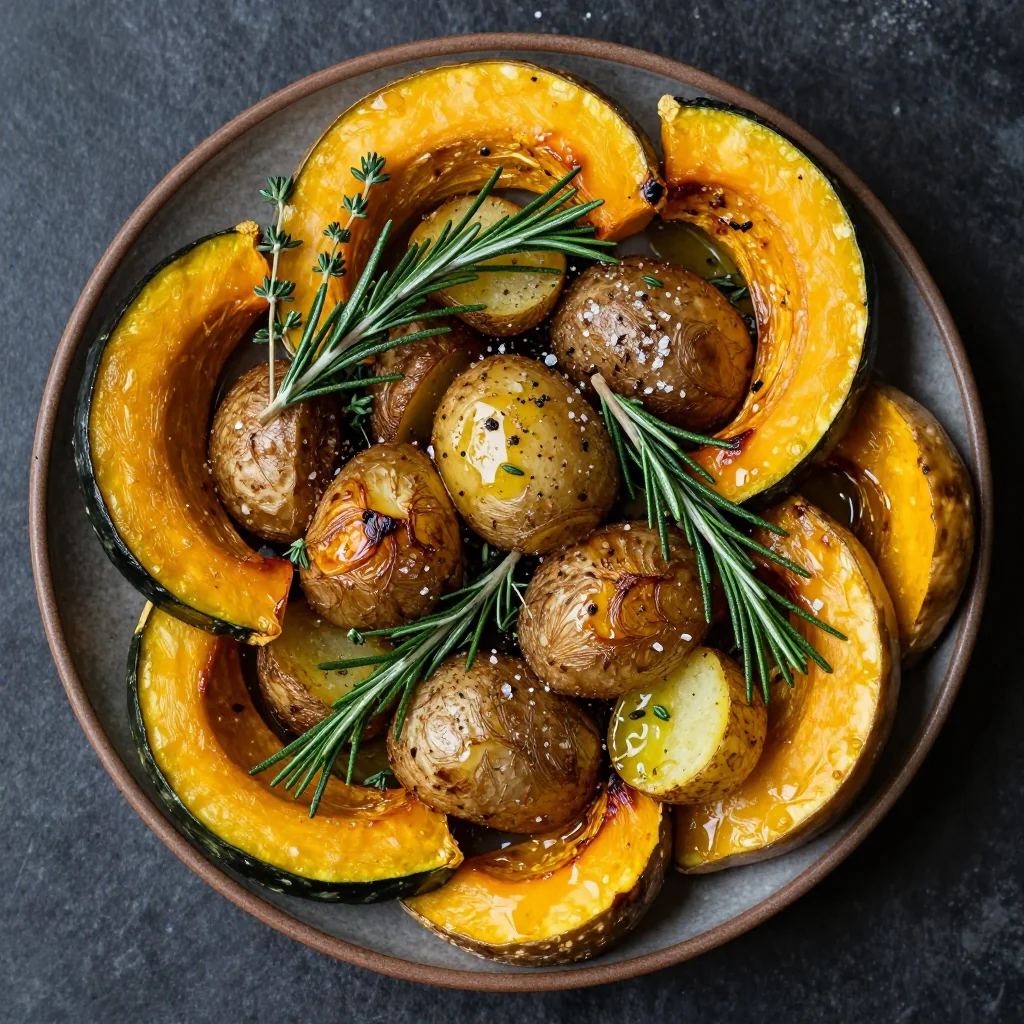
There’s a moment every November when the air turns crisp, the light turns golden by 4 p.m., and my oven becomes the most beloved appliance in the house. Last year, that moment arrived on a blustery Tuesday when I had three deadlines, a carpool shift, and zero desire to wash more than one sheet pan. I cubed up the butternut squash that had been eyeing me from the counter, grabbed a bag of baby potatoes that were on their last legs, and—on pure instinct—tore open a jar of the fresh herbs I’d optimistically bought at the farmers’ market. Forty minutes later my kitchen smelled like a candle you’d actually pay money for, and I had four days’ worth of lunches that tasted like I’d planned them for weeks. That happy accident has since become my ride-or-die winter meal-prep formula, and today I’m sharing every last detail so you can stock your fridge with the same caramelized, herb-flecked goodness.
What makes this recipe such a keeper? The squash turns honey-sweet at the edges, the potatoes stay creamy inside while crisping like a french-fry dream, and the herbs—oh, the herbs—stay vibrantly green because we add them in two strategic waves. A big batch roasts unattended while you answer emails, then cools into neat containers that reheat like a charm or play nicely with greens, grains, or a fried egg. If you can chop vegetables and operate an oven, you can master this dish. Let’s turn your coldest season into the coziest one.
Why This Recipe Works
- One-Pan Wonder: Squash, potatoes, and aromatics roast together—minimal dishes, maximum flavor.
- Double-Herb Hit: Hardy herbs infuse the oil; delicate herbs finish fresh for restaurant-level brightness.
- Meal-Prep Magic: Stays tender for five days in the fridge and freezer-friendly for two months.
- Plant-Powered & Budget-Smart: Costs under eight dollars to feed six generous portions.
- Endlessly Adaptable: Swap veggies, change up spices, or add chickpeas for protein without rewriting the method.
- Low-Maintenance Timing: 10 minutes of active prep; the oven does the heavy lifting while you binge your comfort show.
Ingredients You'll Need
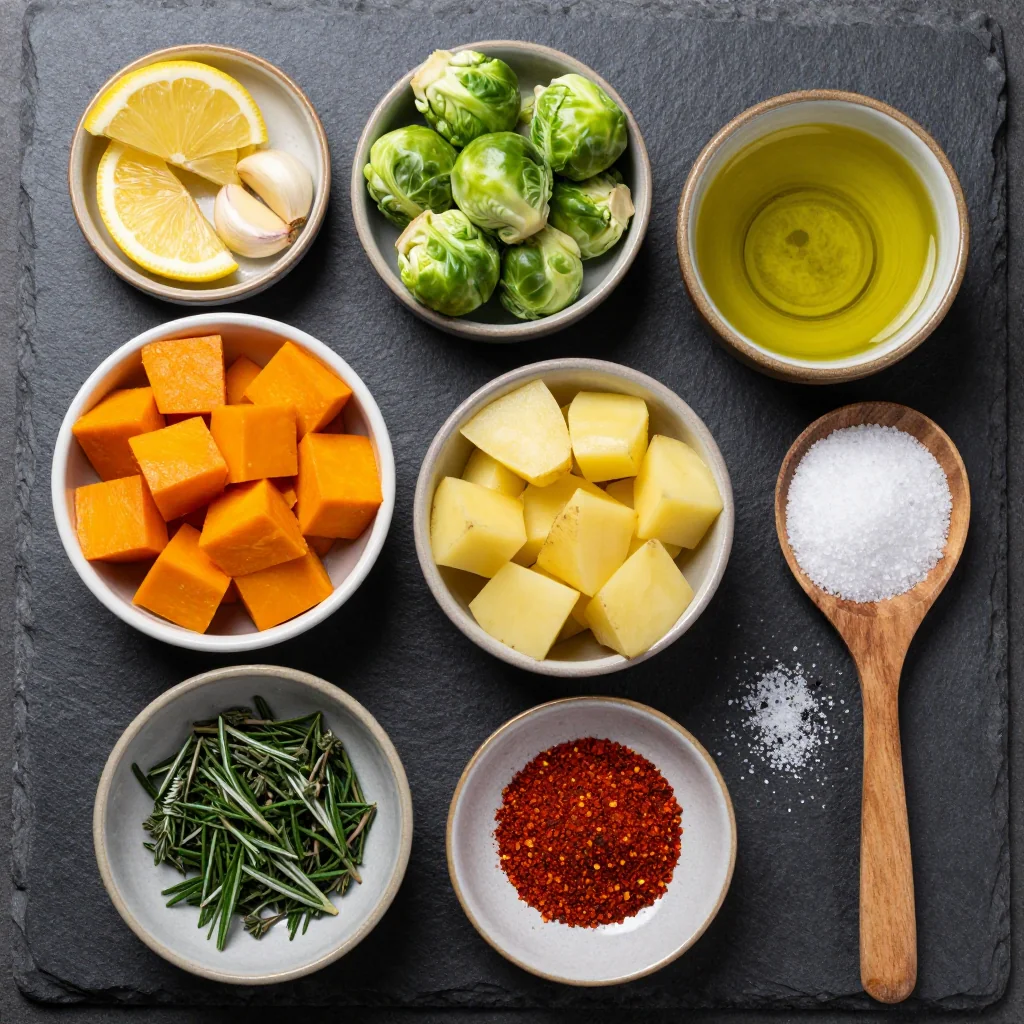
Before we talk substitutions, let’s talk quality. Winter squash and potatoes are storage crops, which means they’re economical year-round, but they still deserve a quick inspection. Look for squash with matte, unblemished skin that feels heavy for its size—no soft spots or green streaks. When it comes to potatoes, I reach for baby or fingerling varieties because their thin skins eliminate peeling and their waxy interior stays plush after roasting. If you only have russets, don’t fret; just cut them slightly larger than the squash since they cook faster.
Butternut squash is my gold standard here: predictable shape, easy to peel, and that deep orange flesh screams beta-carotene. Delicata is the lazy cook’s dream—edible skin, quick cooking—but you’ll need two to equal the volume. Kabocha brings chestnut-like sweetness, though its knobby skin requires a sturdy knife. Any of these work; just keep the total weight around two pounds.
For potatoes, tri-color baby potatoes give you visual pizzazz. If you’re shopping the loose bin, aim for golf-ball size so they stay intact when halved. Larger Yukon Golds can be chunked up; just remember uniformity equals even roasting.
Extra-virgin olive oil is non-negotiable for both flavor and browning. You’ll need enough to coat every cube but not so much that it pools on the pan—about three tablespoons per sheet. If you’re oil-free, substitute two tablespoons of aquafaba plus one tablespoon of nutritional yeast for browning.
Fresh herbs are the sparkle. I divide them into two camps: hardy (rosemary, thyme, sage) that can withstand the oven’s heat, and tender (parsley, chives, tarragon) that stay vivid when tossed on at the end. Buy bunches that look perky, not wilted, and store them upright in a jar with an inch of water like flowers until you’re ready to cook.
Garlic goes in as smashed cloves so it perfumes the oil without burning. Lemon zest amplifies the caramel notes and keeps everything tasting fresh on day four. Finish with flaky salt—Diamond Crystal dissolves faster on vegetables than coarse kosher, but either works.
How to Make easy meal prep roasted winter squash and potatoes with fresh herbs
Heat the oven & prep pans
Position racks in the upper-middle and lower-middle zones and preheat to 425 °F (220 °C). Line two rimmed baking sheets with parchment—this prevents sticking and speeds cleanup. If your sheets are thin and prone to warping, nest one inside another for insulation; even browning depends on a flat surface.
Cube the vegetables uniformly
Peel the squash with a sharp vegetable peeler, slice off ends, halve lengthwise, scoop seeds, then cut into ¾-inch cubes. Halve baby potatoes; if using larger potatoes, cut into 1-inch chunks. The goal is equal size so they roast at the same rate—think bite-sized croutons you’d happily spear in a salad.
Season by layering flavors
In a large bowl whisk olive oil, salt, pepper, smoked paprika, and lemon zest. Add potatoes and toss until glossy, then scatter onto one sheet. Repeat with squash, adding chopped rosemary and thyme leaves to the same bowl so the fragile squash absorbs the herb oil. This two-step method keeps potatoes from sticking to squash and gives each vegetable its own flavor profile.
Arrange for airflow
Spread vegetables in a single layer with breathing room—crowding steams instead of roasts. If pieces touch, use a third sheet rather than piling higher. Place potatoes on the lower rack and squash on the upper; potatoes need more heat to bronze, while squash benefits from gentler ambient heat to avoid drying out.
Roast undisturbed for 20 minutes
Resist the urge to flip early; letting the surfaces sit against hot metal creates the Maillard browning that equals deep flavor. Meanwhile, mince the parsley and chives, and strip the remaining thyme leaves for the finishing sprinkle.
Flip, rotate, and continue
Using a thin metal spatula, scrape and flip vegetables—this preserves the caramelized crust. Swap sheet positions for even heat, rotating 180 degrees. Roast another 15–20 minutes until potatoes sound hollow when tapped and squash edges darken to toffee.
Garlic infusion
Push vegetables to the perimeter of each sheet, creating a little island in the center. Add smashed garlic cloves and return pans to the oven for 5 minutes. The cloves soften and mellow, ready to mash into a quick vinaigrette or spread on toast.
Finish fresh
Transfer vegetables to a serving bowl while still warm. Toss with fresh parsley, chives, and a squeeze of lemon juice. The residual heat wakes up the herbs without wilting them into sad specks. Taste, adjust salt, and shower with flaky sea salt for crunch.
Portion for the week
Cool completely on the sheet—hot steam trapped in containers is the enemy of crispy edges. Once room temperature, scoop into glass containers, label with masking tape, and refrigerate up to five days or freeze up to two months. Reheat in a 400 °F oven for 8 minutes or microwave for 90 seconds.
Expert Tips
High heat = caramelization
Don’t drop below 425 °F. Lower temps will cook the vegetables through, but you’ll miss the sweet spot where natural sugars bubble into a golden crust.
Flip once, not more
Excessive turning cools the surface and prevents browning. Be patient—one confident flip halfway through is enough.
Oil lightly after freezing
Vegetables can dry out in the freezer. Toss cooled portions with an extra teaspoon of olive oil before freezing to lock in moisture.
Roast at night, assemble in the morning
The vegetables keep beautifully overnight. Roast while you wind down, cool, refrigerate, then pack into lunch boxes with a tahini drizzle next day.
Sheet pan math
Each 18×13-inch sheet comfortably holds two pounds of vegetables. Overload and you’ll steam; underload and the oil may burn.
Color equals flavor
The deeper the orange of your squash, the sweeter the result. If the flesh looks pale, toss with a teaspoon of maple syrup to compensate.
Variations to Try
- 1
Moroccan Spice: Swap rosemary for 1 tsp each cumin and coriander, add a pinch of cinnamon, and finish with chopped dried apricots and toasted almonds.
- 2
Smoky Chipotle: Replace paprika with ½ tsp chipotle powder, add lime zest instead of lemon, and garnish with cilantro and pumpkin seeds.
- 3
Italian Harvest: Use sage and oregano as the hardy herbs, fold in halved Brussels sprouts, and finish with balsamic glaze and shaved Parm.
- 4
Protein Boost: Add one drained can of chickpeas to the squash bowl; they’ll roast into crispy poppers that add 6 g protein per serving.
- 5
Root-to-Leaf: Save squash seeds, rinse, toss with soy sauce and a dash of maple, and roast separately for a salty snack topper.
Storage Tips
Refrigerator
Cool completely, transfer to airtight glass containers, and refrigerate up to 5 days. For best texture, reheat in a 400 °F oven or air-fryer; microwave is fine for speed but may soften edges.
Freezer
Spread cooled vegetables on a parchment-lined sheet, freeze 1 hour (prevents clumps), then transfer to freezer bags. Remove excess air, label, and freeze up to 2 months. Thaw overnight in fridge or reheat straight from frozen at 425 °F for 12–15 minutes.
Frequently Asked Questions
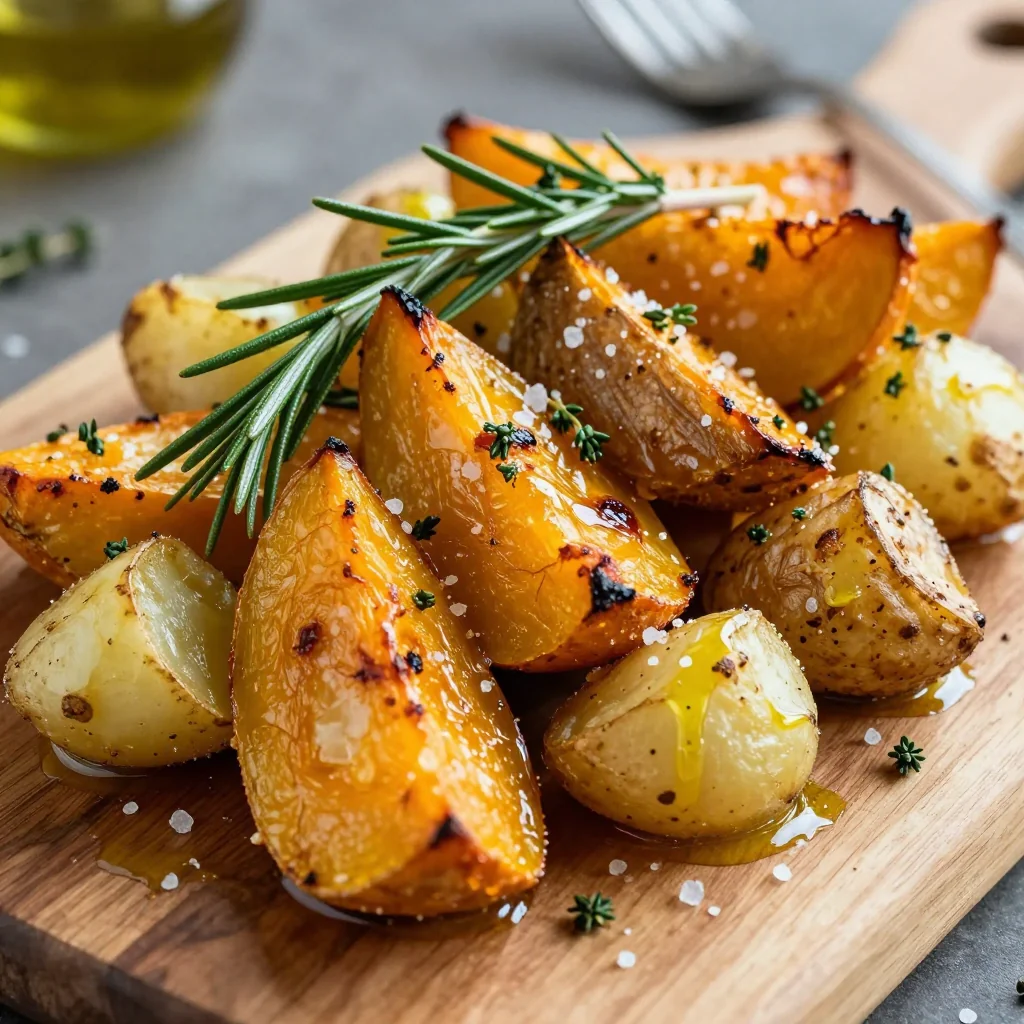
easy meal prep roasted winter squash and potatoes with fresh herbs
Ingredients
Instructions
- Preheat & prep: Heat oven to 425 °F. Line two sheet pans with parchment.
- Season potatoes: In a large bowl whisk 2 Tbsp oil, salt, pepper, paprika, and lemon zest. Add potatoes; toss to coat. Spread on one sheet.
- Season squash: Add squash and rosemary to the same bowl; toss with remaining 1 Tbsp oil. Arrange on second sheet.
- Roast: Place potatoes on lower rack, squash on upper. Roast 20 minutes, then flip and swap positions. Continue 15–20 minutes until deeply browned.
- Infuse garlic: Push vegetables to edges, add smashed garlic to center of each sheet; roast 5 minutes more.
- Finish & serve: Combine vegetables in a bowl, toss with parsley and chives, add lemon juice and flaky salt. Cool before storing.
Recipe Notes
For extra protein, toss in a drained can of chickpeas during the last 15 minutes of roasting. They’ll crisp like croutons and add 6 g protein per serving.