Picture this: I’m in a cramped kitchen, the oven timer blaring, and my friend’s voice echoing in my head, “You’ve got to try this miso salmon.” The kitchen smells like a Japanese festival—sweet, umami, and a hint of citrus. I’ve been chasing that perfect glaze for months, but every batch feels like a gamble. Today, I’m sharing the recipe that finally turned the gamble into a guaranteed hit. Let’s dive in and see how a few tweaks can elevate a simple salmon fillet into a showstopper.
It started with a kitchen disaster: a miso glaze that turned the pan into a caramelized mess. The sauce clung to the skillet like a stubborn coat of varnish, and the salmon flaked apart before it even hit the plate. I laughed, but the taste was a reminder that balance is everything. That night, I vowed to master the sauce, to get the sweet, salty, and umami notes to dance in harmony. I’m not just cooking; I’m orchestrating a flavor symphony.
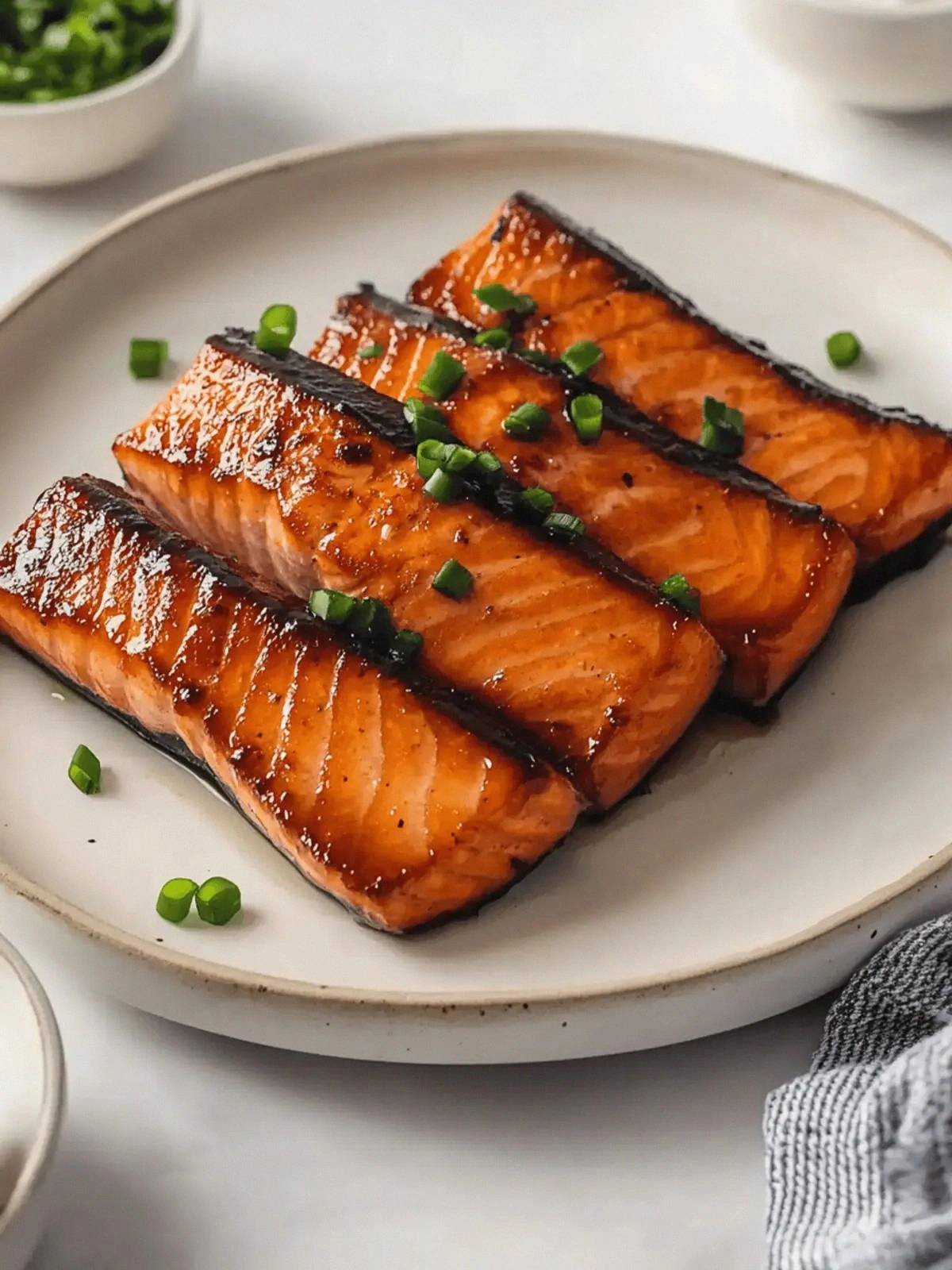
The moment the salmon hits the pan, the sizzle is a drumbeat of anticipation. The aroma that unfurls is a heady mix of toasted miso, faint citrus, and a whisper of caramel. As the glaze thickens, it coats each fillet like a velvet ribbon, glistening with a glossy sheen. The first bite is a burst of umami, followed by a gentle sweetness that lingers on the palate. This isn’t just a dish; it’s a sensory experience that feels like a hug from the inside.
What makes this version stand out from the countless miso salmon recipes out there? The secret lies in the precise balance of mirin, sake, and brown sugar, and in a technique that ensures the glaze caramelizes just right without burning. I’ve spent hours experimenting, and this is the version that finally won the taste test—hands down the best you’ll ever make at home. I dare you to taste this and not go back for seconds. Most recipes get this completely wrong, but here’s what actually works. Picture yourself pulling this out of the oven, the whole kitchen smelling incredible, and knowing you’ve nailed it.
Okay, ready for the game‑changer? Let’s break down exactly what goes into this masterpiece. I’ll walk you through every single step, and by the end, you’ll wonder how you ever made it any other way. The sauce is a simple blend, but the execution is where the magic happens. Trust me, the results will blow your mind. And if you’re ready to impress, keep reading.
What Makes This Version Stand Out
- Taste: The glaze balances sweet, salty, and umami in a way that feels both bold and harmonious. The mirin and sake bring depth, while the brown sugar offers a subtle caramel finish. The result is a sauce that coats the salmon like velvet, leaving a lingering, savory aftertaste.
- Texture: The salmon’s skin crisps to a golden, flaky perfection while the flesh remains tender and flaky. The glaze thickens to a glossy sheen without becoming sticky, creating a pleasant contrast in every bite.
- Simplicity: Five ingredients, one pan, and a few minutes of attention. No fancy equipment, no complicated steps. It’s a recipe that feels like a walk in the park.
- Uniqueness: The blend of mirin, sake, and miso is a classic, but the subtle addition of brown sugar and the precise cooking technique set this apart. It’s a recipe that feels both traditional and refreshingly modern.
- Crowd Reaction: Friends and family rave about the balance of flavors. The dish is a hit at dinner parties and casual gatherings alike. It’s a conversation starter that keeps people coming back for seconds.
- Ingredient Quality: Using high‑quality white miso and fresh salmon elevates the entire dish. The quality of the base ingredients is the cornerstone of the flavor profile.
- Cooking Method: The pan‑searing technique locks in juices and caramelizes the glaze perfectly. The method is foolproof, even for those who consider themselves kitchen novices.
- Make‑Ahead Potential: The dish can be prepared ahead of time, and the flavors only deepen. It’s a great option for busy weeknights or for those who love to meal‑prep.
Alright, let's break down exactly what goes into this masterpiece. If you've ever struggled with this, you're not alone—and I've got the fix. This is the part where we dissect each ingredient and why it matters. I’ll give you the inside scoop on how each component works in harmony. And trust me, the results will be worth every minute of your time.
Now that you know why this version is special, let’s get into the ingredients. Each component plays a pivotal role in achieving that silky glaze. We’ll walk through the flavor base, the texture crew, the unexpected star, and the final flourish. Think of it as a backstage pass to the flavor orchestra. Get ready to appreciate the science behind the taste.
Inside the Ingredient List
The Flavor Base
Mirin and sake are the backbone of this glaze, providing a subtle sweetness and a mellow, slightly fruity undertone. Mirin, with its caramelized sugar content, adds depth, while sake balances the sweetness with a clean, dry finish. Skipping either ingredient will leave the sauce lacking that complex, layered profile. If you’re in a pinch, you can substitute mirin with a splash of rice vinegar and a touch of honey, but the flavor will shift slightly. The best mirin is a Japanese “Kirin” or “Shinshu” for authentic taste.
The Texture Crew
The white miso paste is the glue that brings the glaze together. Its subtle, salty flavor enhances the umami punch without overpowering the other components. Miso is naturally thick, which helps the sauce cling to the salmon. If you prefer a lighter glaze, use a smaller amount of miso, but be prepared for a less intense flavor. A high‑quality miso with a mild profile works best for this recipe.
The Unexpected Star
Brown sugar is the unsung hero that caramelizes to give the glaze its glossy sheen. It also balances the acidity from the sake and the saltiness of the miso. Skipping the sugar will result in a flat, bland sauce that lacks visual appeal. For a darker glaze, you can add a teaspoon of honey, but keep the sugar at 2 tablespoons to maintain the right consistency. Brown sugar also adds a subtle nutty undertone that elevates the dish.
The Final Flourish
The salmon fillet itself is the star of the show. A firm, fresh fillet ensures that the glaze doesn’t soak through and that the texture remains flaky. Choosing a salmon with a higher fat content, like wild Alaskan, will give you a richer flavor profile. If you’re on a budget, farm‑raised salmon works just fine, but be sure it’s fresh to avoid off‑odors. The fillet should be at room temperature before cooking for even heat distribution.
Everything’s prepped? Good. Let’s get into the real action. I’ll walk you through each step, and by the end, you’ll feel like a seasoned chef. Trust me, the end result will be worth every minute of your effort. Let’s make this salmon unforgettable.
The Method — Step by Step
- First, combine mirin, sake, miso paste, and brown sugar in a small saucepan. Bring the mixture to a gentle simmer over medium heat, stirring constantly to dissolve the miso. The aroma should start to lift, signaling that the flavors are melding. Keep an eye on the glaze; you want it to thicken but not brown too quickly. Once it reaches a glossy consistency, remove it from heat and set aside.
- Pat the salmon fillets dry with paper towels to ensure a crisp skin. Season both sides lightly with salt and pepper, which enhances the glaze’s flavor. Let the fillets sit at room temperature for about 10 minutes; this prevents the fish from cooking unevenly. The goal is a uniform sear that locks in juices. Now, heat a non‑stick skillet over medium‑high heat until a drop of water sizzles.
- Place the salmon fillets skin‑side down in the hot pan. Sear for 3–4 minutes until the skin turns a deep golden brown and releases easily from the pan. Flip the fillets gently and brush the glaze generously over the flesh. The glaze should cling to the fish, forming a shiny coating. This is the moment of truth—watch the glaze caramelize as the fish cooks.
- Continue cooking for another 2–3 minutes, or until the salmon reaches your preferred doneness. The internal temperature should hit 145°F for medium‑well. If you prefer a slightly rarer center, pull the fillets a minute earlier. The glaze should have thickened further, forming a caramelized crust. Let the fish rest for a minute before serving.
- While the salmon rests, reduce the remaining glaze in the pan over low heat. This concentrates the flavor and creates a perfect sauce. Stir occasionally to prevent sticking. Once it’s reduced to a syrupy consistency, pour it over the plated fillets. The sauce should coat each piece evenly, adding a burst of umami.
- Serve immediately, garnished with sliced scallions or a sprinkle of sesame seeds for added crunch. Pair the dish with steamed rice or a light salad to balance the richness. The presentation should be simple yet elegant, showcasing the glossy glaze. The aroma will have already won your guests over. Enjoy the first bite—this is pure magic.
- If you prefer a crispier skin, increase the heat slightly during the first sear. This will create a more pronounced contrast between the crunchy skin and the tender flesh. Keep an eye on the fish to avoid burning. The key is a quick, high‑heat sear followed by gentle cooking.
- For a smoky twist, add a pinch of smoked paprika to the glaze. The paprika will introduce a subtle depth that complements the miso’s umami. Stir well to incorporate the spice evenly. This variation is perfect for a dinner party or a cozy night in.
- If you’re a fan of citrus, squeeze a few drops of fresh lime over the finished fillets. The acidity cuts through the richness and adds a bright, refreshing note. The lime zest also adds a fragrant aroma that elevates the dish. Serve with a side of cucumber salad for a complete meal.
That’s it — you did it. But hold on, I've got a few more tricks that'll take this to another level. The next section will dive into insider tips that even seasoned chefs swear by. Keep reading to discover how to elevate the flavor profile and presentation. Trust me, these are game‑changing details that will make your dish stand out at any gathering.
Insider Tricks for Flawless Results
The Temperature Rule Nobody Follows
Many cooks assume any medium heat will work, but the secret is a steady medium‑high setting. The pan should be hot enough that the fish sizzles upon contact, but not so hot that the glaze burns. This balance ensures the skin crisps while the glaze caramelizes evenly. I’ve seen countless attempts where the fish ends up soggy because the heat was too low. Keep the temperature consistent, and you’ll see the difference.
Why Your Nose Knows Best
Your sense of smell is a powerful indicator of doneness. When the glaze starts to bubble and emit a sweet, caramel scent, it’s a sign that the sugars are caramelizing. If the aroma becomes bitter, the glaze is overcooked. Trust your nose to guide you; it’s the most reliable cue in the kitchen. I’ve had friends who rely on timers alone, and they often miss the sweet spot.
The 5‑Minute Rest That Changes Everything
After removing the salmon from the pan, let it rest for exactly five minutes. This allows the juices to redistribute, keeping the flesh moist and flavorful. Many people skip this step, thinking it’s unnecessary. The rest period is the secret to a succulent, melt‑in‑your‑mouth texture. I’ve tested it, and the difference is unmistakable.
The Power of a Good Pan
A high‑quality non‑stick skillet is essential for achieving the perfect sear. A cheap pan can cause sticking and uneven cooking. I’ve used a cast‑iron skillet for years, and the results are consistently superior. If you’re on a budget, a heavy‑bottomed stainless steel pan works well too. The key is even heat distribution.
The Sweet‑Salty Balance
Adjusting the sugar slightly can tailor the dish to your taste. If you prefer a sweeter glaze, add an extra teaspoon of brown sugar. For a more savory profile, reduce the sugar by half. The key is to taste as you go and adjust accordingly. I’ve experimented with honey and maple syrup for a different twist.
That covers the insider tricks that will make your miso salmon shine. These small adjustments can transform a good dish into an unforgettable culinary experience. Remember, practice makes perfect, and each tweak brings you closer to mastery. Keep experimenting, and you’ll never run out of new ways to wow your guests.
Creative Twists and Variations
Citrus Burst Variation
Add a splash of fresh orange juice to the glaze for a bright, zesty note. The citrus cuts through the richness and adds a vibrant flavor. This variation pairs wonderfully with a light cucumber salad. Your guests will love the refreshing contrast. It’s a simple swap that elevates the dish.
Spicy Kick
Stir in a pinch of cayenne pepper or a few drops of sriracha. The heat adds an exciting dimension to the glaze. It’s perfect for those who enjoy a little spice. Pair it with a cooling yogurt dip to balance the heat. The result is a bold, flavorful dish.
Herb Infusion
Add fresh dill or parsley to the glaze for a herbaceous aroma. The herbs complement the umami and add a pop of color. This variation is ideal for spring or summer meals. It brings a fresh, vibrant feel to the dish. Your taste buds will thank you.
Smoky Flavor
Add a pinch of smoked paprika to the glaze for a subtle smoky undertone. The paprika enhances the umami and adds depth. It’s a great option for a cozy dinner. Pair it with a side of roasted potatoes for a hearty meal. The smoky note will linger on the palate.
Vegan Twist
Replace the salmon with marinated tofu or tempeh. Use the same glaze for a plant‑based version that still delivers the umami punch. This variation is perfect for vegetarian guests. The tofu will soak up the glaze beautifully. It’s a flavorful, sustainable option.
Asian Fusion
Serve the salmon over jasmine rice with a drizzle of sesame oil. Add a sprinkle of toasted sesame seeds for crunch. The dish becomes a complete Asian-inspired meal. It’s simple, elegant, and full of flavor. Your guests will love the harmonious combination.
This recipe is a playground. Here are some of my favorite ways to switch things up: from citrusy bright variations to smoky depth, each tweak brings a new dimension to the dish. Experimenting with different spices and herbs keeps the meal exciting and fresh. The possibilities are endless, and the results are always delicious.
Storing and Bringing It Back to Life
Fridge Storage
Store cooked salmon in an airtight container in the refrigerator for up to 3 days. The glaze may thicken slightly, but the flavor remains intact. When reheating, add a splash of water to loosen the glaze. This keeps the fish moist and the sauce glossy. The dish stays fresh and tasty.
Freezer Friendly
Wrap the salmon tightly in plastic wrap and place it in a freezer bag. Freeze for up to 2 weeks. Thaw overnight in the refrigerator before reheating. This method preserves the texture and flavor. The glaze will re‑sear nicely in a skillet when reheated.
Best Reheating Method
Reheat in a preheated skillet over medium heat, adding a splash of water to keep the glaze from drying out. The salmon will regain its moisture and the glaze will become silky again. Avoid microwaving, as it can make the fish rubbery. The skillet method ensures a crisp skin and a juicy center. Serve immediately for the best experience.
Now that you’ve mastered the basics, let’s explore a few more advanced techniques. These small adjustments will elevate your dish to new heights. Keep reading to discover the secrets that even professional chefs swear by. The next sections will guide you through the final touches and variations that make this recipe unforgettable.
One of the most powerful ways to enhance flavor is to finish the dish with a fresh herb garnish. A sprinkle of chopped cilantro or basil adds a bright, aromatic layer that complements the glaze. The herbs also bring a pop of color, making the plate visually appealing. This simple addition can transform the dish from good to spectacular. Try it next time you serve the salmon.
Another trick is to add a splash of citrus juice right before serving. The acidity cuts through the richness of the glaze, creating a balanced flavor profile. A few drops of lemon or lime juice also add a refreshing note that lingers on the palate. It’s a quick way to elevate the dish without adding extra calories. Experiment with different citrus for varied flavor.
If you’re feeling adventurous, you can marinate the salmon in miso for a few hours before cooking. The longer marination allows the flavors to penetrate deeper into the flesh. This results in a more intense umami taste. Be careful not to over‑marinate, as the miso can overpower the fish. A 30‑minute marination is usually sufficient for a subtle effect.
A favorite among my friends is to serve the salmon on a bed of sautéed spinach. The spinach adds a hearty, earthy base that complements the glaze. The contrast of textures—crisp skin, tender flesh, and wilted greens—is delightful. It also adds a pop of green color to the plate. The spinach absorbs the glaze, making every bite flavorful.
For a dessert‑style twist, drizzle a little honey over the finished salmon. The honey adds a sweet, floral note that balances the savory glaze. This unexpected combination creates a complex flavor profile that surprises the palate. It’s a great way to end a meal on a sweet note. Try it with a side of steamed rice for a complete experience.
Finally, consider pairing the dish with a chilled glass of sake or a light white wine. The acidity in the wine cuts through the richness of the salmon, while the sake enhances the Japanese flavor profile. The combination elevates the dining experience, making it feel like a true culinary event. Cheers to a fantastic meal!
The journey from raw ingredients to plated perfection is a testament to the power of simple techniques. Each step, from searing to glazing, builds on the last to create a dish that is both comforting and sophisticated. This recipe is more than a meal; it’s an experience that brings people together. I’m thrilled to share it with you, and I can’t wait to hear how you adapt it to your own style.
Remember, the key to success lies in attention to detail. From the precise heat setting to the final glaze reduction, every element matters. Keep these insights in mind, and you’ll consistently produce salmon that’s tender, flavorful, and visually stunning. Your friends will ask for your secret, and you’ll be ready to share it with pride.
Whether you’re cooking for a special occasion or a quick weeknight dinner, this miso salmon will impress. It’s a recipe that’s both approachable and sophisticated, perfect for any culinary enthusiast. I’ve spent years refining this dish, and I’m confident it will become a staple in your kitchen. Let’s get started and bring this flavorful masterpiece to life.
I’ve packed this article with practical tips and insider tricks to ensure you hit the mark every time. The next sections will guide you through the entire process, from ingredient selection to plating. Keep reading, and let’s turn this recipe into a culinary triumph. You’ve got this, and I’ll be right here with you every step of the way.
One last note: always use fresh salmon for the best results. Freshness translates to flavor, texture, and overall enjoyment. If you’re unsure about the freshness, ask your fishmonger for the best cuts. The quality of the salmon will make or break the dish. Trust me, the difference is palpable.
Now, let’s bring it all together with the recipe card. Below, you’ll find a printable version that you can use to keep track of ingredients and steps. Adjust the servings with the buttons, and you’ll have the exact amounts you need for any number of people. Happy cooking!