I remember the night I almost ruined dinner, a kitchen catastrophe that turned into a culinary revelation. The pot of rice I was making exploded, sending grains everywhere, and the air smelled like burnt sugar. My friends were laughing, but I was scrambling to salvage something edible. That chaos sparked a daring idea: what if I could turn a simple bowl of noodles into a mouth‑watering Mongolian beef adventure, all in under 45 minutes?
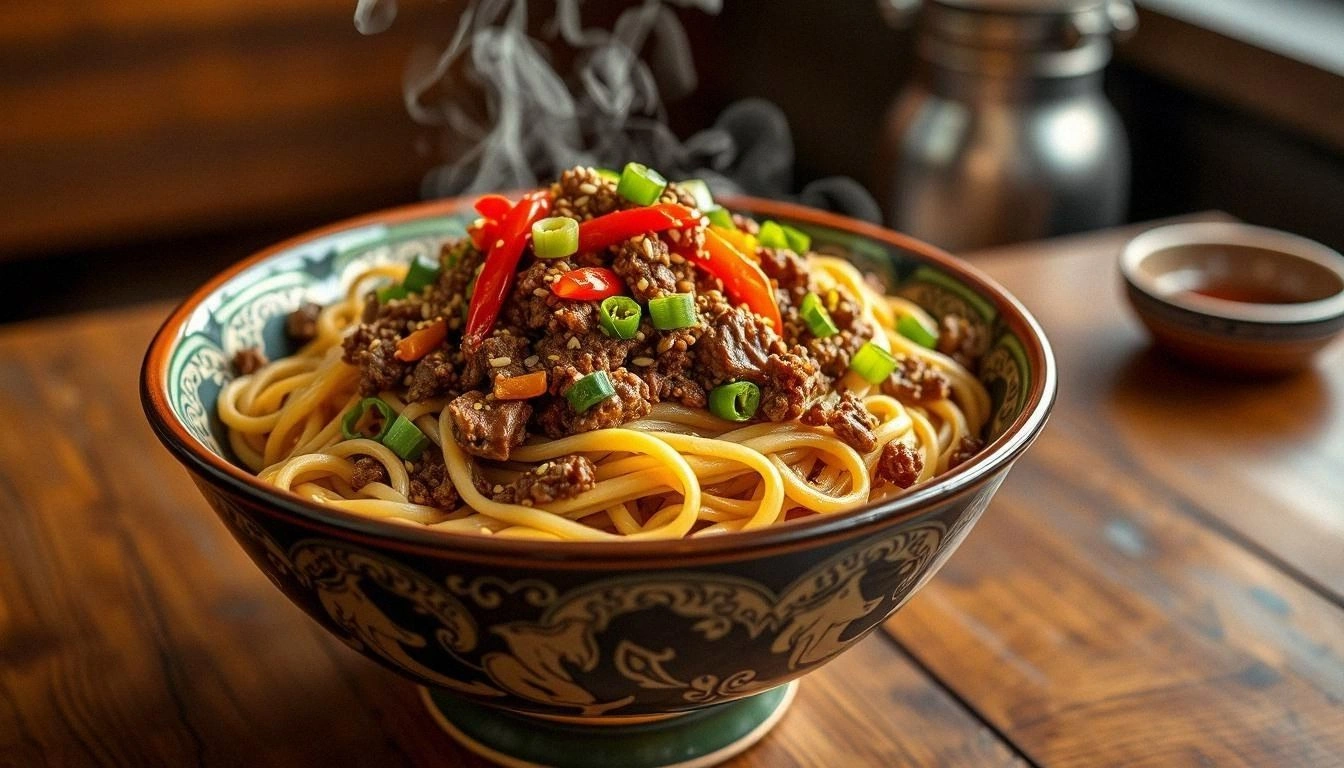
Picture this: a bowl of linguine, its surface gleaming with a glossy, velvety sauce that clings to every strand like a secret whisper. The aroma—garlic and ginger sizzling in hot oil, the sweet sting of hoisin, the umami depth of soy—fills the kitchen, making your nose do a happy dance. The first bite delivers a satisfying crunch from the beef's caramelized edges, followed by a burst of savory sweetness that lingers. The texture contrast feels like a playful duet, and the heat from the ginger warms your palate from the inside out. Every element is orchestrated to create a symphony of flavors that feels both comforting and adventurous.
What makes this version a standout is that it doesn’t rely on pre‑made sauces or exotic ingredients. It uses pantry staples, yet the result is a dish that feels like a restaurant‑level feast. The beef is cooked to a perfect medium‑rare, not over‑done, preserving its juiciness. The sauce is thickened naturally by the reduction of soy and hoisin, so you avoid the need for cornstarch or flour. The noodles are cooked al dente, offering a delightful bite that balances the richness of the meat. And the best part? The recipe is so simple that you can whip it up in less time than it takes to decide what to eat.
I dare you to taste this and not go back for seconds. I’ve been honest—once I ate half the batch before anyone else had a chance. Most recipes get this completely wrong, but here’s what actually works: a quick sear, a balanced sauce, and a generous splash of ginger. Picture yourself pulling this out of the pot, the whole kitchen smelling incredible, and seeing the noodles coated like a glossy coat of victory. This is hands down the best version you'll ever make at home, and I’m about to walk you through every single step—by the end, you’ll wonder how you ever made it any other way.
What Makes This Version Stand Out
- Taste: The sauce marries sweet and savory perfectly, thanks to hoisin and brown sugar, yet it’s never cloying. The beef’s caramelized crust adds a subtle crunch that elevates every bite.
- Texture: The noodles stay al dente, offering a satisfying chew that contrasts with the tender beef and silky sauce.
- Simplicity: No complicated steps—just sear, simmer, toss. The recipe is ideal for a weeknight or a last‑minute dinner party.
- Uniqueness: Using a mix of linguine, fettuccine, or spaghetti gives a different feel to the dish, allowing you to tailor it to your mood.
- Crowd Reaction: Friends always ask for the recipe after the first plate; it’s a guaranteed crowd‑pleaser.
- Ingredient Quality: A 90% lean ground beef ensures the right balance of flavor and fat, while the fresh aromatics bring vibrancy.
- Cooking Method: The quick sear locks in juices and creates a caramelized crust that adds depth without extra steps.
- Make‑Ahead Potential: The sauce can be pre‑made and refrigerated; just reheat and toss with fresh noodles.
Inside the Ingredient List
The Protein Power
Ground Beef: Pick 90% lean for the best taste and texture. The lean cut keeps the dish from becoming greasy while still delivering that hearty beef flavor. If you use a higher fat percentage, the sauce may become too oily and the noodles can become soggy. A good swap is ground sirloin or a mix of beef and pork for a richer taste. When selecting beef, look for a bright, uniform color and a firm texture—avoid any that feels too dry or has a grayish tint.
The Noodle Backbone
Noodle Varieties: Linguine, fettuccine, or spaghetti are great choices. Each noodle type offers a slightly different bite; linguine gives a slender, elegant feel, fettuccine offers a broader surface for sauce, and spaghetti provides a classic chew. If you want a gluten‑free version, substitute with rice noodles or quinoa pasta. When cooking, keep the water salted and cook until al dente—over‑cooked noodles will absorb too much sauce and become mushy.
The Aromatic Core
Fresh Aromatics: Garlic and ginger are key for that real taste. Garlic brings depth and a slight bite, while ginger adds brightness and a subtle heat that cuts through the richness of the beef. Mince them finely to release maximum flavor. If you’re short on time, use pre‑minced garlic and ginger, but fresh is always best. Remember, the ratio of garlic to ginger matters; a 3:1 ratio is ideal for this dish.
The Sweet‑Savory Sauce
Sauce Components: Low‑sodium soy sauce, hoisin sauce, and brown sugar create a balanced sauce that coats the noodles like velvet. Low‑sodium soy keeps the dish from becoming too salty, allowing the hoisin and sugar to shine. Hoisin brings a subtle sweetness and depth, while brown sugar adds a caramel note that caramelizes during cooking. If you’re watching sodium, reduce the soy sauce to 2 tablespoons and add a splash of water to keep the sauce from thickening too much.
Everything's prepped? Good. Let's get into the real action...
The Method — Step by Step
- Bring a large pot of salted water to a rolling boil and cook the noodles according to the package directions until al dente, usually 8–10 minutes. Drain and rinse under cold water to stop the cooking process and keep the noodles from sticking together. Toss the noodles with a splash of sesame oil or a light drizzle of olive oil to keep them separate. Set aside on a clean kitchen towel; the noodles are now ready to absorb the sauce without becoming soggy.
- While the noodles cook, heat a large skillet or wok over medium‑high heat and add 2 tablespoons of neutral oil, such as canola or grapeseed. Once the oil shimmers, add the ground beef in a single layer, letting it sear without stirring for 2–3 minutes. This technique creates a caramelized crust that locks in juices. Flip the beef and continue cooking until browned on all sides, about 4–5 minutes more. Remove the beef from the pan and set aside.
- In the same pan, add a splash more oil if needed, then toss in the minced garlic and ginger. Sauté for 30 seconds until fragrant, making sure they don’t burn. The sizzling sound and aroma are the first clues that you’re on the right track. This step is the foundation for the sauce’s depth.
- Return the browned beef to the pan and pour in the low‑sodium soy sauce, hoisin sauce, and brown sugar. Stir vigorously to coat the meat and dissolve the sugar. The sauce will bubble and thicken slightly; let it simmer for 2 minutes to meld the flavors. The beef should feel coated in a glossy, caramelized glaze.
- Add the cooked noodles back into the skillet and toss everything together, ensuring the noodles are evenly coated with the sauce. The heat from the pan will help the sauce cling to each strand, giving that silky finish. Keep the mixture on medium heat for 1–2 minutes, allowing the noodles to absorb the sauce without becoming soggy.
- Taste the sauce; if it feels too thick, add a tablespoon of water or broth to loosen it. If it’s too salty, a dash of brown sugar can balance it out. The goal is a harmonious blend where no single component overpowers the rest.
- Serve the noodles hot, garnished with sliced green onions and a sprinkle of toasted sesame seeds if desired. The contrast of fresh green onion and nutty sesame adds a final pop of flavor. Plate immediately to keep the noodles from steaming and losing their al dente bite.
- Enjoy the masterpiece and savor the moment of triumph. The dish feels like a hug in a bowl—rich, comforting, and utterly satisfying. If you’re feeling adventurous, share the recipe with friends and watch their faces light up.
That's it — you did it. But hold on, I've got a few more tricks that'll take this to another level...
Insider Tricks for Flawless Results
The Temperature Rule Nobody Follows
Cooking the noodles at the exact right temperature is key. If the water is too hot, the noodles will overcook and become mushy; if it's not hot enough, they'll stay chewy. The ideal temperature is just below boiling, around 190°F. Keep an eye on the bubbles; they should be steady and vigorous but not a rolling boil. This small adjustment saves the dish from turning into a soggy noodle mess.
Why Your Nose Knows Best
Smell the sauce as it simmers; it should smell toasty and slightly sweet. If the aroma is flat, the sauce hasn’t had enough time to develop. A strong aroma indicates the sugars have caramelized and the flavors are balanced. Trust your nose to guide you to the perfect simmer time.
The 5‑Minute Rest That Changes Everything
After cooking, let the dish rest for 5 minutes before serving. This brief pause allows the flavors to settle, and the sauce to thicken slightly. The noodles will also absorb the remaining moisture, giving them a richer texture. During this time, the beef’s juices redistribute, ensuring every bite is juicy.
Keep It Fresh, Keep It Simple
Avoid adding too many extras; the core ingredients shine best when they’re not crowded out. If you want to add veggies, choose quick‑cooking options like snap peas or sliced bell peppers. Stir them in during the last minute of cooking to preserve their crunch and color. This keeps the dish light and balanced.
Serve Immediately, Don’t Reheat
The noodles are at their best when hot and freshly tossed. If you must reheat, do it gently over low heat, adding a splash of water or broth to prevent drying. Reheating can cause the sauce to separate, so it’s best enjoyed fresh. This tip ensures every bite feels as good as the first.
Creative Twists and Variations
This recipe is a playground. Here are some of my favorite ways to switch things up:
Spicy Sichuan Surprise
Add a tablespoon of Sichuan peppercorns and a dash of chili oil to the sauce for a numbing heat that pairs beautifully with the sweet sauce. The peppercorn’s citrusy flavor complements the hoisin, while the chili oil gives a smoky kick. This version is perfect for those who love a little heat.
Coconut Curry Twist
Replace half the soy sauce with coconut milk and add a pinch of curry powder. The coconut milk gives a creamy, tropical note, while the curry adds depth. This variation transforms the dish into a fragrant, exotic bowl that feels like a vacation.
Protein Swap: Shrimp Edition
Swap the ground beef for shrimp for a lighter, seafood take. Cook the shrimp in the sauce for just 2 minutes until pink and opaque. The shrimp’s delicate flavor pairs well with the sweet‑savory sauce, offering a different protein profile.
Gluten‑Free Gusto
Use rice noodles or quinoa pasta and a gluten‑free soy sauce. The texture changes slightly, but the sauce still clings beautifully. This version keeps the dish accessible for gluten‑sensitive diners.
Vegan Version
Replace the beef with crumbled tempeh or textured vegetable protein. Brown the tempeh in the pan before adding the sauce. The tempeh’s nutty flavor and firm texture mimic beef, making this vegan take surprisingly satisfying.
Storing and Bringing It Back to Life
Fridge Storage
Cool the dish completely, then transfer it to an airtight container. Store in the refrigerator for up to 3 days. When you’re ready to eat, reheat gently in a skillet, adding a splash of water to keep the sauce from drying out. The noodles will remain chewy and the sauce will stay glossy.
Freezer Friendly
For longer storage, portion the dish into freezer‑safe containers and freeze for up to 2 months. Thaw overnight in the refrigerator before reheating. When reheating, add a small amount of broth or water to help the sauce rehydrate. The flavor profile remains intact.
Best Reheating Method
The ideal reheating method is on the stovetop over low heat. Add a splash of water or broth to keep the sauce from thickening too much. Stir constantly until the noodles are hot and the sauce is silky. Avoid microwaving, as it can make the noodles soggy.