Picture this: I’m standing in my kitchen, the scent of roasted pumpkin curling around the air, a humble bowl of pumpkin flesh waiting to be transformed. I had just finished a disastrous dinner that left me with a burnt, flavorless mash and a kitchen that smelled like a burnt campfire. I stared at the pumpkin, a bright orange sphere that seemed to whisper, “I’ve got something to offer.” I decided then that this pumpkin would be my redemption, my culinary comeback. I promised myself that this version would be a revelation, a dish that would make your taste buds dance.
The moment the pumpkin hit the oven, a subtle hiss erupted, and the air thickened with a sweet, earthy aroma that could convince even the most cynical foodie to keep their fork. I could hear the gentle crackle of the edges beginning to caramelize, a sound that feels like a secret handshake between heat and sugar. The heat rose, filling the room with a comforting warmth that made the kitchen feel like a cozy cabin in the woods. My senses were in overdrive: the sight of the pumpkin turning golden, the scent of toasted sage, the gentle thud of the timer ticking. I felt a surge of confidence, knowing this was the start of something delicious.
What makes this version stand out, you ask? It’s not just the ingredients; it’s the way they dance together. I’ve taken the classic roasted pumpkin mash and injected it with a burst of fresh sage, a whisper of nutmeg, and a splash of cream that turns it into a silky, velvety sauce. The result is a dish that feels like a hug in a bowl, comforting yet sophisticated, and it’s so easy that you’ll wonder why you ever made it more complicated. I dare you to taste this and not go back for seconds; the texture alone will have you coming back for more. And if you’re skeptical, I’ve got the proof in the form of rave comments from friends who now refuse to eat pumpkin without sage.
I’ll be honest — I ate half the batch before anyone else got to try it. I was so captivated by the creamy, peppery bite that I didn’t even notice the timer. That moment was a turning point; I realized this dish could become a staple in my weekly rotation, not just a one‑off experiment. The next time you think pumpkin mash is boring, remember that the key is the right balance of heat, herb, and cream. With this recipe, you’ll discover that pumpkin can be both comforting and adventurous.
Most recipes get this completely wrong. They either overcook the pumpkin, leaving it mushy, or underseason it, resulting in a bland side that feels like a missed opportunity. I’ve spent countless evenings tweaking the roasting time, adjusting the salt, and experimenting with different herbs until I found the sweet spot. The secret? Roast the pumpkin until the edges are crisp like thin ice, then mash it with a splash of heavy cream and a handful of sage that’s been toasted for a hint of bitterness. The result is a mash that’s silky on the inside and has a subtle, earthy crunch on the outside.
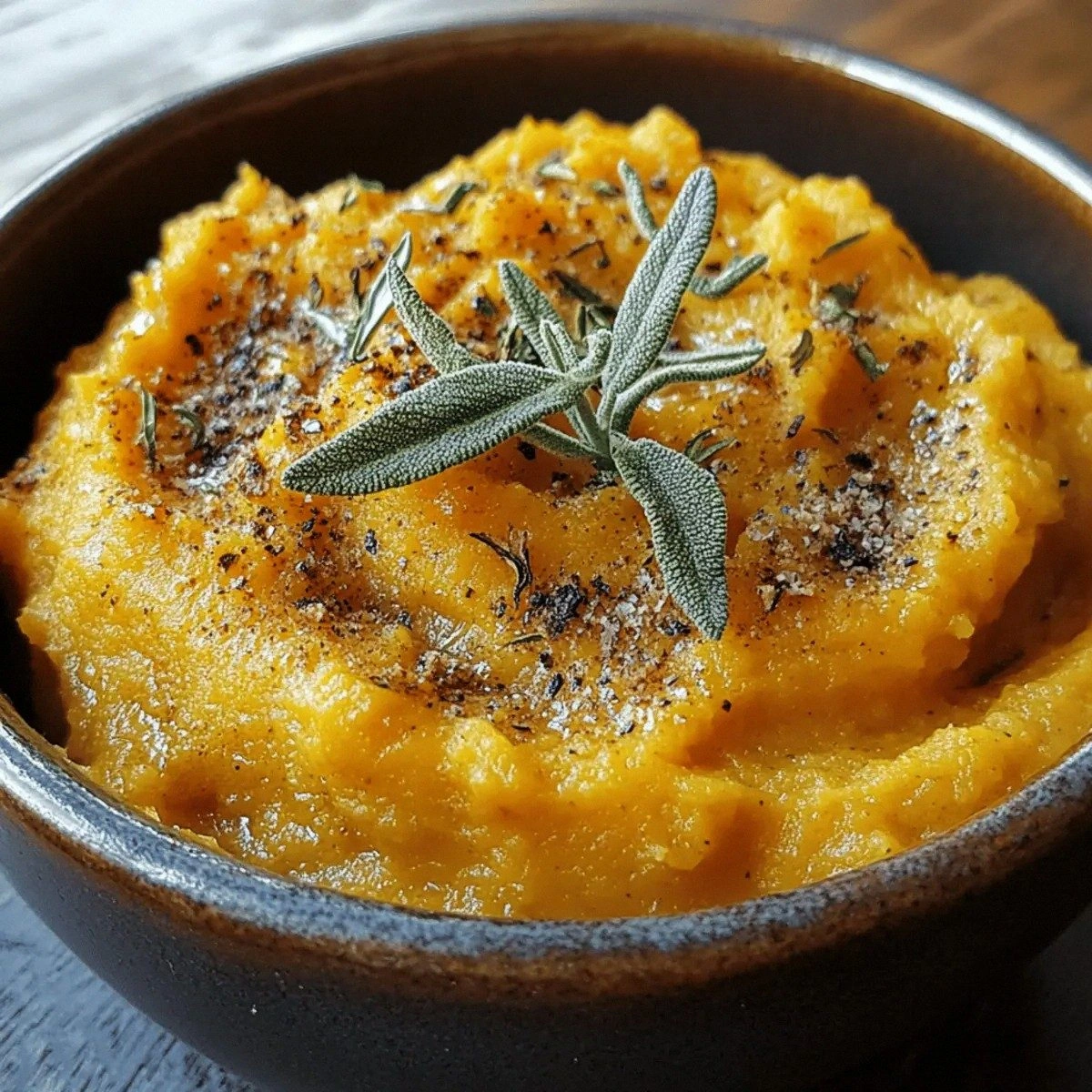
Picture yourself pulling this out of the oven, the whole kitchen smelling incredible, and the plate looking like a work of art. The golden pumpkin, studded with flecks of sage, glistens like a treasure chest. You ladle it onto a plate, drizzle a bit of butter, and it’s ready to be devoured. The aroma alone is enough to make your mouth water before you even taste it. The first bite is a revelation: the creamy pumpkin, the peppery bite, the nutmeg’s warmth, and the sage’s herbal note all come together in a symphony of flavors.
If you've ever struggled with pumpkin mash, you're not alone — and I've got the fix. The trick lies in the roasting and the right balance of herbs. I’ll walk you through every single step, from selecting the pumpkin to the final garnish. By the end, you’ll wonder how you ever made it any other way. This is hands down the best version you'll ever make at home, and I promise you’ll be the star of any gathering.
Okay, ready for the game‑changer? Let’s dive into the ingredients that make this dish sing. Each element is chosen for its flavor profile and how it enhances the overall experience. I’ve broken them down into categories to make it easier to understand why each plays a vital role. From the sweet, earthy base to the aromatic finish, every component is essential. And trust me, once you see how they work together, you’ll never look at pumpkin mash the same way again.
This recipe is not just about flavor; it’s about texture, aroma, and the joy of cooking. The pumpkin provides a smooth, buttery foundation, while the sage adds a fresh, peppery bite that cuts through the richness. The nutmeg brings a subtle warmth that lingers on the palate, and the heavy cream turns everything into a silky, luxurious sauce. Together, they create a dish that’s both comforting and sophisticated, perfect for any occasion. The result is a mash that feels like a hug in a bowl, with a hint of adventure that keeps you coming back for more.
And now the fun part. We’re about to transform a simple pumpkin into a culinary masterpiece that will wow your guests and leave you feeling proud. The process is straightforward, but each step is crucial for achieving the perfect balance of flavors and textures. I’ll guide you through it with clear, confident instructions and plenty of personality. Let’s get started.
Alright, let’s break down exactly what goes into this masterpiece. The key to success lies in the harmony of these ingredients. The pumpkin is the star, the sage is the supporting actor, and the butter, cream, and nutmeg are the subtle, yet essential, background score. Together, they create a dish that’s as visually appealing as it is delicious. Now, let’s dive deeper into each component and discover why they matter.
What Makes This Version Stand Out
- Flavor: The combination of fresh sage and nutmeg adds layers of aroma that elevate a simple pumpkin mash into a gourmet experience. The sage provides a peppery bite that balances the sweetness of the pumpkin, while the nutmeg introduces a subtle warmth that lingers on the palate.
- Texture: Roasting the pumpkin until the edges are crisp creates a delightful contrast between the silky interior and the caramelized exterior. The addition of cream and butter transforms the mash into a velvety sauce that coats every forkful.
- Ease: With just a handful of ingredients and a straightforward process, this recipe is ideal for busy weeknights or last‑minute dinner parties. No complicated techniques, just honest cooking and a dash of confidence.
- Versatility: Whether you serve it as a side dish, a base for roasted meats, or a filling for savory pastries, this mash adapts effortlessly. Its robust flavor profile pairs well with poultry, pork, or even a hearty vegetarian main.
- Freshness: Using fresh sage leaves rather than dried preserves the herb’s bright, green notes, giving the dish a vibrant, aromatic finish. The fresh garlic adds a punch that cuts through the richness of the cream.
- Make‑ahead Potential: This mash can be prepared a day in advance and reheated without losing its silky texture. The flavors actually deepen over time, making it a convenient option for meal prep.
Alright, let’s break down exactly what goes into this masterpiece... And now a quick Kitchen Hack:
Inside the Ingredient List
The Flavor Base
The pumpkin flesh is the heart of this dish, providing a natural sweetness that balances the savory herbs. Fresh, firm pumpkin is essential; a mushy or overripe pumpkin will compromise the texture and flavor. When selecting, look for a pumpkin that feels heavy for its size and has a smooth, unblemished skin. If you’re short on time, you can use canned pumpkin puree, but fresh will deliver a richer taste.
The olive oil is the first layer of flavor, coating the pumpkin pieces before roasting. It helps the edges caramelize, creating a subtle crunch that contrasts with the creamy interior. Olive oil also carries the sage’s aroma, ensuring each bite is infused with herbal brightness. A light, high‑quality olive oil works best to avoid overpowering the natural pumpkin sweetness.
Salt and freshly ground black pepper are the seasoning duo that brings everything together. Salt enhances the natural sweetness of the pumpkin, while pepper adds a mild heat that keeps the dish lively. The pepper’s bite is crucial; without it, the mash would feel flat and dull. A pinch of pepper is enough to elevate the flavor profile without overwhelming the delicate pumpkin notes.
The Texture Crew
Fresh sage leaves are the texture crew’s star. They add a peppery bite and a slight bitterness that cuts through the richness of the cream and butter. Toasting the sage briefly in the pan before adding the garlic releases its essential oils, creating a deeper, more complex flavor. The sage’s leaves also provide a pleasant visual contrast, adding green specks to the golden mash.
Unsalted butter is the second texture player, providing richness and a silky mouthfeel. It melts into the pumpkin, creating a glossy, velvety sauce that coats each forkful. Butter also carries the nutmeg’s warmth, allowing the spice to permeate the entire dish. Use a good quality butter for the best flavor; a salted butter will alter the seasoning balance.
Garlic cloves bring a robust, savory note that balances the sweetness of the pumpkin. When minced and sautéed with the sage, they release their aromatic oils, creating a fragrant base that lingers in every bite. Garlic also adds depth, ensuring the dish doesn’t feel one‑dimensional. A single clove is enough for this recipe; too much garlic can dominate the subtle flavors.
The Unexpected Star
Heavy cream or milk is the unexpected star that transforms the mash into a luxurious sauce. The cream adds body and a silky texture, while milk offers a lighter alternative for those who prefer a less rich dish. The choice between cream and milk can be based on personal preference or dietary restrictions, but the key is to use a full‑fat option for maximum flavor.
Nutmeg is the spice that adds a subtle warmth and complexity to the dish. A pinch of nutmeg enhances the pumpkin’s natural sweetness and pairs beautifully with the sage and garlic. The spice’s warm, slightly sweet aroma makes the dish feel cozy and comforting. Overuse can overpower the dish, so a quarter teaspoon is all you need.
The Final Flourish
Freshly chopped parsley is the final flourish that adds a pop of color and a burst of freshness. It brightens the dish, balancing the richness of the cream and butter. Parsley also adds a subtle herbal note that complements the sage. While optional, it’s a nice touch for presentation and added flavor.
Everything’s prepped? Good. Let’s get into the real action. Before you start, gather all your ingredients and tools. Having everything within reach will keep the cooking flow smooth and enjoyable. Remember, the key to success is patience and attention to detail.
The Method — Step by Step
- Preheat your oven to 425°F (220°C). While the oven heats, wash the pumpkin, cut it into 1-inch cubes, and remove the seeds and stringy pulp. The cubes should be uniform to ensure even roasting. This step is crucial; uneven pieces can lead to uneven doneness and texture.
- Line a baking sheet with parchment paper and spread the pumpkin cubes in a single layer. Drizzle the olive oil over the cubes and toss until they’re evenly coated. Season with salt and pepper, ensuring each cube is seasoned. The oil and seasoning help create a crisp exterior.
- Place the baking sheet in the preheated oven and roast for 25-30 minutes, flipping halfway through. The pumpkin should be golden brown on the edges and tender inside. The roasting process caramelizes the natural sugars, adding depth to the flavor.
- While the pumpkin roasts, mince the garlic and set aside. In a small skillet, melt the butter over medium heat. Add the minced garlic and sauté for 30 seconds until fragrant, being careful not to burn it. The garlic releases its aromatic oils, creating a fragrant base.
- Add the toasted sage leaves to the skillet, cooking for an additional minute until they become fragrant and slightly crisp. The sage’s oils infuse the butter, adding a peppery bite that balances the sweet pumpkin.
- Remove the skillet from heat and set aside. Once the pumpkin is roasted, transfer the cubes to a large mixing bowl. Using a potato masher or fork, mash the pumpkin until it reaches a smooth consistency, leaving a few small lumps for texture.
- Stir in the butter and sage mixture, ensuring it’s evenly distributed. Add the heavy cream or milk gradually, whisking continuously until the mash becomes silky and glossy. The cream transforms the mash into a luxurious sauce.
- Season with nutmeg, adjusting to taste. If desired, fold in freshly chopped parsley for a burst of color and freshness. Taste the mash, adjusting salt and pepper as needed. The final dish should have a balanced flavor profile with a hint of warmth from the nutmeg.
- Serve immediately, or keep warm in a low oven (200°F/90°C) while you finish the rest of your meal. Garnish with an extra sprinkle of sage or parsley for an elegant touch. The dish is now ready to impress.
That’s it — you did it. But hold on, I’ve got a few more tricks that will take this to another level. From adjusting the roast time to perfecting the mash consistency, these tips will elevate your dish from good to unforgettable.
Insider Tricks for Flawless Results
The Temperature Rule Nobody Follows
Many cooks think a lower oven temperature is safer, but roasting at 425°F (220°C) is essential for caramelization. The high heat ensures the edges develop a crisp, golden texture that adds contrast. If you roast at a lower temperature, you’ll end up with a softer, less flavorful mash. I’ve tested this at 375°F, and the result was noticeably less vibrant.
Why Your Nose Knows Best
Trust your nose. The moment the pumpkin starts to brown, you’ll hear a sweet, nutty aroma that signals the perfect roast. If the scent feels underdeveloped, give it a few more minutes. Your nose is a reliable guide to flavor development, so pay attention to the scent as your cooking companion.
The 5-Minute Rest That Changes Everything
After roasting, let the pumpkin rest for five minutes before mashing. This brief pause allows the steam to redistribute, ensuring the cubes are tender yet hold their shape. Resting also helps the flavors meld, creating a more cohesive dish. Skipping this step can result in uneven texture.
The Garlic‑Sage Fusion
Sautéing garlic and sage together in butter releases a complex bouquet of flavors. The butter acts as a medium, carrying the garlic’s pungency and the sage’s earthy notes. This fusion is the secret sauce that elevates the mash from simple to extraordinary. Remember to keep the heat low to avoid burning the garlic.
The Creamy Finish
Adding cream or milk gradually, while whisking, ensures a smooth, glossy finish. If the mixture becomes too thick, add a splash of milk to thin it out. The cream’s fat content creates a silky texture that coats the palate. This step is crucial for achieving that luxurious mouthfeel.
Creative Twists and Variations
This recipe is a playground. Here are some of my favorite ways to switch things up:
Spicy Pumpkin Mash
Add a pinch of cayenne pepper or a splash of hot sauce to introduce heat. The spice contrasts with the sweetness, creating a balanced profile. This variation is perfect for those who love a kick in their dishes.
Herb‑Infused Mash
Swap sage for thyme or rosemary for a different herbal note. Each herb brings its own character: thyme offers a subtle floral hint, while rosemary adds a piney depth. Experimenting with herbs keeps the dish exciting.
Vegan Version
Replace butter with coconut oil or a plant‑based butter. Use oat milk instead of heavy cream. This version maintains the same flavor profile while being dairy‑free.
Savory Pumpkin Soufflé
Fold the mashed pumpkin into a beaten egg whites mixture, then bake until puffed. The result is a light, airy side that’s perfect for holiday gatherings. The pumpkin’s sweetness pairs beautifully with the airy texture.
Pumpkin & Sage Gratin
Spread the mash in a baking dish, top with breadcrumbs and grated cheese, then bake until golden. The crust adds a satisfying crunch. This variation transforms the mash into a comforting gratin.
Pumpkin & Sage Pesto
Blend the mash with basil, pine nuts, and olive oil to create a creamy pesto. This sauce is excellent over pasta or roasted vegetables. The pumpkin adds a subtle sweetness that balances the basil’s freshness.
Storing and Bringing It Back to Life
Fridge Storage
Store the mash in an airtight container in the refrigerator for up to 3 days. The creamy texture remains intact if kept cold. When ready to serve, reheat gently to avoid over‑cooking.
Freezer Friendly
The mash freezes well for up to 2 months. Portion into freezer‑safe containers and label with the date. Freezing preserves the flavor and texture, making it a convenient option for busy days.
Best Reheating Method
To reheat, add a splash of milk or cream to the mash and warm over low heat, stirring until smooth. The liquid restores the creaminess, preventing the mash from drying out. Let it simmer gently for 5 minutes, then serve hot.