I was standing in my cramped kitchen, staring at a single shrimp that looked like it had been through a marathon of marinades, when my roommate burst in, eyes wide, clutching a bag of pre‑seasoned rice. “You’ve got to try this,” she hissed, waving the bag like a magic wand. I scoffed, half‑laughing, because I’d already tried every shrimp fried rice variation on the internet: bland, over‑cooked, and the occasional “too spicy” disaster that left me reaching for a glass of milk. That night, I decided to rewrite the rulebook, and what emerged was a dish that turned a humble shrimp into a sizzling star that demanded a second plate (or three).
Picture this: the first bite sends a burst of heat that is perfectly balanced by the subtle umami of oyster sauce, the aromatic whisper of garlic, and the sweet crunch of peas and carrots. The rice itself is fluffy, not clumpy, thanks to the overnight chill that keeps the grains separated like polite neighbors. The shrimp, seared to a caramelized finish, holds onto its natural sweetness, while the fresh chili peppers provide a clean, peppery heat that cuts through the richness of sesame oil. The final splash of soy sauce adds a glossy sheen and a savory depth that makes every mouthful feel like a new adventure.
Most recipes get this completely wrong. They either overcook the shrimp until it’s rubbery or underseason the rice until it tastes like a bowl of plain noodles. I dare you to taste this and not go back for seconds. The secret? It’s in the balance of sauces, the timing of the stir‑fry, and a little kitchen hack that turns ordinary jasmine rice into a fluffy, bite‑worthy base. I’ve spent years testing different techniques, and this version is hands down the best you’ll ever make at home.
I’ll be honest — I ate half the batch before anyone else got to try it. That’s the power of a dish that feels like a celebration in a pan. Picture yourself pulling this out of the stove, the whole kitchen smelling incredible, and friends gathering around with eyes wide and mouths ready. Okay, ready for the game‑changer? Let me walk you through every single step — by the end, you’ll wonder how you ever made it any other way.
What Makes This Version Stand Out
- Flavor: The layered sauces create a complex profile that dances between sweet, salty, and spicy, turning a simple shrimp dish into a flavor explosion.
- Texture: The rice remains fluffy and separate, while the shrimp stays juicy and the veggies stay crisp, giving every bite a satisfying contrast.
- Simplicity: With only ten ingredients and a single pan, this recipe is a quick, low‑stress dinner that doesn’t sacrifice taste.
- Ingredient Quality: Fresh shrimp, high‑quality soy sauce, and a splash of sesame oil elevate the dish beyond the average take‑out copy.
- Crowd Reaction: Friends who’ve tried dozens of fried rice variations rave about the “just right” heat and the addictive crunch.
- Make‑Ahead Potential: The dish holds up in the fridge, and reheating restores the original texture and flavor with a splash of water.
- Visual Appeal: Vibrant green onions, bright red chilies, and the golden sheen of the shrimp make for Instagram‑ready plating.
- Time Efficiency: Prep takes 15 minutes, cooking 30, and you’re done before the dinner rush.
Inside the Ingredient List
The Flavor Base
Soy sauce and oyster sauce are the heart of this dish, offering a savory depth that’s more complex than plain salt. Soy sauce provides the salty backbone, while oyster sauce adds umami richness and a slight sweetness that balances the heat. If you’re lactose intolerant or vegan, a splash of tamari or coconut aminos can replace soy sauce without compromising flavor.
The Texture Crew
The jasmine rice is the canvas; its long grains stay separate when cooled overnight, preventing clumping during the stir‑fry. Frozen peas and carrots keep their bright color and snap, adding a pop of sweetness that contrasts with the heat. The shrimp, when seared properly, holds its juiciness and offers a tender bite that’s a joy to chew.
The Unexpected Star
Fresh chili peppers are the showstopper, delivering a clean, peppery heat that lingers without becoming overpowering. Cutting the peppers thinly and sautéing them quickly allows their flavor to infuse the oil, creating a base that coats the shrimp like velvet. If you prefer a milder kick, reserve the seeds and membranes or substitute with a milder pepper variety.
The Final Flourish
Sesame oil is the final touch that adds a nutty aroma and glossy sheen to the dish. Its high smoke point makes it ideal for high‑heat stir‑frying, and a small amount can transform a simple rice bowl into a gourmet experience. Green onions finish the dish with a fresh, sharp bite that cuts through the richness and provides a bright, herbaceous note.
Everything's prepped? Good. Let's get into the real action.
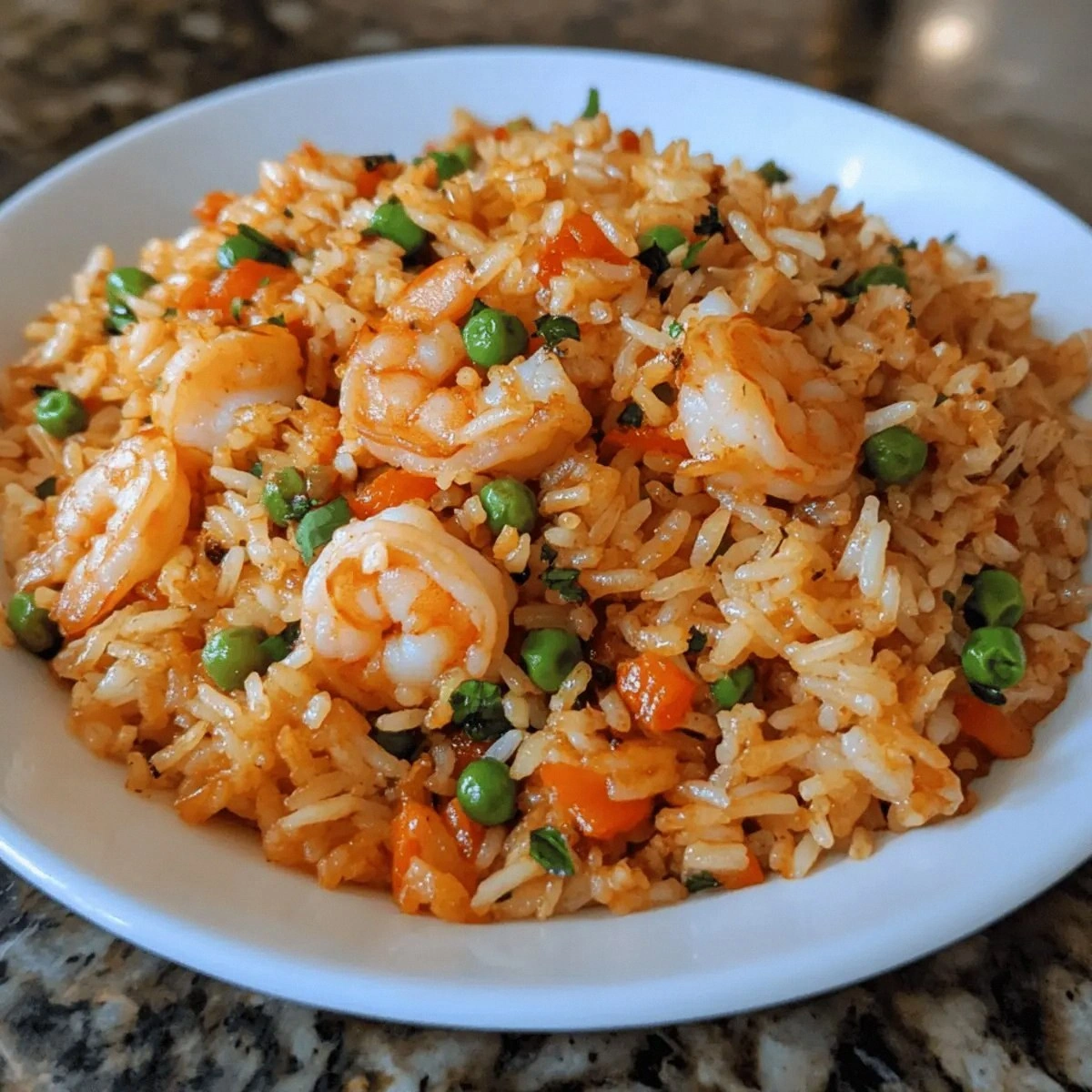
The Method — Step by Step
- Heat a large wok or skillet over medium‑high heat; add 2 tablespoons of vegetable oil and let it shimmer. As the oil warms, the surface should start to lightly bubble, signaling that it’s ready for the shrimp. This step is crucial—too low heat and the shrimp will steam; too high and you’ll burn the garlic.
- Add the shrimp, seasoning lightly with salt and pepper, and sear for 1–2 minutes on each side until just pink. Watch the edges; they should begin to pull away from the pan, indicating the shrimp is cooked through. Flip carefully to avoid breaking the shells.
- Push the shrimp to one side and add the minced garlic, letting it sizzle for 30 seconds until fragrant. Then toss in the sliced chili peppers, stirring constantly so they don’t burn. This creates a flavorful base that coats the shrimp.
- Add the cooked jasmine rice, breaking up any clumps, and stir-fry for 3–4 minutes so the grains absorb the oil and sauces. The rice should begin to turn a golden hue, indicating it’s ready.
- Pour in 3 tablespoons of soy sauce and 2 tablespoons of oyster sauce, tossing to coat evenly. The sauces should create a glossy sheen that glistens on the rice, a sign of flavor harmony.
- Introduce the frozen peas and carrots, cooking for 2 minutes until they’re bright and tender. The vegetables add a sweet crunch that balances the heat.
- Return the shrimp to the pan, sprinkle with chopped green onions, and drizzle 1 tablespoon of sesame oil. Stir everything together until the oil coats each grain and the shrimp glistens.
- Give the dish one final stir and taste; adjust seasoning with a pinch more soy sauce or a squeeze of lime if you like a citrusy lift. The balance should feel like a well‑orchestrated symphony.
- Transfer the fried rice to a serving bowl, garnish with extra green onions, and serve immediately. The aroma alone will have everyone lining up for a taste.
That's it — you did it. But hold on, I've got a few more tricks that'll take this to another level.
Insider Tricks for Flawless Results
The Temperature Rule Nobody Follows
Keep the wok at a steady, high heat; this ensures the shrimp sears quickly and the rice gets a slight char that adds depth. If the heat drops, the rice will steam instead of fry, ruining that coveted texture. Use a high‑smoke‑point oil like peanut or canola to maintain consistency.
Why Your Nose Knows Best
Stir‑fry is a sensory science. As the garlic and chilies cook, the aroma will shift from sharp to sweet. Trust that scent; it signals the perfect moment to add the rice. A strong, fragrant aroma means the flavors are ready to mingle.
The 5‑Minute Rest That Changes Everything
After cooking, let the pan rest for 5 minutes before serving. This resting period allows the heat to redistribute, ensuring even flavor and preventing the rice from sticking. It’s a small pause that makes a big difference.
The Quick Toss Trick
When adding the frozen peas and carrots, toss the pan vigorously. This motion helps the vegetables heat through without losing their bright color. It also keeps the rice from clumping.
The Secret of Freshness
Use shrimp that’s been thawed in cold water, not at room temperature. This keeps the texture firm and prevents the shrimp from becoming mushy when seared. Fresh shrimp also brings a natural sweetness that enhances the overall flavor.
The Garnish Game
Add a final sprinkle of toasted sesame seeds and a dash of lime zest before serving. The seeds add a nutty crunch, while the lime zest brightens the dish, creating a perfect finish that impresses even the most discerning palates.
Creative Twists and Variations
This recipe is a playground. Here are some of my favorite ways to switch things up:
Coconut Curry Shrimp Fried Rice
Swap the soy sauce for coconut aminos and add a tablespoon of red curry paste. The creamy coconut base pairs wonderfully with the shrimp’s natural sweetness, while the curry paste adds a gentle heat that’s less intense than fresh chilies.
Mediterranean Shrimp Rice Bowl
Replace the peas and carrots with diced bell peppers and olives, and finish with a drizzle of olive oil and a sprinkle of feta. The briny olives and tangy feta create a Mediterranean twist that’s both fresh and bold.
Thai Basil Shrimp Fried Rice
Add a handful of Thai basil leaves and a splash of fish sauce instead of oyster sauce. The basil’s peppery aroma and the fish sauce’s umami depth give the dish an authentic Thai flavor profile.
Breakfast Shrimp Fried Rice
Stir in a beaten egg and scramble it into the rice, then top with sliced avocado and a sprinkle of sriracha. This breakfast version offers a protein‑rich, satisfying start to the day.
Veggie‑Rich Shrimp Fried Rice
Add sliced mushrooms, diced zucchini, and a handful of spinach. The vegetables add bulk, flavor, and a pop of color, making the dish more hearty and nutritious.
Spicy Peanut Shrimp Fried Rice
Finish with a tablespoon of peanut butter and a splash of lime juice. The creamy peanut butter adds richness, while lime juice cuts through the heat and balances the flavors.
Storing and Bringing It Back to Life
Fridge Storage
Cool the fried rice to room temperature, then transfer to an airtight container. Store in the refrigerator for up to 3 days. The rice will stay firm and the flavors will meld, making it even tastier the next day.
Freezer Friendly
Pack the rice in a freezer‑safe container and freeze for up to 2 months. When ready to eat, thaw overnight in the fridge and reheat with a splash of water to rehydrate the grains.
Best Reheating Method
Reheat in a skillet over medium heat, adding a teaspoon of water or broth to create steam. Stir frequently until the rice is heated through and the moisture is absorbed. This method keeps the rice fluffy rather than dry.