I was standing in my kitchen, staring at a half‑cooked chicken breast that had somehow managed to stick to the pan like a stubborn piece of toast. The air smelled of burnt garlic, and my phone buzzed with a friend’s message: “You’ve got to try the new Thai peanut sauce I found.” I laughed, but the truth was I was craving something that would rescue that chicken and turn the whole kitchen into a flavor explosion. That moment became the spark that turned a simple dinner into the ultimate Easy Thai Peanut Chicken Recip you’re about to discover.
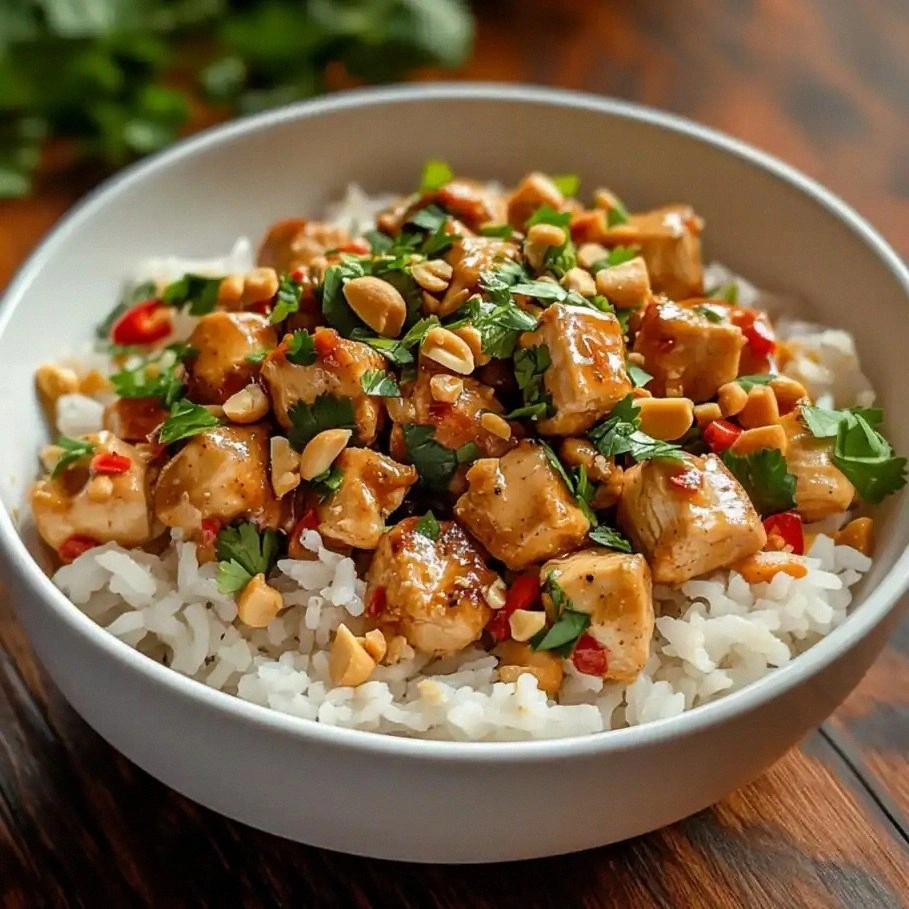
Imagine the first bite: the silky peanut sauce clinging to the chicken, the bright zing of lime, the subtle sweetness of honey, and a whisper of heat that lingers like a secret. The aroma rises, a fragrant blend of toasted sesame and fresh ginger, drawing you in like a siren’s call. Your ears catch the gentle sizzle of the pan, a sound that says the sauce is perfectly caramelized. The texture? Juicy chicken, coated in a glossy, velvety sauce that doesn’t cling to the spoon but instead drapes over the plate like a silk scarf. The finish? A satisfying snap of fresh cilantro and a sprinkle of peanuts that adds a delightful crunch. If you’ve ever felt your taste buds were underwhelmed by a “Thai” dish, this is the antidote you’ve been waiting for.
What sets this version apart is that it’s not just a recipe; it’s a revelation. I discovered that a simple tweak—adding a splash of water to the sauce—creates a silky consistency that floats over the chicken, rather than clinging and weighing it down. The sauce is balanced: salty, sweet, sour, and spicy, all in one harmonious bite. I dare you to taste this and not go back for seconds. And trust me, once you’ve experienced the depth of flavor, you’ll wonder how you ever made it any other way.
Picture yourself pulling this out of the pan, the whole kitchen smelling incredible, the steam curling like a fragrant cloud. The dish looks so good it could star in a food magazine spread, yet it’s made in minutes with pantry staples. This isn’t a recipe that requires a secret sauce or a fancy kitchen gadget. It’s a simple, approachable, and absolutely delicious solution for busy weeknights and lazy weekends alike. Let me walk you through every single step — by the end, you’ll wonder how you ever made it any other way.
What Makes This Version Stand Out
- Flavor Balance: Every bite is a symphony of sweet, salty, sour, and spicy notes that dance on your palate, leaving you craving more.
- Sauce Texture: The addition of a splash of water creates a silky, non‑greasy coating that glides over the chicken like velvet.
- Time Efficiency: From prep to plate, you’re looking at just 45 minutes—perfect for a weeknight dinner that doesn’t feel rushed.
- Ingredient Simplicity: All pantry staples, no need for exotic imports or pre‑made sauces.
- Crowd‑Pleaser: The dish is a hit at potlucks and family dinners, with its bright colors and bold flavors.
- Make‑Ahead Friendly: The sauce can be prepared a day ahead; just reheat and it’s ready to serve.
- Versatility: Swap rice for noodles or add veggies like bell peppers for a complete meal.
- Health Conscious: Low‑sodium soy and natural peanut butter keep it heart‑healthy while still delivering on flavor.
Alright, let's break down exactly what goes into this masterpiece...
Inside the Ingredient List
The Flavor Base
The peanut butter is the heart of the sauce, offering a creamy, nutty foundation that balances the acidity of lime and the heat of chili. If you prefer a vegan version, swap the natural peanut butter for a plant‑based alternative, but keep the thickness the same to maintain that luscious coating.
The Texture Crew
The soy sauce and water create a silky medium that allows the sauce to cling to the chicken without becoming syrupy. Skipping the water will result in a thicker, cloying sauce that can overwhelm the delicate flavors.
The Unexpected Star
Red pepper flakes or chili garlic sauce introduce a subtle heat that awakens the senses. If you’re heat‑averse, reduce the amount to one pinch; if you’re a spice lover, double it and watch the flavor fireworks.
The Final Flourish
Chopped peanuts, green onions, and cilantro add crunch, freshness, and a burst of color. These toppings elevate the dish from a simple stir‑fry to a vibrant, multi‑sensory experience.
Everything’s prepped? Good. Let's get into the real action...
The Method — Step by Step
- Heat the tablespoon of oil in a large skillet over medium‑high heat until it shimmers. Slice the chicken into bite‑sized pieces, season lightly with salt and pepper, and add to the pan. Sear for about 3–4 minutes on each side until golden brown and cooked through. The chicken should emit a pleasant aroma, signaling it's ready to absorb the sauce. Don’t rush this step; a good sear locks in flavor.
- While the chicken cooks, whisk together the peanut butter, soy sauce, lime juice, honey, garlic, ginger, water, and red pepper flakes in a small bowl. Stir until the mixture is smooth and glossy. If the sauce feels too thick, add a splash more water. This is the moment of truth—your sauce should look like liquid gold.
- Once the chicken is seared, reduce the heat to medium and pour the sauce over the chicken. Stir gently to coat each piece. Let it simmer for 2–3 minutes, allowing the sauce to thicken slightly and cling to the chicken. Watch for the sauce to bubble; that’s the sign of proper caramelization.
- Add the chopped peanuts, green onions, and cilantro to the pan. Stir everything together, letting the aromatics infuse the sauce. The peppers should soften just enough to release their fragrance, but not so much that they lose crunch.
- Serve the dish over steamed rice or cooked noodles. The rice acts as a neutral base, soaking up the sauce, while noodles add a chewy contrast. The dish looks as good as it tastes, with a burst of color from the green onions and cilantro.
- Taste the sauce and adjust seasoning. If it’s too salty, add a squeeze of lime; if it’s too sweet, a pinch of salt will balance it out. The sauce should be bright and not cloying.
- Plate the chicken, drizzle any remaining sauce, and garnish with extra peanuts or cilantro if desired. The final presentation should look inviting—think a glossy, colorful plate that makes you want to dig in immediately.
- Enjoy! The dish is best served hot, but if you’re planning ahead, you can refrigerate the sauce and chicken separately and reheat them gently.
That's it — you did it. But hold on, I've got a few more tricks that'll take this to another level...
Insider Tricks for Flawless Results
The Temperature Rule Nobody Follows
Many cooks keep the heat too high, causing the sauce to burn and the chicken to dry out. Aim for medium‑high for searing, then switch to medium when adding the sauce. This subtle change preserves moisture and keeps the sauce silky.
Why Your Nose Knows Best
Before tasting, give the dish a quick sniff. A strong, fresh citrus aroma means the lime is fresh and the sauce is balanced. If the scent is flat, add a splash of lime or a pinch of salt to revive it.
The 5‑Minute Rest That Changes Everything
Let the cooked chicken rest on a plate for 5 minutes before serving. This allows the juices to redistribute, keeping each bite moist and flavorful. The sauce also thickens slightly during this rest, making it even more luscious.
The Quick Rice Trick
When cooking rice, add a tablespoon of lime zest to the water. It infuses the grains with a subtle citrus note that complements the dish perfectly.
The Peanut Butter Swap
If you’re allergic to peanuts, try almond or cashew butter. The flavor profile will shift slightly but remain creamy and nutty. Just ensure the butter has a smooth consistency.
The One‑Pot Wonder
For a cleaner kitchen, cook the rice in the same pan after the chicken. Add the rice, water, and a pinch of salt, then cover and simmer until the liquid is absorbed. The rice will soak up all the sauce flavors.
Creative Twists and Variations
This recipe is a playground. Here are some of my favorite ways to switch things up:
Spicy Pineapple Edition
Add diced pineapple and a splash of fish sauce to the sauce. The sweetness of the fruit balances the heat, creating a tropical twist that pairs wonderfully with coconut rice.
Sausage & Veggie Kick
Replace the chicken with sliced Italian sausage and toss in sliced bell peppers and zucchini. The sausage’s smoky flavor adds depth, while the veggies keep it light.
Coconut Cream Variation
Stir in a tablespoon of coconut milk into the sauce for a richer, creamier texture. The coconut undertone pairs nicely with the peanut butter, making it feel like a dessert.
Gluten‑Free Swap
Use tamari instead of soy sauce and serve over cauliflower rice. It keeps the dish gluten‑free without sacrificing flavor.
Vegan Takeaway
Replace the chicken with tempeh or seared tofu. The tofu will absorb the sauce just as well, giving you a protein‑rich, plant‑based meal.
Herb‑Infused Finale
Add a handful of fresh basil or mint to the sauce during the last minute of simmering. The herbs bring a refreshing finish that contrasts the richness of the peanut butter.
Storing and Bringing It Back to Life
Fridge Storage
Store the sauce and chicken separately in airtight containers for up to 3 days. Reheat the sauce in a saucepan over low heat, whisking frequently, until it’s warm and silky.
Freezer Friendly
Freeze the sauce in a freezer‑safe bag for up to 2 months. Thaw overnight in the fridge before reheating. The texture remains smooth if you stir in a splash of water.
Best Reheating Method
Reheat the chicken in a skillet over medium heat, adding a tablespoon of water or broth to keep it moist. The sauce can be warmed in a microwave, stirring every 30 seconds to avoid separation.