I still remember the night my kitchen turned into a battlefield, the skillet clanging like a drum, the smell of onions sizzling, and my turkey meat splattering across the pan like confetti. I had promised myself a simple dinner, but the reality was a mess of brown bits, a burnt crust, and a sauce that tasted like it had been left to sit in a pot for weeks. That disaster sparked a dare I gave myself: create a turkey Bolognese so good that even my skeptical roommate would admit defeat and ask for seconds.
Picture this: a pot of sauce bubbling with a deep, earthy aroma that lingers in every corner of the kitchen, a spoonful of sauce that coats pasta like velvet, and a plate that looks like it was served straight from a Michelin‑star restaurant. I’m not exaggerating—this dish is the kind of comfort food that turns an ordinary evening into a culinary celebration. The moment the sauce hits the pan, the sizzle is a siren, the aroma is a hug, and the anticipation is palpable.
What sets this version apart from the countless turkey Bolognese recipes you’ll find online is the meticulous balance of flavor, texture, and simplicity. I’ve trimmed the sauce to the essentials, removed any unnecessary heaviness, and added a secret ingredient that elevates the entire dish. The result is a sauce that is rich, yet light, and a pasta that holds the sauce perfectly without becoming mushy. I dare you to taste this and not go back for seconds.
I’ll be honest—when I first cooked this, I ate half the batch before anyone else even got to a spoon. But that’s the proof you’re in good hands: the sauce is so addictive that you’ll find yourself reaching for more. Stay with me here—this is worth it. By the end, you’ll wonder how you ever made it any other way.
What Makes This Version Stand Out
- Flavor: The sauce is a symphony of tomato, herb, and a splash of red wine that deepens the umami without overpowering the lean turkey.
- Texture: The finely diced vegetables create a silky consistency, while the turkey stays tender and moist.
- Ease: Every step is straightforward, no need for fancy equipment or obscure ingredients.
- Health: Lean turkey keeps the dish low in fat, and the vegetables boost fiber and vitamins.
- Versatility: It pairs beautifully with spaghetti, fettuccine, or even a low‑carb zucchini noodle.
- Make‑ahead: The sauce keeps well in the fridge for up to five days and freezes beautifully.
- Crowd‑pleaser: Even the pickiest eaters will fall in love with the comforting, familiar flavors.
Alright, let's break down exactly what goes into this masterpiece. And now the fun part.
Inside the Ingredient List
The Flavor Base
The foundation of any great Bolognese is the aromatics: onions, carrots, celery, and garlic. These vegetables, when sautéed until translucent, release a natural sweetness that balances the acidity of the tomatoes. Each one plays a distinct role—carrots for subtle sweetness, celery for a peppery bite, and onions for depth. If you skip any, the sauce will feel flat and one‑dimensional. For a budget-friendly twist, use frozen diced vegetable mixes; they’re just as flavorful and save prep time.
The Protein Power
Lean ground turkey is the star of this dish, offering a milder flavor than beef while keeping the calorie count lower. The key is to avoid overcooking; turkey dries out quickly, so cook it just until no longer pink. If you prefer a richer bite, substitute half of the turkey with ground pork or a mix of pork and turkey. When buying turkey, look for 93% lean to ensure a balance between flavor and health.
The Unexpected Star
Red wine or chicken broth is the secret that deepens the sauce’s complexity. The alcohol evaporates, leaving behind a subtle depth that pairs wonderfully with the tomatoes. If you’re not a fan of wine, a splash of balsamic vinegar can mimic the same acidity. This ingredient is optional, but trust me, it makes the difference between “good” and “great.”
The Final Flourish
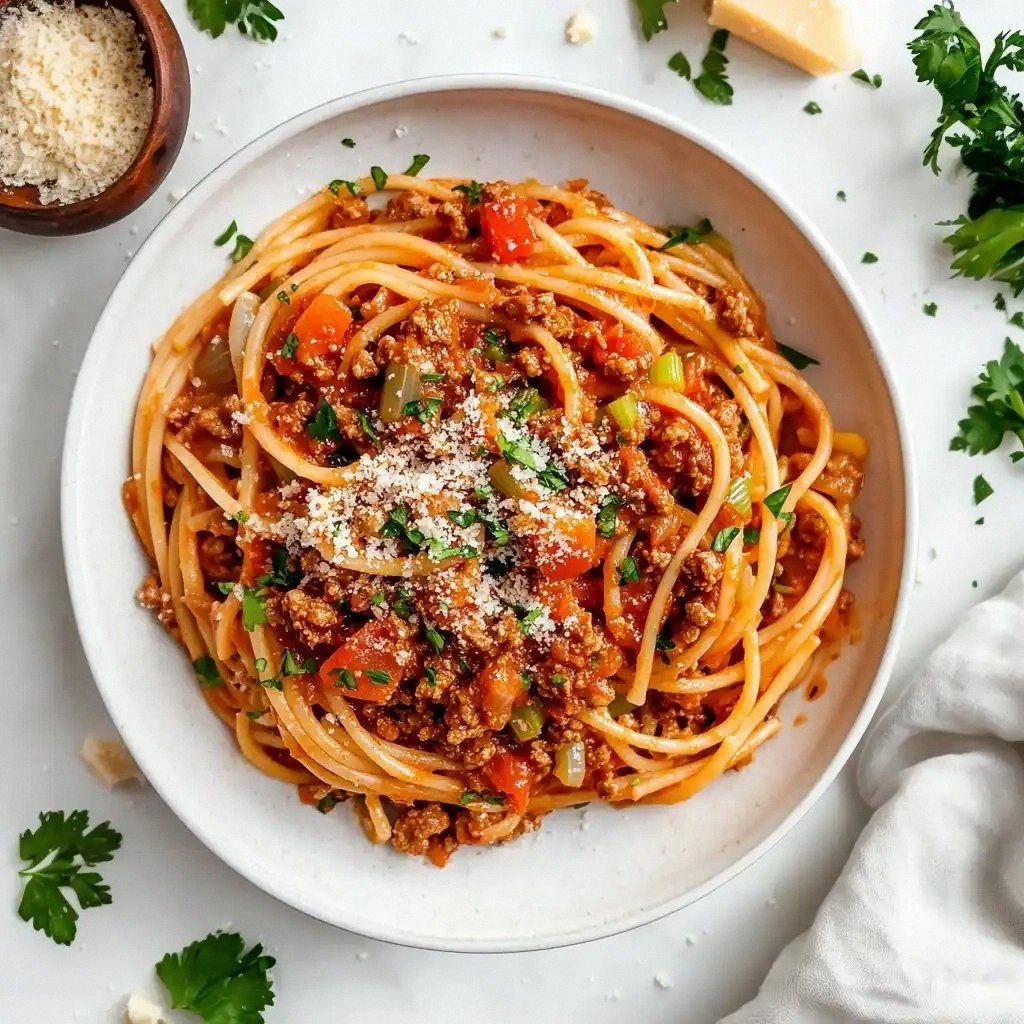
Fresh herbs like basil or parsley add a bright, herbal note that cuts through the richness of the sauce. Grated Parmesan cheese on top offers a salty, nutty finish that elevates every bite. The combination of herbs and cheese turns a simple dish into a gourmet experience. If you’re vegan, skip the cheese and add nutritional yeast for a cheesy flavor.
Everything's prepped? Good. Let's get into the real action.
The Method — Step by Step
- Prepare the aromatics: Dice the onion, carrots, celery, and mince the garlic. Heat the olive oil in a large skillet over medium heat until shimmering. Add the diced vegetables and sauté until they soften and start to caramelize, about 8 minutes. The scent should be sweet and inviting. Stir occasionally to prevent sticking.
- Introduce the turkey: Push the veggies to the side, then add the ground turkey. Break it apart with a wooden spoon and let it sear, turning occasionally, until it’s browned and no longer pink, about 5 minutes. This step locks in flavor. Keep the heat medium to avoid burning.
- Deglaze the pan: Pour in the red wine or chicken broth, scraping up any browned bits from the bottom of the skillet. Let the liquid reduce by half, concentrating the flavor. The aroma should become richer and more complex. If you’re using wine, let it simmer until most of the alcohol evaporates.
- Add tomato paste and crushed tomatoes: Stir in the tomato paste, letting it coat the meat and veggies. Then pour in the crushed tomatoes and stir until well combined. The sauce should thicken slightly. This is the base of your Bolognese.
- Season the sauce: Add Italian seasoning, red pepper flakes, salt, and black pepper. Stir well, tasting as you go. The sauce should have a balanced heat and depth. Adjust seasoning if necessary.
- Simmer gently: Reduce heat to low and let the sauce simmer for 25 minutes, partially covered. Stir occasionally to prevent sticking. The sauce should reduce and thicken, developing a glossy sheen.
- Cook the spaghetti: While the sauce simmers, bring a large pot of salted water to a boil. Add the spaghetti and cook until al dente, about 9 minutes. Drain, reserving a cup of pasta water.
- Combine pasta and sauce: Toss the drained spaghetti with the Bolognese sauce, adding pasta water as needed to reach desired consistency. The pasta should be coated evenly. Let it sit for a minute to absorb flavors.
- Finish with herbs and cheese: Sprinkle chopped basil or parsley and grated Parmesan over the top. Serve hot, perhaps with a side of garlic bread or a fresh salad.
- Enjoy: Plate the pasta, drizzle a little olive oil, and watch the steam rise. This is the moment of truth. Take a bite and let the flavors dance. I dare you to not go back for seconds.
That’s it— you did it. But hold on, I've got a few more tricks that'll take this to another level. The next section will show you how to elevate the dish with insider tips.
Insider Tricks for Flawless Results
The Temperature Rule Nobody Follows
Many cooks think high heat is always better, but for a Bolognese, low and slow wins. Keep the sauce at a gentle simmer; this allows the flavors to meld without the tomatoes breaking down too quickly. I once tried a high‑heat method and ended up with a watery sauce that lacked depth. The trick is patience—let the sauce reduce slowly, and you’ll get a silky, robust finish.
Why Your Nose Knows Best
Your nose is the best judge of doneness. When the sauce smells toasty, caramelized, and slightly sweet, it’s ready. The aroma should be rich but not burnt. If it smells acidic, give it a few more minutes. Trust your senses, and you’ll never overcook.
The 5‑Minute Rest That Changes Everything
After cooking, let the sauce rest off the heat for five minutes before serving. This allows the flavors to settle and the sauce to thicken slightly. A friend once skipped this step, and the sauce was too liquidy when he served it. The rest period is a small investment for a big payoff.
The Secret Ingredient Swap
If you’re feeling adventurous, swap the red wine for a splash of apple cider vinegar. The acidity will brighten the sauce, and the subtle fruitiness adds a new dimension. Just use half the amount to avoid overpowering the dish. This is a great option for those who prefer a non‑alcoholic version.
The Pasta‑Sauce Ratio
The ideal pasta-to-sauce ratio is roughly 1:1.5. If you use too much pasta, the sauce will look thin. If you use too little, it’ll feel heavy. I like to reserve a cup of pasta water to adjust the consistency on the fly. This trick ensures every bite is perfectly coated.
Creative Twists and Variations
This recipe is a playground. Here are some of my favorite ways to switch things up:
Spicy Cajun Twist
Add a tablespoon of Cajun seasoning to the aromatics and a pinch of smoked paprika. The sauce gains a smoky heat that pairs well with the turkey. Serve over garlic buttered noodles for a southern flair.
Mediterranean Medley
Replace the crushed tomatoes with sun‑dried tomato paste and add chopped kalamata olives. Finish with a squeeze of lemon juice for brightness. This version is perfect for a warm summer evening.
Cheesy Cauliflower Crumble
Roast cauliflower florets until golden, then fold them into the sauce. The cauliflower adds texture and absorbs the sauce beautifully. Sprinkle with shredded mozzarella for an extra gooey layer.
Asian Fusion
Swap the Italian seasoning for five‑spice powder and add a splash of soy sauce. Garnish with sliced scallions and toasted sesame seeds. This gives the dish an umami kick and a hint of umami.
Vegan Version
Replace turkey with lentils or crumbled tofu. Use vegetable broth instead of wine and add nutritional yeast for a cheesy flavor. The result is a hearty, plant‑based Bolognese that satisfies the soul.
Low‑Carb Delight
Swap spaghetti for spiralized zucchini or shirataki noodles. Keep the sauce the same for a low‑carb, high‑protein dinner. This is ideal for keto or paleo diets.
Storing and Bringing It Back to Life
Fridge Storage
Cool the sauce completely before transferring it to an airtight container. Store in the refrigerator for up to five days. The flavors deepen, making it even more delicious the next day. Use a glass container for best results.
Freezer Friendly
Divide the sauce into portioned containers, leaving space for expansion. Freeze for up to three months. When thawing, let it sit overnight in the fridge, then reheat gently on the stove. Add a splash of water if the sauce thickens too much.
Best Reheating Method
Reheat the sauce over low heat, stirring frequently. Add a tiny splash of water or broth to restore moisture. Bring to a gentle simmer, then serve over freshly cooked pasta or noodles. The sauce will regain its silky texture.