I was halfway through a week of bland, forgettable desserts when my oven decided to throw a tantrum—flaky pastry turned into a sad, soggy mess that looked like it had been through a mudslide. That night, with a sigh and a craving for something that could actually make people gasp, I stared at the pantry and whispered, “I’m going to invent a pastry that makes everyone forget this kitchen disaster.” The idea was simple: use puff pastry, almond paste, and a sprinkle of love.
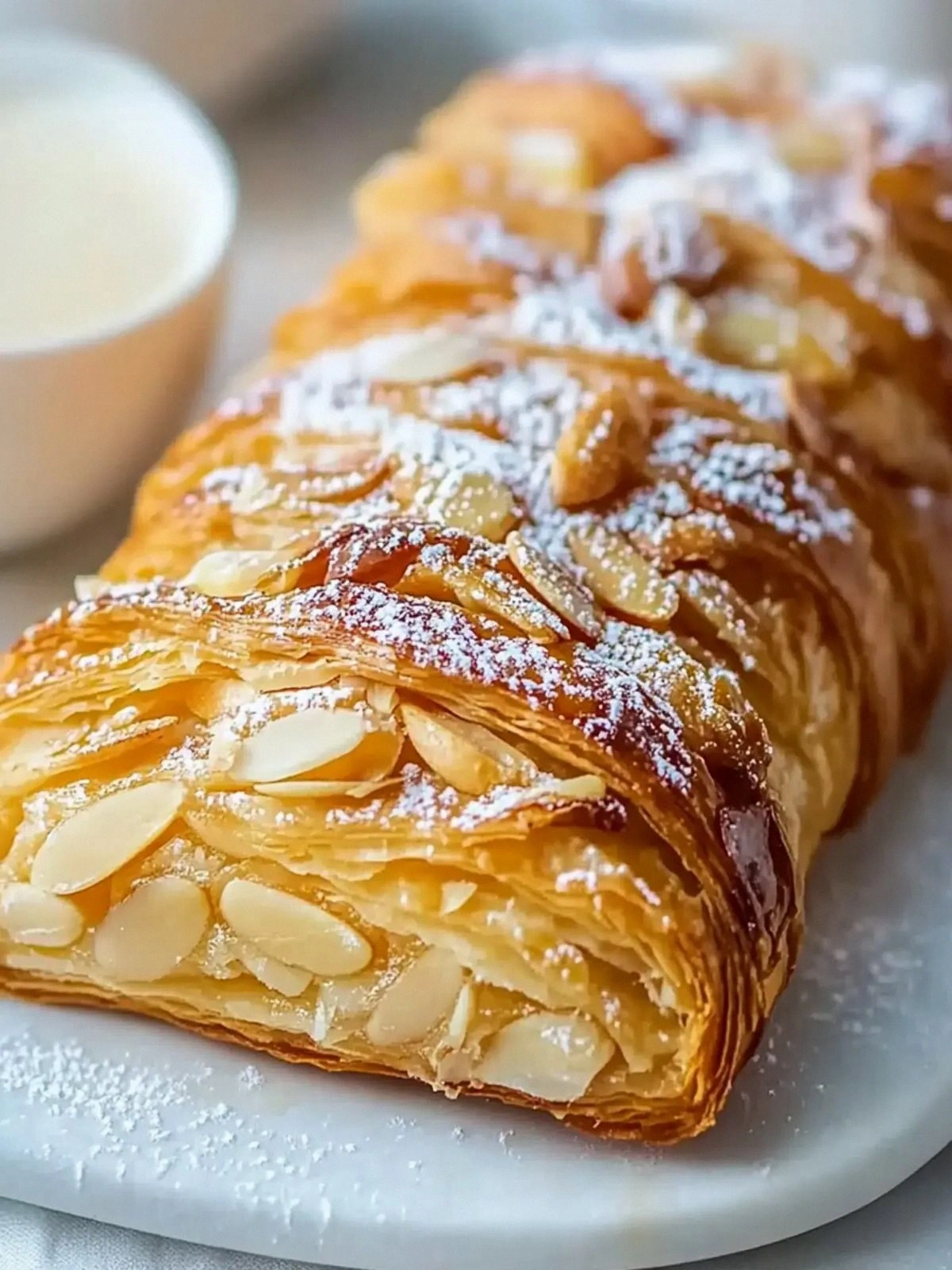
Picture this: a golden sheet of pastry, its layers separated like the pages of a well‑torn cookbook, the sweet scent of toasted almonds drifting through the air, the sound of butter melting into the paste, and a glossy glaze that catches the light like a polished gem. The moment the first bite hits your tongue, the buttery crunch gives way to a silky, nutty center that feels like a secret whispered by an old friend. The texture is a paradox—crisp on the outside, tender on the inside, and the almond paste sings a sweet, almost buttery lullaby that lingers long after the last crumb.
What sets this version apart is the meticulous layering of flavors and textures that most recipes miss. By folding the almond paste into the pastry, I create a marriage that feels like a delicate dance rather than a clumsy mash‑up. The toasted almonds add a crunch that balances the softness, while the powdered sugar finish gives an ethereal finish that feels almost like a cloud. If you’re tired of the same old flaky pastries that fall apart, this recipe will change your mind forever.
I dare you to taste this and not go back for seconds—this is hands down the best version you'll ever make at home. I’ll be honest—by the time I finished the first batch, half the tray was gone before anyone else had a chance to try it. Most recipes get this completely wrong, but here’s what actually works: a light hand with the almond paste and a quick, high‑heat bake that locks in the layers before they mingle. The secret? A splash of egg wash that gives a glossy sheen and a golden crust that crackles like a fresh snowfall.
Picture yourself pulling this out of the oven, the whole kitchen smelling incredible, and seeing that golden sheen that promises a buttery, almond‑infused bite. The anticipation builds as you slide the tray onto a cooling rack, and the sizzle that hits the pan? Absolute perfection. This is the moment you realize you’ve just created a masterpiece that will make your guests reach for seconds. Stay with me here—this is worth it.
Okay, ready for the game‑changer? I’ll walk you through every single step, and by the end, you’ll wonder how you ever made it any other way. From the first sheet of puff pastry to the final dusting of powdered sugar, each moment is carefully choreographed to bring out the best in every ingredient. Trust me, the results are worth the effort, and the satisfaction is immeasurable. Let’s get started.
What Makes This Version Stand Out
- Flavor: The almond paste provides a rich, nutty sweetness that balances the buttery pastry, creating a harmonious bite that feels both indulgent and comforting.
- Texture: The layers of puff pastry separate just enough to give a crisp, flaky bite, while the almond paste keeps the interior tender and moist.
- Visual Appeal: The golden crust, glossy sheen, and dusting of powdered sugar make each piece a work of art that looks as good as it tastes.
- Ease: Despite its sophistication, the recipe requires minimal prep—just a sheet of pastry, a handful of almond paste, and a few pantry staples.
- Versatility: It can be served as a dessert, snack, or brunch item, and it pairs beautifully with coffee, tea, or a glass of sparkling wine.
- Make‑Ahead Potential: The pastries can be assembled ahead of time and baked just before serving, making it a perfect choice for gatherings.
Alright, let's break down exactly what goes into this masterpiece. Each element is chosen for its ability to elevate the pastry from simple to sensational. The puff pastry provides the flaky foundation, the almond paste delivers depth, and the toasted almonds add that satisfying crunch. The powdered sugar finish gives a delicate sweetness that rounds out the flavor profile. The combination is so flawless that even a seasoned baker will find themselves craving a second batch.
Inside the Ingredient List
The Flavor Base
Almond paste is the heart of this pastry, offering a smooth, sweet, and slightly bitter almond flavor that permeates every bite. It’s essential for creating that luscious, melt‑in‑your‑mouth center. If you skip it, the pastry becomes dry and lacks depth. For a more intense nutty taste, you can blend in a teaspoon of almond extract.
The Texture Crew
Unsalted butter and puff pastry work together to create a flaky, buttery crust that rises beautifully in the oven. The butter melts into the pastry, forming layers that separate cleanly when baked. If you use salted butter, the pastry will taste overly salty, masking the almond’s sweetness. A pinch of salt can enhance flavor, but keep it minimal.
The Sweetener
Granulated sugar balances the almond paste’s natural bitterness, while powdered sugar provides a delicate finish that coats the pastry like a fine dusting of snow. Both sugars are crucial for achieving the right level of sweetness. If you prefer a lower sugar content, reduce the granulated sugar by 25% and increase the almond paste slightly.
The Crunch Factor
Sliced almonds add a crunchy contrast that breaks up the buttery layers and enhances the almond flavor. They also provide a visual pop of color and texture. If you’re allergic to nuts, substitute with chopped toasted hazelnuts or dried cranberries for a different twist. The key is to toast them lightly for a nutty aroma.
The Final Flourish
The egg wash gives the pastry a golden sheen and helps the powdered sugar adhere. It also adds a subtle richness to the crust. If you’re vegan, replace the egg with a tablespoon of melted coconut oil or a flax egg. This will keep the pastry golden and flaky.
Everything's prepped? Good. Let's get into the real action. The real fun begins when you start to fold the almond paste into the pastry, and every bite will sing a new song. The aroma will fill your kitchen and set the mood for the next steps. Keep your eyes on the pastry as it rises, and your senses will guide you to the perfect finish.
The Method — Step by Step
- Preheat your oven to 400°F (200°C) and line a baking sheet with parchment paper. Let the oven heat up fully; a hot oven is essential for that perfect puff. While the oven warms, keep your ingredients at room temperature so they blend smoothly. The dough will rise faster if everything is warm, preventing any unevenness. This step is the foundation for the entire pastry.
- Unfold the puff pastry sheet and lay it on a lightly floured surface. Gently press down with a rolling pin to slightly flatten it; avoid over‑rolling to maintain the flaky layers. Trim the edges to a uniform rectangle, about 10 inches by 8 inches, to ensure even baking. A well‑cut pastry ensures each bite is consistent. This is where precision pays off.
- In a small bowl, mix the almond paste with the granulated sugar until smooth. The sugar helps dissolve the paste slightly, creating a silky texture. Stir in the unsalted butter until fully incorporated; this will add a buttery sheen to the filling. If the mixture feels too thick, add a teaspoon of milk or water to loosen it. The result should be a glossy, spreadable paste.
- Spread the almond mixture evenly over the pastry, leaving a ½-inch border around the edges. This border will become the crisp, golden crust when baked. Use a spatula to smooth the top, ensuring no air pockets. The border also helps the pastry hold its shape during baking. The almond paste should be thin enough to spread but thick enough to hold its form.
- Fold the pastry over the filling in a tight rectangle, sealing the edges by pressing them together. If you want a decorative look, fold in a simple pleat pattern along one side. This step locks the layers and creates a neat shape. The seam should be tight to prevent the filling from leaking. This is a crucial step for the final presentation.
- Brush the top of the pastry with beaten egg, creating a glossy, golden surface when baked. The egg wash also helps the powdered sugar adhere later. Use a pastry brush for even coverage. This step gives the pastry a professional finish. The shine is the first hint of the deliciousness to come.
- Place the pastry on the prepared baking sheet and bake for 18–20 minutes, or until the edges are golden brown and the pastry has puffed. Keep an eye on the color; the crust should be a deep golden hue. If it browns too quickly, tent it with foil. The interior should be warm and the almond paste should be slightly melted. This is the moment of truth.
- Remove the pastry from the oven and let it cool on a rack for 10 minutes. This short cooling period allows the layers to set and the almond paste to thicken slightly. While it cools, dust the top with powdered sugar for a sweet finish. The powdered sugar should cling to the surface, creating a delicate cloud of sweetness. This final touch completes the pastry’s journey.
That’s it— you did it. But hold on, I've got a few more tricks that'll take this to another level. The next time you bake these pastries, consider adding a splash of vanilla extract to the almond paste for an extra layer of aroma. A sprinkle of sea salt on top before baking can enhance the nutty flavor. These subtle changes will elevate the pastry from great to unforgettable.
Insider Tricks for Flawless Results
The Temperature Rule Nobody Follows
Many bakers bake at 375°F, but this recipe thrives at 400°F. The higher temperature creates a dramatic rise and a crisp edge. If you lower the heat, the pastry will be dense and the almond paste won’t melt properly. The trick is to preheat the oven for at least 15 minutes to ensure even baking. Trust me, the difference is palpable.
Why Your Nose Knows Best
The first aroma that signals perfection is a sweet, nutty scent mingled with a buttery, yeasty note. If the smell is too metallic, the butter may have oxidized. If the scent is too sweet, the sugar has caramelized too early. Use your nose as a guide; a balanced aroma means the pastry is ready. This sensory checkpoint is critical for achieving the ideal flavor profile.
The 5-Minute Rest That Changes Everything
After baking, let the pastry rest for exactly five minutes before dusting with powdered sugar. This allows the layers to set and the almond paste to thicken slightly. Skipping this step can cause the pastry to collapse or the sugar to fall off. A short rest also ensures the pastry stays moist and tender. It’s a small detail that makes a big difference.
The Quick Chill for Crunch
If you want a crunchier crust, chill the pastry in the refrigerator for 15 minutes before baking. The cold temperature helps the fat in the pastry solidify, creating a crispier texture. Just be sure to let it sit at room temperature for 5 minutes before baking to avoid a soggy center. This trick is perfect for those who love a crunchy bite.
Creative Twists and Variations
This recipe is a playground. Here are some of my favorite ways to switch things up: swap almond paste for hazelnut spread for a different nutty profile. Add dried cranberries to the filling for a tart contrast that pairs beautifully with the sweetness. Use dark chocolate chips in the pastry for a chocolatey twist. For a savory version, replace the almond paste with a cheese spread and add herbs.
Try a citrusy version by adding a tablespoon of lemon zest to the almond paste. The bright citrus lifts the flavor and adds a refreshing note. For a holiday touch, sprinkle a pinch of ground cinnamon into the pastry before baking. The warm spice pairs wonderfully with the almond’s nutty sweetness. These variations keep the recipe fresh and exciting.
If you’re looking for a healthier take, reduce the sugar by 25% and increase the almond paste slightly. The natural sweetness of the paste will compensate. For a vegan version, replace the butter with coconut oil and use a flax egg to bind. The result is a flaky, nutty pastry that’s plant‑based and just as delicious. Experimenting with these tweaks will keep your kitchen adventure alive.
For an indulgent dessert, drizzle a simple caramel sauce over the cooled pastries. The caramel’s buttery sweetness complements the almond flavor and adds a glossy finish. Serve with a scoop of vanilla ice cream for a decadent treat. The combination of warm pastry, caramel, and cold ice cream is pure bliss. This variation is perfect for special occasions.
Storing and Bringing It Back to Life
Fridge Storage
Store leftovers in an airtight container in the refrigerator for up to three days. The pastry will stay moist and the almond paste will retain its texture. When ready to serve, let them sit at room temperature for 10 minutes to restore the flaky exterior. Avoid microwaving as it can make the pastry soggy. A quick oven reheat at 350°F for 5 minutes will revive the crunch.
Freezer Friendly
Freeze the pastries in a single layer on parchment paper, then transfer to a freezer bag. They can be stored for up to two months. To reheat, thaw at room temperature for 20 minutes, then bake at 350°F for 8–10 minutes. The pastry will regain its crispness, and the almond paste will be pleasantly warm. This method is ideal for meal prepping or hosting guests.
Best Reheating Method
The best way to reheat these pastries is in a preheated oven at 350°F for 5–7 minutes. Add a splash of water to the bottom of the baking sheet to create steam, which helps keep the pastry moist. After reheating, dust with powdered sugar for a fresh finish. The result is a pastry that tastes as good as the first time. Keep this trick in your culinary arsenal.