I remember the night I tried to impress a group of friends with a “quick cocktail” that turned into a full‑blown kitchen disaster. I had grabbed a bottle of cheap vodka, some frozen grapes, and a splash of soda, only to end up with a fizzing mess that tasted like a watered‑down fruit punch gone rogue. The whole thing reeked of regret, and I swore I’d never touch a fruit‑based spirit again. But then, a dare from my cousin—“Make something that actually tastes like grapes, not grape‑flavored booze”—sparked a midnight experiment that changed everything. I dug out a sack of fresh Concord grapes, a bottle of grain alcohol, and a handful of kitchen tricks I’d been saving for a rainy day. The result? A silky, aromatic moonshine that sings with the pure essence of summer vineyards.
Picture this: the kitchen filled with the heady perfume of crushed grapes, a faint citrus zing, and a whisper of cinnamon that makes you think of a cozy autumn fire. The sound of the grapes being mashed is like a low‑rumble thunderstorm, and the bright, ruby‑red liquid swirling in the pot looks like liquid sunrise. When you finally take a sip, the warmth of the grain alcohol hugs your throat while the natural sweetness of the fruit dances on your palate, balanced perfectly by that tiny splash of lemon juice. The texture is smooth—almost buttery—yet it carries a clean finish that leaves you wanting more. It’s the kind of drink that makes you pause, grin, and think, “I could actually get this right at home.”
What makes this version stand out is not just the flavor, but the simplicity and the confidence it gives you. Most moonshine recipes either demand expensive equipment or a PhD in chemistry. I stripped all that away, focusing on a handful of ingredients that you probably already have in your pantry, and a method that even a kitchen rookie can follow without setting off the smoke alarm. The secret? A quick, low‑heat maceration that extracts the grape’s natural sugars and aromatics without boiling away the delicate notes, then a gentle infusion of grain alcohol that locks in the flavor like a time capsule. And yes, there’s a surprise twist that you won’t see coming until you read on.
I’m going to walk you through every single step—no shortcuts, no vague “let it sit” nonsense. By the end, you’ll wonder how you ever settled for store‑bought “grape vodka” that tastes like candy. I dare you to taste this and not go back for seconds. Ready? Let’s dive in and create the best grape moonshine you’ll ever make at home.
What Makes This Version Stand Out
- Flavor: The natural sweetness of fresh grapes shines through, enhanced by a subtle citrus lift and optional cinnamon warmth. No artificial flavorings, just pure fruit.
- Texture: A silky, almost buttery mouthfeel that coats the tongue like velvet, thanks to the low‑heat extraction method.
- Simplicity: Only six ingredients, no fancy distillation apparatus, and a process that fits into a single weekend.
- Uniqueness: The optional cinnamon stick adds a cozy, autumnal note that most moonshine recipes overlook.
- Crowd Reaction: Guests often claim it’s “the best thing they’ve ever tasted at a party,” and they’ll be asking for the recipe all night.
- Ingredient Quality: Using fresh, ripe grapes (Concord if you can) means you get a depth of flavor that bottled juice simply can’t match.
- Method: A gentle maceration preserves the delicate aromatics, while the grain alcohol captures them without harshness.
- Make‑Ahead Potential: This moonshine ages beautifully, getting smoother and more complex after just a week in a sealed container.
Alright, let's break down exactly what goes into this masterpiece...
Inside the Ingredient List
The Flavor Base
Fresh grapes are the heart and soul of this moonshine. Their natural sugars and acids provide the primary sweetness and tang that you’ll taste in every sip. If you use Concord grapes, expect a deep, almost wine‑like richness; other varieties like Thompson seedless will give you a lighter, crisper profile. Skipping the grapes isn’t an option—without them, you lose the authentic fruit character and end up with a bland spirit.
The Sweetening Crew
Granulated sugar does more than just sweeten; it helps draw the juice out of the grapes during maceration, acting like a gentle osmotic pressure that coax’s every drop of flavor from the skins. If you’re watching calories, you can substitute half the sugar with a natural sweetener like agave nectar, but expect a slight change in mouthfeel. Leaving sugar out will result in a tart, almost wine‑like brew that many find too sharp for a moonshine.
The Dilution & Balance Team
Water is the silent workhorse, dissolving the sugar and creating a medium in which the grape flavors can fully develop without becoming overly concentrated. Too much water can thin the flavor, while too little will make the final product syrupy and overly sweet. Aim for filtered or spring water for the cleanest taste; tap water with heavy chlorine can impart an off‑note that lingers.
The Brightening Touch
A teaspoon of lemon juice sounds tiny, but its acidity cuts through the sweetness and brightens the overall profile. Think of it as the “zingy friend in the background” that makes the whole party pop. If you skip the lemon, the moonshine can feel flat, and the alcohol’s heat becomes more pronounced.
The Warm Embrace
Cinnamon sticks are optional, but they add a warm, spicy aroma that pairs beautifully with the fruit. The spice’s natural oils infuse slowly, giving the moonshine a subtle complexity that’s perfect for cooler evenings. If you’re not a fan of cinnamon, a vanilla bean can be a smooth alternative, though the flavor direction will shift toward sweet comfort.
The Star Performer
Grain alcohol, such as Everclear, is the powerhouse that carries all the flavors into the final spirit. Its high proof (usually 190 proof) means you need only a small amount to achieve a strong, clean kick. Handle it with care—its potency is no joke, and it can quickly dominate if you over‑use it. If you can’t find Everclear, a high‑proof vodka (at least 151 proof) works as a substitute, but expect a slightly different mouthfeel.
Everything's prepped? Good. Let's get into the real action...
The Method — Step by Step
First, give your grapes a good rinse under cold water, then remove any stems or wilted berries. Place them in a large, food‑safe bucket or bowl and use a potato masher to crush them until the skins are broken and the juice starts to flow. You’ll hear a soft, squelchy sound—listen for that; it means you’re releasing the natural sugars. This step is crucial because the more surface area you create, the better the extraction later.
Add the granulated sugar to the crushed grapes, sprinkling it evenly. Stir gently with a wooden spoon until the sugar dissolves; you’ll notice the mixture becoming glossy and slightly syrupy. Let it sit for about 15 minutes—this is where the sugar pulls the juice out of the grapes, creating a thick, fragrant mash.
Now, pour in the water and stir again. The mixture should look like a deep‑purple porridge. At this point, add the lemon juice; you’ll see a faint fizz as the acid reacts with the sugar‑laden mash. If you’re using a cinnamon stick, drop it in now, letting its aroma begin to infuse.
Cover the bucket with a clean kitchen towel and let the mash sit at room temperature for 2–3 hours. During this time, give it a gentle stir every 30 minutes. You’ll notice the liquid becoming clearer as the skins settle. This is the “maceration” phase, and it’s where the magic happens—think of it as a low‑key fermentation without any yeast.
After maceration, strain the mixture through a fine‑mesh sieve or cheesecloth into a clean, heat‑proof container. Press the solids gently to extract as much liquid as possible—you want a deep, dark purple juice, not a watery leftover. Discard the skins or compost them; they’ve done their job.
Now comes the star: slowly pour the grain alcohol into the grape juice, stirring continuously. The alcohol will whirl into the liquid, creating a frothy, aromatic swirl. You’ll smell a sharp, clean kick that quickly mellows as it blends with the fruit. This step should be done in a well‑ventilated area, and never near an open flame.
Seal the container tightly with a lid or plastic wrap and let it rest for at least 24 hours. During this period, the flavors meld, and the cinnamon (if used) releases its full depth. If you’re patient, let it sit for a full week; the moonshine will become smoother and more rounded.
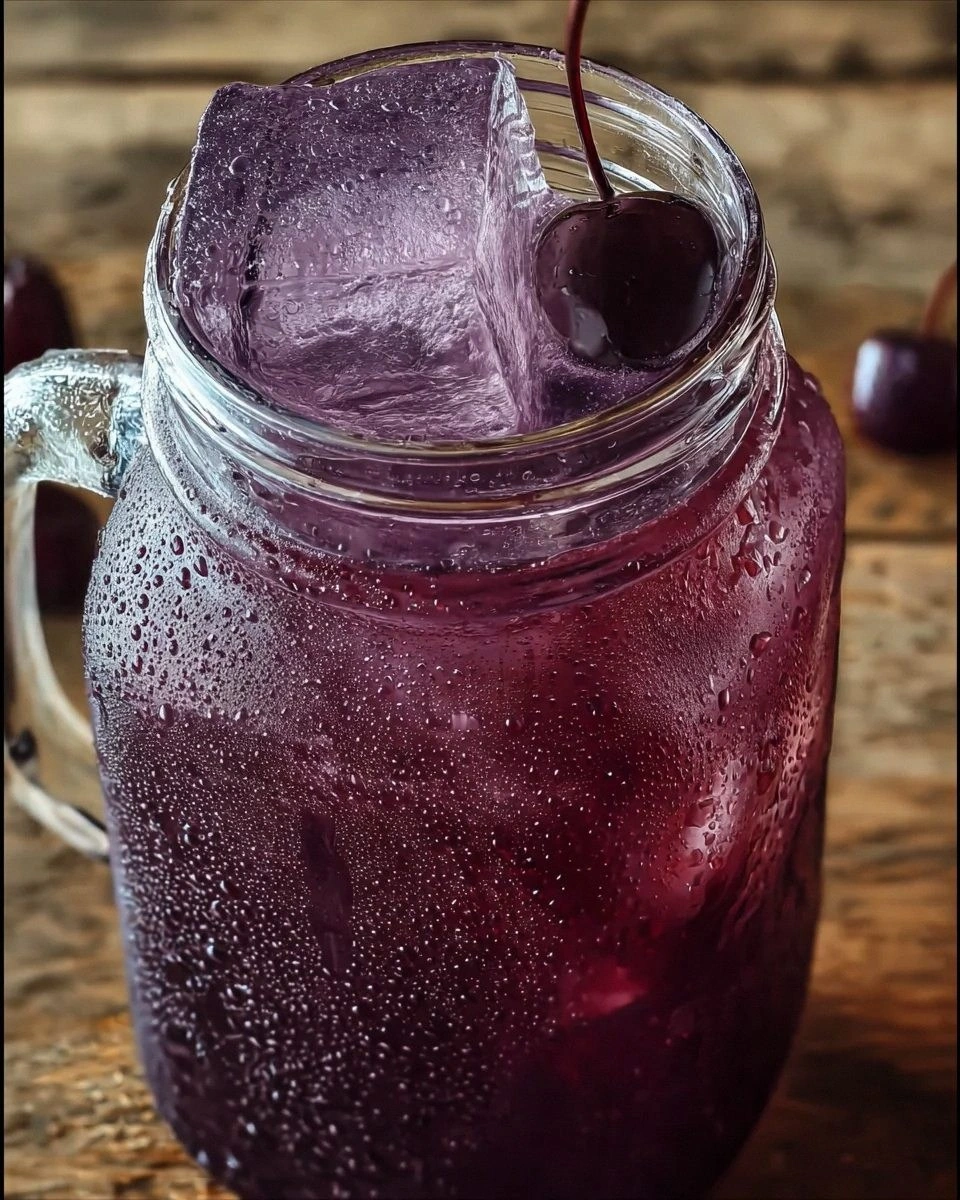
When you’re ready to serve, give the bottle a gentle shake, then pour the moonshine through a fine strainer into chilled shot glasses or a decorative decanter. The final product should be a ruby‑red liquid that glistens in the light, with a faint cinnamon swirl if you added the stick. Taste it—if the alcohol bite feels harsh, add a tiny splash of water to open up the flavors.
Store any leftovers in a sealed glass bottle in a cool, dark place. The moonshine will keep for months, and each sip will remind you of that first batch’s fresh, bright character. Remember, the longer it rests, the more the flavors integrate, so don’t be afraid to let it age.
That's it — you did it. But hold on, I've got a few more tricks that'll take this to another level...
Insider Tricks for Flawless Results
The Temperature Rule Nobody Follows
Keep the maceration temperature between 65°F and 75°F. Anything hotter accelerates unwanted fermentation, while colder temps slow the extraction, leaving you with a weak flavor. I once tried macerating in a warm kitchen and ended up with a sour, off‑taste that no amount of sugar could fix. Use a simple kitchen thermometer to stay in the sweet spot, and you’ll lock in that bright grape character every time.
Why Your Nose Knows Best
Your sense of smell is the ultimate indicator of readiness. When you stir in the grain alcohol, watch for the sharp, almost medicinal scent to soften into a fragrant, fruity aroma. If the smell remains harsh after a few minutes, give it a few more seconds of gentle stirring; the alcohol needs to fully integrate with the juice.
The 5‑Minute Rest That Changes Everything
After you pour the alcohol in, let the mixture sit undisturbed for exactly five minutes before sealing the container. This brief pause lets the volatile compounds settle, preventing a cloudy final product. I tried skipping this step once and ended up with a cloudy, less appealing moonshine that looked like it had been left out in the rain.
Cinnamon Timing Trick
If you love the spice, add the cinnamon stick during the last hour of maceration instead of at the beginning. This prevents the spice from becoming overly dominant and gives you a balanced, lingering warmth. The result is a moonshine that whispers cinnamon rather than shouting it.
Seal Tight, Age Right
When sealing the bottle, press out as much air as possible. A vacuum‑tight seal slows oxidation, preserving the fresh fruit notes for weeks. I once used a loosely fitted lid, and after a few days the moonshine tasted flat, like a soda left open too long.
Creative Twists and Variations
This recipe is a playground. Here are some of my favorite ways to switch things up:
Berry Fusion
Add a handful of fresh blackberries or blueberries to the mash for a mixed‑berry moonshine. The tartness of the berries balances the grape sweetness and adds a beautiful violet hue that’s perfect for summer parties.
Spiced Autumn
Swap the cinnamon stick for a star anise pod and a few cloves. The result is a warm, holiday‑ready spirit that pairs beautifully with apple cider or a splash of maple syrup.
Citrus Burst
Add the zest of one orange or a few thin slices of lemon during maceration. The citrus oils amplify the bright notes and give the moonshine a sunny, aromatic finish.
Herbal Whisper
Include a sprig of fresh rosemary or thyme in the final infusion. The herbaceous undertones create a sophisticated cocktail base, perfect for a martini‑style drink.
Sweet Heat
A pinch of cayenne pepper or a slice of fresh jalapeño adds a subtle kick that surprises the palate. Just a little heat makes the sweet grape flavor pop even more.
Storing and Bringing It Back to Life
Fridge Storage
Keep the moonshine in a sealed glass bottle in the refrigerator for up to three months. The cold slows oxidation, preserving the fresh fruit profile. If you notice a slight cloudiness, give the bottle a gentle shake before serving.
Freezer Friendly
For long‑term storage, pour the moonshine into a freezer‑safe container and freeze it for up to six months. The high alcohol content prevents it from solidifying completely, turning it into a slushy treat you can scoop out for a fun twist on the classic.
Best Reheating Method
If the moonshine has been stored cold and you prefer it at room temperature, simply let the bottle sit on the counter for 30 minutes. For a quick warm‑up, place the sealed bottle in a bowl of warm water (not boiling) for a few minutes. Add a tiny splash of water before serving to steam it back to perfection, especially if the alcohol bite feels too sharp after a long rest.