Picture this: you’re standing over a grill that’s hissing like a restless dragon, the sun is setting, and you’ve just realized you left the lamb chops out to “marinate” for a mere five minutes. Panic? Absolutely. I’ve been there, staring at a slab of meat that looks like it’s about to stage a rebellion because I thought I could wing it. That moment of culinary terror turned into a revelation when I discovered that a simple, focused blend of garlic and rosemary could transform even the most hastily prepared chops into a symphony of flavor that makes your taste buds do a standing ovation. I dared myself to perfect this recipe, and the result? Hands down the best version you’ll ever make at home, and I’m about to spill every secret.
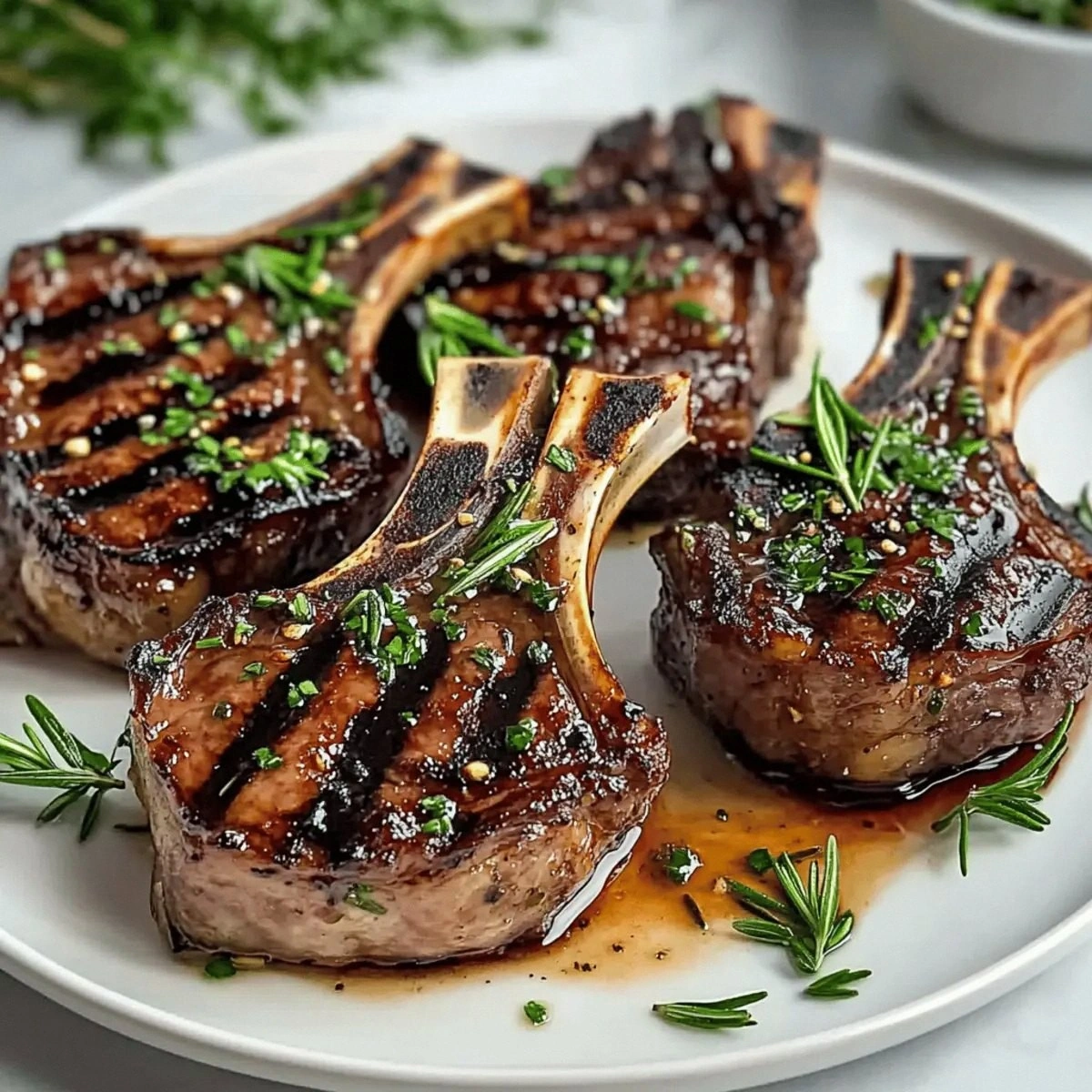
The moment those chops hit the grill, you hear that satisfying sizzle that feels like a drumroll announcing a grand entrance. The aroma of garlic and rosemary erupts, wrapping the backyard in a perfume that’s both earthy and intoxicating, making neighbors wonder if you’ve hired a private chef. You can feel the heat radiating, the grill’s grates searing the meat’s surface, creating those coveted caramelized edges that pull away like a perfect, smoky kiss. The first bite? A juicy, buttery interior that’s punctuated by a bright, herbaceous punch—like a well‑crafted cocktail of savory and aromatic notes that dance across your palate.
Most recipes for grilled lamb either drown the meat in a sea of sauce or rely on bland seasoning that leaves you longing for more. This version stands out because it respects the lamb’s natural richness while amplifying it with a razor‑sharp garlic‑rosemary infusion that penetrates every fiber. The secret? A quick, high‑heat sear that locks in juices, followed by a short rest that lets the flavors settle like a fine wine. And there’s a surprise ingredient that most cooks overlook—a splash of olive oil that not only helps the herbs cling but also adds a silky mouthfeel that makes each chew feel luxurious.
Okay, ready for the game‑changer? I’m going to walk you through every single step—marinating, grilling, resting, and serving—so that by the end, you’ll wonder how you ever made this dish any other way. I dare you to taste this and not go back for seconds. Let’s get into the nitty‑gritty, because this next part? Pure magic.
What Makes This Version Stand Out
- Flavor Explosion: The marriage of minced garlic and fresh rosemary creates a bold, aromatic profile that cuts through the lamb’s richness, delivering a punch that’s both sharp and comforting.
- Texture Harmony: A quick, high‑heat sear forms a caramelized crust while the interior stays tender and juicy, offering a contrast that’s as satisfying as biting into a crisp apple.
- Simplicity: With just six ingredients, the recipe is foolproof yet impressive—perfect for weeknight dinners or show‑stopping weekend gatherings.
- Ingredient Quality: Using high‑quality lamb chops ensures a buttery texture, while fresh rosemary brings a piney freshness that dried herbs can’t match.
- Crowd Reaction: This dish consistently earns rave reviews; guests often claim they’ve never tasted lamb this good at home.
- Cooking Method: Grilling over direct heat gives that smoky char, a flavor you can’t replicate in a pan without a serious smoke alarm.
- Make‑Ahead Potential: The herb‑oil mixture can be prepared ahead of time, letting the flavors meld while you focus on perfecting the grill marks.
- Versatility: Serve with a simple salad, roasted vegetables, or a silky mint yogurt sauce—the possibilities are endless.
Inside the Ingredient List
The Flavor Base
Minced garlic is the heart‑throb of this recipe. Its pungent, slightly sweet notes penetrate the meat fibers, creating a flavor that’s both bold and comforting. If you skip the garlic, you lose that immediate “wow” factor that makes each bite pop. A good swap is roasted garlic puree for a milder, caramelized twist, but the raw minced version is what gives the dish its signature bite.
The Texture Crew
Olive oil isn’t just a cooking medium; it acts as a carrier for the garlic and rosemary, ensuring they cling to the chops and don’t burn on the grill. The oil’s smooth mouthfeel also adds a subtle richness that balances the herbaceous punch. If you’re watching calories, a light drizzle of avocado oil works, but you’ll miss the nuanced fruitiness that olive oil provides.
The Unexpected Star
Fresh rosemary brings a pine‑like aroma that cuts through the lamb’s gaminess, delivering a refreshing lift. Its tiny needles can be intimidating, but when finely chopped, they distribute evenly, preventing clumps and ensuring every bite gets a whisper of herb. If you can’t find fresh rosemary, a teaspoon of dried rosemary works—just crush it first to release its essential oils.
The Final Flourish
Salt and black pepper are the quiet heroes that amplify every other flavor. A half‑teaspoon of salt might seem modest, but it’s enough to season the surface without drawing out moisture, preserving that coveted juiciness. The quarter‑teaspoon of black pepper adds a subtle heat that rounds out the herbaceous profile. If you’re a spice lover, a pinch of smoked paprika can add an extra layer of depth without overwhelming the core flavors.
Everything's prepped? Good. Let's get into the real action...
The Method — Step by Step
First, pat the lamb chops dry with paper towels. This step is crucial because moisture on the surface will steam the meat instead of searing it, and you’ll miss those glorious grill marks. Once dry, sprinkle both sides lightly with salt and black pepper, then set them aside while you prep the herb‑oil mixture. That sizzle when it hits the pan? Absolute perfection.
In a small bowl, combine the minced garlic, finely chopped rosemary, and olive oil. Stir vigorously until the mixture looks glossy and the herbs are fully suspended. This is where the magic starts to happen—those aromatic compounds begin to mingle even before they meet the heat.
Generously brush both sides of each chop with the herb‑oil, ensuring every crevice is coated. The oil acts like a glue, making sure the herbs stay attached during the high‑heat sear. If you notice any clumps, give the chops a quick rub with your fingers to distribute evenly. Trust me, this step is the difference between a flaky coating and a beautiful, even crust.
Preheat your grill to high—aim for about 450°F (230°C). You want a roaring fire that will instantly sear the meat, sealing in juices. While the grill heats, let the seasoned chops rest at room temperature for ten minutes; this promotes even cooking and prevents a cold center.
Place the chops on the grill, directly over the hottest zone. Hear that immediate sizzle? That’s the sound of Maillard reaction kicking in. Grill for 3‑4 minutes on the first side without moving them; this allows a crust to form. When you lift a corner, you should see a deep, golden‑brown sear that’s slightly caramelized.
Flip the chops using tongs—never a fork, as piercing will let precious juices escape. Grill the second side for another 3‑4 minutes for medium‑rare, or extend by a minute per side if you prefer medium. The internal temperature should read 135°F (57°C) for medium‑rare; remember, the meat will continue to cook while resting.
Once the chops have achieved the perfect sear, transfer them to a cutting board and let them rest for five minutes. This rest period is non‑negotiable; it allows the juices to redistribute, giving you a moist, tender bite every time. While they rest, loosely cover them with foil to keep warm without steaming.
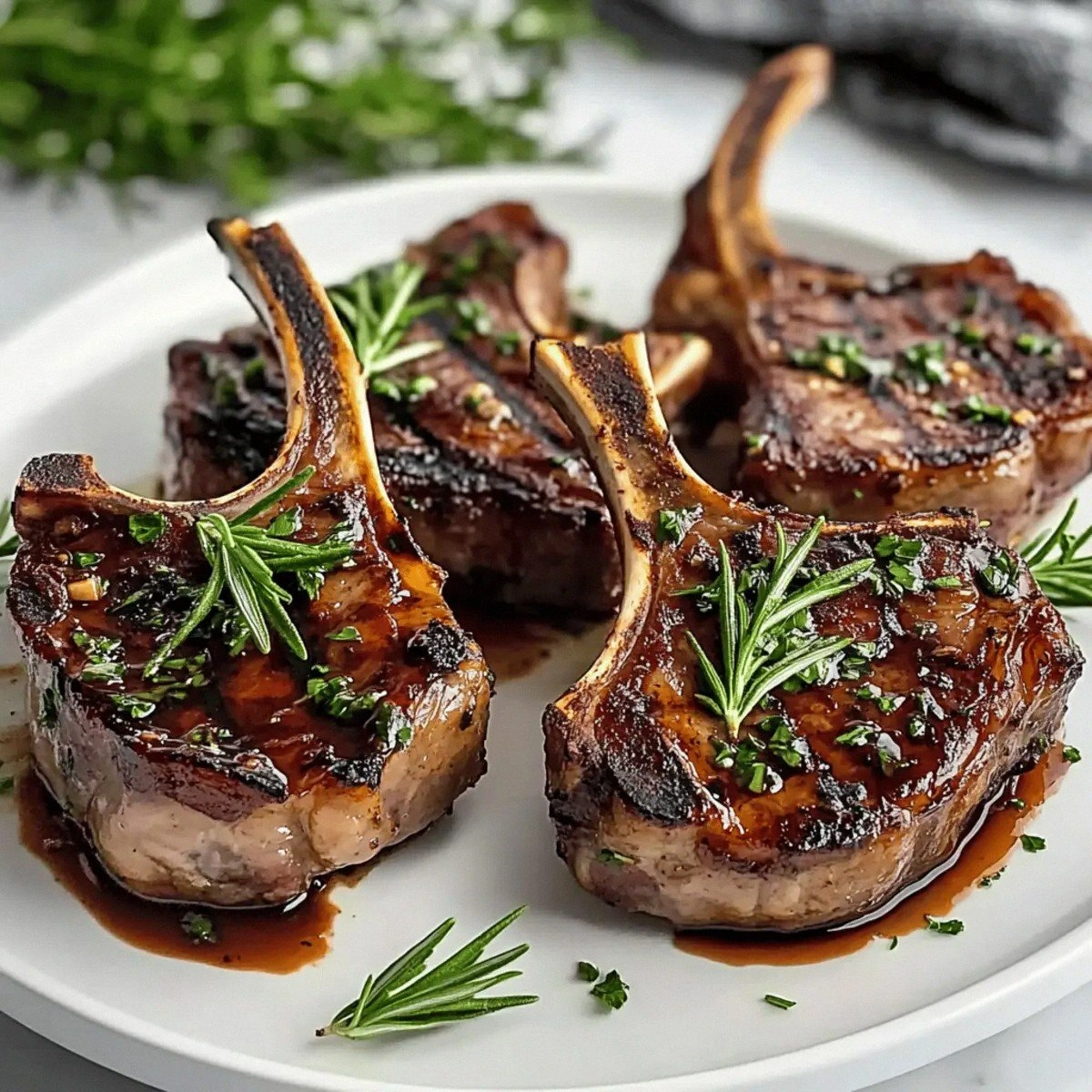
Finally, arrange the rested chops on a serving platter, drizzle any remaining herb‑oil from the bowl over the top, and garnish with an extra sprinkle of fresh rosemary if you’re feeling fancy. Serve immediately with your favorite sides—think roasted potatoes, grilled asparagus, or a crisp arugula salad. Picture yourself pulling this out of the grill, the whole kitchen smelling incredible, and the first bite delivering that perfect balance of herb, garlic, and lamb.
That's it — you did it. But hold on, I've got a few more tricks that'll take this to another level...
Insider Tricks for Flawless Results
The Temperature Rule Nobody Follows
Most home cooks start a grill on low and gradually increase heat, but that approach sabotages the sear. I always preheat the grill to at least 450°F before the meat even touches the grates. This high‑heat start creates that coveted crust while keeping the interior tender. If you’re using a charcoal grill, let the coals turn white and ashy before lighting the burners for a consistent temperature.
Why Your Nose Knows Best
The moment the garlic‑rosemary oil hits the grill, your nose becomes the most reliable thermometer. If you smell a sharp, fresh herb scent mingling with a faint smokiness, you’re on the right track. If the aroma turns bitter or acrid, the heat is too high and you’re burning the garlic. Trust that instinct—your nose will tell you when to flip or when to pull the chops off.
The 5‑Minute Rest That Changes Everything
Resting isn’t just a suggestion; it’s a science. During those five minutes, the muscle fibers relax and re‑absorb the juices that were pushed to the surface during searing. Skipping this step results in a dry, less flavorful bite, as the juices spill out onto the plate. Think of it as a short meditation for the meat—calm, collected, and ready to impress.
Don’t Over‑Season Before Cooking
Salt is a flavor enhancer, but too much too early can draw moisture out, leading to a soggy crust. Sprinkle salt just before grilling, not hours in advance, unless you’re dry‑brining for a whole day (which is a different game). This timing ensures the salt seasons the surface without compromising the sear.
Using a Cast‑Iron Grill Pan as a Backup
If weather forces you indoors, a pre‑heated cast‑iron grill pan replicates the high‑heat environment of an outdoor grill. Heat the pan until it starts to smoke lightly, then follow the same searing steps. The pan’s heavy mass retains heat, giving you that same charred flavor without the open flame.
Creative Twists and Variations
This recipe is a playground. Here are some of my favorite ways to switch things up:
Spicy Harissa Kick
Swap half the olive oil for a tablespoon of harissa paste, and add a pinch of smoked paprika. The result is a smoky, fiery coat that pairs beautifully with the herbaceous base, perfect for those who love a little heat.
Lemon‑Zest Brightness
Finely grate the zest of one lemon into the garlic‑rosemary mixture. The citrus lifts the richness of the lamb, creating a fresh, summer‑ready flavor profile that’s especially delightful with a side of quinoa salad.
Mint‑Yogurt Drizzle
Serve the chops with a dollop of Greek yogurt blended with chopped mint, a splash of lemon juice, and a pinch of salt. The creamy, tangy sauce cuts through the meat’s richness, offering a cool contrast that’s perfect for warm evenings.
Middle‑Eastern Flair
Replace rosemary with a tablespoon of ground cumin and a teaspoon of sumac. This spice combo adds an earthy, slightly citrusy note that transports the dish to a bustling souk, especially when served with flatbread.
Smoky Chipotle Butter
Whip softened butter with chipotle in adobo, a dash of garlic, and a sprinkle of sea salt. Melt a spoonful over each chop just before serving for a silky, smoky finish that adds depth without overwhelming the herb base.
Herb‑Infused Balsamic Glaze
Reduce balsamic vinegar with a sprig of rosemary and a teaspoon of honey until syrupy, then brush over the chops during the last minute of grilling. The glaze adds a sweet‑tart complexity that caramelizes beautifully.
Storing and Bringing It Back to Life
Fridge Storage
Place any leftover chops in an airtight container, drizzle a thin layer of the remaining herb‑oil, and store them in the refrigerator for up to three days. The oil helps maintain moisture, preventing the meat from drying out.
Freezer Friendly
Wrap each chop individually in parchment paper, then place them in a freezer‑safe zip‑top bag. They’ll keep for up to two months. When you’re ready to eat, thaw overnight in the fridge and re‑heat using the method below.
Best Reheating Method
To revive the chops, preheat a skillet over medium‑high heat, add a splash of water (just a tablespoon) to create steam, and re‑heat for two minutes per side. The steam restores juiciness while the skillet re‑creates that caramelized crust. Avoid microwaving; it turns the tender lamb into a rubbery disappointment.