Picture this: you’re halfway through a late‑night grocery run, the lights flicker, the fridge door slams shut on the last bag of spinach, and your stomach growls like a freight train. You’re craving something that feels indulgent, yet you’re not willing to trade your healthy habits for a greasy plate. That night, a friend dared me to whip up a dish that could win over even the most skeptical of taste buds, and I rose to the occasion with a dish that feels like a warm hug wrapped in a crisp, savory blanket.
I started by tossing a splash of olive oil into a hot skillet, hearing the sizzle that promised a golden crust. The aroma of garlic hit the air, rolling over the room like a fragrant wave. My eyes widened when I saw the chicken breasts sizzle, their edges turning a beautiful amber before I even seasoned them. The sound of the sizzling, the sight of the browning, the smell of garlic, the touch of the skillet’s heat, and the anticipation of that first bite – it all combined into a sensory storm that made my heart race.
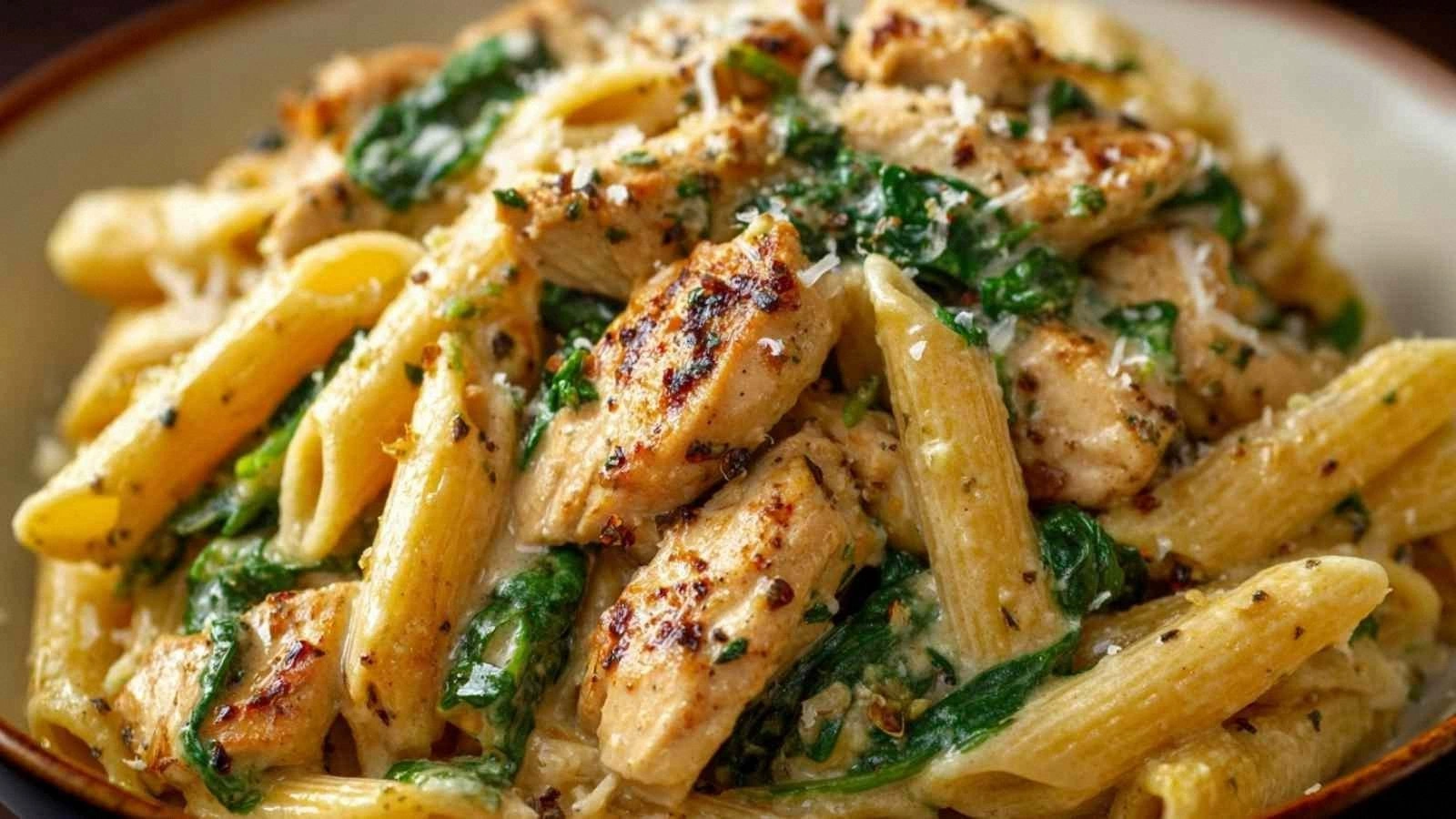
What sets this version apart isn’t just the ingredients; it’s the way every element is orchestrated to create a symphony of flavors and textures that dance on the palate. The sauce is a silky, low‑fat dream that coats the pasta like velvet, while the chicken offers a juicy, slightly smoky bite that cuts through the richness. The spinach adds a pop of color and a subtle earthiness that balances the boldness of the Parmesan‑yogurt blend. And the paprika, a quiet hero, brings a whisper of heat that lingers without overwhelming the dish.
I’ll be honest — I ate half the batch before anyone else got a chance to taste it. The moment I took that first spoonful, I felt a rush of comfort and excitement that made me want to share every detail with you. This isn’t just another pasta recipe; it’s a culinary experience that will have you saying, “I dare you to taste this and not go back for seconds.”
If you’ve ever struggled to find a dish that feels indulgent yet stays true to your health goals, you’re not alone. Many recipes get this completely wrong, using heavy cream or excess butter to achieve that creamy texture. Here, I’ve found a game‑changer that uses Greek yogurt and low‑fat milk to create a sauce that’s both light and satisfying. Picture yourself pulling this out of the pan, the whole kitchen smelling incredible, and knowing you’ve just made something that feels like a hug in a bowl.
What Makes This Version Stand Out
- Flavor: The blend of garlic, paprika, and Italian seasoning creates a layered taste that’s bold yet balanced. The Parmesan adds a savory depth that elevates the dish, while the Greek yogurt keeps the sauce creamy without the heaviness. Together, they form a flavor profile that feels like a well‑crafted sauce at a fancy restaurant.
- Texture: The pasta is al dente, providing a satisfying bite that contrasts with the silky sauce. The chicken develops a crisp edge that shatters like thin ice when you bite, adding a delightful crunch. The spinach melts into the sauce, giving it a velvety finish that coats every strand.
- Health: This recipe keeps the calorie count low while packing protein and fiber. Whole‑wheat pasta offers complex carbs, and the Greek yogurt delivers probiotics. The use of low‑fat milk and minimal oil keeps the fat content in check.
- Speed: In just 45 minutes, you’ll have a dinner that feels luxurious. The prep time is short, and the cooking steps flow smoothly, making it ideal for busy weeknights.
- Versatility: Swap the chicken for shrimp or tofu and you have a completely different dish. The sauce works with any pasta shape, and you can add mushrooms or zucchini for extra veggies.
- Make‑ahead Potential: The dish can be made in advance and reheated without losing its creamy texture. The sauce actually thickens slightly upon standing, making it even more luscious.
- Crowd‑pleaser: Friends who are skeptical about “healthy” food will be amazed by the richness and depth of flavor. It’s the kind of dish that turns a casual dinner into a memorable meal.
- Ingredient Quality: Using fresh garlic, whole‑wheat pasta, and high‑quality Parmesan ensures that each bite is packed with flavor. The difference between a generic and a premium ingredient is like the difference between a plain and a gourmet sandwich.
Inside the Ingredient List
The Flavor Base
Garlic is the cornerstone of this dish. Freshly minced cloves release their essential oils, creating a robust aroma that lingers throughout the cooking process. If you’re short on time, a pinch of garlic powder can be a quick substitute, though it won’t offer the same depth. When using fresh garlic, make sure to slice thinly so it caramelizes evenly.
Paprika adds a subtle warmth that balances the sharpness of the Parmesan. It’s a gentle spice that doesn’t overpower the other flavors. If you’re not a fan of paprika’s mild heat, you can opt for smoked paprika to introduce a smoky undertone. This tweak is perfect for those who love a hint of campfire flavor in their pasta.
Italian seasoning ties everything together with its blend of oregano, basil, and thyme. This herb mix provides a Mediterranean lift that elevates the dish from ordinary to extraordinary. For a fresher note, sprinkle a few fresh basil leaves at the end of cooking. It adds a bright, green contrast that’s hard to resist.
Salt and black pepper are essential for balancing the flavors. While salt is a flavor enhancer, pepper adds a subtle bite that cuts through the creaminess of the sauce. Don’t be shy about seasoning the chicken before cooking; it will absorb the flavors better and stay juicy.
The Texture Crew
Whole‑wheat penne or fettuccine provides a hearty, nutty base that pairs well with the sauce. The whole‑wheat grains hold up to the sauce and offer a slightly chewy bite. If you prefer a lighter feel, switch to a refined pasta; just keep the cooking time short to avoid mushiness.
Olive oil is the secret to achieving a golden sear on the chicken. It also helps the spices cling to the meat, creating a flavorful crust. A high‑quality extra‑virgin olive oil adds a fruity note that lingers on the palate. For a lower‑fat version, use a light olive oil or a splash of vegetable oil.
The whole wheat flour is the key to thickening the sauce without resorting to heavy cream. It creates a roux that locks in the liquid, giving the sauce a silky consistency. If you’re gluten‑free, substitute with a gluten‑free flour blend; just be mindful of the slight change in flavor.
The low‑fat milk and Greek yogurt work together to create a creamy texture that’s light on the stomach. The yogurt adds tang and protein, while the milk smooths out the acidity. If you’re allergic to dairy, try coconut milk or cashew cream for a dairy‑free version.
The Unexpected Star
Baby spinach may seem like a humble side, but it brings a burst of color and a subtle earthiness that balances the richness of the sauce. Its quick cook time means it won’t wilt completely, preserving a slight crunch. If you’re a fan of leafy greens, you can double the amount for an extra nutritional punch.
Fresh parsley is the final flourish that adds a pop of green and a hint of freshness. It also provides a mild peppery note that brightens the dish. For a more robust flavor, sprinkle chopped dill or chives in place of parsley. The choice is yours, and the result is always delicious.
The Final Flourish
The low‑sodium chicken broth is the backbone of the sauce. It adds depth without the extra salt that can overwhelm the dish. If you’re using a high‑sodium broth, consider reducing the added salt or opting for a homemade broth. This step ensures the sauce remains balanced and flavorful.
The freshly grated Parmesan cheese is the star that ties the sauce together. Grating the cheese yourself releases more flavor than pre‑grated options. For a sharper taste, use a hard aged cheese like Parmigiano‑Reggiano. The difference is subtle but noticeable.
The chicken breast is the protein that gives the dish substance. Slicing it into bite‑size pieces allows for quick cooking and even seasoning. If you’re a fan of tender, juicy chicken, let it rest for a few minutes after cooking; this helps retain moisture.
Everything’s prepped? Good. Let’s get into the real action…
The Method — Step by Step
- Start by bringing a large pot of salted water to a boil and cooking the whole‑wheat penne until al dente, about 9 to 10 minutes. While the pasta cooks, set a timer for the chicken. The pasta’s timing is crucial; overcooked noodles will become mushy and lose the satisfying bite that makes this dish special. Drain and set aside, reserving a cup of pasta water for later.
- Heat a large skillet over medium‑high heat and add the olive oil. Once the oil shimmers, lay the chicken breasts flat in the pan, ensuring they’re not crowded. This allows each piece to develop a golden crust. Season the chicken with salt, pepper, paprika, and Italian seasoning, letting the spices cling to the surface.
- Sear the chicken for about 4 minutes on each side, or until the internal temperature reaches 165°F. The moment the chicken is cooked, remove it from the skillet and let it rest for a few minutes before slicing. This rest period locks in juices, ensuring each bite is succulent. While the chicken rests, you’ll be ready to build the sauce.
- In the same skillet, add the minced garlic and sauté until fragrant, about 30 seconds. The garlic releases its oils, creating a fragrant base for the sauce. Be careful not to burn it; a burnt garlic will ruin the entire flavor profile. Once the garlic is golden, sprinkle the whole wheat flour over the pan and whisk to form a roux.
- Pour in the low‑sodium chicken broth, whisking constantly to avoid lumps. The broth will dissolve the roux, forming a smooth sauce base. As the mixture thickens, add the low‑fat milk, stirring until the sauce reaches a creamy consistency. This step is critical for achieving that velvety texture that coats the pasta.
- Stir in the Greek yogurt, Parmesan cheese, and a splash of low‑fat milk to finish the sauce. The yogurt adds tang and protein, while the Parmesan provides depth. Stir until the sauce is smooth and glossy, then taste and adjust seasoning if needed. The sauce should coat the pasta like a silky blanket.
- Add the sliced chicken back into the skillet, allowing it to warm through and mingle with the sauce. The chicken will absorb the flavors, becoming even more flavorful. This step also ensures the sauce doesn’t dry out on the pasta.
- Fold in the baby spinach until it wilts, creating a subtle green contrast. The spinach will release water, helping to thin the sauce if it’s too thick. The wilted spinach adds a pop of color that makes the dish visually appealing.
- Finally, toss the cooked penne into the skillet, ensuring each noodle is coated with the sauce. If the sauce seems too thick, add a bit more reserved pasta water until the desired consistency is achieved. The pasta should be glossy, coated, and flavorful.
- Serve immediately, garnished with fresh parsley and an extra sprinkle of Parmesan. The parsley adds a bright, fresh finish that cuts through the richness. This final touch makes the dish feel complete and ready to devour.
- Plate the pasta in shallow bowls, ensuring each serving has a generous amount of chicken and sauce. The presentation is key; a well‑arranged plate feels like a gourmet experience.
- Drizzle a small amount of extra‑virgin olive oil over the top for a glossy finish. The oil adds a subtle shine and enhances the overall flavor. It also gives the dish a polished look.
- If you like a bit of heat, sprinkle a pinch of red pepper flakes over the dish. The flakes add a gentle kick that complements the paprika. This optional step is a quick way to elevate the dish.
- Enjoy with a side of garlic bread or a simple green salad for a complete meal. The bread will soak up any remaining sauce, while the salad adds a crisp, refreshing contrast. Together, they create a balanced dining experience.
That’s it — you did it. But hold on, I’ve got a few more tricks that will take this to another level. These insider tips will help you perfect the dish every single time, ensuring it’s never a one‑time wonder.
Insider Tricks for Flawless Results
The Temperature Rule Nobody Follows
Many cooks think a high heat is the key to a good sear, but that can lead to burnt edges and uneven cooking. Keep the skillet at medium heat, allowing the chicken to develop a golden crust without scorching. The result is juicy, flavorful meat that’s easier to slice.
Why Your Nose Knows Best
Before you add the Greek yogurt, give the sauce a sniff. A slightly tangy aroma signals the yogurt’s acidity is balanced. If the smell is off, the yogurt may have gone bad; discard and replace to avoid ruining the dish.
The 5-Minute Rest That Changes Everything
After cooking the chicken, let it rest for five minutes. This simple step ensures the juices redistribute, keeping the meat moist. The result is a tender bite that melts in your mouth.
The Secret to a Silky Sauce
Use a whisk that fits snugly in the pan to avoid splatter. Whisk continuously as you add liquids to create a smooth sauce. A steady whisk prevents lumps and keeps the sauce glossy.
The One Ingredient That Saves the Day
A splash of lemon juice at the end brightens the dish and cuts through the richness. The acidity balances the Parmesan and yogurt, creating a harmonious flavor profile. Add a teaspoon for a subtle lift.
Creative Twists and Variations
This recipe is a playground. Here are some of my favorite ways to switch things up:
Shrimp Surprise
Swap the chicken for peeled shrimp, sautéing them until pink. The shrimp adds a sweet, briny flavor that pairs wonderfully with the garlic‑yogurt sauce. Serve the shrimp on top of the pasta for an elegant presentation.
Vegan Delight
Use tofu cubes marinated in soy sauce and garlic, then pan‑fry until crisp. Replace the Greek yogurt with coconut cream to maintain the creamy texture. This version is plant‑based yet still satisfies the craving for a rich sauce.
Mushroom Medley
Add sliced mushrooms to the skillet, cooking until they release moisture and brown. The earthy flavor complements the Parmesan and garlic. This variation adds depth and a meaty texture without extra protein.
Zucchini Zest
Sauté diced zucchini with the garlic, letting it soften and caramelize. The zucchini adds a subtle sweetness and crunch. Pair it with the spinach for a colorful, vegetable‑rich dish.
Pesto Power
Stir in a spoonful of basil pesto at the end for an herbal punch. The pesto’s bright flavor cuts through the richness, creating a balanced taste. This twist is perfect for pesto lovers.
Spicy Kick
Add a handful of crushed red pepper flakes to the sauce for heat. The spice level can be adjusted to your preference. This variation is ideal for those who enjoy a fiery bite.
Storing and Bringing It Back to Life
Fridge Storage
Cool the dish completely before transferring it to an airtight container. Store in the fridge for up to three days. The sauce may thicken slightly, so add a splash of milk when reheating.
Freezer Friendly
Pack the pasta and sauce separately in freezer bags, labeling each with the date. Freeze for up to two months. When ready to eat, thaw overnight in the fridge and reheat gently.
Best Reheating Method
Reheat the dish over low heat, stirring frequently to prevent separation. Add a splash of water or milk to restore moisture. The sauce should be silky and creamy, not dry or clumpy.