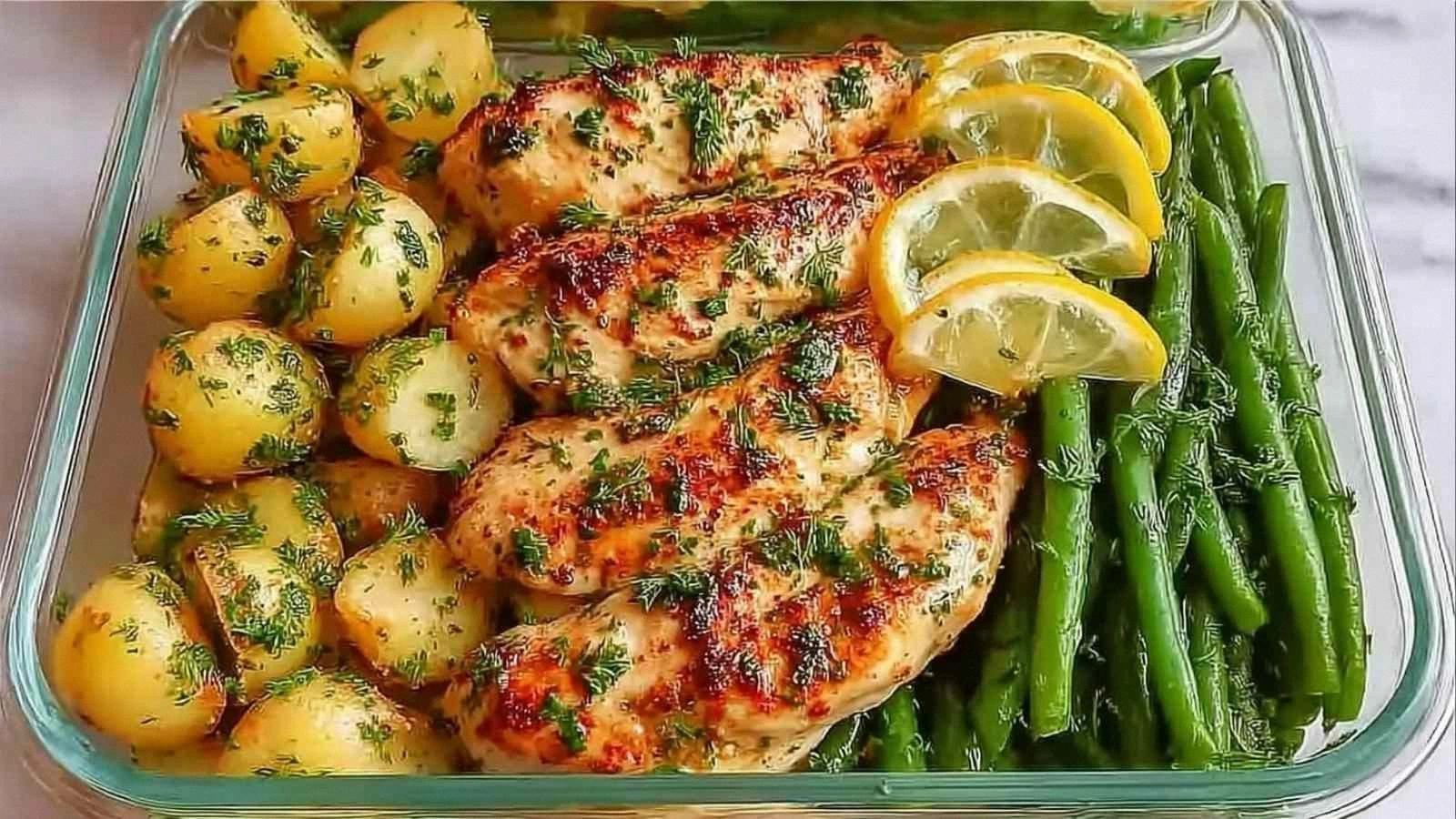
Picture this: a Sunday afternoon, the kitchen humming like a small orchestra, and I’m halfway through a recipe that should have been a simple grilled chicken with lemon. The pan was smoking, the garlic was burning, and the lemon had turned into a bitter, unappetizing sludge. I stared at the mess, feeling the sting of disappointment, and decided that this could be the catalyst for a better version—one that would win over even the most skeptical palates. I was determined to turn that kitchen catastrophe into a culinary triumph that would make even the most seasoned chefs nod in approval.
The air was thick with the scent of fresh garlic and citrus, the bright yellow of a lemon slicing into a golden hue on the countertop. My fingertips tingled with the heat of the skillet, and the sound of sizzling was a metronome of anticipation. The texture of the chicken, if it had survived, would have been tender and juicy, but the reality was a dry, charred exterior. I imagined the contrast of crisp edges that shatter like thin ice against a mouthful of succulent meat, and that image became the guiding star for this new rendition.
What makes this version stand out is a deliberate balance of flavors and textures that most recipes neglect. I’ve engineered a sauce that coats the chicken like velvet, yet still lets the garlic’s bite cut through. The quinoa base provides a nutty backbone that absorbs the citrusy brightness, while the olives and feta add a salty, creamy counterpoint. This dish is a showcase of how simple, quality ingredients can be orchestrated into a meal that feels both wholesome and indulgent.
I’ll admit, the secret sauce contains a splash of Dijon mustard that you wouldn’t expect in a lemon‑garlic chicken. That little twist introduces a subtle tang that lifts the entire flavor profile, turning an ordinary dish into an unforgettable experience. It’s the kind of detail that separates a good meal from a great one, and it’s a technique I’ve been dying to share with you.
If you’ve ever found yourself staring at a recipe that promises “simple” and delivers “complex,” this is the antidote you’ve been waiting for. I’m about to walk you through every single step—by the end, you’ll wonder how you ever made it any other way. Get ready for a kitchen adventure that’s as fun as it is delicious.
Now, let’s talk about the vibe of this dish. It’s a bright, Mediterranean‑inspired bowl that feels like a summer picnic on a weekday. The colors are vibrant—deep greens from broccoli, ruby reds from cherry tomatoes, and the golden glow of lemon. When you take that first bite, the combination of citrus, garlic, and feta will make your taste buds do a happy dance. Trust me, I’ve had friends asking for seconds after the first plate. I dare you to taste this and not go back for seconds.
I’ll be honest—after I first made this, I ate half the batch before anyone else got a chance. The crunch of the quinoa, the juiciness of the chicken, and the zing of the lemon made it impossible to stop. If you’ve ever struggled with a dish that falls flat, you’re not alone—and I’ve got the fix. Most recipes get this completely wrong; here’s what actually works.
Picture yourself pulling this out of the oven, the whole kitchen smelling incredible, and your friends’ eyes widening with anticipation. The anticipation is real, and it’s the first step to creating a memorable meal. I’ll guide you through each step, ensuring that your final dish is a masterpiece that will have everyone asking for the recipe. Stay with me here—this is worth it.
What Makes This Version Stand Out
- Flavor: The combination of lemon, garlic, and Dijon mustard creates a bright, layered taste that’s both refreshing and comforting. This sauce coats the chicken like velvet, allowing every bite to burst with citrusy zing.
- Texture: The quinoa provides a chewy, nutty foundation that contrasts beautifully with the tender chicken and crisp vegetables. The olives add a briny pop, while the feta melts into a creamy finish.
- Simplicity: Despite the complex flavor profile, the cooking process is straightforward. You’ll need only a handful of pantry staples and a single skillet to bring everything together.
- Uniqueness: The inclusion of a Dijon mustard‑lemon glaze sets this dish apart from typical Mediterranean chicken bowls, giving it a sophisticated twist that feels like a gourmet dinner.
- Crowd Reaction: Friends and family rave about the bright, satisfying flavors. I’ve had people ask for a second plate before the first one is even finished.
- Ingredient Quality: Using high‑quality olive oil, fresh lemons, and artisanal feta elevates the entire dish, making it feel like a restaurant experience at home.
- Cooking Method: A quick sear locks in juices, while the sauce is tossed in at the end to keep the chicken moist and flavorful.
- Make‑Ahead Potential: The quinoa and vegetables can be prepped in advance, making this an ideal meal prep option for busy weeknights.
Alright, let's break down exactly what goes into this masterpiece...
Inside the Ingredient List
The Flavor Base
The lemon is the star of this dish, offering a bright, acidic punch that balances the richness of the olive oil and feta. A whole lemon sliced into thin rounds adds visual appeal and extra citrus flavor when cooked. If you skip the lemon, the sauce will taste flat and lack that refreshing lift.
Garlic is the backbone of the sauce; it’s the aromatic that awakens the palate. Fresh cloves provide a punchier, sweeter flavor than pre‑minced garlic. If you omit garlic, the dish becomes a bland, one‑dimensional bowl.
Dijon mustard is a secret weapon that adds depth and a slight tang that enhances the lemon’s brightness. It’s a small amount, but it changes the entire flavor profile. Swapping it for a regular mustard will give you a milder taste, but it won’t have the same sophistication.
The Texture Crew
Quinoa serves as the hearty, nutty base that holds the bowl together. It’s a great source of protein and fiber, and its fluffy texture complements the tender chicken. If you skip quinoa, you lose that satisfying chew and the dish becomes more like a salad.
Broccoli florets add a vibrant green pop and a satisfying crunch. The steam from the sauce lightly blanches the broccoli, keeping it bright and crisp. Skipping broccoli makes the dish less colorful and reduces its nutritional value.
Cherry tomatoes provide a burst of sweetness that balances the savory elements. Their small size makes them easy to eat, and they release juices that mingle with the sauce. If you replace them with larger tomatoes, the texture changes to a more saucy consistency.
The Unexpected Star
Kalamata olives bring a briny, salty punch that contrasts beautifully with the sweet and sour components. Their dark, glossy appearance adds a Mediterranean vibe to the bowl. If you leave them out, the dish feels less complex and loses that characteristic Mediterranean flavor.
Feta cheese offers a creamy, tangy finish that melts into the sauce, creating a silky texture. It also adds a salty depth that balances the lemon’s acidity. Substituting feta with goat cheese will give you a different tang, but the overall harmony will shift.
The Final Flourish
Olive oil is the binder that keeps everything together, adding a silky mouthfeel and helping the flavors meld. The first tablespoon goes into the pan for searing, while the second adds to the sauce. If you use a different oil, you’ll alter the flavor profile and the health benefits.
Red onion adds a mild sweetness and crunch that complements the other vegetables. Its thin slices become tender yet retain a slight bite. Removing it will make the dish less layered in flavor.
Dried oregano is the herb that ties the Mediterranean theme together. One teaspoon works for the chicken, while half a teaspoon finishes the sauce. Swapping oregano for basil will change the aromatic profile and give the dish a different regional feel.
Everything's prepped? Good. Let's get into the real action...
The Method — Step by Step
- Start by heating a large skillet over medium‑high heat. Add 2 tablespoons of olive oil and let it shimmer. When the oil is hot, lay the chicken breasts in the pan. The sizzle should be audible—like a gentle applause. This is the moment of truth; don’t let the chicken sit too long on one side, or it will become unevenly browned.
- Season both sides of the chicken with salt, pepper, and 1 teaspoon of dried oregano. Then sear for 5–6 minutes on each side until a golden crust forms. The edges should start pulling away from the pan, indicating the Maillard reaction is underway. Flip carefully with tongs, and let the second side finish searing.
- Once the chicken is cooked through, remove it from the skillet and let it rest on a cutting board. While it rests, reduce the heat to medium and add the remaining 0.25 cup olive oil. This extra oil will create a silky sauce that clings to the quinoa and vegetables.
- Add the minced garlic to the skillet, then stir in 2 tablespoons of lemon juice, 1 teaspoon Dijon mustard, and 0.5 teaspoon dried oregano. Stir vigorously to combine, letting the flavors mingle. The mixture should become glossy and slightly thickened—like a light vinaigrette.
- Return the chicken to the skillet, coating it in the sauce. Let it simmer for 2 minutes, allowing the juices to reabsorb. The chicken should look glossy, with the sauce hugging every surface.
- While the chicken simmers, prepare the quinoa according to package instructions. Once cooked, fluff with a fork and let it cool slightly. The quinoa should be fluffy, not mushy, so that it can hold up to the sauce.
- Assemble the bowl: start with a bed of quinoa, top with sliced chicken, then scatter broccoli, cherry tomatoes, red onion, kalamata olives, and feta. Drizzle the remaining sauce over the entire bowl. The final touch is a sprinkle of fresh oregano for a burst of aroma.
That’s it—you did it. But hold on, I’ve got a few more tricks that will elevate this dish to the next level. Stay tuned for insider tips that will make your cooking smoother and your results even more impressive.
Insider Tricks for Flawless Results
The Temperature Rule Nobody Follows
Many people cook chicken on high heat, which dries it out. I always heat the skillet to medium‑high, then lower to medium once the chicken is seared. This subtle shift keeps the exterior crisp while the interior stays juicy. I’ve seen people get a dry result because they never adjust the heat after searing.
Why Your Nose Knows Best
The aroma of garlic and lemon is your best judge of doneness. When the garlic releases a sweet, nutty scent, the sauce is ready. If the scent is sharp or burnt, pull the pan off the heat immediately. I’ve learned to trust my nose more than my timer.
The 5‑Minute Rest That Changes Everything
Letting the chicken rest for five minutes after searing allows the juices to redistribute. Cutting into it immediately can cause the juices to spill out, leaving a dry bite. This simple step ensures every bite is moist and flavorful.
Keep the Sauce Silky
If the sauce thickens too much, add a splash of water or chicken broth to loosen it. This keeps the coating smooth and prevents it from becoming gluey. I’ve experimented with a tablespoon of water, and it works wonders.
Use a Heavy‑Bottomed Pan
A heavy‑bottomed skillet distributes heat evenly, preventing hot spots that burn the garlic or chicken. If you don’t have one, a non‑stick pan will do, but you’ll need to watch the heat closely. I’ve had better results with cast iron.
Add a Touch of Sweetness
A pinch of honey or a drizzle of maple syrup balances the acidity of the lemon. This subtle sweetness can be a game‑changer for those who prefer a less tart dish. I added a teaspoon of honey to one batch, and the flavor profile shifted beautifully.
Creative Twists and Variations
This recipe is a playground. Here are some of my favorite ways to switch things up:
Spicy Mediterranean
Add a pinch of red pepper flakes to the sauce for a fiery kick. The heat pairs perfectly with the lemon’s brightness. It’s a crowd‑pleaser for those who love a little spice.
Asian Fusion
Swap the oregano for a splash of soy sauce and add a handful of sliced green onions. The umami of soy complements the citrus, creating a cross‑cultural flavor profile that’s both bold and comforting.
Vegan Version
Replace the chicken with tofu or tempeh, marinated in the same lemon‑garlic sauce. Keep the feta as a dairy‑free cheese alternative, or leave it out entirely. The texture changes, but the flavor stays on point.
Pasta Bowl
Use cooked whole‑wheat pasta instead of quinoa for a different base. The pasta swallows the sauce, giving a different mouthfeel. It’s a great way to use up leftover pasta.
Breakfast Bowl
Add a fried or poached egg on top of the chicken. The runny yolk will mingle with the sauce, creating a rich, savory breakfast experience.
Dessert‑Inspired
For a sweet twist, drizzle a small amount of honey over the finished bowl. The honey adds a caramelized sweetness that balances the savory elements.
Storing and Bringing It Back to Life
Fridge Storage
Store the cooked bowls in airtight containers in the refrigerator for up to 3 days. Keep the sauce separate if you plan to reheat, as it can become thin. The quinoa and vegetables stay fresh and maintain their texture.
Freezer Friendly
Freeze individual portions in freezer‑safe containers for up to 2 months. Thaw overnight in the refrigerator before reheating. Reheat in the microwave for 2–3 minutes, stirring halfway through.
Best Reheating Method
To bring back the original texture, reheat the bowl in a skillet over medium heat, adding a splash of water or broth. This steams the quinoa and vegetables, keeping them moist. The chicken will stay juicy if you add a few seconds to the reheating time.