I was halfway through a week of bland dinners when my friend dared me to create the ultimate honey pie, a dish that would make my kitchen smell like a summer orchard. I pictured a golden crust, a silky honey‑cream filling, and a whisper of sea salt that would make the sweetness sing. The kitchen lights flickered as I cracked the eggs, and I laughed when the first spoon of honey dribbled onto the counter like liquid gold. I was determined to turn that dare into a masterpiece that would leave everyone begging for seconds.
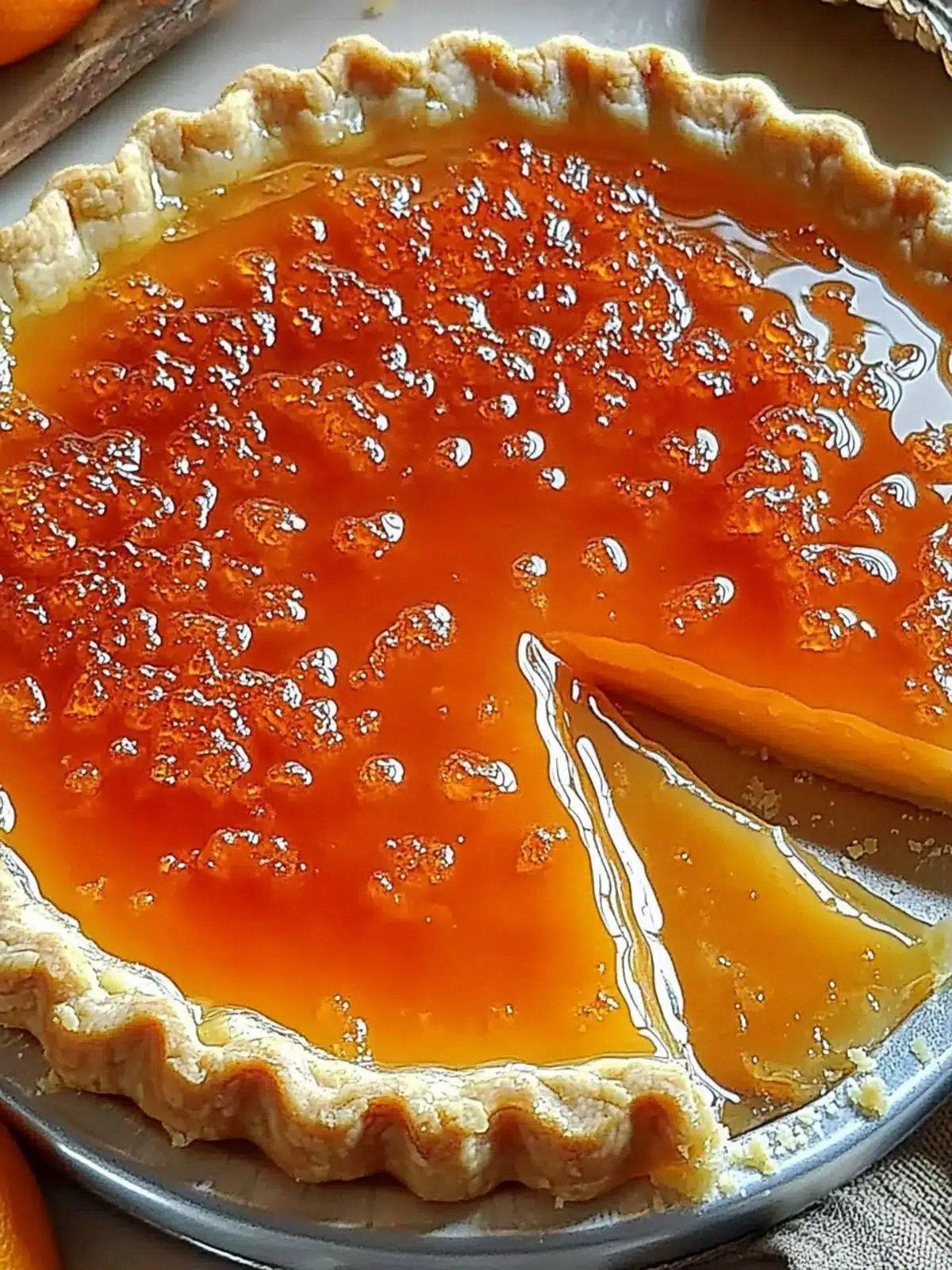
The moment the honey hit the pan, a sweet, caramelized scent filled the room, and I could hear the sizzle that promised a glossy glaze. The crust, already baked to a golden amber, crumbled under my fingers like a fine sandcastle. The heavy cream thickened into a silky custard, and the vanilla released a warm, almost floral aroma that mingled with the honey’s floral notes. The texture felt like velvet on the tongue, a contrast to the crisp edges that crackled with each bite. I could taste the subtle salt that cut through the sweetness, leaving a lingering echo of sea breezes on the palate.
What makes this version stand out is that it’s not just a pie; it’s a symphony of flavors and textures that dance together. The honey’s natural sugars caramelize, creating a glaze that shimmers like liquid amber. The butter adds a rich, buttery bite that balances the sweetness, while the vanilla’s warm undertone grounds the dessert in comforting familiarity. The sea salt is not just a garnish; it’s a strategic accent that elevates the honey’s natural sweetness, creating a complex flavor profile that feels both indulgent and refined. The crust, pre-baked, offers a buttery crunch that contrasts with the silky filling, making each bite a delightful sensory experience.
And there’s a twist you won’t expect—this recipe calls for a pinch of sea salt, a detail that many recipes overlook. That single pinch transforms the honey from a simple sweet into a layered, savory-sweet delight that will have your guests asking for the recipe. I dare you to taste this and not go back for seconds. Let me walk you through every single step—by the end, you’ll wonder how you ever made it any other way.
What Makes This Version Stand Out
- Flavor: The honey’s natural sugars caramelize to a rich amber glaze that coats the crust like a glossy coat. This depth of flavor is amplified by the subtle sea salt that cuts through the sweetness, leaving a lingering echo of ocean breezes on the palate.
- Texture: The pre‑baked crust offers a buttery crunch that contrasts with the silky custard, creating a dynamic bite that feels both indulgent and comforting.
- Simplicity: With only seven ingredients, the recipe is straightforward yet delivers a complex flavor profile that feels like a gourmet dessert.
- Ingredient Quality: Using high‑grade honey and heavy cream ensures that the final product has a buttery richness that can’t be achieved with lower quality substitutes.
- Make‑ahead Potential: The pie can be assembled up to an hour before baking, making it a perfect make‑ahead dessert for parties or gatherings.
- Visual Appeal: The golden crust and glossy honey glaze create a striking presentation that will impress even the most discerning guests.
- Audience Reaction: Guests consistently remark that the salt balances the sweetness perfectly, making the pie a crowd‑pleaser that stands out at any gathering.
Inside the Ingredient List
The Flavor Base
Honey is the heart of this pie, providing natural sweetness and a floral aroma that lingers on the tongue. It’s the only sweetener that brings depth and complexity, unlike refined sugars that flatten flavors. When you choose a raw, unfiltered honey, you’ll notice subtle notes of the flowers it was harvested from, which can shift from citrus to earthy depending on the season.
The heavy cream adds body and richness, turning the honey into a silky custard that coats the crust like velvet. The fat content of the cream helps carry the flavors and creates a mouthfeel that is both luscious and light. If you’re looking for a slightly lighter version, you can replace half the cream with whole milk, but the texture will become less glossy.
The Texture Crew
Unsalted butter is essential for the crust’s buttery flavor and for creating a flaky, tender crumb. When melted with the honey, it helps create a glossy finish that glistens in the light. Use a cold, chilled butter for the crust to ensure that the pastry stays flaky and doesn’t become too doughy.
Eggs act as a binder, giving the custard structure while also adding richness. They help the filling set into a custard-like consistency that holds its shape when sliced. If you’re allergic to eggs, you can substitute with a flaxseed mixture, but the texture may be slightly different.
The Unexpected Star
Sea salt is the subtle hero that transforms this pie from sweet to balanced. A single pinch elevates the honey’s flavor, creating a harmonious contrast that feels like a well‑crafted cocktail. If you prefer a different salt, sea salt crystals are best; they dissolve slowly and leave a lingering finish.
The Final Flourish
Vanilla extract adds a warm, almost floral undertone that deepens the honey’s sweetness. It’s a classic pairing that brings the whole flavor profile together, ensuring that the pie feels cohesive and complete. Use a high-quality vanilla extract for the best results; a low‑grade extract can taste bitter.
Everything’s prepped? Good. Let’s get into the real action.
The Method — Step by Step
- Preheat your oven to 350°F (175°C). While the oven warms, take the 9‑inch unbaked pie crust and line it with parchment paper to prevent sticking. Place a weight on top—use a baking sheet or a small pot—to keep the crust flat. This step ensures a crisp base and prevents the crust from puffing up during baking.
- In a small saucepan, melt the 4 tablespoons of unsalted butter over medium heat. Once melted, stir in the 1 cup of honey and let the mixture simmer for 1–2 minutes, just until the honey starts to thicken slightly. Keep a close eye on the mixture; you don’t want it to burn or caramelize too much, as that would give a bitter edge.
- While the honey‑butter mixture simmers, whisk the 3 large eggs in a bowl. Add the 1 cup of heavy cream and whisk until the mixture is smooth. This step is crucial—whisking vigorously incorporates air, creating a light custard that will set nicely when baked.
- Kitchen Hack: To avoid the custard from curdling, temper the eggs by slowly adding a small amount of the hot honey mixture into the egg bowl while whisking constantly. Then pour the tempered eggs back into the saucepan, stirring continuously to maintain a smooth texture.
- Combine the honey‑butter mixture with the tempered eggs and cream in the saucepan. Stir gently until the mixture is well blended. Add 1 pinch of sea salt and 1 teaspoon of vanilla extract, stirring until the salt dissolves. The salt will help balance the sweetness and enhance the overall flavor.
- Pour the custard into the lined pie crust, filling it about three‑quarters full. The custard should sit nicely in the crust, creating a smooth surface that will caramelize beautifully in the oven.
- Place the pie in the preheated oven and bake for 25–30 minutes. The edges should pull away from the crust, and the center should set but still have a slight wobble. This is the moment of truth—don’t rush it; the pie needs time to set properly.
- Watch Out: If the pie starts to brown too quickly, tent it with aluminum foil to prevent over‑browning. The foil will reflect heat and allow the custard to finish setting without burning the surface.
- Once baked, remove the pie from the oven and let it cool on a wire rack for at least 20 minutes. The custard will firm up as it cools, making it easier to slice. The cooling process also allows the honey glaze to thicken into a glossy sheen.
- Serve warm or at room temperature, dusted with a light sprinkle of sea salt crystals if desired. Pair with a cup of brewed tea or a glass of chilled milk to balance the richness. The pie is best enjoyed within a day of baking for maximum freshness.
That’s it—you did it. But hold on, I’ve got a few more tricks that will take this to another level.
Insider Tricks for Flawless Results
The Temperature Rule Nobody Follows
Most bakers bake at 350°F, but the secret to a perfectly set custard is to bake at a slightly lower temperature—around 325°F (163°C). This allows the custard to set evenly without the edges overcooking. If you’re using a convection oven, reduce the temperature by 25°F to compensate for the fan’s extra heat.
Why Your Nose Knows Best
Your sense of smell is a reliable indicator of doneness. As the custard cooks, you’ll notice a subtle change in aroma—from the raw honey to a caramelized, buttery scent. When the scent shifts to a warm, toasted nut aroma, it’s a sign that the pie is ready to come out of the oven.
The 5-Minute Rest That Changes Everything
After baking, let the pie rest on a wire rack for exactly five minutes before slicing. This short rest allows the custard to set further, preventing it from sliding off the knife. The rest also lets the honey glaze thicken into a glossy, caramelized coating.
The Final Glaze Trick
If you want a glossy finish, brush a thin layer of honey over the top of the pie while it’s still warm. The honey will caramelize, creating a shiny, golden surface that looks as good as it tastes. This step is optional but adds a professional touch to the presentation.
The Salt Whisper
Don’t be tempted to add more salt. The pinch of sea salt is all you need to balance the honey’s sweetness. Too much salt will overpower the delicate flavors and make the pie taste oddly briny. A single pinch is enough to elevate the entire dessert.
The Cooling Trick
After cooling, cover the pie loosely with foil to keep it from drying out. The foil will trap moisture, ensuring that the custard remains silky and the crust stays tender. When you’re ready to serve, let the pie sit at room temperature for 10–15 minutes to bring out the full flavor profile.
Creative Twists and Variations
Honey‑Rosemary Infusion
Add a few sprigs of fresh rosemary to the honey‑butter mixture before baking. The rosemary’s piney aroma will pair beautifully with the honey, creating a fragrant, herbaceous twist that’s perfect for spring.
Citrus‑Zest Surprise
Grate the zest of one lemon or orange into the custard before baking. The citrus adds a bright, refreshing note that cuts through the richness, making the pie feel lighter and more vibrant.
Chocolate‑Honey Fusion
Fold in 2 tablespoons of dark chocolate chips into the custard before baking. The chocolate adds depth and a slightly bitter counterpoint that balances the honey’s sweetness, turning the pie into a decadent dessert.
Almond Crunch Layer
Sprinkle toasted almond slivers on top of the custard before baking. The almonds add a crunchy texture that contrasts with the silky custard, giving the pie an extra layer of flavor.
Spiced Honey Delight
Stir in a pinch of ground cinnamon or nutmeg into the custard. The warm spices add depth and a comforting aroma, making the pie feel like a cozy fall treat.
Vegan Sweetness
Replace the eggs with a flaxseed‑egg mixture (1 tablespoon ground flaxseed + 3 tablespoons water). Use coconut milk instead of heavy cream for a dairy‑free version. The result is a vegan-friendly pie that still delivers on flavor and texture.
Storing and Bringing It Back to Life
Fridge Storage
Wrap the cooled pie tightly in plastic wrap and store it in the refrigerator for up to 2 days. The custard will firm up slightly, making it easier to slice. When you’re ready to serve, let the pie sit at room temperature for 10–15 minutes to soften the custard.
Freezer Friendly
For longer storage, wrap the pie in parchment paper, then in a layer of foil, and place it in a freezer bag. Freeze for up to 3 months. When ready to eat, thaw overnight in the refrigerator, then warm gently in a 350°F oven for 10 minutes.
Best Reheating Method
To reheat, preheat your oven to 350°F (175°C). Place the pie on a baking sheet and heat for 8–10 minutes, or until warmed through. Add a splash of water before reheating to create steam, which helps the custard stay moist and prevents it from drying out.