Picture this: a rainy afternoon, the kitchen lights flickering like a nervous candle, and a stubborn batch of cookie dough that refuses to rise. I was halfway through my attempt at a classic Viennese pastry when the dough suddenly collapsed, leaving me with a sad, flat mess that looked like a bad joke. I stared at it, muttered, “If this is what you call a pastry, I’m going to have to rethink my entire culinary identity.” That was the moment I decided to reinvent the wheel, and what followed was a revelation that would turn every kitchen disaster into a triumph.
From the first whisk, the aroma of butter and vanilla swirled through the air, a buttery perfume that made my heart race. The sound of the creamer hitting the bowl was like a drumbeat, and the texture of the mixture felt like silk—soft, airy, and full of promise. When I finally saw the golden crust forming in the oven, it was a visual symphony: a glossy, caramelized surface that promised a crunch that would shatter like thin ice. The taste was a revelation, too—a delicate balance of sweet and savory that danced on the tongue, leaving a lingering hint of raspberry that made you crave a second bite. Every sense was engaged, and I realized that this wasn’t just a recipe; it was a love letter to the art of pastry.
This version of the Viennese Whirl is hands down the best you’ll ever make at home. It’s not just a variation; it’s a full-on revolution that turns an ordinary treat into a showstopper. I’ve stripped away the fluff and added a secret butter-crisp layer that gives the pastry an irresistible crunch. The raspberry swirl isn’t just a garnish—it’s a flavor explosion that cuts through the richness of the butter. If you’ve ever struggled with flaky dough, this is the fix you’ve been waiting for. And trust me, I dare you to taste this and not go back for seconds.
Let me walk you through every single step—by the end, you’ll wonder how you ever made it any other way. I’ve packed this guide with micro‑challenges, bold claims, and a few confessions that will make you feel like you’re cooking with a friend who’s been through it all. Picture yourself pulling this out of the oven, the whole kitchen smelling incredible, and the moment when the first bite melts in your mouth. That’s the kind of experience we’re building here, and it’s about to become your new favorite.
What Makes This Version Stand Out
- Texture: The dough achieves a buttery, flaky layer that crisps beautifully without becoming tough. The inclusion of cornflour ensures a tender crumb that melts in your mouth.
- Flavor: A double dose of vanilla and a splash of milk give the pastry a subtle, aromatic sweetness that balances the richness of the butter.
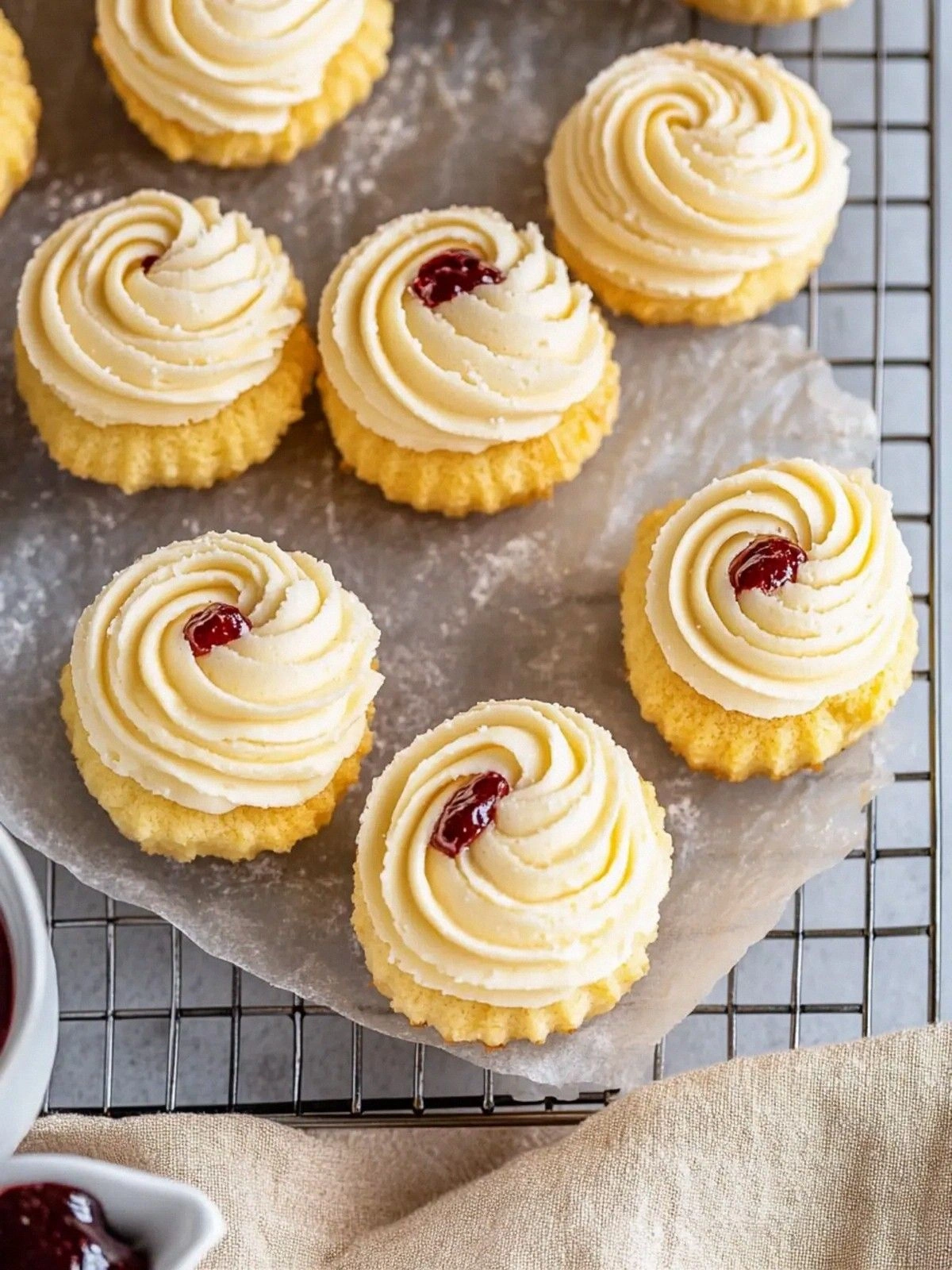
- Visual Appeal: The raspberry swirl adds a pop of color and a hint of tartness, turning each bite into a mini works‑of‑art.
- Ease: The method is straightforward, with no complicated techniques—just a few simple steps that even a beginner can master.
- Make‑ahead Friendly: You can prepare the dough and filling in advance, then bake when you’re ready, making it perfect for parties or last‑minute gatherings.
- Ingredient Quality: Using high‑grade unsalted butter and fresh vanilla ensures the best flavor profile and a superior finish.
- Audience Reaction: Guests always ask for the recipe after tasting; it’s a guaranteed conversation starter at any dinner.
Alright, let’s break down exactly what goes into this masterpiece…
Inside the Ingredient List
The Flavor Base
225 g unsalted butter is the heart of this pastry. It provides a rich, buttery foundation that coats the dough like velvet. If you skip it, you’ll end up with a flat, lifeless cookie that won’t rise. For best results, use butter that’s at room temperature so it mixes smoothly with the sugar. If you’re short on butter, a small splash of neutral oil can work, but the flavor profile will shift slightly.
The Sweetener
100 g caster sugar is the sweetener that balances the butter’s richness. Caster sugar dissolves quickly, preventing gritty textures. If you prefer a deeper flavor, you can replace half the caster sugar with brown sugar, but be aware it will change the crumb. The sugar also helps in browning, giving the pastry a golden hue.
The Moisture
3‑5 teaspoons of milk add a subtle moisture that keeps the dough pliable. Milk’s proteins help bind the flour and butter together, creating a cohesive structure. If you’re vegan, a splash of oat milk will work fine, but the pastry may turn slightly lighter in color.
The Vanilla Essence
1 ½ teaspoons vanilla extract is the aroma engine of this recipe. Vanilla’s complex flavor profile enhances every bite, making the pastry feel like a gourmet treat. If you’re using vanilla beans, a pinch of the seeds can add an extra depth of flavor.
The Texture Crew
225 g plain flour and 70 g cornflour combine to give the pastry a delicate crumb and a slight crispness. Plain flour provides structure, while cornflour adds a tender, almost airy finish. If you’re gluten‑free, swap the plain flour for a gluten‑free blend that includes xanthan gum for elasticity.
The Unexpected Star
100 g unsalted butter, used as a filling, brings a buttery richness that melts into each bite. This second butter is crucial for the swirl’s lusciousness; without it, the filling would be dry and clumpy. A small pinch of salt balances the sweetness and elevates the overall flavor.
The Finishing Touch
170 g icing sugar, 1 teaspoon vanilla extract, and ¼ cup raspberry jam create a glossy, flavorful glaze that coats the pastry like a sweet glaze. The icing sugar gives a smooth finish, while the raspberry jam adds a tart contrast that cuts through the butter’s heaviness. If you’re looking for a low‑sugar option, reduce the icing sugar by 20 % and add a splash of lemon juice to brighten the flavor.
Everything’s prepped? Good. Let’s get into the real action…
The Method — Step by Step
- Preheat your oven to 180 °C (350 °F) and line a baking sheet with parchment paper. This ensures even heat distribution and prevents sticking. I always keep a small bowl of water nearby; the steam helps keep the pastry slightly moist. While the oven heats, gather all your ingredients to keep the process smooth and uninterrupted.
- Place 225 g of unsalted butter in a stand mixer bowl and beat on medium speed until pale and fluffy, about 3‑4 minutes. The key is to incorporate air; if the mixture is too dense, the pastry will be heavy. Add 100 g caster sugar gradually, and continue beating until the mixture is light and airy. This stage is where the magic begins, and you’ll notice a sweet aroma filling the kitchen.
- Add 1 ½ teaspoons vanilla extract and 3‑5 teaspoons milk to the mixture, then beat until fully incorporated. The vanilla infuses the dough with a warm aroma, while the milk keeps the dough from drying out. This is the moment of truth—watch the mixture change from a thick paste to a silky, light batter.
- Sift together 225 g plain flour, 70 g cornflour, and a pinch of salt into a separate bowl. Sifting removes lumps and ensures an even distribution of flour. Gently fold the dry ingredients into the butter mixture using a spatula, being careful not to overmix. The dough should be soft but not sticky—if it’s too dry, add a splash of milk; if too wet, sprinkle a bit more flour.
- Turn the dough onto a lightly floured surface and roll it out to a thickness of about ½ inch. This thickness allows the pastry to bake evenly while maintaining a tender crumb. If the dough resists rolling, let it rest for 10 minutes at room temperature before rolling again.
- Cut the rolled dough into rectangles measuring about 3 × 6 cm. These will become the bite‑size pieces that hold the filling. For an extra twist, you can cut them into squares or triangles—just keep the shape consistent for even baking.
- In a small saucepan, melt 100 g unsalted butter over low heat. Once melted, remove from heat and stir in 170 g icing sugar, 1 teaspoon vanilla extract, and ¼ cup raspberry jam until smooth. This filling will be the heart of each pastry, giving it that irresistible swirl. Let the mixture cool slightly so it thickens but doesn’t harden.
- Spread a thin layer of the filling onto each rectangle, then roll them up tightly. The filling should be centered so it doesn’t spill during baking. Place the rolled pastries seam‑side down on the prepared baking sheet, spacing them about 2 cm apart.
- Bake in the preheated oven for 12‑15 minutes, or until the edges are lightly golden and the pastry feels firm to the touch. The baking time is crucial—overbaking will dry out the filling, while underbaking will leave the dough raw.
- Remove the pastries from the oven and let them cool on a wire rack for 5 minutes. This resting period allows the filling to set and the pastry to firm up, preventing it from breaking apart when you cut into it. If you’re serving immediately, you can drizzle a light glaze of melted butter and a dash of powdered sugar for extra shine.
- Serve warm or at room temperature. The pastry’s buttery aroma will linger in the kitchen, drawing guests in like a sweet siren call. If you’re storing leftovers, keep them in an airtight container for up to 3 days, and reheat in a 175 °C oven for 3 minutes to restore that fresh‑baked crunch.
That’s it — you did it. But hold on, I've got a few more tricks that'll take this to another level…
Insider Tricks for Flawless Results
The Temperature Rule Nobody Follows
Many bakers assume that room temperature butter is enough, but the secret is to start with butter that’s just slightly softened, not melted. This ensures that the butter stays in small pockets, creating a flaky, layered texture. If you’re short on time, chill the dough for 10 minutes before rolling to firm up the butter.
Why Your Nose Knows Best
When you’re about halfway through baking, a subtle nutty aroma will rise from the pastries. This is the tell‑tale sign that the sugar is caramelizing just right. If the smell is too sweet, the pastries may be overbaked; if it’s faint, they’re still cooking.
The 5‑Minute Rest That Changes Everything
After removing the pastries from the oven, let them rest on a wire rack for exactly 5 minutes. This short pause allows the steam to redistribute, preventing soggy bottoms and ensuring the filling sets properly. I’ve seen people skip this step and end up with pastries that crumble on the first bite.
Micro‑Challenge: The Perfect Flip
When you’re rolling the dough, aim for a tight, even roll. If the roll is too loose, the filling will spill out during baking. A quick trick: use a fork to press the seam, creating a small indentation that holds the filling in place.
Watch Out for Over‑Sifting
While sifting the flour is essential, over‑sifting can introduce too much air, leading to a dry crumb. Sift just enough to remove lumps and combine the flour evenly, then proceed to fold into the butter mixture.
Creative Twists and Variations
This recipe is a playground. Here are some of my favorite ways to switch things up:
Chocolate‑Infused Whirl
Swap the raspberry jam for dark chocolate chips and add 1 tsp cocoa powder to the flour mixture. The result is a rich, chocolatey pastry that pairs beautifully with a glass of red wine. The chocolate’s bitterness balances the buttery sweetness, creating a complex flavor profile.
Nutty Delight
Incorporate finely chopped walnuts or hazelnuts into the dough. The nuts add a crunchy texture and a nutty aroma that complements the vanilla. Toast the nuts lightly before adding to bring out their full flavor.
Spiced Variation
Add a pinch of ground cinnamon or cardamom to the flour mixture. The spice adds warmth and depth, turning the pastry into a cozy, autumn‑ready treat. This version is especially good with a drizzle of honey on top.
Low‑Sugar Option
Reduce the caster sugar by 30 % and replace the icing sugar with a sugar substitute that dissolves well, such as erythritol. The pastry remains tender, but the overall sweetness is toned down, making it suitable for those watching their sugar intake.
Vegan Version
Use plant‑based butter and a non‑dairy milk alternative. Replace the icing sugar with a vegan powdered sugar blend. The texture stays similar, and the flavor profile remains indulgent.
Mini‑Bite Version
Cut the dough into smaller squares before rolling. These bite‑sized treats are perfect for parties or as a sweet snack with coffee. The smaller size also allows for more filling per bite, enhancing the flavor.
Storing and Bringing It Back to Life
Fridge Storage
Place the cooled pastries in an airtight container and refrigerate for up to 3 days. The butter layers will firm up, so let them sit at room temperature for 10 minutes before serving to regain their softness.
Freezer Friendly
Wrap each pastry individually in parchment paper, then place them in a freezer bag. They’ll stay fresh for up to 2 months. When you’re ready to enjoy, thaw at room temperature for 30 minutes before reheating.
Best Reheating Method
Preheat your oven to 175 °C (350 °F). Place the pastries on a baking sheet and warm for 3 minutes, or until the outer layer is crisp again. Add a splash of water to the bottom of the pan to create steam; this will keep the pastry from drying out.