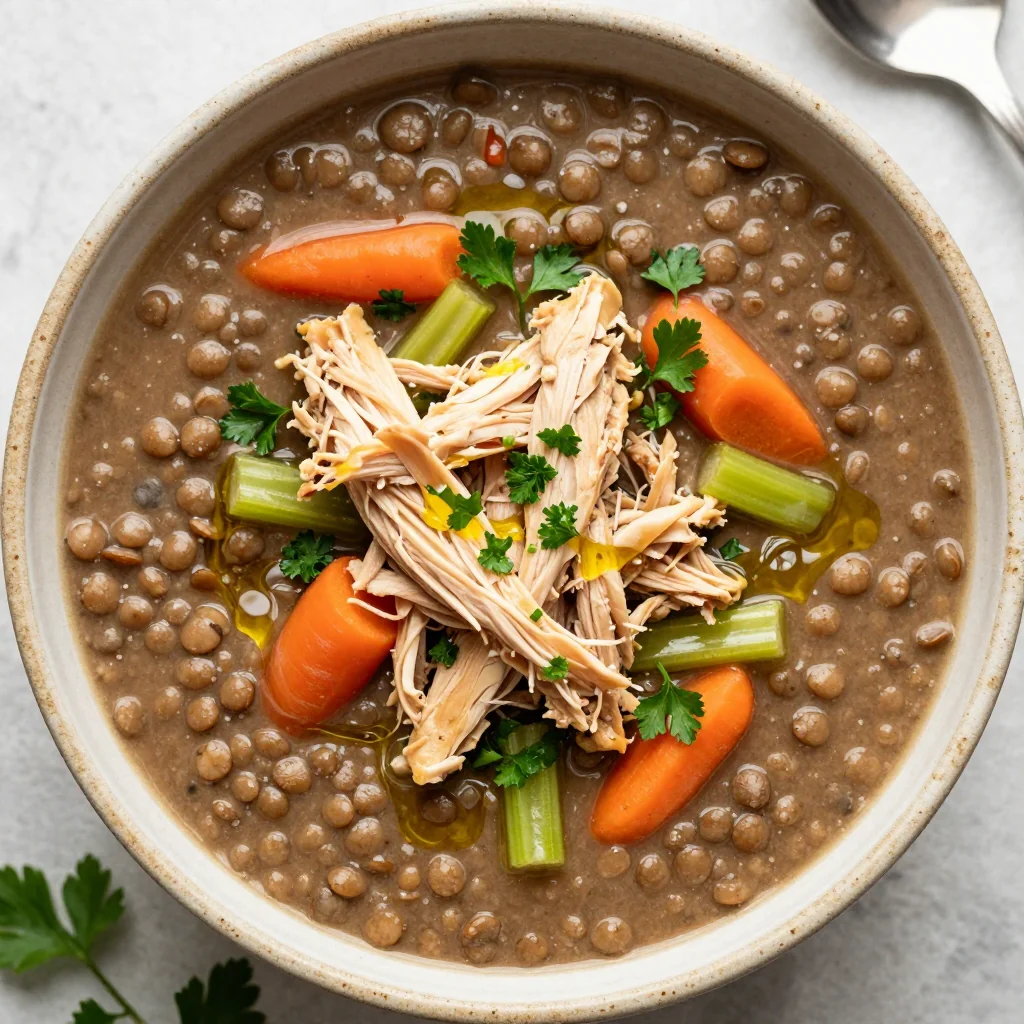
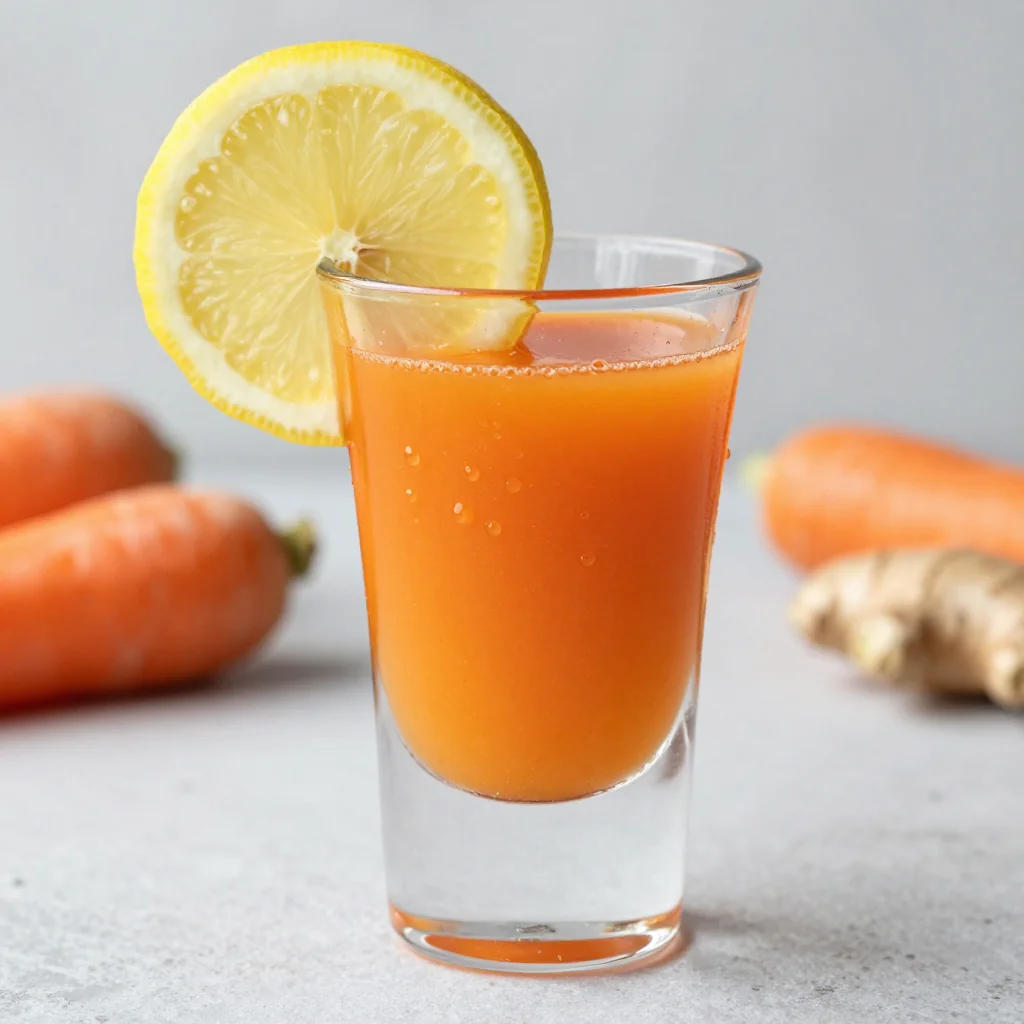
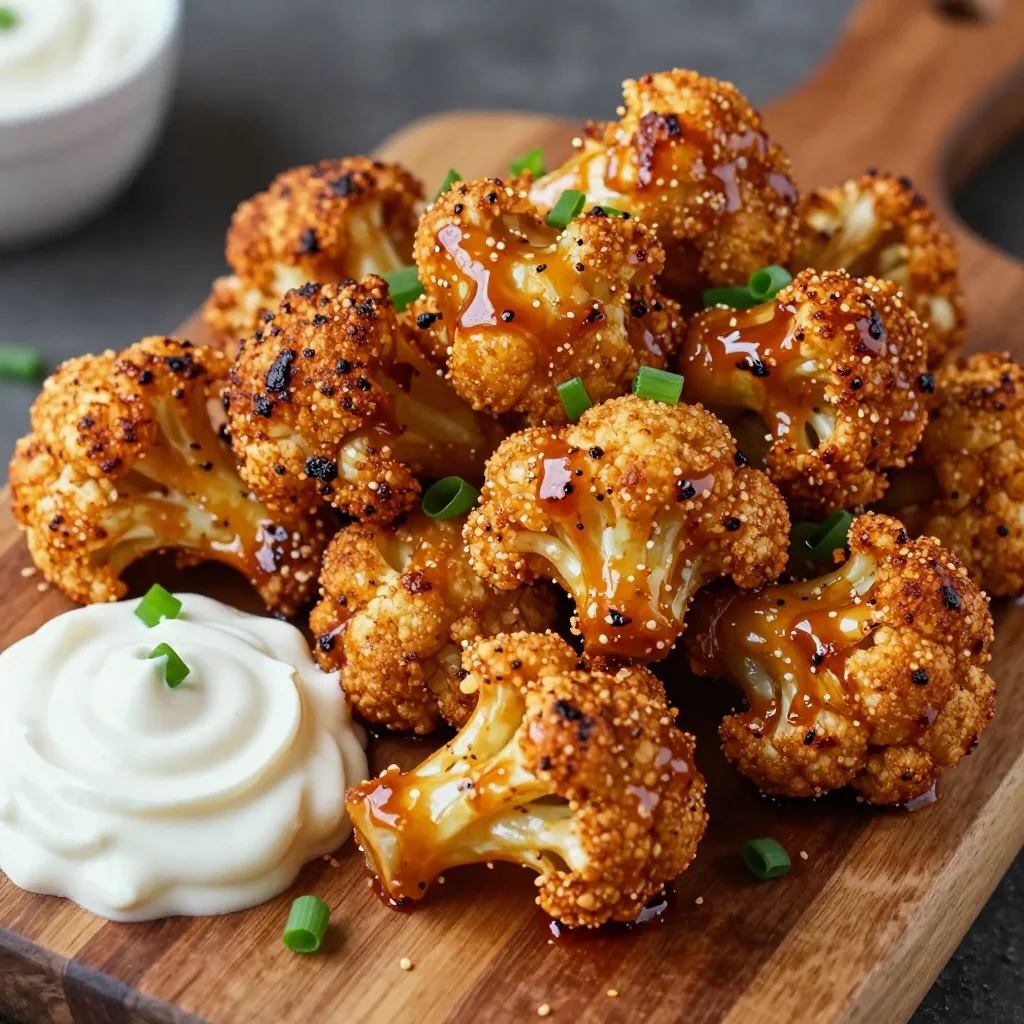
I was halfway through a week of bland chicken stir‑fries when the phone rang—my friend dared me to whip up something that would make everyone in the house beg for seconds. I stared at the empty fridge, the chicken breast, a bag of shrimp, and a rainbow of vegetables that had been gathering dust. The idea hit me like a sudden thunderclap: a protein‑packed bowl that could be whipped up in thirty minutes, still bursting with flavor, and that would make the taste buds dance. I grabbed my skillet, set the stove to medium, and let the kitchen become my laboratory.
The first thing you notice is the aroma—garlic sizzling, ginger releasing its bright, peppery perfume, and the faint sweet sting of honey caramelizing in the pan. As the chicken browns, the sound of the sizzling oil becomes a rhythmic drumbeat, a promise that something delicious is about to unfold. The colors are vivid: the deep red of the bell pepper, the green of the broccoli, and the pale, translucent shrimp that will soon turn a brilliant pink. The texture of the sauce begins to thicken, coating the ingredients like velvet, each morsel glistening. The anticipation builds until the final splash of lime juice, a burst of citrus that cuts through the richness and lifts the entire dish.
What sets this version apart is not just the combination of ingredients but the precise balance of heat, umami, and acidity. The sauce is a masterclass in flavor architecture—sweet, salty, spicy, and tangy all dancing in perfect harmony. The shrimp’s natural sweetness contrasts beautifully with the savory chicken, while the crunch of fresh vegetables keeps each bite interesting. The dish is versatile enough to serve as a hearty lunch, a light dinner, or even a protein‑rich snack after a workout. I dare you to taste this and not go back for seconds; the flavor will linger on your palate long after the bowl is empty.
This recipe is hands down the best version you'll ever make at home. I’ve spent months tweaking the ratios, experimenting with different proteins, and testing sauces until I found the perfect blend. I’ll be honest—half the batch vanished before anyone else could touch it. Picture yourself pulling this out of the pan, the whole kitchen smelling incredible, and watching as the steam curls in the air like a fragrant cloud. The moment you take the first bite, you’ll know why this dish has become my go-to for a quick, satisfying meal. Let me walk you through every single step—by the end, you'll wonder how you ever made it any other way.
What Makes This Version Stand Out
- Flavor: The sauce is a complex orchestra of sweet honey, sharp lime, and fiery sriracha, balanced by the savory depth of soy sauce. Each bite delivers a burst that lingers, leaving the taste buds craving more.
- Texture: The shrimp remains tender and succulent, the chicken stays juicy, and the vegetables keep their crisp snap, creating a satisfying contrast that elevates the entire dish.
- Simplicity: With just a handful of pantry staples and a few fresh ingredients, you can craft a restaurant‑quality bowl in under half an hour.
- Uniqueness: The combination of quinoa as a base, the dual proteins, and the bright, herbaceous finish set this recipe apart from the usual chicken‑only bowls.
- Crowd‑Pleaser: Whether you’re feeding a family, hosting friends, or meal‑prepping for the week, this dish brings excitement and nutrition to every table.
- Ingredient Quality: Fresh, high‑quality chicken and shrimp are essential; their natural flavors shine through and keep the dish from feeling over‑processed.
- Cooking Method: The quick sear locks in juices, while the sauce’s gentle simmer melds flavors without overcooking the proteins.
- Make‑Ahead Potential: The dish stores beautifully; flavors deepen overnight, making it ideal for busy schedules.
Inside the Ingredient List
The Flavor Base
The sauce is the heart of this bowl. Soy sauce provides the umami backbone, while honey adds a touch of natural sweetness that caramelizes beautifully when heated. Lime juice injects a bright acidity that cuts through the richness, and sriracha brings a gentle heat that can be dialed up or down. Together, they create a sauce that coats each ingredient like a silky blanket, ensuring every bite is flavorful.
If you skip the lime, the dish will taste flat and overly sweet. The acidity is what balances the honey and soy, preventing the sauce from becoming cloying. A pinch of fresh ginger adds a subtle zing that lifts the entire flavor profile, while minced garlic offers a deep, aromatic foundation. The combination of these elements is what makes the sauce versatile and unforgettable.
Swap options: If you’re allergic to soy sauce, tamari or coconut aminos work well as substitutes, though they’ll alter the saltiness slightly. For a sweeter version, replace honey with maple syrup or agave nectar. Adjust the sriracha amount to suit your heat tolerance; you can also use hot sauce or chili flakes for a different kick.
The Protein Crew
The chicken breast provides lean, protein‑rich meat that stays moist when seared correctly. Cutting it into bite‑sized pieces ensures even cooking and a pleasant chew. Shrimp adds a contrasting texture and a sweet, briny flavor that complements the chicken’s mildness.
If you omit the shrimp, the dish will still be satisfying but will lack the delicate sweetness and the visual appeal of the pink specks. Shrimp cooks in just a few minutes, so timing is critical; overcooking will make them rubbery. Use fresh shrimp whenever possible, or thaw frozen shrimp in a colander under cold water for a quick and safe option.
Alternative proteins: Replace chicken with tofu for a vegetarian version, or use turkey breast for a different lean protein. If you prefer a higher protein count, add edamame or chickpeas.
The Texture Crew
Broccoli florets add a satisfying crunch and a dose of vitamins. Red bell pepper slices bring color, sweetness, and a mild peppery bite. Quinoa serves as a nutty, protein‑rich base that absorbs the sauce and holds the bowl together.
Skipping the quinoa turns the dish into a lighter salad, but you lose the hearty, filling quality that makes it a main course. If you’re gluten‑free, quinoa is an excellent choice; if you’re looking for a lower carb version, swap it for cauliflower rice.
Buying tips: Choose quinoa with a white or gray color for a cleaner taste; brown quinoa has a nuttier flavor but takes slightly longer to cook. For broccoli, pick florets that are bright green and firm to ensure crispness.
The Final Flourish
Fresh cilantro adds a bright, herbaceous note that balances the richness of the sauce. A pinch of sea salt and black pepper enhances flavor without overpowering the dish. The finishing touch of lime juice adds a zesty punch that lifts everything.
If you skip the cilantro, the dish will still taste great but will lack that fresh, green undertone. A little extra lime can brighten the bowl if you prefer a tangier profile. A small pinch of crushed red pepper flakes can add an extra layer of heat for adventurous palates.
Buying tip: Use organic cilantro if possible; it tends to have a more robust flavor and fewer pesticide residues.
Everything's prepped? Good. Let's get into the real action.
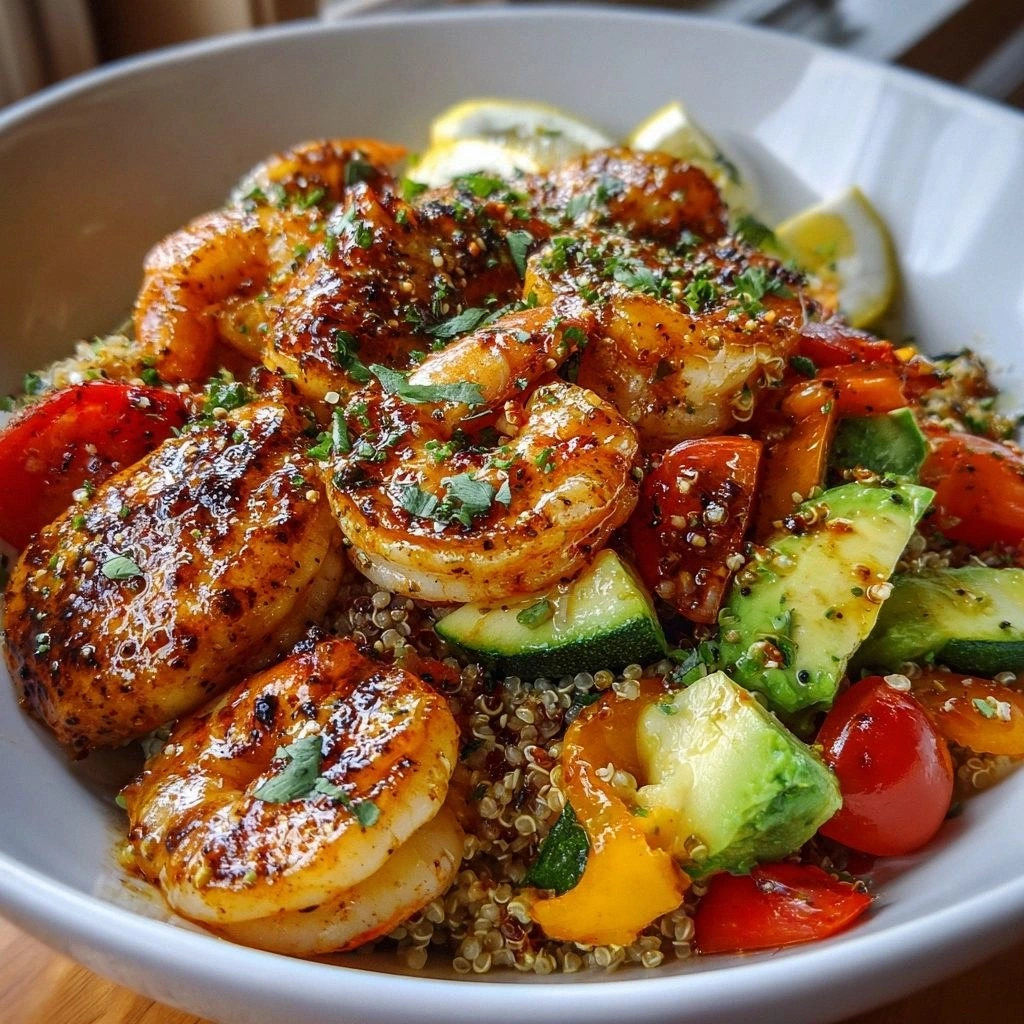
The Method — Step by Step
- Heat the skillet: Place a large, heavy‑bottom skillet over medium heat and add 2 tablespoons of sesame oil. Let the oil shimmer before adding the chicken. The pan should feel warm enough that a pinch of water sizzles on contact. This step locks in juices and creates a caramelized crust that is the first hint of flavor.
- Cook the chicken: Add the diced chicken to the skillet in a single layer. Allow it to sear undisturbed for 3–4 minutes on each side, or until golden brown and cooked through. The edges should start pulling away from the pan, indicating a good sear. Flip only once to keep the chicken juicy.
- Introduce the shrimp: Push the chicken to the side of the pan and add the shrimp. Sauté for 2 minutes on each side until they turn pink and opaque. Watch the shrimp closely; overcooking will make them rubbery. This quick cook preserves their natural sweetness.
- Stir in vegetables: Add the broccoli florets and bell pepper slices to the skillet. Cook for 3 minutes, stirring occasionally, until they soften but still retain a crisp bite. The vegetables should be bright and vibrant, signaling that they’re not overcooked.
- Blend the sauce: In a small bowl, whisk together 2 tablespoons soy sauce, 1 tablespoon honey, 1 tablespoon sriracha, 1 tablespoon lime juice, 1 tablespoon sesame oil, 1 teaspoon minced garlic, and 1 teaspoon grated ginger. This mixture should be smooth and fragrant.
- Combine everything: Pour the sauce over the proteins and vegetables. Toss gently to coat all components. Let the mixture simmer for 2 minutes so the flavors meld. The sauce should thicken slightly, creating a glossy coat over the bowl.
- Finish with herbs: Sprinkle chopped cilantro and a pinch of sea salt over the bowl. Toss again for a final coat. The fresh cilantro adds a bright counterpoint to the savory sauce, while the salt elevates every component.
- Serve: Divide the quinoa among four bowls. Spoon the protein and vegetable mixture over the quinoa. Garnish with extra cilantro if desired. The bowl should look colorful, inviting, and ready to devour.
That's it—you did it. But hold on, I've got a few more tricks that'll take this to another level. The next section will show you how to elevate the dish with a few extra touches.
Insider Tricks for Flawless Results
The Temperature Rule Nobody Follows
Many cooks think high heat is always better, but for chicken and shrimp, a moderate temperature preserves moisture. Seared at medium heat, the proteins develop a golden crust while staying juicy inside. If you find the pan too hot, reduce to medium‑low and add a splash of water to prevent sticking.
Why Your Nose Knows Best
Trust the scent of the sauce—when it starts to caramelize, you’re near perfection. A subtle nutty aroma indicates the sugars are browning just right. If you hear a burnt smell, the pan is over‑heated; lower the flame immediately.
The 5-Minute Rest That Changes Everything
Let the cooked bowl rest for five minutes before serving. This pause allows the juices to redistribute, making each bite more succulent. It also lets the sauce thicken into a silky glaze.
The Quick Toss
When adding the sauce, toss the bowl vigorously for 30 seconds. This ensures even coating and prevents the sauce from pooling at the bottom. The result is a uniform flavor profile in every bite.
The Fresh‑Cut Finish
Add a final splash of lime juice just before serving. The acidity brightens the dish, cutting through the richness of the sauce. A fresh squeeze also adds a glossy sheen to the bowl.
The Reheating Secret
When reheating leftovers, sprinkle a teaspoon of water over the bowl and cover with a lid. This steaming trick keeps the proteins moist and prevents the sauce from drying out.
Creative Twists and Variations
This recipe is a playground. Here are some of my favorite ways to switch things up:
Spicy Thai Twist
Swap the sriracha for a tablespoon of Thai red curry paste and add a splash of coconut milk. The result is a creamy, aromatic bowl with a subtle heat that lingers.
Mediterranean Flair
Replace the quinoa with couscous, use olive oil instead of sesame, and toss in chopped olives and feta cheese. The dish takes on a briny, savory character reminiscent of a seaside market.
Southwestern Kick
Add a handful of corn kernels, sprinkle cumin and smoked paprika, and finish with a squeeze of fresh lime. The smoky, earthy tones pair wonderfully with the sweet shrimp.
Vegan Upgrade
Omit the chicken and replace it with marinated tofu cubes. Use tamari instead of soy sauce, and add a handful of sliced mushrooms for umami depth.
Breakfast Bowl
Swap quinoa for cooked oatmeal, add a fried egg on top, and sprinkle with chopped chives. The result is a protein‑packed breakfast that keeps you full until lunch.
Gluten‑Free Delight
Use cauliflower rice instead of quinoa and ensure your soy sauce is gluten‑free. The dish remains hearty and flavorful while meeting gluten‑free dietary needs.
Asian Fusion Fusion
Add a handful of sliced green onions, a drizzle of sesame seeds, and a dash of rice vinegar. This final touch gives the bowl a bright, tangy finish that feels like a sushi roll.
Storing and Bringing It Back to Life
Fridge Storage
Store the cooked bowl in an airtight container for up to 3 days. Keep the quinoa separate if you prefer a fresher texture; combine just before eating. The sauce will thicken in the fridge, so a quick stir will restore its glossy coat.
Freezer Friendly
For longer storage, freeze the proteins and vegetables separately from the quinoa. Wrap each component tightly in plastic wrap and place in freezer bags. Use within 2 months for best quality. Thaw overnight in the fridge before reheating.
Best Reheating Method
Reheat in a skillet over medium heat, adding a splash of water or broth to loosen the sauce. Alternatively, microwave on medium power for 2 minutes, stirring halfway. Finish with a squeeze of lime to revive the bright flavors.