It all began on a rainy Thursday night when I tried to impress a friend with a quick dinner that could double as a protein punch. I had a handful of salmon fillets, a jar of soy sauce, and a pantry full of “must‑have” kitchen gadgets, but the real disaster was the mis‑step that turned a simple pan‑fry into a soggy mess. I tossed the fillets into the skillet, only to hear the dreaded hiss of steam and watch the salmon slide off the pan like a fish on ice. That moment was a wake‑up call: if I wanted a dish that could win a crowd and still be low in calories, I needed a game‑changer.
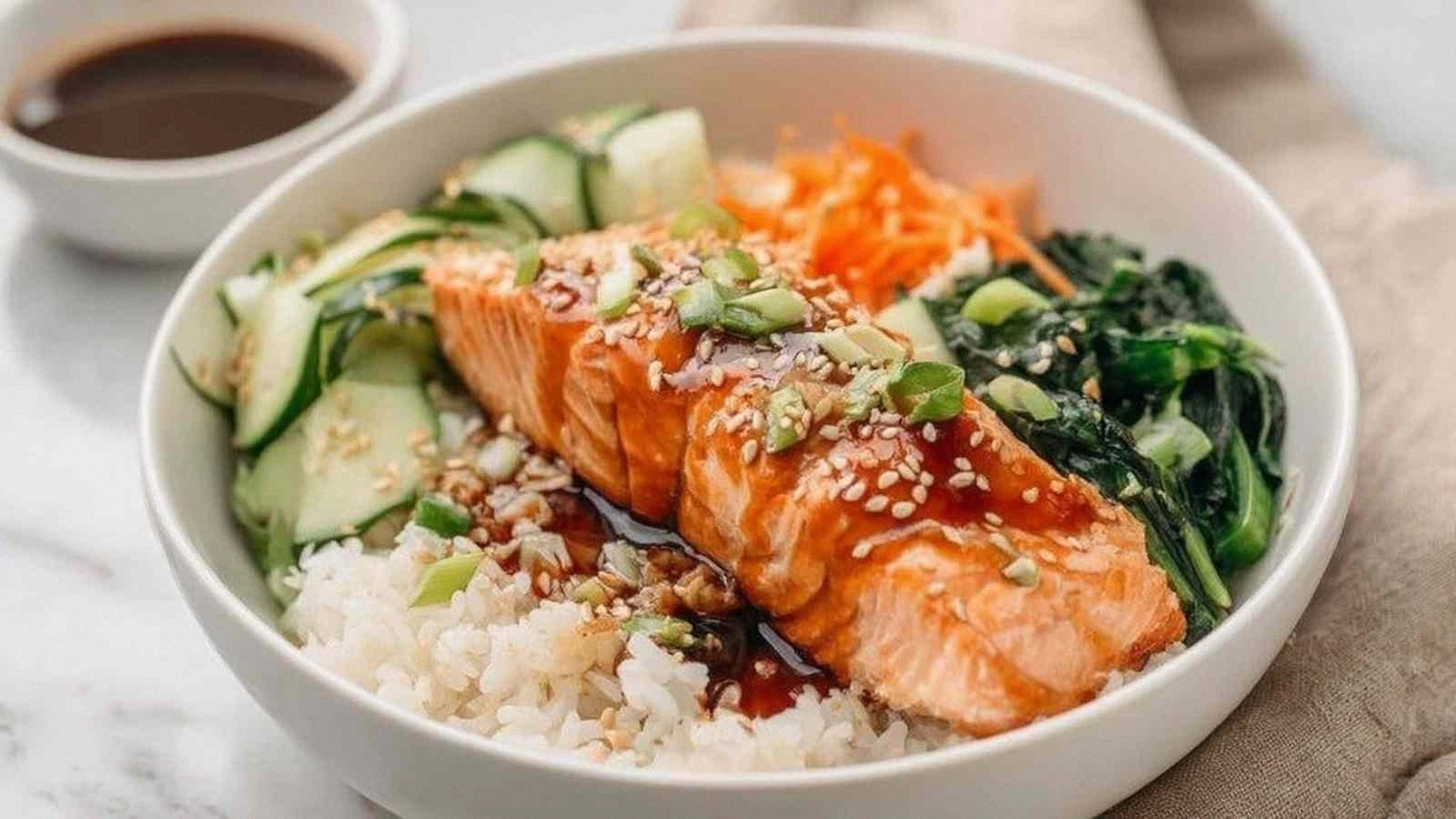
Picture this: the kitchen fills with the aroma of caramelized honey and toasted sesame oil, the sizzle of garlic and ginger dancing on the stove, and the gentle pop of a simmering sauce that thickens like velvet. The sound of a knife slicing fresh cucumber, the bright green of broccoli florets, and the subtle crunch of edamame create a visual feast that feels almost cinematic. The first bite is a burst of umami, followed by the subtle heat of red pepper flakes, and then the bright citrus zing of lime that lifts the entire flavor profile. It’s the kind of dish that makes your taste buds do a little dance while keeping your waistline in check.
What makes this version stand out from the endless list of teriyaki recipes on the internet? It’s the meticulous balance of sweet, salty, and savory, the use of fresh, high‑quality ingredients, and a cooking technique that locks in moisture without adding excess calories. I’ve refined the sauce to achieve a silky glaze that coats the salmon like a silk scarf, while the vegetables stay crisp enough to satisfy that crunch craving. It’s a dish that’s as elegant as it is approachable, making it perfect for both a dinner party and a solo weeknight meal.
And there’s a secret twist you won’t see in most recipes: a splash of rice vinegar that brightens the sauce and a pinch of toasted sesame oil that adds a nutty aroma. I dare you to taste this and not go back for seconds. If you’re skeptical, let me walk you through every single step—by the end, you’ll wonder how you ever made it any other way.
What Makes This Version Stand Out
- Flavor: The sauce marries sweet honey with the saltiness of soy sauce, creating a depth that’s both comforting and sophisticated. The subtle citrus lift from lime keeps the dish from feeling heavy.
- Texture: Salmon stays moist and tender thanks to a quick sear that locks in juices, while the broccoli and edamame remain crisp. The sauce’s silky consistency coats the fish without weighing it down.
- Nutrition: With 350 calories per serving and 25 grams of protein, this bowl hits the sweet spot for those watching macros without sacrificing flavor.
- Ease: Every step takes less than 30 minutes, and the ingredients are pantry staples you’re likely already holding.
- Versatility: Swap jasmine rice for cauliflower rice or quinoa for a grain‑free or whole‑grain option, and you still get the same satisfying experience.
- Make‑ahead: The sauce can be prepared in advance and refrigerated; just reheat the salmon and vegetables for a quick dinner later.
- Crowd‑pleaser: Even the most picky eaters will love the glossy glaze and the fresh crunch of vegetables.
- Ingredient Quality: Using skin‑on salmon adds flavor and helps the fillets stay together, while fresh ginger and garlic elevate the sauce beyond the ordinary.
Alright, let's break down exactly what goes into this masterpiece…
Inside the Ingredient List
The Flavor Base
The heart of this dish is the sauce, a marriage of low‑sodium soy sauce, rice vinegar, honey, and toasted sesame oil. The soy sauce provides the umami backbone, while the vinegar cuts through sweetness, preventing the glaze from becoming syrupy. Honey offers natural sweetness that caramelizes when heated, creating a glossy finish that clings to the salmon. Toasted sesame oil adds a nutty aroma that elevates the overall flavor profile. If you’re watching sodium, swap regular soy for tamari or a reduced‑sodium blend.
The Texture Crew
Broccoli florets, sliced cucumber, shredded carrots, and shelled edamame contribute a spectrum of textures—from crunchy to tender. Broccoli brings a hearty bite and a pop of color, while cucumber offers a refreshing bite that balances the richness of the salmon. Carrots add a subtle sweetness and a slight crunch, and edamame supplies a protein boost and a pleasant pop when bitten. If you’re short on time, pre‑cut vegetables or a frozen veggie mix can save minutes without compromising flavor.
The Unexpected Star
The 2 teaspoons of cornstarch are the unsung hero that thickens the sauce to the perfect consistency. It’s a quick, gluten‑free thickening agent that doesn’t add flavor, allowing the natural taste of the other ingredients to shine. If you’re avoiding cornstarch, arrowroot powder or a small amount of flour can work, but the texture may differ slightly.
The Final Flourish
Sesame seeds, green onions, and lime wedges are the finishing touches that bring brightness and visual appeal. Sesame seeds add a subtle nutty crunch, green onions contribute a mild onion note, and lime wedges provide a citrusy zing that brightens the dish just before serving. A pinch of red pepper flakes or a drizzle of sriracha can add heat for those who like a little kick.
Everything's prepped? Good. Let's get into the real action…
The Method — Step by Step
- Combine the soy sauce, rice vinegar, honey, toasted sesame oil, minced garlic, grated ginger, and cornstarch in a small bowl. Whisk until the cornstarch is fully dissolved and the mixture is smooth. This will be your glaze; keep it ready to pour over the salmon later. I dare you to taste the raw glaze—it’s surprisingly sweet and savory, and it’s the foundation of the dish.
- Pat the salmon fillets dry with paper towels to ensure a nice sear. Season both sides lightly with salt and pepper. Heat a non‑stick skillet over medium‑high heat and add a splash of oil. When the oil shimmers, place the salmon skin‑side down. The sizzle should be audible; that’s the signal that the pan is hot enough.
- Sear the salmon for 3–4 minutes until the skin becomes crisp and releases easily from the pan. Flip carefully and cook for an additional 2–3 minutes. The salmon should still be slightly translucent in the center. If you’re unsure, use a thermometer—130°F is perfect for medium‑rare.
- Pour the prepared glaze over the salmon. Reduce the heat to medium, letting the sauce bubble gently. Stir occasionally to prevent sticking. The sauce will thicken into a glossy coat that clings to the fillets. When the edges begin to pull away from the pan, that’s your cue that the salmon is done.
- While the salmon rests, steam or blanch the broccoli florets for 2 minutes until bright green and tender yet still crisp. Drain and set aside. The quick blanch preserves the vibrant color and crunch.
- In a separate pan, sauté the sliced cucumber and shredded carrots in a splash of sesame oil for 1 minute. This quick sauté keeps the vegetables bright and adds a subtle oil sheen that complements the sauce.
- Add the shelled edamame to the pan and sauté for another minute, letting the flavors mingle. Remove from heat and toss in the cooked rice, mixing everything together. The rice should be fluffy and slightly coated with the sesame oil, acting as a neutral base for the salmon.
- To assemble, divide the rice mixture among bowls, top with a salmon fillet, and arrange the vegetables artistically. Sprinkle sesame seeds, sliced green onions, and a few lime wedges on top. Finish with a pinch of red pepper flakes or a drizzle of sriracha if you like heat. Serve immediately and enjoy the explosion of textures and flavors.
That's it — you did it. But hold on, I've got a few more tricks that'll take this to another level…
Insider Tricks for Flawless Results
The Temperature Rule Nobody Follows
Many cooks skip the step of checking the internal temperature of salmon, relying solely on visual cues. I’ve learned that a quick read at 130°F guarantees a buttery interior that stays moist. If you’re using a different cut, adjust the time accordingly, but never rely on the “golden brown” sign alone.
Why Your Nose Knows Best
Before you add the glaze, let it sit for a minute. The aroma of toasted sesame oil and caramelizing honey is a reliable indicator that the sauce is developing the right flavor profile. Trust your nose; if it smells like a sweet, slightly smoky caramel, you’re on the right track.
The 5‑Minute Rest That Changes Everything
After cooking, let the salmon rest for exactly five minutes. This short pause allows the juices to redistribute, ensuring each bite is as moist as possible. I’ve seen many people skip this step and end up with dry, over‑cooked fish.
The Quick Broccoli Blanch
Blanching broccoli for just two minutes keeps it crisp and bright green. Over‑blanching turns it mushy and dull. After blanching, shock the broccoli in ice water to stop the cooking process and lock in color.
The Secret Sesame Oil Trick
When sautéing the vegetables, add a splash of toasted sesame oil at the end, not at the beginning. This preserves its nutty aroma and prevents the oil from burning, which would introduce a bitter note.
The Quick Lime Finish
Squeeze a fresh lime wedge over the finished bowl right before serving. The acidity cuts through the sweetness of the glaze and adds a bright, refreshing counterpoint that elevates the dish.
Creative Twists and Variations
This recipe is a playground. Here are some of my favorite ways to switch things up:
Citrus Explosion
Swap lime for yuzu or orange zest to give the dish a more aromatic citrus profile. The bright, floral notes will pair beautifully with the sesame oil.
Spicy Korean Fusion
Add gochujang to the glaze for a smoky, spicy kick. Pair it with sliced Korean kimchi on top for an extra layer of umami.
Pineapple Punch
Incorporate diced fresh pineapple into the sauce for a tropical twist. The natural sweetness will complement the honey and balance the savory notes.
Quinoa Power Bowl
Replace jasmine rice with quinoa for a protein‑rich, gluten‑free base. The nutty flavor of quinoa works well with the sesame oil.
Vegetarian Version
Use grilled tofu or tempeh instead of salmon. Marinate the protein in the same glaze for a few minutes before cooking to absorb the flavors.
Asian Noodle Twist
Swap the rice for soba or udon noodles, then toss everything together for a hearty noodle bowl that still keeps the protein high and calories low.
Storing and Bringing It Back to Life
Fridge Storage
Store the cooked salmon and vegetables separately in airtight containers. The sauce can be kept in a small jar or container for up to 3 days. When reheating, gently warm the salmon in a microwave or skillet, adding a splash of water to keep it moist.
Freezer Friendly
Freeze the cooked salmon and veggies in separate freezer bags. The sauce can be frozen for up to 2 weeks. Thaw overnight in the refrigerator before reheating. Add a little water or broth when reheating to prevent drying.
Best Reheating Method
The best way to revive this dish is to gently reheat the salmon and vegetables in a skillet over low heat, adding a splash of water or broth to create steam. This keeps the salmon juicy and the vegetables from becoming mushy. Finish with a quick squeeze of lime to brighten the flavors.