Picture this: I was standing in a cramped apartment kitchen, the fridge humming, and my stomach growling louder than my phone’s notification alerts. I had a craving that could only be satisfied by a protein‑packed, noodle‑laden dish that didn’t feel like a carb‑heavy snooze. The moment I opened the pantry, my eyes snagged on a bag of rice noodles, a block of chicken, a small shrimp pack, and a handful of fresh veggies. I dared myself to turn this humble combination into a masterpiece that would make my taste buds do a double tap.
The first thing I noticed was the scent of garlic sizzling in sesame oil, the bright pop of bell pepper as it hit the hot pan, and the subtle sweetness of carrots caramelizing just enough to hint at caramel. My ears caught the rhythmic hiss as the noodles slid into the wok, their silky surface glistening under the kitchen lights. The texture was a perfect balance: noodles that were firm yet tender, shrimp that stayed juicy, and veggies that retained a crisp bite. If you could taste the moment, you’d hear the faint crunch, feel the warmth, and smell the savory umami that lingers on the tongue.
What makes this version stand out is that it’s not just a bowl of noodles; it’s a protein symphony that sings with flavor and texture. The combination of chicken, shrimp, and edamame gives a protein punch that even the most seasoned fitness enthusiast would nod in approval. The peanut butter sauce adds a velvety richness that coats each strand of noodle like a silk scarf, while the snap peas and carrots provide a fresh, crunchy counterpoint that keeps the dish from feeling heavy. And the best part? It’s incredibly easy to prep, making it a go‑to for busy nights.
I’ll be honest—after I made the first batch, I ate half the bowl before anyone else got a chance to taste it. That’s the power of this dish: it’s so good that it demands a second, third, and even a fourth helping. Most recipes get this completely wrong by overcooking the noodles or under-seasoning the protein, but here we strike that sweet spot. I dare you to taste this and not go back for seconds. If you’re skeptical, keep reading; by the end, you’ll wonder how you ever made it any other way.
What Makes This Version Stand Out
- Flavor: The sauce is a marriage of soy, sesame oil, and peanut butter that creates a deep, nutty umami that lingers on the palate. It’s the kind of flavor that makes every bite feel like a new adventure.
- Texture: The noodles stay al dente, the shrimp remains succulent, and the vegetables keep their crispness. The contrast feels like a well‑orchestrated dance of textures.
- Protein Power: With chicken, shrimp, and edamame, this dish packs more protein per serving than most noodle dishes. It’s a perfect meal for muscle recovery or a hearty lunch.
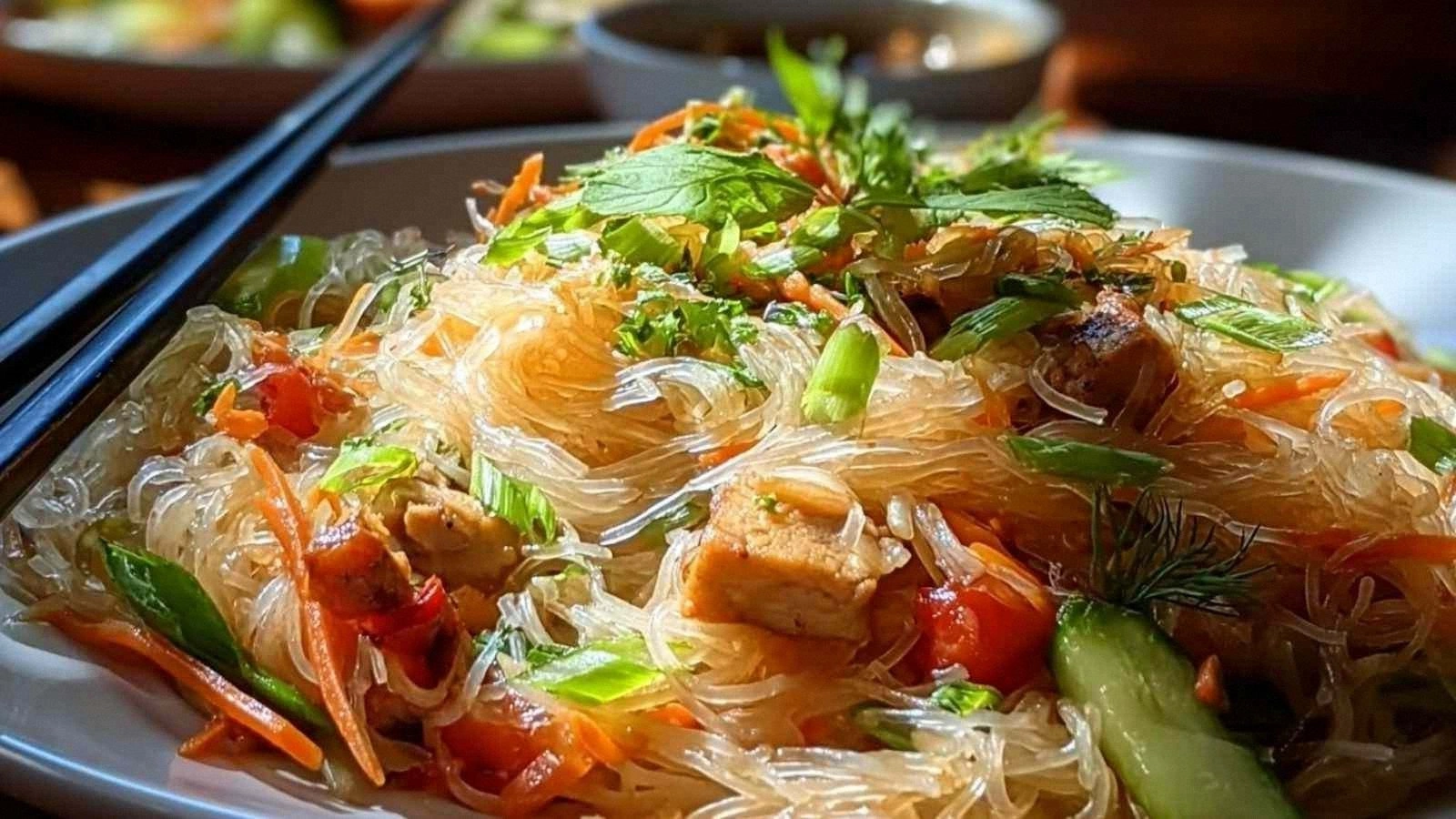
- Visual Appeal: The vibrant colors of bell pepper, carrots, and snap peas against the glossy noodles make for a dish that looks as good as it tastes.
- Time Efficiency: Every component can be prepped in under 15 minutes, and the cooking itself takes no more than 30 minutes. Busy nights? No problem.
- Make‑Ahead Friendly: The dish can be assembled ahead of time and reheated with minimal loss of flavor or texture, making it a convenient weeknight or meal‑prep option.
- Ingredient Quality: Using fresh, high‑quality ingredients ensures that each bite delivers maximum flavor and nutrition.
- Versatility: Swap the shrimp for tofu or the chicken for pork, and you can tailor this recipe to any dietary preference.
Alright, let’s break down exactly what goes into this masterpiece…
Inside the Ingredient List
The Flavor Base
Peanut Butter: This isn’t just a side note; it’s the glue that holds the sauce together. Peanut butter adds a creamy, slightly sweet depth that balances the salty soy. If you skip it, the dish loses that luxurious mouthfeel, and the sauce becomes thin and watery. For a dairy‑free twist, use a natural, unsweetened peanut butter, and you’ll preserve the authentic taste.
Sesame Oil: A splash of sesame oil introduces a nutty aroma that lifts the entire dish. It’s the subtle whisper that tells your palate it’s a genuine Asian-inspired meal. If you can’t find sesame oil, a tiny amount of toasted coconut oil can mimic the nuttiness, but the flavor profile will shift slightly.
Soy Sauce: The umami powerhouse of any Asian stir‑fry. Soy sauce provides the salty backbone that balances the sweetness of the peanut butter. When choosing soy sauce, opt for low‑sodium to control the saltiness. If you’re on a sodium‑restricted diet, a dash of tamari or coconut aminos works as a great alternative.
The Protein Crew
Chicken Breast: Lean, versatile, and fast‑cooking, chicken breast brings a clean, savory flavor that doesn’t overpower the other ingredients. Slicing it into thin strips ensures quick, even cooking. If you prefer a richer protein, substitute with chicken thighs, but be prepared for a slightly longer cook time.
Shrimp: Shrimp adds a sweet, briny bite that contrasts beautifully with the noodles and vegetables. Cooked just until pink, it stays tender and juicy. For a budget‑friendly alternative, canned or frozen shrimp can be used, but fresh is best for texture.
Edamame: The little green beans are a protein powerhouse and add a pop of color. They’re also a fun, bite‑size element that breaks up the dish. If you’re not a fan of edamame, you can replace it with peas or even tofu cubes for a similar protein boost.
The Texture Crew
Rice Noodles: Thin rice noodles absorb sauce without becoming mushy. Their neutral flavor lets the sauce shine. If you can’t find rice noodles, spiralized zucchini or spaghetti squash works, but the texture will differ.
Carrots: Carrots bring a sweet crunch that pairs with the savory sauce. Slice them julienne for quick cooking and even coating. A pinch of paprika adds a smoky depth that enhances the overall flavor.
Snap Peas: Snap peas provide a satisfying snap and a fresh, green burst. They cook quickly and retain their bright color. If snap peas are out of season, frozen green beans or broccoli florets can be used.
The Unexpected Star
Fresh Ginger: Ginger injects a bright, peppery kick that cuts through the richness. Fresh is essential; dried ginger loses its sharpness. A thin slice of ginger also adds a subtle aroma that elevates the dish.
Garlic: Garlic is the backbone of the sauce, offering depth and a robust aroma. Mince it finely to ensure it blends seamlessly into the sauce. Too much garlic can overpower, so keep it balanced.
Everything's prepped? Good. Let's get into the real action…
The Method — Step by Step
- Begin by soaking the rice noodles in warm water for 20 minutes to soften them. After soaking, drain and set aside. The noodles will be ready to absorb the sauce without becoming mushy.
- While the noodles rest, heat a tablespoon of sesame oil in a large wok or skillet over medium‑high heat. Add the minced garlic and ginger; sauté for 30 seconds until fragrant. The aroma should fill the kitchen, signaling the base is ready.
- Add the sliced chicken breast to the pan, cooking until it turns golden on the edges. This should take about 3‑4 minutes per side. The chicken’s surface should caramelize slightly, adding depth to the dish.
- Introduce the shrimp next, letting them cook until they’re pink and opaque. Shrimp cook quickly—about 2 minutes per side—so keep an eye on them to avoid over‑cooking.
- Stir in the carrots, bell pepper, and snap peas. Cook for 3 minutes until the veggies are crisp yet tender. The vegetables should still retain a bright, fresh color.
- Whisk together the soy sauce, peanut butter, and a splash of water to create a smooth sauce. Pour this over the protein and veggies, stirring to coat everything evenly. The sauce should coat the noodles like velvet.
- Add the soaked rice noodles to the pan, tossing them with the sauce and other ingredients until the noodles are heated through and fully coated. This should take about 2 minutes.
- Finally, fold in the edamame and scramble the eggs over the top, letting them set just enough to keep them soft. The eggs should melt into the sauce, adding a silky texture.
- Serve hot, garnishing with a sprinkle of sesame seeds and a drizzle of extra sesame oil if desired. The dish should feel like a warm hug with a spicy kick.
That’s it — you did it. But hold on, I've got a few more tricks that'll take this to another level…
Insider Tricks for Flawless Results
The Temperature Rule Nobody Follows
Maintaining the right heat is crucial. Too low, and the sauce will become watery; too high, and the proteins will overcook. I’ve found that a medium‑high setting works best for the initial sear, then dropping to medium for the rest of the cooking. This keeps the noodles al dente and the shrimp juicy.
Why Your Nose Knows Best
If the sauce smells slightly burnt, it’s a sign that the oil is too hot. The garlic and ginger will char, creating bitter notes. Keep a close eye on the aromatics; they should be fragrant, not scorched. A quick stir can save the dish from a culinary mishap.
The 5‑Minute Rest That Changes Everything
After cooking, let the dish rest for five minutes before serving. This allows the flavors to meld and the sauce to thicken slightly, giving the noodles a silky coating. A rest period also lets the protein settle, preventing it from becoming rubbery.
Adding a Splash of Citrus
A squeeze of lime or a dash of rice vinegar at the end brightens the dish and cuts through the richness. The acidity balances the peanut butter’s heaviness, creating a more rounded flavor profile. If you’re vegan, use a splash of apple cider vinegar instead.
Stirring with a Wooden Spoon
Stirring with a wooden spoon prevents metal from reacting with the acidic components in the sauce. It also helps distribute heat evenly, ensuring that no part of the dish overcooks. A wooden spoon feels natural and is a staple in many Asian kitchens.
Creative Twists and Variations
This recipe is a playground. Here are some of my favorite ways to switch things up:
Spicy Sriracha Kick
Stir in a tablespoon of sriracha during the sauce stage for heat that lingers. The spicy kick pairs beautifully with the nutty sauce.
Vegetarian Vibes
Omit the chicken and shrimp, and double the edamame and tofu. Add a splash of soy sauce for depth. The result is a hearty, plant‑based meal.
Thai Twist
Replace the soy sauce with fish sauce and add a handful of fresh basil leaves. The aromatic herbs elevate the dish to Thai‑style street food.
Low‑Carb Version
Swap rice noodles for shirataki noodles or zucchini noodles. Keep the sauce and protein the same to maintain flavor while cutting carbs.
Breakfast Bowl
Serve the dish over a bed of scrambled eggs and top with sliced scallions. It becomes a protein‑rich breakfast that fuels your morning.
Storing and Bringing It Back to Life
Fridge Storage
Store leftovers in an airtight container in the refrigerator for up to 3 days. Keep the sauce separate if possible; combine only just before reheating to prevent sogginess.
Freezer Friendly
Freeze the dish in individual portions for up to 2 months. Thaw overnight in the fridge, then reheat in a skillet with a splash of water to restore moisture.
Best Reheating Method
Reheat in a pan over medium heat, adding a teaspoon of water or broth to steam the noodles back to life. The dish should feel warm and the sauce should be glossy again.