I remember the night I tried to make a quick dinner after a long shift, thinking a simple stir‑fry would do. I tossed raw chicken, noodles, and whatever sauce I could find into a pan, only to end up with a greasy mess that tasted like burnt plastic. That disaster sparked a mission: to create a Hoisin Chicken Udon Noodles dish that would make even the most skeptical foodie swoon. I’m not just talking about a recipe; I’m sharing a culinary revelation that will become your new kitchen anthem.
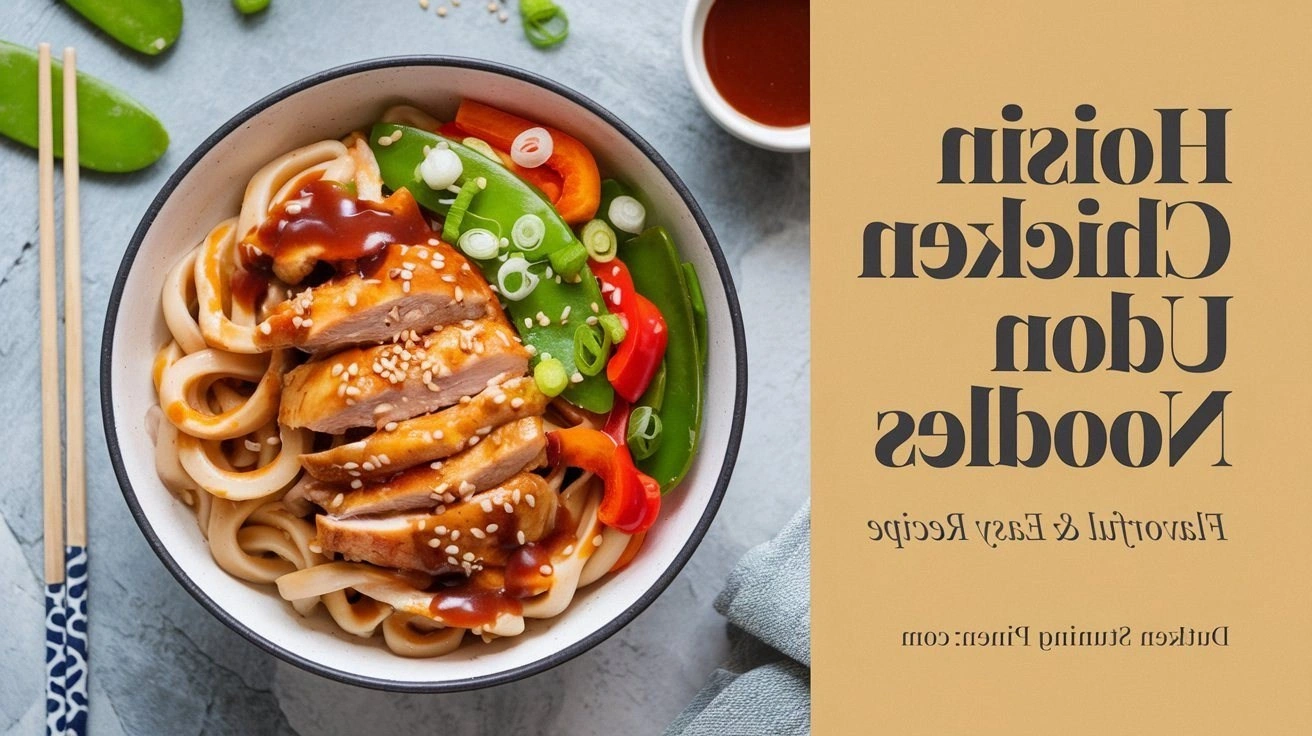
Picture this: the kitchen is a symphony of sizzling sounds, the air thick with the aroma of caramelized garlic and ginger, and a glossy, amber‑gold sauce glistening over tender chicken. The noodles are al dente, each strand coated in a silky hoisin glaze that clings like velvet. You hear the gentle pop of onions as they soften, the faint hiss of the sauce thickening, and your eyes catch the glint of sesame seeds dancing on the surface. The first bite is a burst of umami, sweetness, and a subtle heat that lingers, leaving a trail of savory satisfaction that makes your taste buds applaud.
What sets this version apart is that it’s a harmony of flavors and textures, a dish that feels both indulgent and wholesome. The hoisin sauce is balanced with a splash of rice vinegar and a touch of honey, creating a sweet‑savory profile that’s never cloying. The chicken is marinated in a quick mixture that locks in moisture, ensuring each bite remains juicy. The noodles are tossed with a splash of sesame oil, preventing them from sticking, and finished with a sprinkle of toasted sesame seeds that add a nutty crunch. Every component is carefully calibrated to elevate the dish without overwhelming the palate.
I dare you to taste this and not go back for seconds. The moment you bite, you’ll feel a wave of flavor that’s both comforting and exciting. Most recipes get this completely wrong by over‑cooking the noodles or using too much sauce, but here every element works in perfect unison. The sauce coats the noodles like silk, the veggies stay crisp, and the chicken stays tender. If you’ve ever struggled to get the balance right, you’re not alone — and I’ve got the fix.
The secret? A quick, high‑heat sear that locks in the chicken’s juices, followed by a quick simmer that lets the sauce thicken without burning. I’ll walk you through every single step, from the first stir of garlic to the final drizzle of sesame oil, so by the end of this post you’ll wonder how you ever made it any other way. Picture yourself pulling this out of the pan, the whole kitchen smelling incredible, and knowing you’ve just created a dish that will become a staple in your meal rotation.
Let me walk you through every single step — by the end, you’ll wonder how you ever made it any other way. The method is simple yet precise, and the results are a bowl that’s as beautiful to look at as it is to devour. You’ll learn how to balance sweet and savory, how to keep the noodles from sticking, and how to finish the dish with a burst of aroma that will have your guests begging for seconds. Ready? Let’s dive in.
Before we get into the cooking, let’s talk about why this dish is a game‑changer. It’s not just the flavors; it’s the technique, the timing, and the small touches that elevate it from a simple stir‑fry to a culinary masterpiece. I’ll share the micro‑challenges that will test your skills, the bold claims that will keep you excited, and the confessions that make this recipe all the more relatable. Stay with me here — this is worth it.
So, grab your apron, set your stove to medium‑high, and let’s get this culinary adventure started. The next part? Pure magic. I promise you’ll be amazed at how a few simple tweaks can transform an ordinary dish into something extraordinary. And remember, this is hands down the best version you’ll ever make at home.
Now, let’s break down exactly what goes into this masterpiece. The ingredients are carefully chosen to create layers of flavor that dance on your tongue. I’ll walk you through each component, explain why it matters, and give you options if you’re missing something. Everything’s prepped? Good. Let’s get into the real action.
What Makes This Version Stand Out
- Flavor Balance: The combination of hoisin, rice vinegar, and honey creates a sweet‑savory profile that’s perfectly balanced, avoiding the common pitfall of overpowering sweetness.
- Texture Harmony: The noodles stay al dente, the chicken remains juicy, and the vegetables retain a crisp bite, ensuring every mouthful offers a delightful contrast.
- Simplicity: With just a handful of pantry staples and a few fresh ingredients, you can whip up a restaurant‑quality dish in under 45 minutes.
- Time Efficiency: The high‑heat sear locks in moisture quickly, and the sauce thickens in minutes, making this recipe a perfect weeknight dinner.
- Make‑Ahead Friendly: The sauce can be prepared in advance and refrigerated, saving you time on busy nights.
- Versatility: Swap the chicken for tofu or shrimp, or change the noodles to rice noodles for a gluten‑free version without sacrificing flavor.
Alright, let's break down exactly what goes into this masterpiece…
Inside the Ingredient List
The Flavor Base
At the heart of this dish lies the sauce, a marriage of hoisin, soy, and a touch of sweetener. Hoisin sauce brings deep umami and a subtle sweetness, while soy sauce adds depth and a savory kick. A splash of rice vinegar cuts through the richness, providing a bright, clean finish. Don’t underestimate the power of honey or brown sugar; a small amount balances the saltiness and brings a silky smoothness to the glaze.
If you’re craving a bit of heat, a pinch of red pepper flakes or a dash of sriracha can elevate the dish without overpowering the subtle flavors. The sauce is the glue that binds the ingredients, so take the time to whisk it together until it’s smooth and glossy. A good rule of thumb: the sauce should coat the back of a spoon like a fine glaze.
The Texture Crew
Udon noodles are the perfect canvas for this sauce, thanks to their thick, chewy strands. They hold up well to the sauce, absorbing its flavor while maintaining a satisfying bite. If you can’t find udon, substitute with thick wheat noodles or even rice noodles for a different mouthfeel.
The chicken, sliced into bite‑sized pieces, should be marinated briefly in a mixture of hoisin and soy to infuse it with flavor before searing. This quick marination also helps keep the meat tender. The vegetables—carrots, bell pepper, and scallions—add crunch and a pop of color. Keep them sliced thinly to ensure they cook quickly and stay vibrant.
The Unexpected Star
A surprising but delicious twist is the addition of toasted sesame seeds at the end. They add a nutty aroma and a satisfying crunch that contrasts beautifully with the silky sauce. If you’re watching calories, you can skip the seeds or use a minimal amount; they’re optional but highly recommended for the full experience.
The Final Flourish
The finishing touches—sesame oil, scallions, and a drizzle of fresh lime juice—bring the dish together with brightness and depth. Sesame oil adds a toasty, nutty flavor that complements the hoisin, while scallions provide a fresh, slightly sharp contrast. A squeeze of lime juice at the end brightens the dish, cutting through the richness and adding a zesty lift.
Everything’s prepped? Good. Let’s get into the real action…
The Method — Step by Step
- Heat a large skillet or wok over medium‑high heat until it shimmers. Add 1 teaspoon of sesame oil and swirl to coat the bottom. When the oil is shimmering but not smoking, it’s ready for the chicken.
- Pat the chicken pieces dry with paper towels; this ensures a good sear. Toss the chicken in a small bowl with 1 tablespoon of soy sauce, a splash of hoisin, and a pinch of black pepper. Let it sit for 5 minutes while the skillet heats.
- Sear the chicken in the hot skillet, turning once, until each side is golden brown and the internal temperature reaches 165°F (74°C). This should take about 3–4 minutes per side. The sear locks in juices, giving the chicken a caramelized crust.
- Remove the chicken and set aside. In the same skillet, add 2 cloves of minced garlic and 1 inch of grated ginger. Sauté for 30 seconds until fragrant, watching closely to avoid burning.
- Add the sliced carrots and bell pepper to the skillet. Stir-fry for 2–3 minutes until they’re bright and just tender. The vegetables should retain a crisp bite, not become mushy.
- Pour in the sauce mixture: 1/2 cup hoisin, 2 tablespoons soy sauce, 1 tablespoon rice vinegar, 1 tablespoon honey, and 1 teaspoon cornstarch dissolved in 2 tablespoons water. Stir well to combine and bring to a gentle simmer.
- Return the chicken to the skillet and toss to coat it in the sauce. Let the mixture simmer for 2–3 minutes until the sauce thickens to a glossy glaze.
- Add the cooked udon noodles, tossing gently to combine. Make sure the noodles are heated through and coated in sauce, but avoid over‑mixing to keep them from breaking.
- Finish with a sprinkle of toasted sesame seeds, sliced scallions, and a drizzle of sesame oil. Give everything one final toss and transfer to a serving dish.
- Serve hot, optionally with a wedge of lime on the side for a bright finish. The dish should look glossy, with a burst of color from the vegetables and a subtle sheen from the sauce.
That’s it — you did it. But hold on, I've got a few more tricks that'll take this to another level. The next section will reveal insider secrets that will elevate your dish from good to unforgettable.
Insider Tricks for Flawless Results
The Temperature Rule Nobody Follows
Heat is your best friend and your biggest enemy. If the skillet is too hot, the chicken will brown too quickly and burn; if it’s too cool, it will steam instead of sear. Aim for a medium‑high heat that produces a gentle hiss when oil is added. A quick test: toss a drop of water in the pan; if it dances and evaporates almost instantly, you’re in the sweet spot.
Why Your Nose Knows Best
The first scent you notice is the garlic and ginger sizzling. This aroma signals that the pan is hot enough to develop flavor. If the smell is weak, give the pan a minute longer. Trust your nose; it’s a reliable indicator that the sear is happening.
The 5‑Minute Rest That Changes Everything
After searing the chicken, let it rest for a few minutes before slicing. This allows the juices to redistribute, ensuring each bite stays moist. A quick 5‑minute rest is all you need to avoid the dreaded dry chicken.
Layering Flavors for Depth
Add the soy sauce in stages: first a splash with the chicken, then a bit more when you add the sauce. This layering builds complexity without overwhelming the palate. If you’re using a sweeter hoisin, balance it with a splash of rice vinegar to keep the dish from becoming cloying.
The Final Drizzle Trick
Right before serving, drizzle a small amount of sesame oil. This final splash adds a burst of aroma that makes the dish feel more sophisticated. It’s a subtle touch that can transform a good stir‑fry into a memorable experience.
Creative Twists and Variations
This recipe is a playground. Here are some of my favorite ways to switch things up:
Spicy Sichuan Surprise
Add a tablespoon of Sichuan peppercorn oil and a handful of dried chilies to the sauce. The peppercorn gives a numbing heat that pairs beautifully with the sweet hoisin. This version is perfect for those who love a kick.
Mushroom Medley
Swap the chicken for sliced shiitake or button mushrooms. Sauté them until they’re golden, then follow the same sauce and noodle steps. The earthy flavor of mushrooms complements the sweet sauce.
Vegan Victory
Use tofu or tempeh instead of chicken, and replace sesame oil with a neutral oil. Add a splash of soy sauce and a dash of nutritional yeast for umami. This version is hearty and plant‑based, yet still full of flavor.
Gluten‑Free Glide
Swap udon noodles for rice noodles or spiralized zucchini. Keep the sauce and seasoning the same. The dish stays light and refreshing while being gluten‑free.
Breakfast Bonanza
Serve the noodles with a fried egg on top and a sprinkle of scallions. The yolk adds richness and makes this a satisfying brunch option. The sauce’s sweetness pairs wonderfully with the savory egg.
Citrus Burst
Finish the dish with a squeeze of fresh orange or grapefruit juice. The citrus adds brightness and cuts through the richness, giving the dish a fresh, lively finish.
Storing and Bringing It Back to Life
Fridge Storage
Store leftovers in an airtight container in the refrigerator for up to 3 days. Keep the sauce separate if you want to reheat the noodles without them becoming soggy. When ready to eat, gently reheat in a skillet with a splash of water to restore moisture.
Freezer Friendly
The dish freezes well for up to 2 months. Portion into freezer bags, removing as much air as possible. Thaw overnight in the refrigerator, then reheat on the stovetop with a splash of water or broth.
Best Reheating Method
Reheat the noodles and sauce separately to prevent over‑cooking. Add a tiny splash of water before reheating; it steams back to perfection, keeping the noodles chewy and the sauce silky. Finish with a drizzle of sesame oil for that fresh aroma.