I still remember the night the kitchen became a battlefield. I was juggling a pot of miso soup, a skillet of stir‑fried veggies, and a runaway egg that had decided to do a somersault into the air. The chaos was real, the smell of soy sauce mingled with the faint scent of charcoal from the grill outside, and there I was, drenched in sweat, staring at a single egg that had become a rogue projectile. That disaster sparked a craving for a comforting, one‑pot dish that could turn the mess into a masterpiece. Enter the ultimate Oyakodon—Japanese chicken and egg over rice, but with a twist that makes your taste buds do a happy dance.
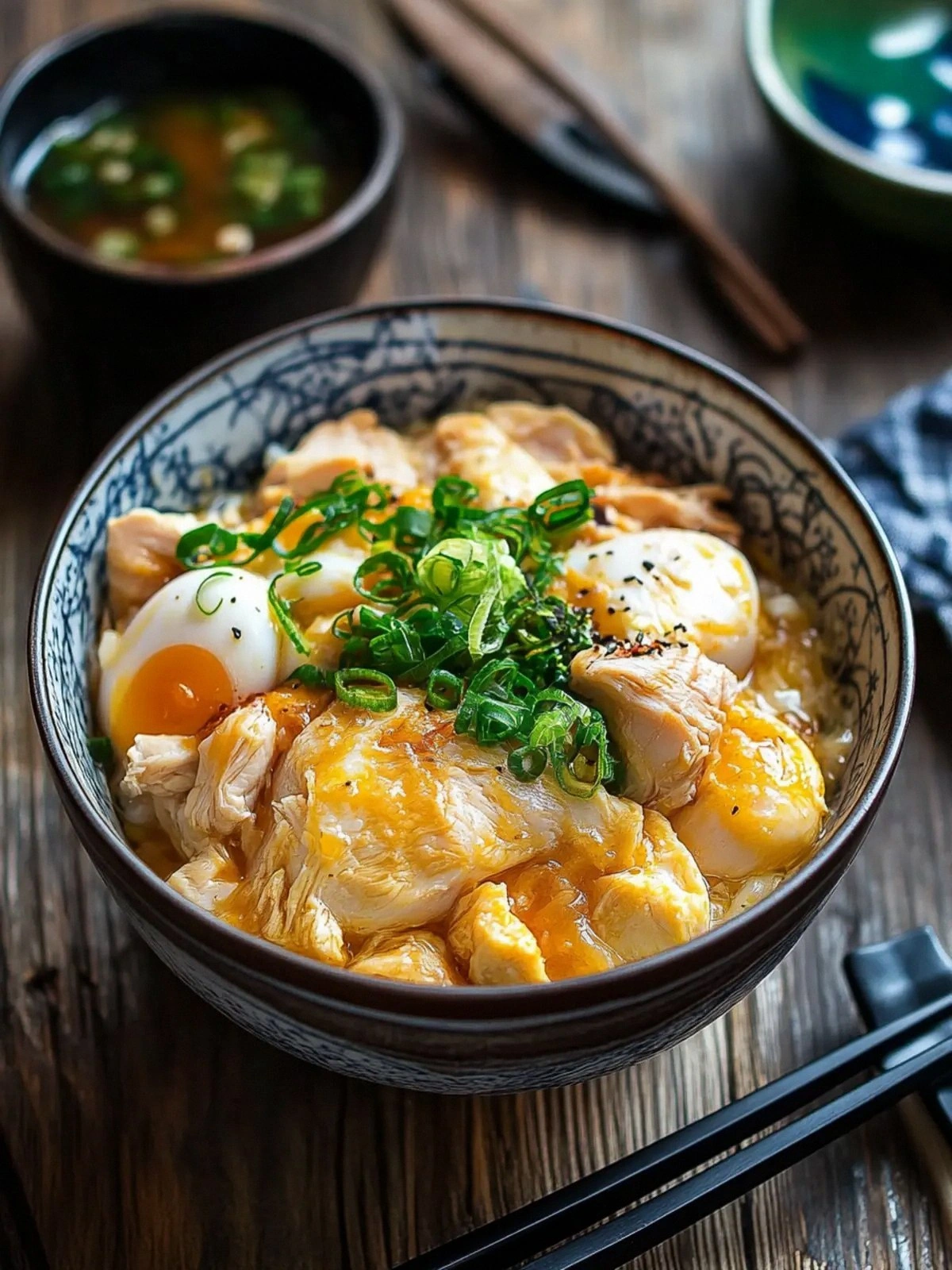
Picture this: a steaming bowl of fragrant short‑grain rice, the surface glistening with a glossy glaze of soy, mirin, and a whisper of dashi. Beneath it, tender chunks of chicken, their skin still crisp, mingle with silky eggs that have set into a custard‑like texture. The onion slices add a subtle sweetness, while the scallions contribute a bright, almost citrusy finish. The whole ensemble feels like a warm hug that you can taste, and the aroma alone will have your entire apartment humming with anticipation. This isn’t just a bowl of comfort; it’s a symphony of textures and flavors that will keep you reaching for seconds—yes, I dare you to taste this and not go back for seconds.
What makes this version stand out? It’s the meticulous layering of umami, the precision of timing, and the unexpected inclusion of a subtle sweet‑savory balance that most recipes miss. I’ve spent hours tweaking the ratio of soy to mirin, testing the exact moment to crack the eggs so they coat the chicken without scrambling. The result? A dish that feels both familiar and entirely new, like finding a secret door in a kitchen you thought you knew. And the best part? It’s incredibly simple—just a few ingredients, a single pan, and a few minutes of focused cooking.
Let me walk you through every single step—by the end, you’ll wonder how you ever made it any other way. Whether you’re a seasoned home cook or a kitchen rookie who’s still learning how to read a recipe, this guide will give you the confidence to master Oyakodon like a pro. So grab your skillet, preheat that pan, and let’s dive into the magic of Irresistible Easy Oyakodon Chi.
What Makes This Version Stand Out
- Flavor Depth: The combination of dashi powder and mirin creates a layered umami that traditional soy‑only sauces lack. This subtle complexity turns a simple dish into an unforgettable experience.
- Texture Contrast: The chicken’s outer crust remains slightly crisp while the interior stays juicy, and the eggs form a silky custard that clings to the rice. This duality keeps every bite interesting.
- Time Efficiency: With a single pan and a 30‑minute cook time, you can have a restaurant‑quality bowl on the table fast enough to impress guests who are still waiting for dessert.
- Ingredient Quality: Using boneless, skinless chicken thighs gives a richer flavor and better texture than breast meat, while the dashi powder adds depth without the need for expensive stock.
- Versatility: The base recipe is neutral enough to accommodate variations—think kimchi, sesame seeds, or a spicy kick—making it a playground for culinary creativity.
- Make‑Ahead Friendly: The dish holds up well in the fridge and can be reheated without losing its silky texture, making it perfect for meal prep.
- Audience Appeal: Even those who shy away from eggs will find the gentle custard soothing, and the dish is mild enough for children yet complex enough to satisfy adults.
Alright, let's break down exactly what goes into this masterpiece...
Inside the Ingredient List
The Flavor Base
At the heart of this dish lies a sauce that balances salty, sweet, and umami. The soy sauce provides the classic Japanese saltiness, while mirin adds a gentle sweetness that caramelizes as it cooks. The dashi powder, a quick‑to‑prepare alternative to homemade stock, injects depth that would otherwise require hours of simmering. If you’re a purist, consider making a quick dashi broth by simmering kombu and bonito flakes for 10 minutes, but the powder shortcut saves precious time without compromising flavor.
Sugar is a small but mighty player; it balances the salt and enhances the caramelization of the sauce. A teaspoon is enough to round out the profile, but feel free to adjust to taste if you prefer a sweeter bite. The water component dilutes the sauce to the perfect viscosity—too thick and it clings; too thin and it loses its sheen. The ratio of 1/3 cup water to the other ingredients creates a glossy glaze that coats the rice like velvet.
The Texture Crew
The chicken thighs are the star of the texture crew. Their higher fat content keeps the meat tender and flavorful, especially when seared before simmering. Cutting the thighs into bite‑size cubes ensures even cooking and a delightful chew. If you’re in a hurry, pre‑season the chicken with a pinch of salt and pepper to enhance its natural flavor.
Eggs are the texture game‑changer. When cracked into the simmering sauce, they form a silky custard that clings to the rice and chicken. Timing is critical; too early and they scramble, too late and they remain runny. I’ve found that cracking them halfway through the cooking cycle gives the best balance. If you’re worried about consistency, whisk the eggs lightly before adding them to the pan.
The Unexpected Star
The onion and scallion add a subtle sweetness and a bright, fresh finish. Slicing the onion into thin wedges and letting it cook until translucent releases natural sugars that caramelize just enough to sweeten the sauce without overpowering it. Scallions, chopped finely, provide a gentle oniony crunch that lifts the dish. If you’re craving extra flavor, sprinkle a pinch of shichimi togarashi on top for a smoky, peppery kick.
The Final Flourish
The short‑grain Japanese rice is the canvas that holds all the flavors together. Its sticky texture is essential for absorbing the glossy sauce, while its neutral taste lets the chicken and eggs shine. Cook the rice in a rice cooker or on the stovetop until fluffy, then fluff it gently before serving. A drizzle of sesame oil or a sprinkle of toasted sesame seeds can add a nutty aroma, but it’s optional—this dish works beautifully as is.
Everything's prepped? Good. Let's get into the real action...
The Method — Step by Step
- Begin by heating a wide, heavy skillet over medium heat. Add a tablespoon of vegetable oil, swirling to coat the bottom. The oil should shimmer but not smoke—this is the foundation for that golden sear on the chicken.
- Season the chicken cubes with a pinch of salt and pepper. Once the oil is hot, add the chicken in a single layer, letting each side sear without crowding. This step locks in juices and builds flavor. When the chicken starts to brown on the bottom, flip it and let the other side crisp for 2‑3 minutes.
- Add the sliced onion to the skillet, stirring to combine. The onion should soften and start to turn translucent—its natural sugars will begin to caramelize, adding a sweet undertone to the dish. Keep the heat at medium; too high and the onions will burn.
- Pour in the water, dashi powder, soy sauce, mirin, and sugar. Stir until the dashi dissolves and the mixture begins to bubble gently. This is the moment where the sauce starts to thicken; you’ll know it’s ready when it coats the back of a spoon.
- Kitchen Hack: If you want a richer sauce, add a splash of sake or a teaspoon of miso paste at this point. They’ll deepen the umami profile without complicating the process.
- Let the mixture simmer for 5 minutes, allowing the chicken to absorb the flavors. The onion should be tender, and the sauce should reduce slightly, creating a glossy coating on the chicken.
- Crack the eggs directly into the skillet, spacing them evenly. Cover the pan with a lid and let the eggs steam. Watch for the whites to set while the yolks remain slightly runny—this is the key to that silky custard texture.
- Watch Out: Don’t lift the lid too often; each opening releases steam and prolongs cooking time. Keep the heat low to medium-low to avoid over‑cooking the eggs.
- When the eggs are just set, add the scallions and stir gently to distribute them. The scallions will add a bright, fresh finish that cuts through the richness of the sauce.
- Serve the mixture over a mound of steaming rice. Spoon the sauce and chicken over the rice, letting the liquid pool at the bottom. The rice should soak up the glaze, becoming glossy and flavorful.
- If desired, sprinkle a pinch of shichimi togarashi for a spicy finish. This optional step adds a smoky heat that balances the sweetness.
- Enjoy immediately, while the eggs are still warm and the sauce is at its peak. The first bite will reveal a harmony of savory, sweet, and umami notes that dance on the palate.
That's it — you did it. But hold on, I've got a few more tricks that'll take this to another level...
Insider Tricks for Flawless Results
The Temperature Rule Nobody Follows
Many home cooks set the stove too high, causing the sauce to scorch and the eggs to scramble. The trick is to maintain a gentle simmer after adding the sauce. Keep the heat at medium‑low, and let the flavors meld slowly. I once tried a high‑heat approach and ended up with a burnt onion layer that clung to the pan—lesson learned.
Why Your Nose Knows Best
Smell is your secret ally. As the sauce simmers, the aroma will shift from sharp soy to a mellow, caramelized sweetness. When you notice that faint scent of toasted rice, it’s a sign the sauce has thickened enough. Trust your nose; it’s the fastest way to gauge doneness.
The 5‑Minute Rest That Changes Everything
After you finish cooking, let the skillet rest for 5 minutes before serving. This pause allows the flavors to settle and the sauce to thicken slightly, giving the eggs a more cohesive coating. I’ve found that a short rest eliminates that watery texture some people complain about.
Don’t Skim the Surface
When the sauce reduces, you might be tempted to skim off excess liquid. Resist. The liquid is the flavor core; removing it will make the dish dry. Instead, let it reduce naturally until it coats the chicken.
Use a Silicone Spatula
A silicone spatula slides easily under the eggs and chicken, preventing sticking and allowing you to stir without tearing the delicate custard. It also survives high heat without warping.
Adjusting Sweetness on the Fly
If you taste the sauce and find it too salty, add a splash of water to dilute. If it’s too sweet, a pinch of salt or a dash of soy will balance it. The key is to taste as you go; the sauce is a living thing that adapts.
Creative Twists and Variations
This recipe is a playground. Here are some of my favorite ways to switch things up:
Kimchi Oyakodon
Add a handful of chopped kimchi to the skillet after the onions soften. The fermented crunch introduces a spicy, tangy layer that pairs beautifully with the savory sauce.
Sesame Crunch
Sprinkle toasted sesame seeds on top before serving. The nutty aroma and slight crunch contrast the silky eggs, adding texture and depth.
Spicy Sriracha Boost
Stir in a tablespoon of sriracha with the sauce. The heat cuts through the richness and adds a smoky undertone that elevates the dish.
Vegetarian Oyakodon
Replace the chicken with diced tofu or tempeh. Cook the tofu until lightly browned before adding the sauce, and proceed as usual. The tofu absorbs the glaze, creating a plant‑based version that’s just as comforting.
Herb‑Infused Variation
Add fresh herbs like cilantro or Thai basil at the end of cooking. The bright, herbal notes bring a fresh finish that lifts the dish.
Gochujang Glaze
Swap half the soy sauce for gochujang (Korean chili paste). The result is a sweet, spicy glaze that transforms the dish into an East‑Asian fusion delight.
Storing and Bringing It Back to Life
Fridge Storage
Cool the dish completely before transferring it to an airtight container. Store in the refrigerator for up to 2 days. The sauce may thicken slightly; reheat gently to restore its silky texture.
Freezer Friendly
For longer storage, freeze the dish in a freezer‑safe container for up to 2 weeks. When ready to eat, thaw overnight in the refrigerator, then reheat on the stovetop.
Best Reheating Method
Reheat on low heat, adding a splash of water or broth to loosen the sauce. Gently stir until warm. A quick 2‑minute microwave session works, but the stovetop preserves the texture better.
Add a tiny splash of water before reheating — it steams back to perfection, restoring the sauce’s glossy sheen.