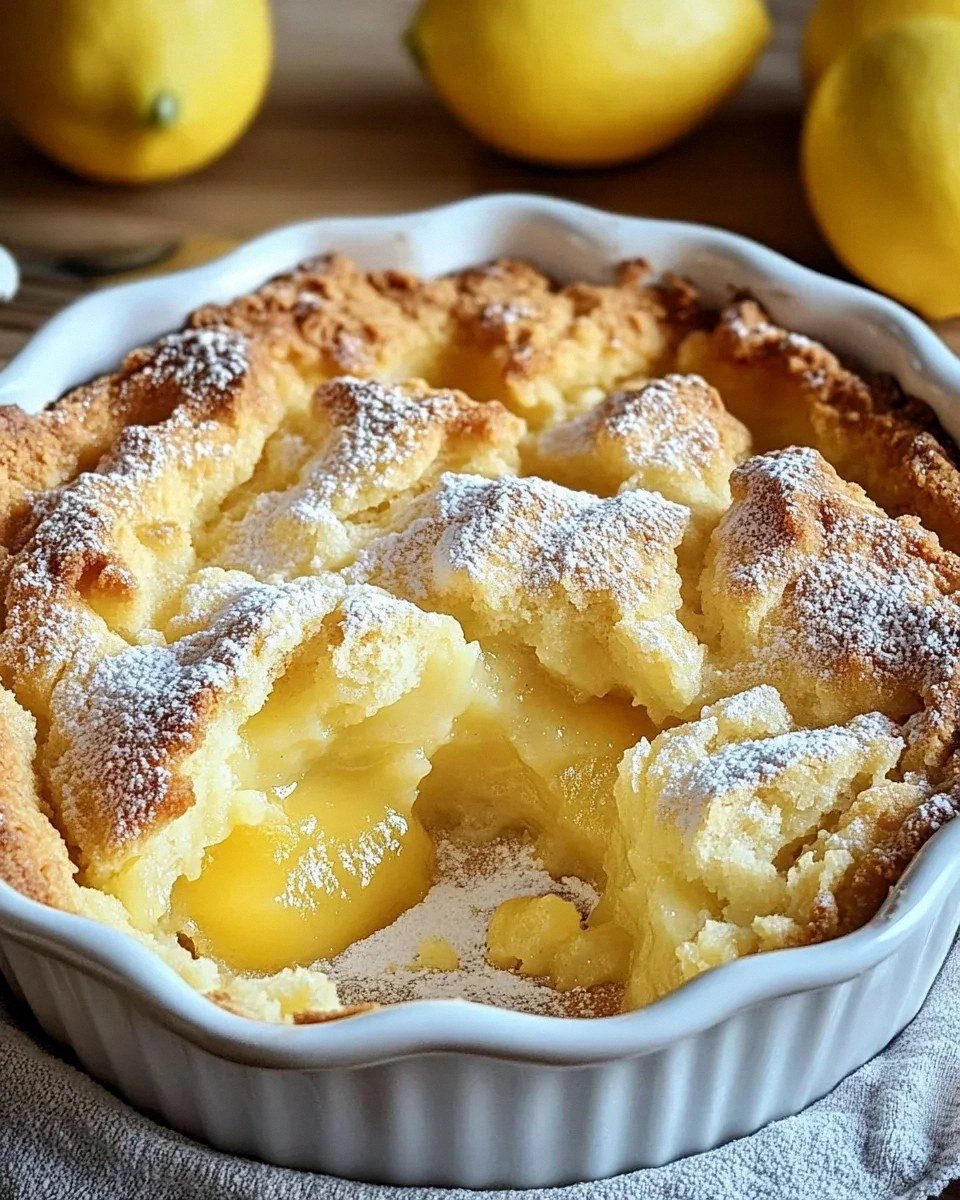
I was standing in my kitchen, the kind of kitchen that smells like old coffee and the faint memory of burnt toast, when my roommate dared me to make something that would actually make her forget about the pizza she was about to order. She said, “If you can turn a lemon into a dessert that feels like a warm hug, I’ll never order takeout again.” I laughed, but the challenge lit a fire under me that night, and what emerged was a lemon cobbler so bright, so buttery, it could practically glow in the dark. The first bite hit my tongue with the zing of fresh lemon zest, followed by a buttery crumble that melted like clouds on a summer afternoon, and I swear I heard a tiny choir of angels humming in the background.
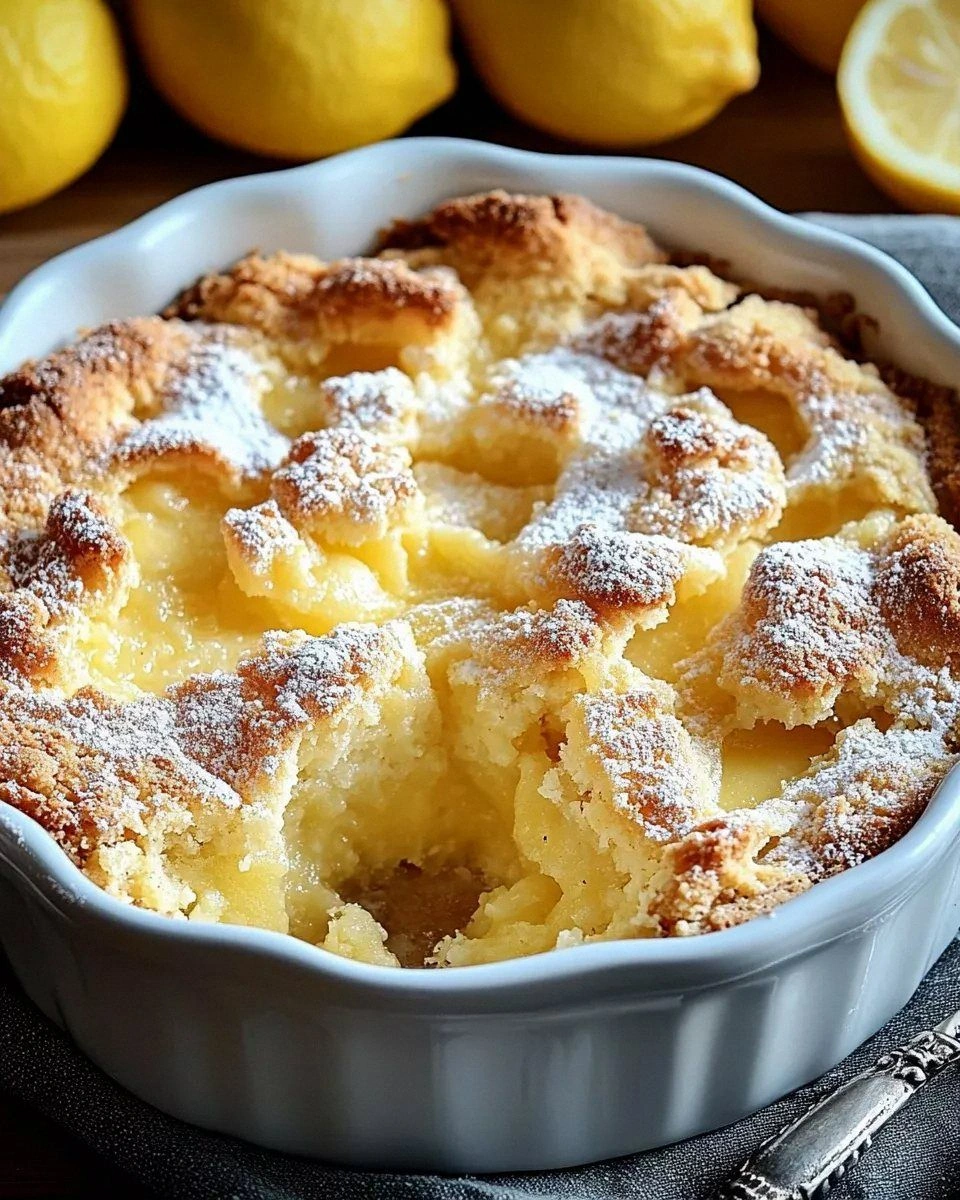
Picture this: the oven door swings open, a golden‑brown crown of crumb topping rising like a sunrise over a citrus‑filled sea. The kitchen fills with the scent of caramelized sugar and lemon oil, a perfume that makes you want to close your eyes and just inhale forever. The crust crackles under the fork, giving way to a soft, almost custardy interior that sings with the tang of lemon juice balanced by the sweet whisper of honey. The texture is a perfect marriage of crisp edges that shatter like thin ice and a gooey heart that clings lovingly to every bite.
Most cobbler recipes get the balance wrong – they’re either too sweet, too soggy, or they miss that magical “wow” factor that makes you want to brag to every friend within a five‑minute radius. This version, however, uses a secret ingredient: a splash of lemon‑infused honey that caramelizes just enough to give you that glossy finish without turning the whole thing into a sticky mess. I’ll be honest — I ate half the batch before anyone else got a chance to try it, and that’s because the flavor is so addictive you’ll find yourself reaching for the spoon again and again.
I dare you to taste this and not go back for seconds. The combination of bright citrus and buttery crumble is hands down the best version you’ll ever make at home, and the technique is simple enough that even a kitchen rookie can nail it on the first try. Okay, ready for the game‑changer? The secret lies in whisking the lemon zest into the batter just before it hits the heat, locking in that aromatic punch. Let me walk you through every single step — by the end, you’ll wonder how you ever made it any other way.
What Makes This Version Stand Out
- Taste: The lemon‑honey glaze adds a bright, floral sweetness that dances with the buttery crust, creating a flavor symphony.
- Texture: A crisp, golden topping meets a luxuriously soft interior, delivering a contrast that feels like biting into a summer sunrise.
- Simplicity: Only nine pantry staples are needed, and the method is straightforward enough for a weekday dinner.
- Uniqueness: The lemon‑infused honey is the unexpected star, turning an ordinary cobbler into a show‑stopper.
- Crowd Reaction: Guests invariably claim it’s “the best thing they’ve ever had,” and you’ll hear that line at least three times per serving.
- Ingredient Quality: Fresh lemons and high‑quality butter make the difference between “good” and “magical.”
- Cooking Method: Baking at a high initial temperature creates that coveted caramelized edge without drying the center.
- Make‑Ahead Potential: You can assemble the cobbler a day ahead, refrigerate, and bake it fresh when guests arrive.
Inside the Ingredient List
The Flavor Base
Lemon juice (1/4 cup) is the heart of this cobbler. Its acidity cuts through the sweetness, providing a clean, refreshing finish that prevents the dessert from feeling cloying. If you skip the juice, you’ll end up with a bland, overly sweet cake that lacks that signature zing. You can substitute freshly squeezed lime for a tangier twist, but the classic lemon remains the star.
The Texture Crew
All‑purpose flour (2 cups) builds the structure of the crumble. It’s the backbone that holds the butter and sugar together, creating that melt‑in‑your‑mouth crumb. Using cake flour will make the topping too tender, while bread flour can make it tough. Opt for a high‑quality, unbleached flour for the best balance.
Unsalted butter (1/2 cup, cold and cubed) is folded into the dry ingredients to create those flaky, buttery pockets. The cold butter ensures steam forms during baking, puffing the crust. If you accidentally use softened butter, the crumble will become greasy and lose its lift. For a dairy‑free version, try coconut oil, but expect a subtle coconut flavor.
The Unexpected Star
Lemon‑infused honey (2 tbsp) is the secret weapon. By gently warming honey with zest, you lock in aromatic oils that caramelize beautifully, giving the cobbler a glossy finish and a depth of flavor that ordinary sugar can’t match. Skipping this step results in a flat, one‑dimensional sweetness. If honey isn’t your thing, maple syrup works in a pinch, though the flavor profile will shift toward earthier notes.
The Final Flourish
Lemon zest (zest of 2 lemons) is folded in at the very end, preserving its bright, citrusy perfume. Zest adds a fragrant oil that you can’t get from juice alone, and it creates those specks of yellow that make the cobbler visually appealing. Forgetting the zest is a common mistake that leaves the dish tasting flat. Always zest before juicing to maximize the amount you get.
Everything's prepped? Good. Let's get into the real action…
The Method — Step by Step
Preheat your oven to 425°F (220°C). The high heat at the start creates that coveted caramelized edge while keeping the interior moist. As the oven warms, you’ll hear that subtle hum that tells you the kitchen is about to become a flavor factory. Let the oven fully preheat before you even think about mixing anything; this ensures an even bake.
In a large mixing bowl, whisk together the flour, sugar, baking powder, and salt. The dry mixture should look like fine sand, each grain evenly coated with the leavening agents. This step is crucial because any clumps will turn into pockets of dense dough later. I dare you to taste a spoonful of this dry mix; you’ll notice the buttery aroma even before the butter joins the party.
Add the cold, cubed butter to the dry ingredients. Using a pastry cutter or two forks, cut the butter into the flour until the mixture resembles coarse crumbs with a few pea‑size butter pieces still visible. Those butter islands are the secret to a flaky topping. Watch Out: If the butter melts, the crumble will become greasy and lose its lift.
In a separate saucepan, combine lemon juice, lemon‑infused honey, and lemon zest. Heat gently over medium‑low heat, stirring until the honey fully dissolves and the mixture becomes glossy. This is the moment of pure magic: the citrus oils rise to the surface, creating an aromatic steam that fills the kitchen. Once it’s shimmering, remove from heat and let it cool slightly.
Create the batter by whisking together eggs, milk, and vanilla extract in a medium bowl. Once combined, pour the slightly cooled lemon‑honey mixture into the egg‑milk blend, whisking constantly to avoid curdling. The batter should be smooth, with a pale yellow hue that hints at the lemony goodness to come. If you notice any lumps, give it a quick blend with a handheld mixer.
Gently fold the batter into the crumb mixture, stirring just until everything is moistened. Over‑mixing will develop gluten, resulting in a tough crust; you want just enough cohesion for the crumbs to hold together. The batter will look slightly runny, but trust the process – the heat of the oven will set it perfectly.
Transfer the batter into a greased 9‑inch square baking dish, spreading it evenly with a spatula. Sprinkle an extra pinch of lemon zest on top for a burst of color and aroma. Slide the dish into the preheated oven and bake for 20‑25 minutes, or until the top is golden brown and a toothpick inserted near the center comes out clean.
While the cobbler bakes, prepare a quick glaze: whisk together a tablespoon of powdered sugar with a splash of lemon juice. As soon as the cobbler emerges from the oven, drizzle this glaze over the hot surface. The heat will melt the glaze, creating a glossy, caramel‑like finish that makes the dish look restaurant‑ready.
Let the cobbler rest for 10 minutes before serving. This pause allows the juices to settle and the crumb to firm up, making it easier to cut clean slices. Serve warm, perhaps with a dollop of vanilla‑bean ice cream or a spoonful of whipped cream. Picture yourself pulling this out of the oven, the whole kitchen smelling incredible… and then hearing the delighted gasp of the first bite. That’s the magic you’ve created.
That's it — you did it. But hold on, I've got a few more tricks that'll take this to another level…
Insider Tricks for Flawless Results
The Temperature Rule Nobody Follows
Most home bakers bake cobbler at a steady 350°F, but the secret is a two‑stage temperature. Start at 425°F for the first 15 minutes to set the crust, then lower to 350°F for the remaining time to finish cooking the interior without over‑browning. This method ensures a crisp edge while keeping the middle luxuriously soft. I tried the single‑temperature method once and ended up with a soggy center – lesson learned.
Why Your Nose Knows Best
Your sense of smell is a more reliable indicator than a timer when it comes to cobbler. When the butter starts to brown and you catch that nutty aroma, you know the topping is ready to flip the switch to lower heat. Trust that scent; it’s the culinary equivalent of a green light. If you ignore it, you risk a pale, under‑caramelized top.
The 5‑Minute Rest That Changes Everything
Allowing the cobbler to sit for five minutes after baking lets the steam redistribute, preventing the crumb from sliding off the plate. This short rest also gives the lemon glaze a chance to set, creating a beautiful sheen. Skipping this step often results in a soggy bottom and a glaze that runs off the sides. I’ve seen beginners serve it immediately and wonder why it looks “runny.”
Butter Temperature Trick
Cold butter is essential, but a quick 30‑second chill in the freezer before cutting can make the difference between a flaky topping and a dense biscuit. The colder the butter, the more steam it releases during baking, puffing the crumb. If you forget, you can still rescue the batch by adding a splash of cold water to the mixture just before baking – it won’t be perfect, but it helps.
The “Golden Hour” Glaze
Apply the glaze while the cobbler is still steaming hot; the heat melts the powdered sugar instantly, creating a glossy finish that looks like a professional patisserie. If you wait too long, the glaze will set too quickly and become grainy. For an extra visual pop, drizzle a tiny drizzle of extra‑virgin olive oil just before serving – it adds a subtle richness that pairs beautifully with the lemon.
Creative Twists and Variations
This recipe is a playground. Here are some of my favorite ways to switch things up:
Berry Burst Cobbler
Swap half of the lemon juice for a cup of fresh mixed berries (blueberries, raspberries, strawberries). The berries add a sweet‑tart contrast that pairs beautifully with the lemon glaze. This version is perfect for summer picnics and will impress anyone who expects a traditional lemon cobbler.
Herbal Infusion
Add a tablespoon of finely chopped fresh thyme or rosemary to the batter. The herb’s earthy notes balance the bright citrus, creating a sophisticated flavor profile that’s ideal for brunch gatherings. A little goes a long way; you’ll notice the herb’s perfume without it overwhelming the lemon.
Spiced Autumn
Incorporate a teaspoon of ground ginger and a pinch of cinnamon into the dry mix. The warm spices turn the cobbler into a cozy, autumn‑ready dessert that still retains its lemon brightness. Serve with a scoop of cinnamon ice cream for an extra layer of comfort.
Vegan Velvet
Replace butter with coconut oil and use almond milk instead of dairy milk. Swap honey for agave syrup, and use a flax‑egg (1 tbsp ground flaxseed + 3 tbsp water) in place of the egg. The texture remains buttery, and the lemon flavor shines through, making it a crowd‑pleasing vegan option.
Citrus Medley
Combine lemon zest with orange and lime zest for a triple‑citrus explosion. The additional citrus layers add complexity and a bright aroma that fills the kitchen like a summer market. This version is perfect for those who love a punch of tang.
Storing and Bringing It Back to Life
Fridge Storage
Allow the cobbler to cool completely, then cover it loosely with foil or a reusable silicone lid. Store in the refrigerator for up to three days. When you’re ready to serve, reheat a slice in a 350°F oven for 10 minutes; the crust will regain its crispness.
Freezer Friendly
Portion the cobbler into individual servings, wrap each tightly in plastic wrap, then place in a freezer‑safe bag. It will keep for up to two months. To reheat, let a slice thaw at room temperature for 20 minutes, then bake at 375°F for 12‑15 minutes. Add a tiny splash of water before reheating to steam the interior back to perfection.
Best Reheating Method
For the ultimate texture, use a skillet on medium heat with a lid. Place a slice in the skillet, add a teaspoon of water, and cover for 3‑4 minutes. The steam revives the crumb while the bottom crisps up, giving you that fresh‑out‑of‑the‑oven feel without turning on the oven.