I still remember the first time I attempted chicken stroganoff—what a spectacular disaster that was. The sauce separated into an unappetizing oily mess, the chicken emerged dry and stringy, and the mushrooms? Let's just say they had the texture of rubber erasers. My dinner guests politely picked at their plates while I died a thousand culinary deaths inside. Fast forward through three months of obsessive testing, countless ruined pans, and one particularly memorable evening where I ate nothing but stroganoff variations for a week straight, and here we are. This version will ruin you for all others, and I mean that in the best possible way.
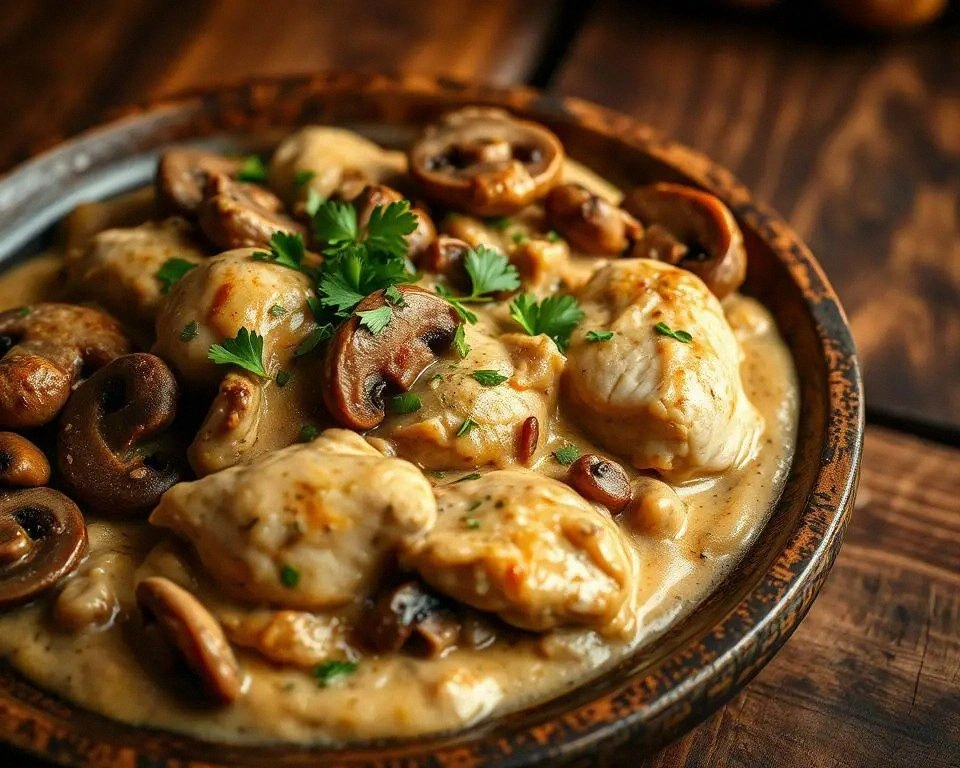
Picture this: tender chicken thighs that practically melt on your tongue, swimming in a sauce so luxuriously creamy it makes velvet feel like sandpaper. The mushrooms aren't just thrown in as an afterthought—they're caramelized to golden-brown perfection, releasing their earthy essence into every bite. And that sauce, oh that sauce. It's tangy from the sour cream, deeply savory from a secret ingredient I'll reveal later, and coats your pasta like it was custom-tailored for it. The aroma alone will have your neighbors knocking on your door, claiming they smell something divine.
What makes this version different? I've cracked the code on preventing that dreaded sauce separation that plagues most stroganoff attempts. The technique is so simple you'll wonder why every recipe doesn't use it. Plus, I've discovered the perfect chicken cut that stays juicy no matter what, a mushroom variety that brings restaurant-level depth, and a flavor-building method that'll have you licking the spoon (and the pan, and possibly the stove). This isn't just another weeknight dinner—this is the dinner you'll crave when you need comfort, when you want to impress, when you deserve something spectacular.
I'll be honest with you—after perfecting this recipe, I made it four times in two weeks because I couldn't get enough. My family started hiding the sour cream from me. But here's the thing: once you taste this, you'll understand the obsession. The combination of perfectly seared chicken, umami-packed mushrooms, and that silky sauce is pure magic. Ready to make the best chicken mushroom stroganoff of your life? Let me walk you through every single step—by the end, you'll wonder how you ever made it any other way.
What Makes This Version Stand Out
Flavor Explosion: This isn't your grandmother's bland stroganoff. We're building layers of flavor with a technique called fond development—those gorgeous brown bits that stick to your pan are liquid gold. Deglazing with brandy instead of the usual wine adds a subtle sweetness that plays beautifully against the sour cream's tang.
Texture Perfection: Most recipes turn mushrooms into slimy little sponges. Not here. We sear them until they develop crispy edges that shatter like thin ice, then simmer them just enough to become tender. The chicken gets the same treatment—crispy exterior, juicy interior, every single time.
Fail-Proof Sauce: Here's where I get evangelical. Instead of dumping cold sour cream into hot liquid (recipe for disaster), we temper it gradually. The result? A sauce that stays smooth and creamy, never curdling or separating, even when reheated.
One-Pan Wonder: Despite tasting like you spent hours in the kitchen, this entire masterpiece comes together in a single skillet. Less dishes, more deliciousness. Your future self doing dishes will thank you.
Crowd-Pleasing Power: I've served this to picky toddlers, skeptical teenagers, and food-snob friends. They all licked their plates clean. One friend actually asked if I could make it for her wedding. That's the kind of reaction we're talking about.
Make-Ahead Magic: This stroganoff actually improves overnight. The flavors meld and deepen, making it the perfect meal prep option. Just reheat gently and you're golden.
Alright, let's break down exactly what goes into this masterpiece...
Inside the Ingredient List
The Flavor Base
Chicken thighs are non-negotiable here. I know, I know—breasts are leaner, but they're also flavor sponges that turn to sawdust if you blink wrong. Thighs stay juicy through any cooking method, plus they're more affordable. Look for boneless, skinless thighs that are roughly the same size so they cook evenly. If you can only find bone-in, that's fine—just remove the bones yourself and save them for stock.
Mushrooms deserve your full attention because they're doing the heavy lifting in the flavor department. Skip the bland white button mushrooms and go straight for cremini or baby bella. They've got actual taste—earthy, meaty, deeply satisfying. When selecting, look for firm caps without dark spots or slimy areas. Size matters too; you want medium mushrooms that you can slice into substantial pieces.
Butter and olive oil might seem redundant, but each brings something special to the party. Butter gives that rich, luxurious mouthfeel we crave in stroganoff, while olive oil prevents the butter from burning at high heat. This dynamic duo creates the perfect searing environment for both chicken and mushrooms.
The Texture Crew
Sour cream is where most recipes go wrong. You can't just dump cold sour cream into hot liquid and expect smooth results. The trick is letting it come to room temperature first, then tempering it with a bit of warm sauce before adding it to the pan. Full-fat is essential here—none of that reduced-fat nonsense that breaks and becomes watery.
Flour acts as our thickening agent, but we're not making wallpaper paste. Just two tablespoons, cooked briefly with the butter and mushroom juices, creates a roux that'll give our sauce body without that pasty texture. All-purpose flour works perfectly, but if you're gluten-free, cornstarch slurry works too.
Egg noodles are the traditional choice, but here's a confession: I actually prefer wide pappardelle. Those broad ribbons catch every drop of that gorgeous sauce. Whatever pasta you choose, cook it until just al dente because it'll continue cooking when you toss it with the hot stroganoff.
The Unexpected Star
Brandy might seem fancy, but it's the secret weapon that elevates this from home cooking to restaurant quality. The alcohol cooks off, leaving behind complex fruity notes that complement the mushrooms perfectly. No brandy? Dry sherry works, or even a splash of dry white wine. Just don't skip the booze entirely—it makes a difference.
Dijon mustard adds subtle complexity without announcing itself. It deepens the flavor profile, adding a gentle tang that balances the rich cream. Smooth Dijon works better than grainy here—we want it to dissolve completely into the sauce.
Fresh thyme brings an herbal note that ties everything together. Dried thyme works in a pinch, but fresh really does make a difference. The tiny leaves fall off the stem as it cooks, infusing the sauce with woodsy essence.
The Final Flourish
Parmesan cheese might seem like overkill in a cream sauce, but hear me out. Just a quarter cup grated into the sauce at the end adds incredible depth and umami. It melts completely, so you won't even know it's there, but you'd miss it if it were gone.
Fresh parsley isn't just garnish—it adds a bright, fresh note that cuts through the richness. Chop it just before serving so it stays vibrant. Flat-leaf (Italian) parsley has more flavor than the curly kind, but use what you can find.
Everything's prepped? Good. Let's get into the real action...
The Method — Step by Step
- Start by patting your chicken thighs absolutely dry with paper towels. I mean dry—any moisture will steam instead of sear, and we'll lose those gorgeous brown bits. Season aggressively with salt and pepper on both sides. Heat your largest skillet over medium-high heat until a drop of water sizzles away immediately. Add the butter and olive oil, swirling until the butter stops foaming. Carefully lay in the chicken thighs—hear that sizzle? That's the sound of flavor happening. Cook without moving them for 6-7 minutes until golden brown underneath.
- Flip the chicken and cook another 5-6 minutes on the second side. They should feel firm but still have a tiny bit of give when pressed. Transfer to a plate to rest—this is crucial because the juices redistribute, keeping every bite moist. Don't you dare wipe out that pan! Those brown bits are pure flavor gold.
- Now for the mushrooms. If your pan looks dry, add another teaspoon of butter. Crank the heat to high and scatter in the sliced mushrooms in a single layer. Here's the key: don't stir them for the first 3-4 minutes. Let them develop that gorgeous caramelization. When you see golden edges forming, give them a toss and continue cooking until they've released their liquid and it evaporates. This takes about 8-10 minutes total, but trust me, it's worth every second.
- Reduce the heat to medium and add the chopped onion. Cook until translucent and sweet-smelling, about 4 minutes. Add the garlic and cook just until fragrant—30 seconds max. Garlic burns faster than you can say "stroganoff," and bitter garlic will ruin everything we've built so far.
- Sprinkle the flour over the mushroom mixture and stir constantly for 2 minutes. You're making a roux here, coating every mushroom slice with flour that'll thicken our sauce. The mixture should look slightly pasty and smell slightly nutty. If it starts browning too quickly, lower the heat.
- This is where the magic happens. Pour in the brandy—it will sizzle dramatically and all the brown bits will loosen from the pan. Use your wooden spoon to scrape up every last bit of fond. Let it bubble away for a minute, cooking off the harsh alcohol while concentrating the flavor.
- Slowly whisk in the chicken broth, a little at a time. The flour will grab onto the liquid and thicken it almost immediately. Add the Dijon, thyme, and a bay leaf if you're feeling fancy. Bring to a gentle simmer and let it bubble away for 5 minutes, stirring occasionally. The sauce should coat the back of a spoon.
- While the sauce simmers, take your sour cream out of the fridge. In a small bowl, whisk together the sour cream with a few spoonfuls of the warm sauce. This tempers it, bringing up the temperature gradually so it won't curdle. Stir in the Parmesan until melted and smooth.
- Slice the rested chicken into thick, juicy strips. Return it to the pan along with any accumulated juices. Reduce the heat to low and gently fold in the tempered sour cream mixture. Don't let it boil—high heat will break the sauce faster than you can fix it. Taste and adjust seasoning with salt and plenty of freshly ground black pepper.
- Cook your pasta until just al dente, reserving a cup of the starchy cooking water before draining. Add the pasta directly to the stroganoff and toss to coat, adding pasta water a splash at a time until you reach that perfect creamy consistency. The sauce should cling to every noodle without being gloppy.
That's it—you did it. But hold on, I've got a few more tricks that'll take this to another level...
Insider Tricks for Flawless Results
The Temperature Rule Nobody Follows
Here's where most home cooks go wrong: they cook everything at the same temperature. Big mistake. High heat for searing, medium heat for building flavor, low heat for finishing—that's the holy trinity. When you add the sour cream mixture, the pan should be barely warm. If you can hold your hand an inch above the surface for 10 seconds, you're golden. Too hot and the dairy proteins seize up, creating that grainy texture we all dread.
I learned this the hard way after ruining three batches in a row. My husband started suggesting we order pizza instead. Now I keep a small thermometer nearby and check the temperature before adding the sour cream. It should read around 160°F—hot enough to warm the sauce but cool enough to keep it smooth.
Why Your Nose Knows Best
Forget timers—your nose is the best kitchen tool you have. When the mushrooms are perfectly caramelized, they'll smell nutty and meaty, almost like roasting beef. If they smell earthy and wet, keep cooking. When you add the brandy, it should smell fruity and slightly sweet, never harsh or alcoholic. If it still smells like a frat party, let it bubble longer.
The same goes for garlic—that first whiff of fragrant garlic means you've got about 30 seconds before it turns bitter. And when the whole dish comes together, it should smell like the best restaurant you've ever been to. If your kitchen doesn't smell amazing, something's off. Trust your nose—it's never wrong.
The 5-Minute Rest That Changes Everything
After you combine everything, turn off the heat and let it sit for exactly 5 minutes. Not 3, not 7—5. This allows the flavors to meld and deepen, the sauce to thicken slightly, and the pasta to absorb some of that gorgeous flavor. Cover the pan loosely with foil to keep it warm.
During this rest, something magical happens. The sauce transforms from good to absolutely incredible. The thyme releases its oils, the Parmesan melts completely, and everything becomes harmonious. I know it's tempting to dig in immediately—resist. Those 5 minutes make the difference between good stroganoff and life-changing stroganoff.
The Pasta Water Gold Rule
Never, ever drain your pasta without saving some of that starchy water. It's liquid gold for achieving the perfect sauce consistency. The starches in the water help the sauce cling to the pasta, creating that restaurant-quality coating. Start with less than you think you need—you can always add more, but you can't take it away.
I keep a coffee mug by the colander as a reminder. When the pasta is almost done, I scoop out a full cup before draining. Sometimes I use it all, sometimes just a splash. But having it ready means I'm never stuck with a sauce that's too thick or pasta that's too dry.
The Final Taste Test Secret
Right before serving, taste your stroganoff and add one final pinch of salt. Not two, not half—just one generous pinch stirred in at the end. This brightens all the flavors and makes them pop. It's like adjusting the focus on a camera—suddenly everything becomes crystal clear and vibrant.
This final addition should make you close your eyes and say "wow" out loud. If it doesn't, add another tiny pinch. But be conservative—you can always add more, but you can't take it away. I've watched people taste this and their eyes go wide with surprise. That's when you know you've nailed it.
Creative Twists and Variations
This recipe is a playground. Here are some of my favorite ways to switch things up:
The French Connection
Replace the sour cream with crème fraîche for an even richer, tangier version. Add a splash of white wine with the brandy, and finish with fresh tarragon instead of parsley. The result tastes like something from a Parisian bistro. Use champagne instead of brandy if you're feeling particularly fancy.
The Spicy Russian
Add a teaspoon of smoked paprika and a pinch of cayenne to the flour before cooking. Use vodka instead of brandy—classic Russian touch—and stir in some roasted red peppers at the end. The smokiness and heat transform this into something completely different but equally addictive.
The Forest Floor
Use a mix of wild mushrooms—shiitake, oyster, chanterelle if you're feeling flush. Each brings its own personality to the party. Add a teaspoon of truffle oil at the very end for an earthy, luxurious version that tastes like it costs a fortune. Porcini mushroom powder in the sauce adds another layer of umami.
The Light and Bright
Swap half the sour cream for Greek yogurt, use chicken breast instead of thighs, and add lemon zest and juice at the end. Use zucchini noodles instead of pasta for a lighter version that still satisfies. Fresh dill instead of parsley keeps it feeling fresh and spring-like.
The All-Veggie Wonder
Skip the chicken entirely and double the mushrooms. Add some seared tofu cubes for protein, or keep it vegetarian with extra veggies like asparagus or peas. Vegetable broth works fine, though you'll want to add a bit more Parmesan for depth. Even meat-lovers devour this version.
The Comfort Food Mashup
Stir in some frozen peas and carrots with the pasta for a pot-pie vibe. Top the whole thing with buttery breadcrumbs and run it under the broiler for a crunchy topping. It's like stroganoff and pot pie had a beautiful, delicious baby.
Storing and Bringing It Back to Life
Fridge Storage
This stroganoff keeps beautifully in the fridge for up to 4 days, though I doubt it'll last that long. Store it in an airtight container, but here's the key: don't mix the pasta in if you're planning to store it. Keep the sauce and pasta separate, then combine when reheating. The pasta won't absorb all the sauce and turn into a mushy mess.
If you've already mixed everything (which honestly, who has the willpower not to?), add a splash of water or broth before storing. This helps keep things from drying out. Press plastic wrap directly against the surface to prevent a skin from forming on the sauce.
Freezer Friendly
Good news: this freezes like a dream for up to 3 months. Again, sauce only—don't freeze the pasta. Portion it into freezer bags, squeeze out all the air, and lay them flat to freeze. They'll stack neatly and thaw quickly. Thaw overnight in the fridge, then reheat gently on the stove.
Here's a pro tip: freeze it in ice cube trays for single-serving portions. Pop out a few cubes, microwave them with a splash of water, and you've got instant comfort food. Perfect for those nights when you need something cozy but can't be bothered to cook.
Best Reheating Method
Gentle is the name of the game. Low heat on the stove is best, stirring frequently. Add a splash of water or broth to loosen it up—the sauce will have thickened considerably. If it looks broken, whisk in a tiny bit more sour cream. Microwave works in a pinch, but do it in 30-second bursts, stirring between each.
For the pasta, cook it fresh if possible. If you must reheat cooked pasta, wrap it in a damp paper towel and microwave for 30 seconds. The steam will refresh it. Whatever you do, don't overheat or you'll end up with rubber bands instead of noodles.