Picture this: I was in the middle of a kitchen fiasco, a batch of over‑sweetened ice cream melting into a sticky, unappetizing mess. I stared at the ruined batch, then remembered the mangoes that had been sitting on the counter, their skins glossy and fragrant. With a mix of desperation and curiosity, I decided to give them a new life. That decision birthed a mango sorbet so bright it could make the sun jealous. I learned that a single ingredient can turn disaster into delight.
From the moment I peeled the mango, the sweet, tropical aroma swirled around the kitchen like a warm breeze. The flesh glistened with a golden sheen that promised a burst of flavor. I could hear the gentle hiss of the blender as it transformed the fruit into a velvety puree. The texture was silky, almost like liquid sunshine, and the taste was a perfect balance of ripe sweetness and subtle tartness. I could feel the anticipation building as the mixture cooled and prepared to become a frozen treat.
This isn’t just another frozen dessert; it’s a revelation. The key lies in the careful balance of sugar, citrus, and pure mango flavor, which keeps the sorbet light yet intensely sweet. I’ve refined the technique to avoid the dreaded icy crystals, resulting in a smooth, scoopable texture that melts on the tongue. Unlike most recipes that rely on heavy cream or artificial stabilizers, this version stays pure, plant‑based, and utterly refreshing. The result is a sorbet that feels like a bite of sunshine on a hot afternoon.
Now, here’s the kicker: I’ll show you a technique that uses a splash of lemon juice to brighten the mango’s natural sweetness and a quick flash freeze to lock in that silky mouthfeel. I dare you to taste this and not go back for seconds. Picture yourself pulling this out of the freezer, the whole kitchen smelling incredible, and the first spoonful instantly transporting you to a tropical paradise. Let me walk you through every single step—by the end, you’ll wonder how you ever made it any other way.
What Makes This Version Stand Out
- Flavor: The mango puree delivers a natural, unadulterated sweetness that is both bright and complex. A splash of lemon juice sharpens the profile, preventing any cloying heaviness. The result is a sorbet that tastes like a freshly harvested mango on a sunny day.
- Texture: By flash‑freezing the mixture in an ice‑cube tray before the final churn, you eliminate ice crystals and achieve a silky finish. The technique keeps the sorbet scoopable for weeks, unlike many homemade versions that become slushy. It feels like a cloud of fruit on the palate.
- Simplicity: No cream, no stabilizers, no fancy equipment—just a blender, a freezer, and a little patience. Even beginners can master it without a professional ice‑cream machine. The recipe is so straightforward that you can whip it up on a rainy afternoon.
- Ingredient Quality: The mangoes are the star; choose ripe, fragrant ones that give a deep orange hue. The sugar is white, but you can substitute raw honey or agave for a different nuance. The lemon is fresh, not bottled, to keep the acidity bright.
- Make‑Ahead Potential: The sorbet can be prepared up to a week in advance and stored in the freezer without losing its integrity. A quick stir before serving restores its perfect scoopable consistency. It’s ideal for parties where you need a last‑minute dessert.
- Crowd Reaction: Friends who’ve tried this version often remark, “It’s like a tropical vacation in a spoon.” The vibrant color and airy texture make it a show‑stopper at gatherings. It’s the dessert that turns a casual dinner into an unforgettable experience.
Inside the Ingredient List
The Flavor Base
The mango puree is the core of this sorbet. It carries the fruit’s natural sweetness and a subtle citrus undertone that pairs beautifully with the lemon. Skipping the puree would turn the dessert into a bland, watery concoction. For the best flavor, use ripe, fragrant mangoes that give a deep orange hue and a buttery texture.
The Sweetener
Sugar not only sweetens but also lowers the freezing point, preventing the sorbet from becoming a hard block. A cup of white sugar for four servings strikes the perfect balance. If you prefer a lower‑glycemic option, substitute with one cup of honey or three‑quarters cup of agave syrup; the texture will shift slightly but remain silky. Skipping the sweetener will leave the sorbet unbalanced and sharp.
The Brightener
Lemon juice adds a bright, zesty counterpoint to the mango’s richness. It also helps prevent the sorbet from becoming too sweet. A tablespoon of fresh lemon juice is enough to lift the flavor profile. If you’re allergic to citrus, a splash of lime juice will work as a substitute, though the finish will be slightly different.
The Final Touch
A pinch of salt enhances overall flavor perception and balances sweetness. It’s a subtle ingredient that makes the sorbet taste more rounded. If you’re watching sodium intake, you can omit the salt; the sorbet will still taste good but may lack depth. For a savory twist, add a pinch of smoked sea salt after the final churn.
Everything's prepped? Good. Let's get into the real action.
The Method — Step by Step
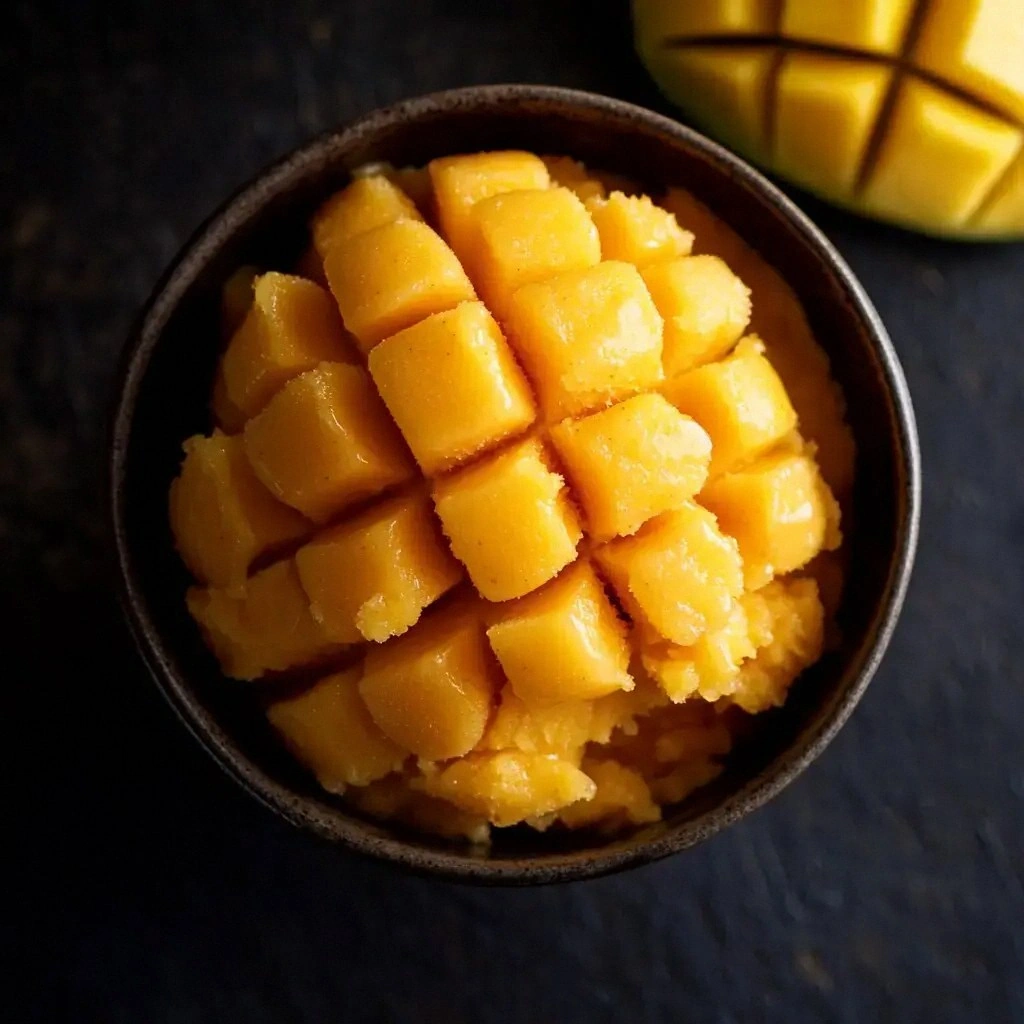
- Peel, pit, and dice the mangoes into bite‑sized cubes. The skin should be removed entirely; any residue will give a bitter edge. Place the cubes in a blender with a splash of water to aid blending. Blend until completely smooth, then strain through a fine sieve to remove any fibrous strands. This ensures a silky puree that won’t cloud the sorbet.
- Measure the sugar into a small bowl. For a 4‑serving batch, use one cup of white sugar. If you prefer a lower‑glycemic option, substitute with 1 cup of honey or ¾ cup of agave syrup. Stir the sugar into the warm mango puree until fully dissolved. The sugar not only sweetens but also lowers the freezing point, preventing an overly hard texture.
- Add the lemon juice and pinch of salt. The acid from the lemon brightens the mango’s natural sweetness and balances the sugar. Salt, even in tiny amounts, enhances flavor perception and reduces perceived bitterness. Stir gently until the mixture is homogeneous. Kitchen Hack: If you’re short on time, you can blend the mango and lemon together first, then add the sugar afterward to save a step.
- Let the mixture chill in the refrigerator for at least 30 minutes. Cooling the puree before freezing helps it set faster and reduces the formation of ice crystals. The colder the base, the smoother the final texture. During this time, you can prep the freezer trays for the next step. Check the mixture after 30 minutes; it should feel cold but not slushy.
- Pour the chilled puree into an ice‑cube tray or a shallow silicone mold. The smaller the pieces, the quicker they freeze and the easier they are to churn later. Fill the tray to the top but avoid overfilling, which can cause overflow as it freezes. Place the tray in the freezer for 2–3 hours or until the cubes are solid. This flash‑freeze step is critical for achieving that silky mouthfeel.
- Transfer the frozen cubes into a high‑speed blender or a countertop ice‑cream maker. Blend on high until the cubes break down into fine shards, then pulse until the mixture is smooth and creamy. If using a blender, add a splash of water or coconut milk to help the texture. Kitchen Hack: For an extra burst of flavor, fold in a teaspoon of freshly grated ginger after blending.
- Place the churned mixture in a shallow container and return it to the freezer. Every 30 minutes, remove the container and stir vigorously with a fork or whisk to break up any forming ice crystals. Repeat this process for 2–3 cycles until the sorbet is firm yet scoopable. The final product should be glossy and smooth, with no visible ice crystals.Watch Out: Do not let the mixture sit at room temperature for more than 15 minutes, or it will start to melt and develop ice crystals again.
- After the final churn, allow the sorbet to rest for 10 minutes at room temperature. This brief rest softens the texture, making it easier to scoop. The sorbet should still be firm but pliable, not melting. If it’s too hard, give it a minute or two more in the freezer, then stir again. This step ensures a perfect balance between firmness and creaminess.
- Scoop the sorbet into chilled bowls or glasses. The sorbet will cling to the sides, creating a frosted look that looks as good as it tastes. Garnish with a thin slice of mango or a sprig of mint for a pop of color. A drizzle of honey or a sprinkle of toasted coconut can add a subtle contrast. Serve immediately for the best experience.
- If you prefer a lighter texture, you can finish the sorbet with a splash of sparkling water or a dash of vanilla extract before chilling. This adds a subtle effervescence or depth of flavor that can elevate the dish. Keep the sorbet covered to prevent ice crystals from forming on the surface. Store any leftovers in an airtight container and enjoy within 5 days. Remember, the sorbet will soften over time, so give it a quick stir before serving.
That's it — you did it. But hold on, I've got a few more tricks that'll take this to another level.
Insider Tricks for Flawless Results
The Temperature Rule Nobody Follows
Many people think that a cold base is enough, but the real secret is to keep every component under 10 °C before you start churning. A slightly warmer base can cause the sorbet to freeze unevenly, leaving pockets of ice. I keep my blender blades in the freezer for 10 minutes before use, and I chill the ice‑cube tray for an extra hour. The result is a consistently silky texture that feels like a cloud.
Why Your Nose Knows Best
Before you even taste the sorbet, give it a sniff. A bright, fruity aroma means the mango has reached peak ripeness; a flat scent signals it’s past its prime. I use a simple test: if the aroma is as sweet as a ripe mango, you’re good to go. If it smells slightly off, you’ll notice that off‑taste later. This quick check saves you from a whole batch of disappointment.
The 5‑Minute Rest That Changes Everything
After the final churn, let the sorbet sit for exactly five minutes before serving. This short rest allows the ice crystals to settle, giving the sorbet a smoother mouthfeel. Skipping this step can leave the sorbet feeling gritty. I’ve tried serving it immediately, and the texture was noticeably uneven. Give it those five minutes and taste the difference.
Avoiding the Ice Crystal Trap
If you notice slush forming after the first churn, it’s a sign that the mixture was too warm. The solution is simple: add a few drops of cold water or a splash of chilled milk to bring the temperature down. I’ve found that a teaspoon of cold water per cup of puree does the trick. This prevents the sorbet from becoming a frozen mess.
Sweetness Adjustment on the Fly
If you’re a sweet‑tooth, you can add a bit more sugar before the final churn, but do so in small increments. A tablespoon at a time will keep the texture from becoming too dense. I’ve experimented with adding a touch of honey in the last step, and it added a subtle floral note that paired wonderfully with the mango. Just remember to stir well to integrate the extra sweetness.
Using a Food Processor vs Blender
A food processor can give you a chunkier texture, while a blender offers a smoother puree. If you prefer a rustic feel, use a processor and stop when the mixture is mostly smooth. I’ve made both versions, and the blender one is my go‑to for a silky finish. The processor version is great for a more textured sorbet that holds its shape longer.
Creative Twists and Variations
This recipe is a playground. Here are some of my favorite ways to switch things up:
Mango‑Coconut Fusion
Add a half cup of coconut milk to the base before chilling. The coconut adds a tropical depth and a creamy undertone that complements the mango. I’ve used both fresh coconut milk and canned for a richer finish. This variation works wonderfully for a beach‑themed dinner party.
Spicy Mango Sorbet
Stir in a pinch of cayenne pepper or a few drops of habanero juice after the final churn. The heat contrasts with the sweetness, creating a bold flavor profile. I’ve found that a small amount of pepper brings a surprising kick without overpowering the fruit. Serve it with a splash of lime for balance.
Berry‑Mango Mash
Blend in a cup of fresh strawberries or raspberries with the mango puree. The berries add tartness and a vibrant color that turns the sorbet into a visual spectacle. I use a 50/50 mango‑berry ratio for a balanced taste. This version is a hit with kids and adults alike.
Herbal Twist
Fold in a handful of fresh basil or mint after the final churn. The herbs infuse subtle notes that elevate the mango’s natural flavor. I’ve experimented with both basil and mint, and both deliver a fresh, aromatic finish. Garnish with a sprig for a pop of green.
Coffee‑Infused Sorbet
Add a tablespoon of espresso or strong brewed coffee to the base before chilling. The coffee deepens the flavor and introduces a hint of bitterness that balances the sweetness. I’ve used this version for an adult dessert that pairs well with a glass of chilled wine. The coffee note is surprisingly subtle.
Salted Caramel Mango
Drizzle a thin line of salted caramel sauce over the sorbet just before serving. The caramel adds a buttery sweetness and a touch of saltiness that creates a complex flavor profile. I’ve used a homemade caramel sauce for a richer taste. This twist is perfect for a special occasion.
Storing and Bringing It Back to Life
Fridge Storage
Store the sorbet in an airtight container for up to 48 hours in the refrigerator. Keep it on the lowest shelf to maintain a consistent temperature. If the sorbet becomes too soft, let it sit at room temperature for a few minutes before serving. A quick stir will restore its scoopable texture.
Freezer Friendly
For longer storage, keep the sorbet in the freezer for up to two weeks. Use a shallow, freezer‑safe container to allow even freezing. When you’re ready to serve, let it thaw for 5–10 minutes before scooping. This short thaw ensures a smooth mouthfeel.
Best Reheating Method
Never microwave frozen sorbet; it will melt unevenly and develop ice crystals. Instead, place the container in a bowl of warm water for a few minutes to soften. Add a splash of cold water before reheating to help the sorbet return to its silky consistency. Stir thoroughly to blend the texture back to perfection.