Love this? Pin it for later! 📌
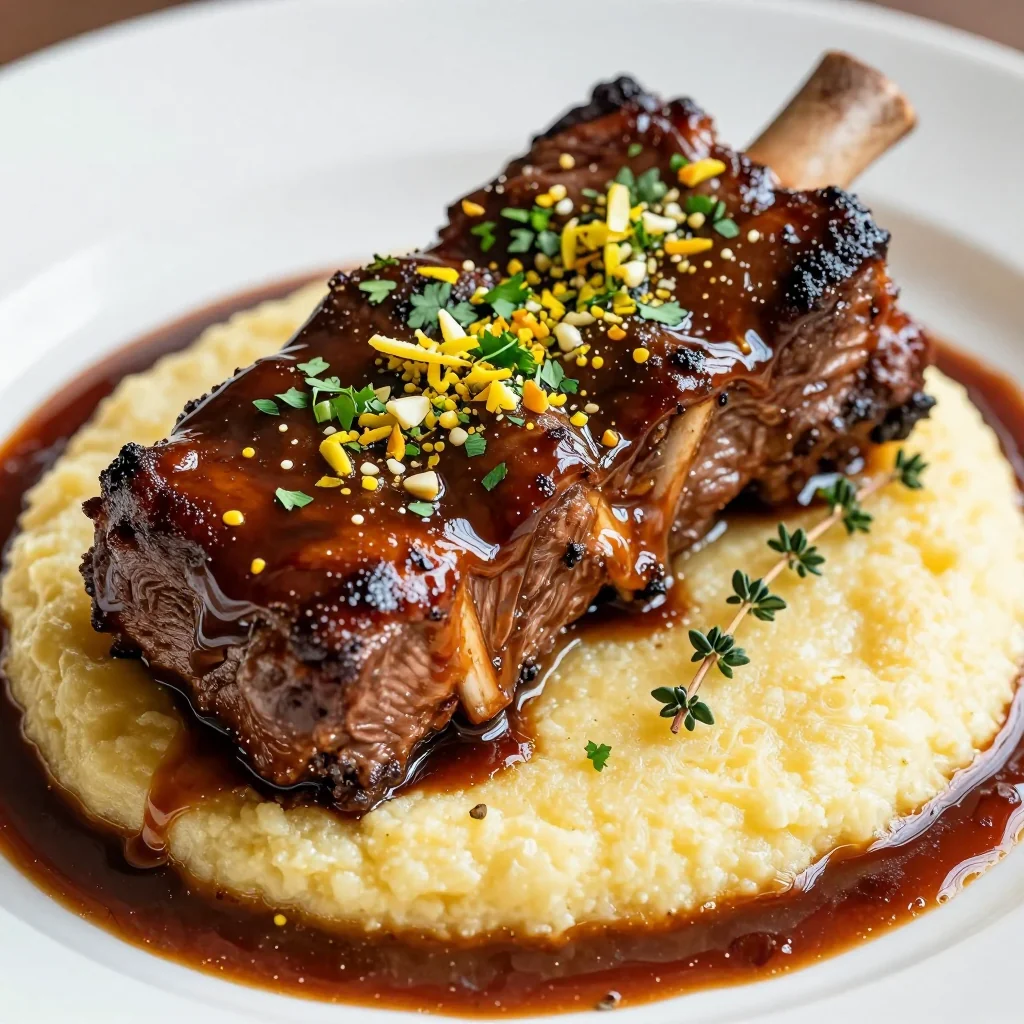
Since that night, these ribs have become my culinary love letter to anyone who needs comfort: the friend who just had a baby, the colleague who lost a parent, the neighbor who finally got that promotion. They’re what I make when I want the house to smell like a Michelin-starred bistro and when I want the people I love to feel Michelin-starred, too. The meat surrenders to the fork in silky sheets, the sauce tastes like red wine and Sunday afternoons, and the whole thing feels fancy enough for New Year’s Eve yet cozy enough for a Tuesday you’ve decided is worth celebrating.
If you’ve never braised before, don’t worry—the oven does 90 % of the work while you pour yourself a glass of the same wine you’re about to cook with. Once you taste the results, you’ll understand why this dish has earned a permanent spot in my “special occasion” rotation. And by special occasion, I really mean any day that ends in y.
Why This Recipe Works
- Restaurant-level flavor at home: A 3-hour braise turns humble beef into velvet, while mirepoix, tomato paste, and red wine build layers of umami.
- One-pot wonder: Sear, sauté, and slow-cook everything in the same Dutch oven—minimal dishes, maximal payoff.
- Make-ahead magic: Flavor actually improves overnight, so you can braise on Sunday and reheat for a stress-free dinner party.
- Budget-friendly luxury: Short ribs are cheaper than filet mignon but taste like a million bucks when treated right.
- Customizable sauce: Reduce it to a glossy glaze or leave it brothy for dipping crusty bread—your call.
- Freezer hero: Double the batch and freeze half; future you will send flowers.
Ingredients You'll Need
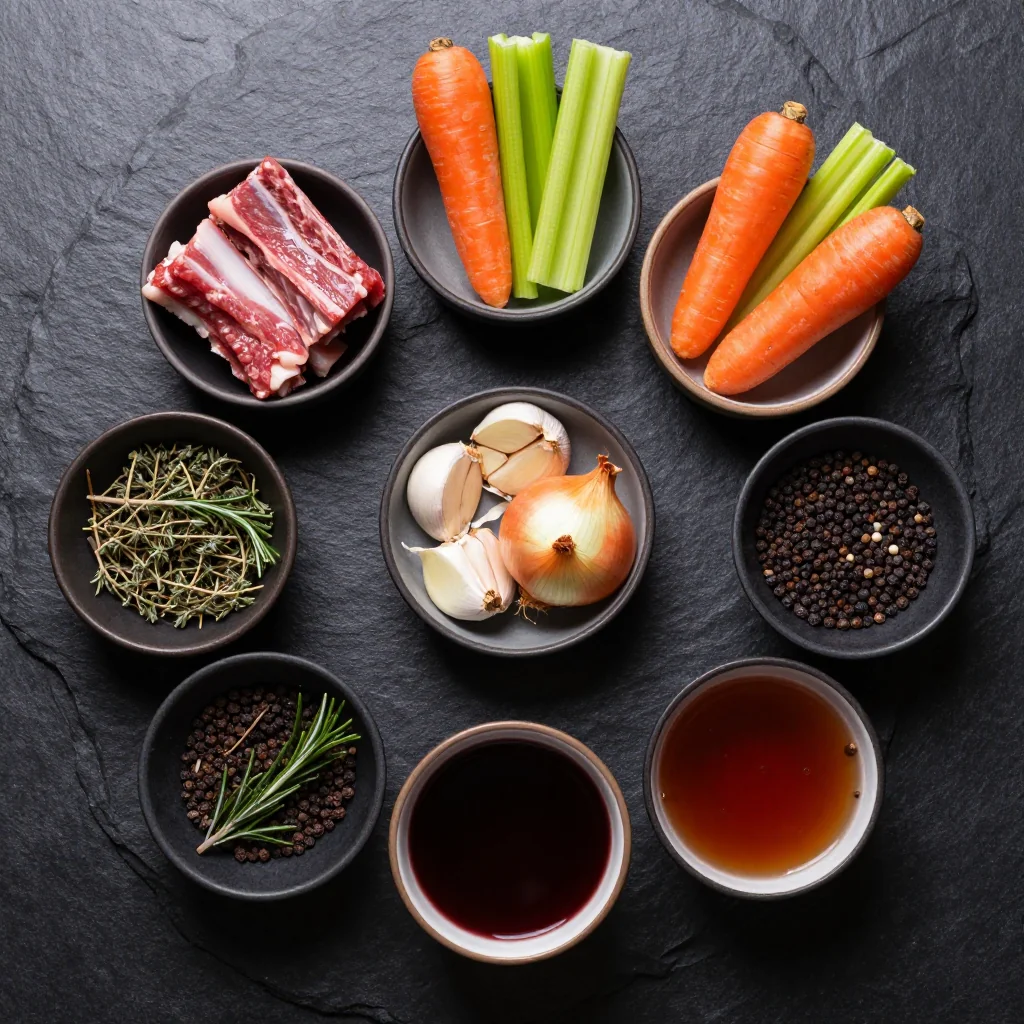
Great short ribs start at the butcher counter. Look for thick, meaty English-cut ribs (they’re the ones that look like little bricks of beef) with good marbling but not a ton of surface fat. I ask my butcher to trim them to about 2 inches thick and leave the bone in—it enriches the sauce like a miniature stock. If you can only find flanken-style (cross-cut), they’ll work, but reduce the cook time by 30 minutes.
For the wine, choose a dry red you’d happily drink—Cabernet, Merlot, or Côtes du Rhône are perfect. Skip anything labeled “cooking wine”; your ribs deserve better. The tomato paste adds natural sweetness and thickens the sauce; I keep a tube in the fridge so I can use a tablespoon at a time. Beef stock should be low-sodium so you can control salt later. If you’re gluten-free, swap the flour for 2 tablespoons cornstarch whisked into the stock.
Vegetables should be fresh but humble: carrots for sweetness, celery for vegetal backbone, and onion for depth. I add a parsnip too—its subtle earthiness disappears into the sauce but adds complexity. Fresh thyme and bay leaves are classic, but rosemary or sage work if that’s what you have. Finally, a strip of orange peel brightens the long braise; it’s my secret weapon and the first thing people ask about.
How to Make Melt-in-Your-Mouth Braised Short Ribs for a Special Occasion
Pat, Season, and Flour
Remove ribs from fridge 30 minutes early so they cook evenly. Blot very dry with paper towels—moisture is the enemy of a good sear. Season aggressively on all sides with 1 tablespoon kosher salt and 2 teaspoons freshly cracked black pepper. Dust lightly with 3 tablespoons all-purpose flour; tap off excess. The flour helps create a crust and later thickens the sauce.
Sear Until Deep Mahogany
Heat 2 tablespoons canola oil in a heavy Dutch oven over medium-high until shimmering like a lake at sunset. Working in batches (crowding = steaming), sear ribs 3–4 minutes per side until a chestnut crust forms. Don’t rush; this caramelization equals flavor. Transfer to a plate and pour off all but 1 tablespoon fat.
Build the Aromatics
Reduce heat to medium. Add diced onion, carrot, celery, and parsnip. Cook 6–7 minutes, scraping the brown bits (fond) with a wooden spoon—those bits are liquid gold. Stir in 2 tablespoons tomato paste and cook 2 minutes until it turns from bright red to brick red and smells slightly sweet. Add 4 minced garlic cloves; cook 30 seconds.
Deglaze with Wine
Pour in 1½ cups red wine plus 1 tablespoon balsamic vinegar. Increase heat to high and boil 5 minutes until reduced by half; this cooks off raw alcohol and concentrates fruitiness. Nestle ribs (and any juices) back into the pot, bone side up so the meat is submerged.
Add Stock & Herbs
Pour 2 cups low-sodium beef stock around (not over) ribs until liquid reaches halfway up the sides. Tuck in 2 bay leaves, 4 thyme sprigs, and a 2-inch strip of orange peel. Bring to a gentle simmer; cover with a tight lid. Slide into a 325 °F oven for 2½–3 hours. Walk away. Read a book. Take a nap.
Test for Tenderness
At 2½ hours, wiggle a rib: meat should jiggle like soft butter. Insert a fork and twist; it should slide out with almost no resistance. If not, cover and return to oven for 20-minute intervals. Once ready, transfer ribs to a platter, tent loosely with foil, and let them rest while you finish the sauce.
Strain & Reduce
Ladle cooking liquid through a fine-mesh strainer into a saucepan; press vegetables to extract every drop of flavor. Skim excess fat with a spoon or, better yet, use a fat separator. Bring to a boil and reduce 10–15 minutes until sauce coats the back of a spoon. Taste; adjust salt, pepper, or a splash of balsamic for brightness.
Serve Like a Chef
Return ribs to the reduced sauce just to rewarm, 2 minutes. Spoon creamy parmesan polenta or mashed potatoes into warm shallow bowls. Top with a rib, ladle over glossy sauce, and finish with fresh parsley and a whisper of orange zest. Open another bottle of that wine and accept the standing ovation.
Expert Tips
Overnight == Instant Upgrade
Cool ribs in their liquid, refrigerate overnight, and next day lift off the solidified fat like an ice sheet. The flavors marry and the meat slices cleanly.
Low & Slow Wins
Resist the urge to raise the oven above 325 °F; higher temps toughen collagen. If short on time, cook at 300 °F for 4 hours instead.
Thicken Without Flour
For gluten-free diners, puree a cup of the cooked vegetables into the sauce; natural starths create body without roux.
Freeze the Goodness
Freeze individual ribs in muffin tins of sauce. Pop out, bag, and you have single-serve luxury ready to microwave on a frantic Wednesday.
Variations to Try
-
Korean-Inspired: Swap wine for 1 cup sake + ½ cup soy sauce, add 2 tablespoons gochujang, 1 Asian pear grated, and finish with scallions and sesame seeds.
-
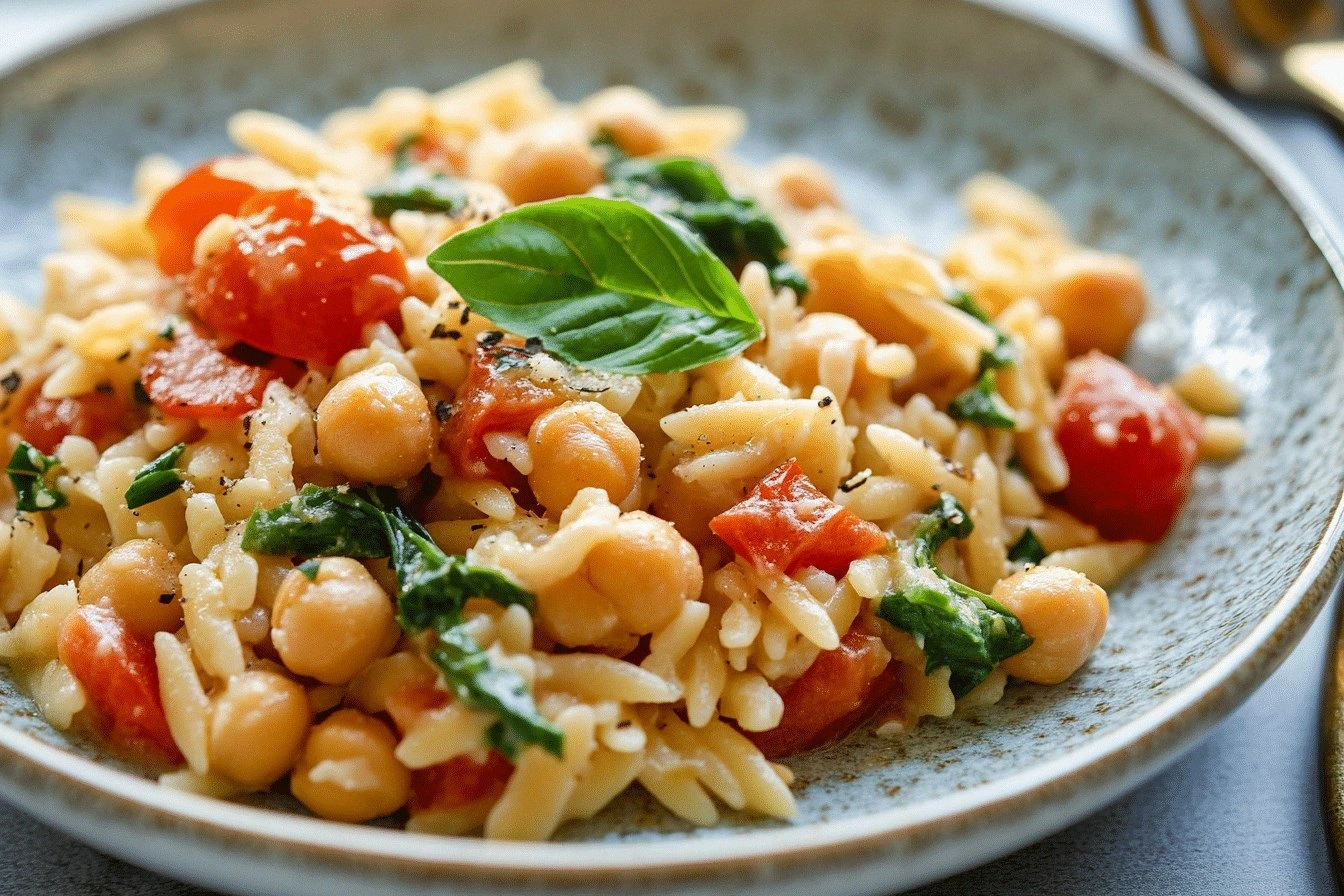
Mediterranean: Use 1 cup dry white wine, add ½ cup olives, 1 teaspoon fennel seeds, and a strip of lemon peel. Serve over orzo.
-
Smoky & Spicy: Add 2 chipotle peppers in adobo plus 1 teaspoon smoked paprika. Reduce sauce with a splash of bourbon.
-
Vegetable-Loaded: Add 1 cubed butternut squash and 1 cup pearl onions during the last hour of braising for a complete one-pot meal.
Storage Tips
Refrigerate: Cool ribs in sauce within 2 hours. Store in an airtight container up to 4 days. Reheat gently on the stove over low heat with a splash of stock to loosen.
Freeze: Place cooled ribs and sauce in freezer bags; lay flat for space-efficient stacking. Freeze up to 3 months. Thaw overnight in the fridge, then rewarm as above.
Make-Ahead for Parties: Braise up to 3 days ahead; refrigerate in Dutch oven. Reheat covered at 300 °F for 45 minutes, then proceed with reducing sauce.
Frequently Asked Questions
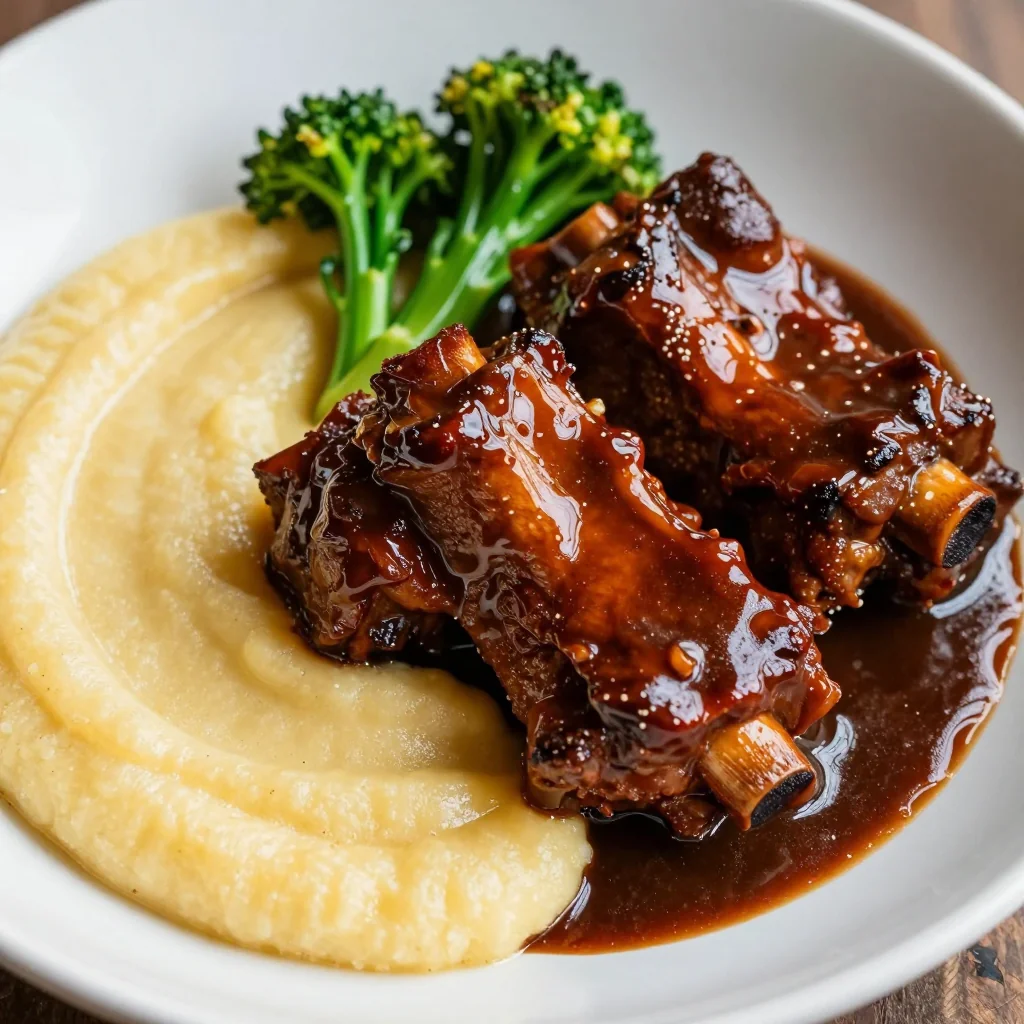
Melt-in-Your-Mouth Braised Short Ribs for a Special Occasion
Ingredients
Instructions
- Prep ribs: Pat ribs dry, season with salt & pepper, dust with flour.
- Sear: Heat oil in Dutch oven; brown ribs on all sides. Remove.
- Sauté veg: Cook onion, carrot, celery, parsnip until softened. Stir in tomato paste & garlic.
- Deglaze: Add wine & balsamic; boil 5 min. Return ribs.
- Braise: Add stock, herbs, orange peel. Cover; bake at 325 °F for 2½–3 hrs.
- Finish: Strain sauce, skim fat, reduce until syrupy. Re-warm ribs in sauce and serve.
Recipe Notes
For deeper flavor, braise 1 day ahead; refrigerate overnight, lift off congealed fat, and reheat gently. Sauce thickens as it stands; thin with stock or wine to desired consistency.