I remember the night I almost burned down my kitchen because I thought a quick “Moroccan chicken” could be made in twenty minutes. The pot was bubbling over, the onions were charred, and I stared at the smoke alarm blinking like a tiny disco ball. I was desperate for a flavor explosion that would make me forget the chaos, and a friend dared me to find the real recipe. That dare turned into a culinary quest that led me to a version that’s hands down the best Moroccan chicken you’ll ever make at home.
Picture the moment the fragrant steam rises from the pot—cumin, coriander, cinnamon, and a hint of smoked paprika mingle with the citrusy brightness of preserved lemons. The aroma is a warm hug that tells you something extraordinary is about to happen. You can almost taste the tender thighs, the subtle sweetness of dried apricots, and the crunch of toasted almonds before the first bite even lands on your tongue. That instant sensory burst is the promise of a dish that will make you go back for seconds—no, more, if you dare. I’m not exaggerating; this is a flavor adventure that feels like a trip to Marrakech without leaving your kitchen.
What makes this version stand out is not just the blend of spices but the way every component plays a role in creating a cohesive, multi-layered experience. The chicken is not just seasoned; it’s marinated in lemon and a splash of honey to create a caramelized crust that locks in moisture. The slow simmer allows the spices to mingle with the natural sweetness of the vegetables, turning the sauce into a silky, velvety glaze. And the finishing touch—fresh cilantro, parsley, and a sprinkle of toasted almonds—adds bright, herbal notes and a satisfying crunch that cuts through the richness. Together, these elements form a dish that is both comforting and adventurous, perfect for a cozy dinner or a special occasion.
If you’ve ever struggled with balancing spices in Moroccan cuisine, you’re not alone. Many recipes get this completely wrong by overloading on spices or under-seasoning the meat. I’ve learned that a measured approach, starting with a base of onion and garlic, sets a solid foundation for the rest of the flavors to bloom. The key is to let the spices cook slowly, so they release their aromas and integrate seamlessly with the other ingredients. I’ll be honest—I ate half the batch before anyone else got to try it, and the kitchen smelled incredible, but the real magic was waiting for the last bite.
Imagine pulling the pot out of the oven, steam curling like a fragrant cloud, and the entire kitchen filling with the scent of cumin and citrus. The first spoonful is a burst of heat and sweetness, the second is a deeper, more complex layer of savory notes. You’ll find yourself reaching for more, and I dare you to taste this and not go back for seconds. The dish is so well-balanced that each bite feels like a new discovery—cinnamon’s warm embrace, the subtle bitterness of preserved lemon, and the nutty crunch of almonds. This is not just a meal; it’s a passport to Morocco that you can carry in your pantry.
Let me walk you through every single step—by the end, you’ll wonder how you ever made it any other way. I’ve refined this recipe through countless trials and errors, and every tweak has made it more authentic and easier to master. From the initial searing of the chicken to the final garnish of fresh herbs, each stage is designed to build depth and texture. If you’re ready to elevate your dinner game, keep reading; the journey starts now.
What Makes This Version Stand Out
- Authentic Spice Blend: The combination of cumin, coriander, cinnamon, and smoked paprika creates a flavor profile that’s unmistakably Moroccan, yet approachable for home cooks.
- Balanced Sweetness: Dried apricots, raisins, and a hint of honey introduce subtle sweetness that counteracts the heat and enriches the sauce.
- Layered Texture: Tender chicken thighs, crisp almonds, and juicy vegetables provide a satisfying contrast between soft and crunchy.
- Fresh Finish: A generous sprinkle of cilantro, parsley, and preserved lemon brightens the dish and adds a fresh, citrusy lift.
- Make‑Ahead Friendly: The flavors deepen overnight, making this recipe perfect for meal prep or entertaining.
- Easy Scaling: The recipe scales cleanly, whether you’re cooking for two or feeding a crowd.
Alright, let's break down exactly what goes into this masterpiece. The next section will walk you through each ingredient group and explain why each one is essential.
Inside the Ingredient List
The Flavor Base
The foundation of this dish is a fragrant mixture of onion, garlic, and a robust blend of spices. The onions provide sweetness when caramelized, while the garlic adds depth and a subtle heat that awakens the palate. Each spice—cumin, coriander, cinnamon, paprika, turmeric, and a pinch of cayenne—contributes a distinct note, creating a complex, layered aroma that is unmistakably Moroccan. If you skip any of these, the dish loses its depth; the sauce becomes flat, and the chicken feels under‑seasoned. For an extra kick, a splash of harissa paste can be added at the end, but keep the base intact for authenticity.
The Texture Crew
Texture is where this recipe truly shines. Bone‑in, skin‑on chicken thighs give the dish a hearty, meaty core that stays juicy during the long simmer. The addition of diced carrots, potatoes, and tomatoes not only adds bulk but also introduces contrasting textures—soft, creamy, and slightly firm. The dried apricots and raisins soften into a sweet, jam‑like consistency that blends into the sauce, while toasted almonds add a satisfying crunch that breaks the uniformity of the dish. Every bite is a symphony of textures that keeps the meal exciting.
The Unexpected Star
Preserved lemons are the secret weapon that elevates this dish beyond the ordinary. Their bright, tangy flavor cuts through the richness of the chicken and balances the sweetness of the dried fruits. When diced and added to the pot, preserved lemons release a citrusy burst that lingers on the tongue. If you can’t find preserved lemons, a combination of fresh lemon zest and a splash of white wine vinegar can approximate the acidity, but the depth of flavor will be slightly different. This ingredient is non‑negotiable for an authentic Moroccan experience.
The Final Flourish
Fresh herbs and a sprinkle of toasted almonds bring the dish to life at the last moment. Cilantro and parsley add a green, herbaceous brightness that lifts the heaviness of the sauce, while the almonds provide a nutty, crunchy contrast. The finishing touch of a drizzle of honey before serving adds a glossy sheen and a subtle caramel note that ties all the flavors together. If you prefer a vegan version, replace the honey with a dash of maple syrup or agave nectar, but the dish will still be deliciously fragrant.
Everything's prepped? Good. Let’s get into the real action. The next section will guide you through the cooking process step by step.
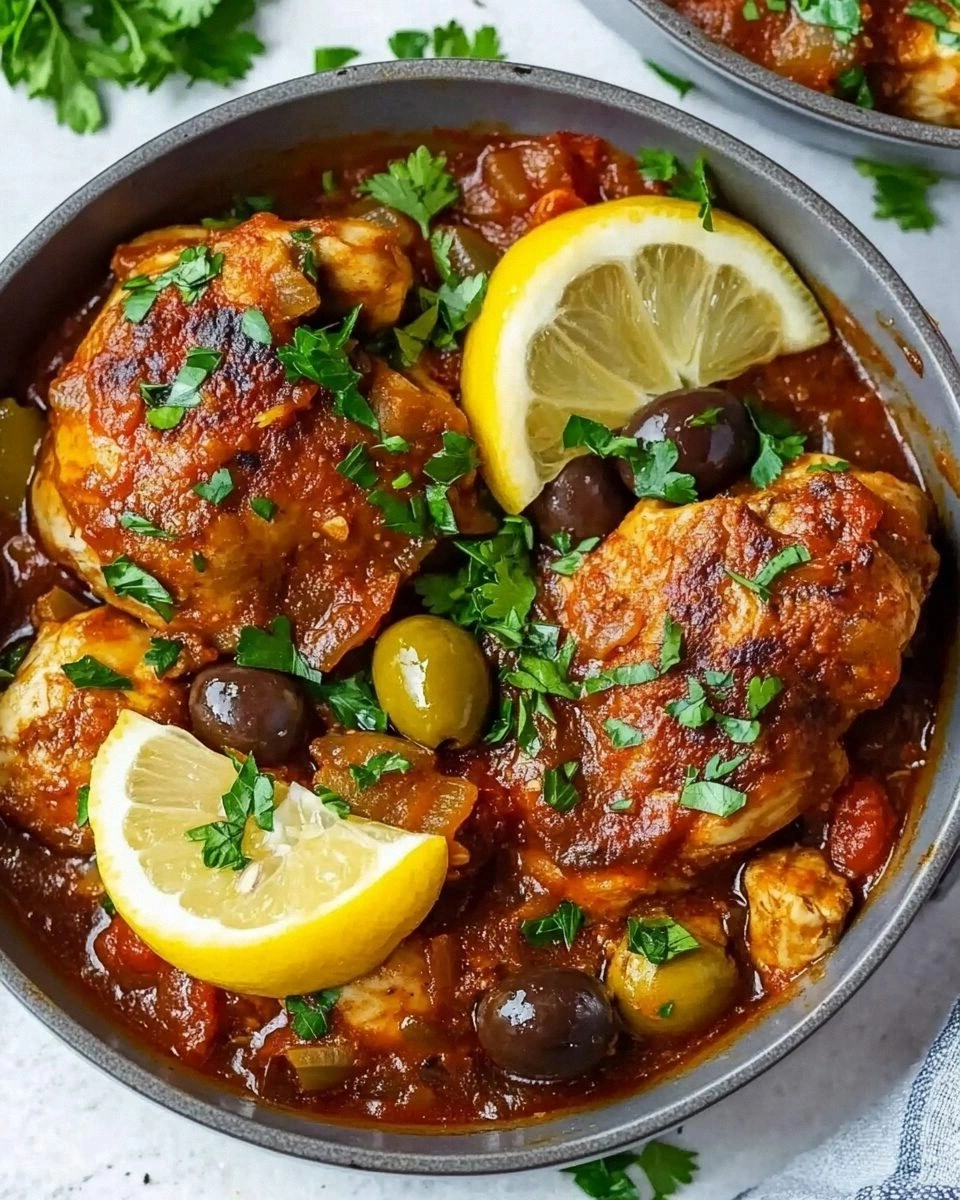
The Method — Step by Step
- Season the Chicken: Pat the thighs dry and sprinkle them generously with salt, pepper, and half of the spice blend (cumin, coriander, paprika, turmeric). Let them sit for 15 minutes to absorb the flavors. This step is crucial; the seasoning penetrates the meat, creating a deeper taste that stays even after cooking. Don’t skip it, or the dish will feel thin and under‑seasoned.
- Sear the Meat: In a large Dutch oven, heat olive oil over medium‑high heat. Add the chicken thighs skin side down and sear until golden brown, about 4 minutes per side. The searing process caramelizes the skin, forming a savory crust that locks in juices. Flip the thighs and let them brown on the other side; this double‑sear is what gives the dish its signature texture.
- Sauté Aromatics: Remove the chicken and set aside. In the same pot, add diced onion and minced garlic, cooking until translucent and fragrant, about 3–4 minutes. The onions should not brown; if they do, reduce the heat. This step builds a flavor base that the rest of the ingredients will build upon.
- Build the Sauce: Sprinkle the remaining spice blend over the aromatics and stir for 1 minute to toast the spices. Add diced tomatoes, dried apricots, raisins, and chicken broth. Stir well, scraping any browned bits from the bottom of the pot. The combination of liquid and sweet fruit will create a thick, aromatic sauce.
- Return Chicken: Place the seared thighs back into the pot, nestling them into the sauce. Add sliced carrots, potatoes, and a handful of olives. The vegetables should be partially submerged to ensure even cooking.
- Simmer: Bring the mixture to a gentle boil, then reduce the heat to low. Cover the pot and let it simmer for 35–40 minutes, or until the chicken is tender and the vegetables are cooked through. The slow cooking allows the spices to meld and the sauce to thicken.
- Finish with Preserved Lemon: Stir in diced preserved lemons and chopped fresh herbs (cilantro and parsley). Add the honey or maple syrup for a subtle glaze. The preserved lemon brightens the dish, while the herbs add a fresh, green contrast that lifts the overall flavor.
- Garnish and Serve: Sprinkle toasted almonds over the top just before serving. The almonds provide a nutty crunch that balances the softness of the sauce. Serve over fluffy couscous, rice, or a bed of roasted vegetables for a complete meal. The dish is best enjoyed hot, straight from the pot.
That’s it—you did it. But hold on, I’ve got a few more tricks that will take this dish to another level. The next section dives into insider tips that will elevate your cooking game.
Insider Tricks for Flawless Results
The Temperature Rule Nobody Follows
Many cooks think high heat is the key to a good sear, but the best flavor comes from a controlled, moderate heat that allows the meat to brown without burning. Use a heavy‑bottomed pot and let the oil heat until it shimmers but not smoking. This ensures a caramelized crust that locks in juices. If you’re in a hurry, a quick high‑heat sear followed by a low‑heat simmer can still work, but the depth of flavor will be slightly reduced.
Why Your Nose Knows Best
When the spices are toasted, a subtle nutty aroma will fill the kitchen. Trust that scent—it signals that the spices have released their essential oils. If the aroma is faint, the spices are under‑toasted and will taste flat. The next time you cook, pause to smell the spices; a strong aroma means you’re on the right track.
The 5‑Minute Rest That Changes Everything
After the dish has finished cooking, let it rest for five minutes before serving. This rest period allows the juices to redistribute, making the chicken even more tender. It also gives the sauce a chance to thicken slightly, creating a richer texture. If you’re in a rush, you can skip the rest, but the flavor will be noticeably less cohesive.
The Secret to Crispy Skin
If you love a crunchy skin, finish the chicken under a broiler for the last minute. Keep a close eye to avoid burning. The broiler adds a caramelized finish that contrasts beautifully with the soft interior. This step is optional but adds a delightful textural element.
The One‑Pan Wonder
This recipe works perfectly as a one‑pan meal, meaning you can serve it directly from the pot. This reduces cleanup and keeps the flavors intact. If you’re serving a large group, consider using a roasting pan for a slightly different presentation; the heat distribution will still produce a tender result.
Creative Twists and Variations
This recipe is a playground. Here are some of my favorite ways to switch things up:
Spicy Coconut Twist
Swap the chicken broth for coconut milk and add a splash of lime juice. The coconut adds a creamy, tropical undertone that pairs wonderfully with the spices. The lime brightens the dish, giving it a fresh, zesty finish. This variation works well with rice or quinoa as a base.
Vegetarian Version
Replace the chicken with thick-cut eggplant slices or chickpeas. Cook the eggplant until golden before adding the sauce, then simmer until tender. Chickpeas will absorb the flavors and provide a hearty texture. This version is just as comforting and satisfies the same craving for Moroccan flavor.
Smoky Eggplant & Tomato
Add a handful of roasted eggplant cubes and a few extra tomatoes to the pot. The eggplant brings a smoky depth that complements the spices. The tomatoes add acidity, balancing the richness of the sauce. This variation is great for a vegetarian crowd or anyone looking to add more veggies.
Mediterranean Chicken
Drop the preserved lemon and replace it with fresh lemon zest and a pinch of za’atar. The za’atar adds an earthy, herbal note that leans more Mediterranean. This version is lighter and perfect for summer meals.
Quick One‑Pot Meal
Use pre‑cut chicken and pre‑sliced vegetables to cut down on prep time. Add the spices and broth, then simmer for 25 minutes. The dish will still have depth, but the process is streamlined for busy nights. This variation is ideal for a weeknight dinner.
Breakfast Moroccan
Serve the dish with a side of warm flatbread and a poached egg on top. The runny yolk adds richness and makes the dish feel like a hearty breakfast. This is a great way to start your day with a burst of flavor.
Storing and Bringing It Back to Life
Fridge Storage
Store leftovers in an airtight container in the refrigerator for up to 4 days. The sauce will thicken slightly as it cools, but it will stay flavorful. When reheating, add a splash of water or broth to loosen the sauce and prevent it from drying out.
Freezer Friendly
Cool the dish completely before transferring it to a freezer‑safe container or zip‑lock bag. Freeze for up to 3 months. Thaw overnight in the refrigerator before reheating. The flavors will remain robust, and the texture will stay intact.
Best Reheating Method
Reheat on the stovetop over low heat, stirring occasionally, until the dish is heated through. Add a tiny splash of water or broth to steam back to perfection. This gentle method preserves the sauce’s richness and prevents the chicken from drying out. Serve immediately for the best experience.