Love this? Pin it for later! 📌
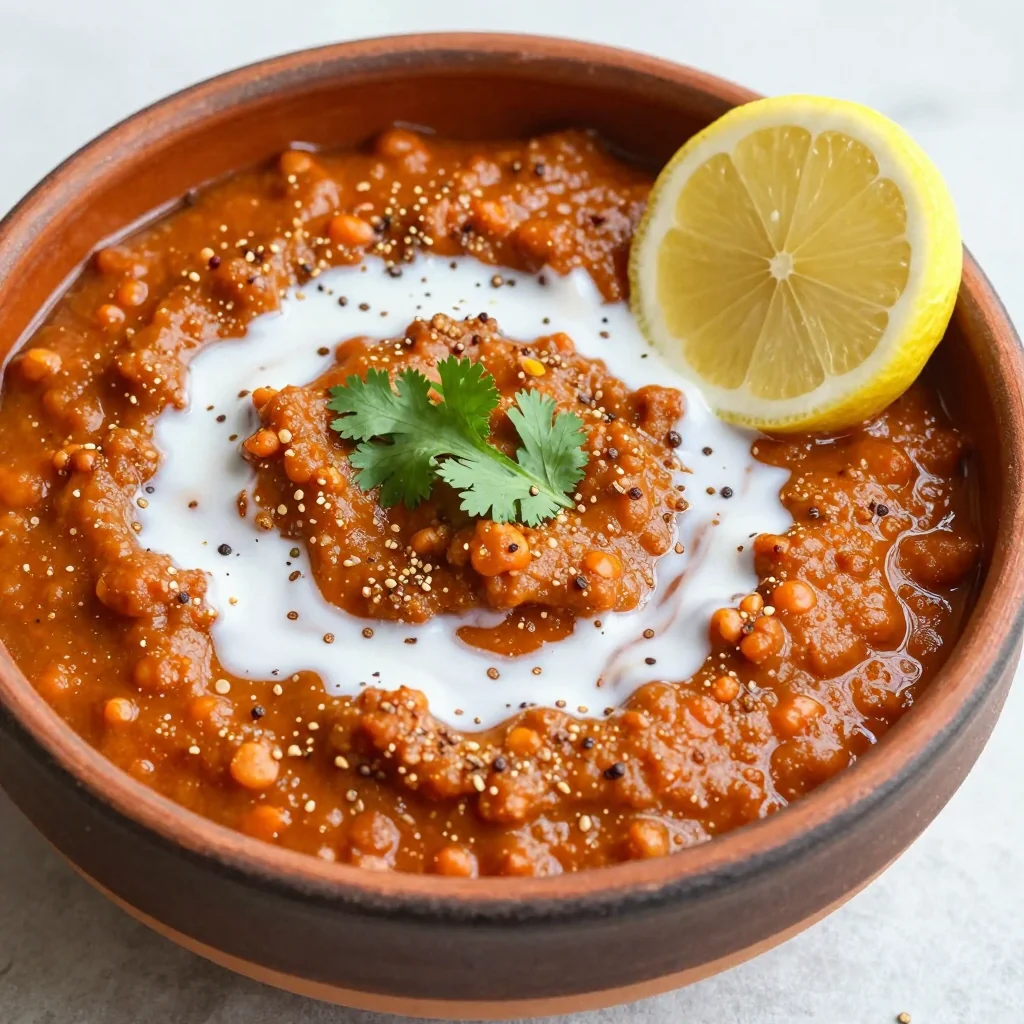
As the clock strikes midnight on December 31st, my kitchen fills with the aromatic promise of prosperity. This isn't just any soup—it's a steaming bowl of Southern tradition that has graced my family's table for three generations. The humble black-eyed pea, believed to bring good fortune when eaten on New Year's Day, mingles with sun-kissed tomatoes and warming spices in a way that makes me believe magic truly simmers in pots, not just in fairy tales.
Every year, I stand at my grandmother's worn wooden spoon, stirring this crimson-hued soup while fireworks paint the sky outside my Chicago window. The ritual started when I was eight, perched on a step-stool beside her in that tiny Mobile kitchen, learning that the first food to pass our lips in the new year should be these creamy white beans. "Each pea is a coin," she'd whisper, her Alabama drawl thick as sorghum. Now, three decades later, I continue the tradition—though I've traded her ham hocks for smoked paprika and added fire-roasted tomatoes for depth. The result? A modern take on prosperity that tastes like home, hope, and the delicious possibility that this year might just be our best yet.
Why This Recipe Works
- Prosperity in Every Spoonful: Black-eyed peas aren't just lucky—they're packed with fiber and plant protein to fuel your resolutions
- Deep, Complex Flavors: Fire-roasted tomatoes and smoked paprika create layers of umami without meat
- One-Pot Wonder: Minimal cleanup means more time for champagne toasts and midnight kisses
- Make-Ahead Magic: Flavors deepen overnight, making this perfect for New Year's Day brunch
- Budget-Friendly Luxury: Feeds a crowd for under $10, leaving room in the budget for celebration
- Year-Round Comfort: While lucky for New Year's, this soup satisfies any cold evening
Ingredients You'll Need

The magic of this soup lies in its humble ingredients, each chosen for maximum flavor and good fortune. Let's explore what makes each component special:
The Stars of the Show
Black-eyed peas (1 pound dried): These cream-colored legumes with their distinctive black "eye" are traditional throughout the American South. When selecting, look for plump, uniform peas without cracks. While canned work in a pinch, dried peas create superior texture and absorb flavors better. Soak them overnight for the creamiest results.
Fire-roasted tomatoes (2 cans, 14.5 oz each): These tomatoes are charred over an open flame before canning, lending a subtle smokiness that elevates the entire soup. If you can't find them, regular diced tomatoes work—just add an extra pinch of smoked paprika.
The Flavor Builders
Smoked paprika (2 teaspoons): This Spanish treasure provides depth reminiscent of ham without the meat. Sweet paprika works as substitute, but add ½ teaspoon liquid smoke for authenticity.
Cajun seasoning (1 tablespoon): A blend of cayenne, garlic powder, and herbs. Tony Chachere's is my go-to, but any salt-free blend works. Adjust based on your heat preference.
Vegetable broth (6 cups): Choose a low-sodium variety so you control the salt. Homemade is divine, but Pacific Foods or Imagine brand create excellent results.
The Aromatic Base
Holy Trinity (1 onion, 2 celery ribs, 1 green bell pepper): This Cajun mirepoix creates the flavor foundation. Dice them uniformly for even cooking. In a hurry? Frozen trinity mix saves 10 minutes.
Garlic (4 cloves): Fresh garlic is non-negotiable. The jarred stuff tastes metallic in soups. Smash cloves with the flat of your knife for easy peeling.
The Finishing Touches
Bay leaves (2): These aromatic leaves infuse subtle earthiness. Remove before serving—nobody wants a chewy surprise.
Hot sauce (to taste): Louisiana-style crystal sauce is traditional, but any vinegar-based hot sauce works. The acid brightens all flavors.
Fresh parsley (¼ cup): Flat-leaf (Italian) parsley has more flavor than curly. Add just before serving for maximum freshness.
How to Make New Year's Good Luck Black Eyed Pea and Tomato Soup
Prep Your Peas for Prosperity
The night before New Year's Eve, sort through your dried black-eyed peas, removing any stones or shriveled peas. Rinse them under cold water until it runs clear, then place in a large bowl with cold water to cover by 2 inches. Add 1 tablespoon salt (this seasons them from within) and let stand at room temperature for 8-24 hours. The longer soak ensures creamy, never mushy peas that cook evenly.
Build Your Flavor Foundation
Heat 2 tablespoons olive oil in a heavy Dutch oven over medium heat until shimmering. Add diced onion and cook 3 minutes until translucent, stirring occasionally. Add celery and bell pepper; cook 5 minutes more until vegetables soften. Season with ½ teaspoon salt to draw out moisture. Add minced garlic and cook 30 seconds until fragrant—garlic burns quickly, so don't walk away!
Wake Up the Spices
Clear a space in the pot's center by pushing vegetables to the edges. Add 1 tablespoon tomato paste and cook 2 minutes, stirring constantly, until it darkens to a deep brick red. This caramelization removes raw tomato taste. Add smoked paprika, Cajun seasoning, ½ teaspoon black pepper, and bay leaves. Cook 1 minute more, allowing spices to bloom in the hot oil—this releases their essential oils and maximum flavor.
Create the Tomato Base
Pour in both cans of fire-roasted tomatoes with their juices. Use your wooden spoon to break them into bite-sized pieces. Add 2 cups vegetable broth and bring to a simmer, scraping the pot's bottom to release any flavorful browned bits (fond). This process, called deglazing, incorporates every bit of flavor into your soup base.
Add the Lucky Peas
Drain and rinse your soaked peas. Add them to the pot along with remaining 4 cups broth. The liquid should cover peas by 1 inch; add water if needed. Bring to a gentle boil over medium-high heat, then immediately reduce to a lazy simmer. Cover partially with lid ajar—this allows steam to escape while preventing too much evaporation.
Simmer Your Way to Wealth
Cook 45-60 minutes, stirring every 15 minutes to prevent sticking. After 45 minutes, taste a pea—it should be creamy inside but hold its shape. If still firm, continue cooking 10-15 minutes more. The soup thickens as it cooks; add broth or water if it becomes too thick. You're aiming for a consistency that coats the spoon but still flows like lava.
Balance and Brighten
Remove bay leaves (they've done their job). Add 1 tablespoon apple cider vinegar—this crucial step brightens all flavors and cuts through the richness. Taste and adjust: add salt if needed, hot sauce for heat, or a pinch of sugar if tomatoes taste too acidic. The soup should taste bright, smoky, and deeply satisfying.
Serve with Southern Hospitality
Ladle into warm bowls (run them under hot water for 30 seconds). Garnish with chopped parsley, a drizzle of olive oil, and pass hot sauce at the table. Traditionalists add a wedge of cornbread on the side—essential for sopping up every last drop of that liquid gold. Serve hot, but not scalding; flavors bloom as it cools slightly.
Expert Tips
Quick-Soak Shortcut
Forgot to soak overnight? Cover peas with boiling water, let stand 1 hour. Drain and proceed. Texture won't be quite as creamy, but still delicious.
Temperature Matters
Keep soup at a gentle simmer—boiling makes peas burst and turn mushy. If it bubbles vigorously, reduce heat immediately.
Thickness Control
Soup thickens as it sits. Keep extra broth warm on the stove to thin when reheating. It should never be gloppy—add liquid gradually.
Flavor Brightening
If soup tastes flat, add acid: lemon juice or vinegar. If too bright, balance with ½ teaspoon sugar. Taste constantly while adjusting.
Make-Ahead Magic
Prepare completely, cool completely, refrigerate 3 days. Flavors meld beautifully. Add fresh parsley only when serving for brightness.
Serving for Luck
Tradition says eat 365 peas for daily luck throughout the year. Count them into bowls for superstitious guests—it's half the fun!
Variations to Try
Traditional with Ham
Add 1 smoked ham hock or 8 oz diced ham with the broth. Remove hock before serving, shred meat, and stir back in. This adds authentic Southern depth.
Meat-loverGreens for Extra Luck
Add 2 cups chopped collard greens or kale during last 10 minutes of cooking. Greens represent money in Southern tradition—double the fortune!
Health-focusedCajun Heat Wave
Add 1 diced jalapeño with vegetables, ½ teaspoon cayenne, and 1 teaspoon hot sauce. Serve with extra hot sauce for those who like it fiery.
Spicy food fansCreamy Dreamy Version
Blend 2 cups soup until smooth, then stir back in. Or add ½ cup coconut milk for dairy-free creaminess. This creates luxurious texture.
Comfort foodStorage Tips
Refrigerate
Cool completely, store in airtight container up to 5 days. Soup thickens; thin with broth when reheating.
Freeze
Freeze in portion-sized containers up to 3 months. Leave 1-inch headspace for expansion. Thaw overnight in fridge.
Reheat
Warm gently over medium-low heat, stirring often. Add broth to reach desired consistency. Microwave works too—cover loosely.
Frequently Asked Questions
Yes, but with adjustments. Use 3 cans (15 oz each), drained and rinsed. Reduce cooking time to 20-25 minutes, adding them after the soup has simmered 30 minutes. Canned peas are softer, so stir gently to prevent breaking. The flavor won't be quite as rich, but still delicious for last-minute luck!
Absolutely! All ingredients are naturally gluten-free. Just double-check your Cajun seasoning and vegetable broth—some brands add wheat-based anti-caking agents. Look for certified gluten-free labels if you're highly sensitive. Serve with gluten-free cornbread for the complete experience.
Old beans take longer to cook—salt in soaking water can also toughen skins. Add ¼ teaspoon baking soda (alkaline helps soften) and continue cooking 15-30 minutes more. If still firm, your peas might be ancient. Next time, buy from stores with high turnover, and skip salt in soaking water.
Definitely! Sauté vegetables and spices in a skillet first (steps 2-3), then transfer to slow cooker with soaked peas and broth. Cook on LOW 6-8 hours or HIGH 3-4 hours. Add vinegar in the last 30 minutes. The texture will be slightly softer than stovetop, but perfect for busy New Year's celebrations.
Traditionally, serve with skillet cornbread (no sugar in the South!) and collard greens for a complete "luck" meal. Cornbread represents gold, greens represent money. A crisp green salad with vinaigrette balances the rich soup. For drinks, sweet tea is classic, but a crisp white wine or sparkling cider works beautifully.
Three tricks: First, change soaking water if it becomes cloudy. Second, add a strip of kombu (seaweed) while cooking—it contains enzymes that break down gas-causing sugars. Third, eat smaller portions initially as your digestive system adapts. The more frequently you eat beans, the better your body processes them!

New Year's Good Luck Black Eyed Pea and Tomato Soup
Ingredients
Instructions
- Prep the peas: Soak dried black-eyed peas in salted water overnight at room temperature.
- Sauté vegetables: Heat olive oil in Dutch oven over medium heat. Cook onion, celery, and bell pepper until softened, about 8 minutes. Add garlic and cook 30 seconds.
- Build flavors: Stir in tomato paste and cook 2 minutes. Add smoked paprika, Cajun seasoning, and bay leaves; cook 1 minute more.
- Add tomatoes and broth: Pour in fire-roasted tomatoes with juices and 2 cups broth. Simmer while scraping up browned bits.
- Simmer soup: Drain peas and add to pot with remaining 4 cups broth. Bring to gentle boil, then reduce to simmer. Cook partially covered 45-60 minutes until peas are creamy but hold shape.
- Finish and serve: Remove bay leaves, stir in vinegar, and season with salt and pepper. Serve hot with hot sauce and parsley.
Recipe Notes
For extra luck, serve with cornbread (gold) and collard greens (money). Soup thickens as it sits—thin with broth when reheating. Make it meatier by adding ham hock or diced ham with the broth.