Picture this: the kitchen is a battlefield, the stove is a volcano, and your taste buds are the only ones left standing. I had just finished a marathon of bland pasta when my roommate tossed a butternut squash into the pot, and the aroma that followed was a siren song. That single moment of caramelized orange turned my culinary routine into a revelation. It was then that I realized we could turn a simple penne dish into a showstopper.
In that instant, the air was thick with the sweet scent of roasted squash, the metallic tang of pancetta sizzling in olive oil, and a faint whisper of sage that promised depth. The sound of the skillet was a steady drumbeat, punctuated by the hiss of garlic and the gentle clink of a wooden spoon against the pan. My eyes drank in the golden glow of the caramelized edges, the glossy sheen of the cream coating the pasta, and the specks of pepper dancing like tiny fireworks. My fingers tingled with anticipation, the heat from the stove warming my palm as if the dish itself was breathing. The texture, from the tender bite of the squash to the chewy penne, was a symphony of contrasts that made my mouth water.
This version of Penne with Butternut Squash & Pancetta is not just another pasta recipe; it is a manifesto for flavor. I dared myself to layer simple ingredients in a way that amplifies their natural sweetness, cuts through the richness with a splash of acidity, and finishes with a buttery finish that lingers. The result is a sauce that coats the pasta like velvet, with a subtle peppery kick that wakes up the palate. Every bite is a reminder that great cooking doesn’t require exotic ingredients, just the right balance and a willingness to experiment.
And there’s a secret twist that most people overlook: a pinch of nutmeg in the cream that brings a warm, almost nutty undertone, and a final burst of fresh sage that adds a green, herbaceous note. I dare you to taste this and not go back for seconds. Picture yourself pulling this out of the oven, the whole kitchen smelling incredible, and watching friends light up as they take their first forkful. Let me walk you through every single step — by the end, you'll wonder how you ever made it any other way.
What Makes This Version Stand Out
- Flavor Depth: The combination of butternut squash, pancetta, and sage creates a layered taste profile that feels both comforting and adventurous.
- Texture Play: The creamy sauce clings to the penne while the caramelized squash provides a delightful bite.
- Simple Ingredients: No exotic pantry items are required; everything can be found in a typical grocery store.
- Quick Prep: From start to finish, the recipe takes less than an hour, making it ideal for busy weeknights.
- Make‑Ahead Friendly: The sauce can be prepared a day ahead and reheated without losing its silky finish.
- Versatile: Swap pancetta for bacon or turkey sausage, and the dish still delivers.
- Crowd‑Pleaser: It’s a dish that impresses both kids and adults, with its sweet and savory harmony.
- Seasonal Flexibility: While butternut squash shines in fall, the recipe can be adapted with other root vegetables year‑round.
Alright, let's break down exactly what goes into this masterpiece…
Inside the Ingredient List
The Flavor Base
The backbone of this dish starts with the humble olive oil, which carries the aromatics of garlic and onion. Olive oil also creates a silky medium that allows the pancetta to render its fat without becoming greasy. If you skip the oil, the pancetta will stick to the pan and the sauce will taste uneven. A good rule of thumb is to use a high‑quality extra‑virgin olive oil; its peppery finish will echo the black pepper added later.
The Texture Crew
Penne pasta is the hero that holds everything together. Its ridged surface grips the sauce, ensuring each strand is coated. When cooking, aim for al dente; over‑soft pasta will drown in the cream and lose the satisfying bite. If you prefer a lighter dish, substitute half the penne with zucchini noodles or spaghetti squash.
The Unexpected Star
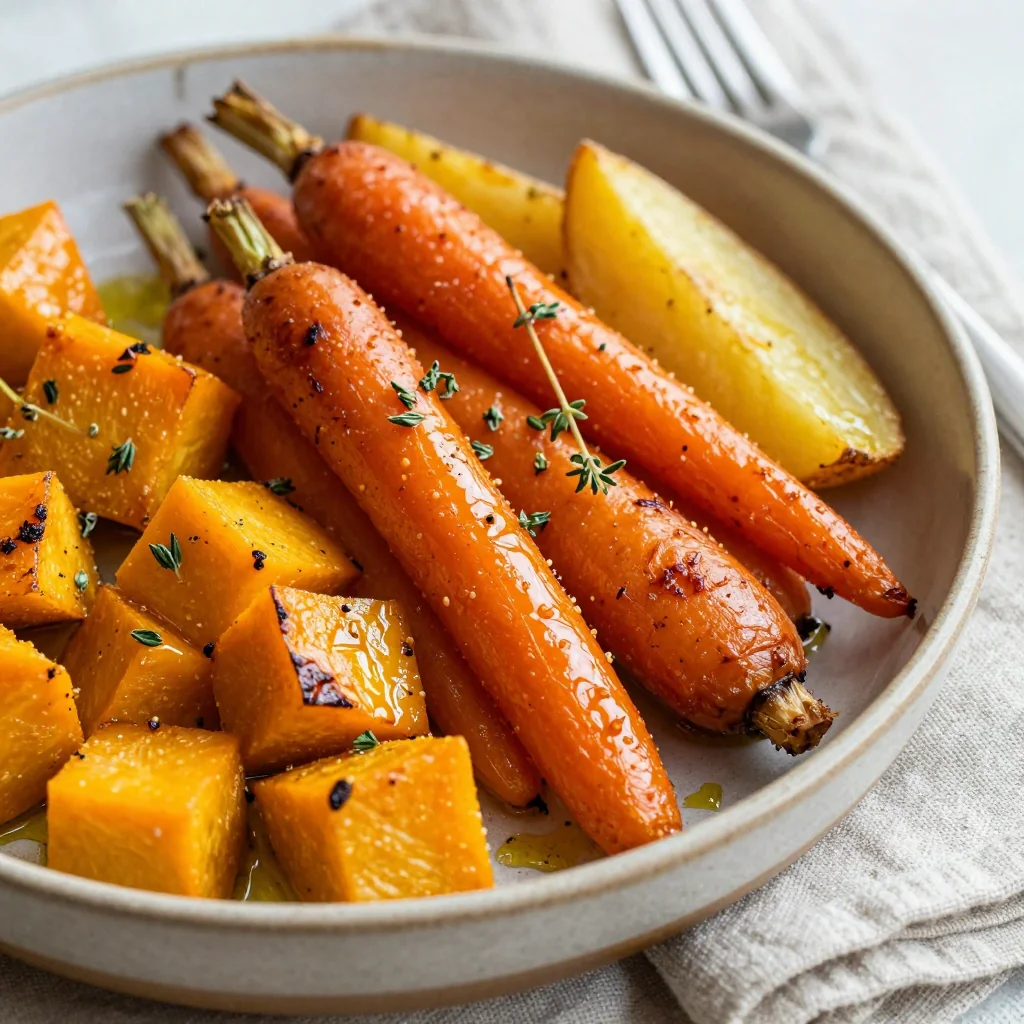
Butternut squash is the star that brings sweetness and a subtle nutty flavor. Roasting the cubes until they are caramelized brings out their natural sugars, which contrast beautifully with the salty pancetta. If you’re in a hurry, you can use pre‑cooked or canned squash, but fresh will give the dish a vibrant color and texture. A quick tip: toss the cubes with a pinch of salt before roasting; this draws out moisture and deepens the caramelization.
The Final Flourish
Heavy cream and grated Parmesan combine to create a velvety sauce that clings to every noodle. The cream adds richness, while the Parmesan provides a salty, umami lift. Fresh sage brings a green, herbaceous note that cuts through the heaviness. A pinch of nutmeg adds warmth and rounds out the flavor profile. If dairy isn’t your thing, substitute the cream with coconut milk or a plant‑based alternative for a lighter version.
Everything's prepped? Good. Let's get into the real action…
The Method — Step by Step
- Preheat the Oven: Set your oven to 400°F (200°C). While it heats, bring a large pot of salted water to a rolling boil for the pasta. The oven’s heat will allow the squash to roast to perfection, while the boiling water ensures the pasta cooks evenly. This step is crucial; a hot oven guarantees caramelized edges that shatter like thin ice.
- Prepare the Squash: Toss the diced butternut squash with 1 tablespoon of olive oil, a pinch of salt, and a dash of black pepper. Spread the cubes in a single layer on a baking sheet lined with parchment. The even coating ensures each piece gets a golden crust. Place the sheet in the oven and roast for 20–25 minutes, shaking halfway through.
- Cook the Pasta: While the squash roasts, add the penne to the boiling water. Cook for 8–10 minutes, stirring occasionally, until al dente. Reserve 1 cup of pasta water before draining; this starchy liquid will help thicken the sauce later. Drain and set aside, but keep the pot warm.
- Render the Pancetta: In a large skillet over medium heat, add the diced pancetta. Cook for 5–7 minutes until the fat renders and the pieces become crispy. The pancetta’s crisp edges are a key textural element that adds crunch with every bite. Once crispy, remove the pancetta with a slotted spoon and set aside on a paper towel.
- Sauté Aromatics: In the same skillet, reduce the heat to low and add 2 tablespoons of olive oil if needed. Add the minced garlic and diced onion, sautéing until the onion is translucent and fragrant—about 3–4 minutes. The aroma should be buttery and savory, setting the stage for the sauce.
- Combine the Sauce: Pour 1 cup of heavy cream into the skillet, stirring to combine with the garlic and onion. Bring the mixture to a gentle simmer, then whisk in 1 cup of grated Parmesan cheese until the sauce thickens. Add a pinch of nutmeg and freshly chopped sage, stirring until fragrant. The sauce should be glossy and coat the back of a spoon.
- Finish the Pasta: Add the roasted butternut squash, cooked penne, and reserved pasta water to the skillet. Toss gently, ensuring every noodle is coated with the creamy sauce. If the sauce seems too thick, add more pasta water a tablespoon at a time until the desired consistency is achieved. This is the moment of truth—watch the sauce coat the pasta like velvet.
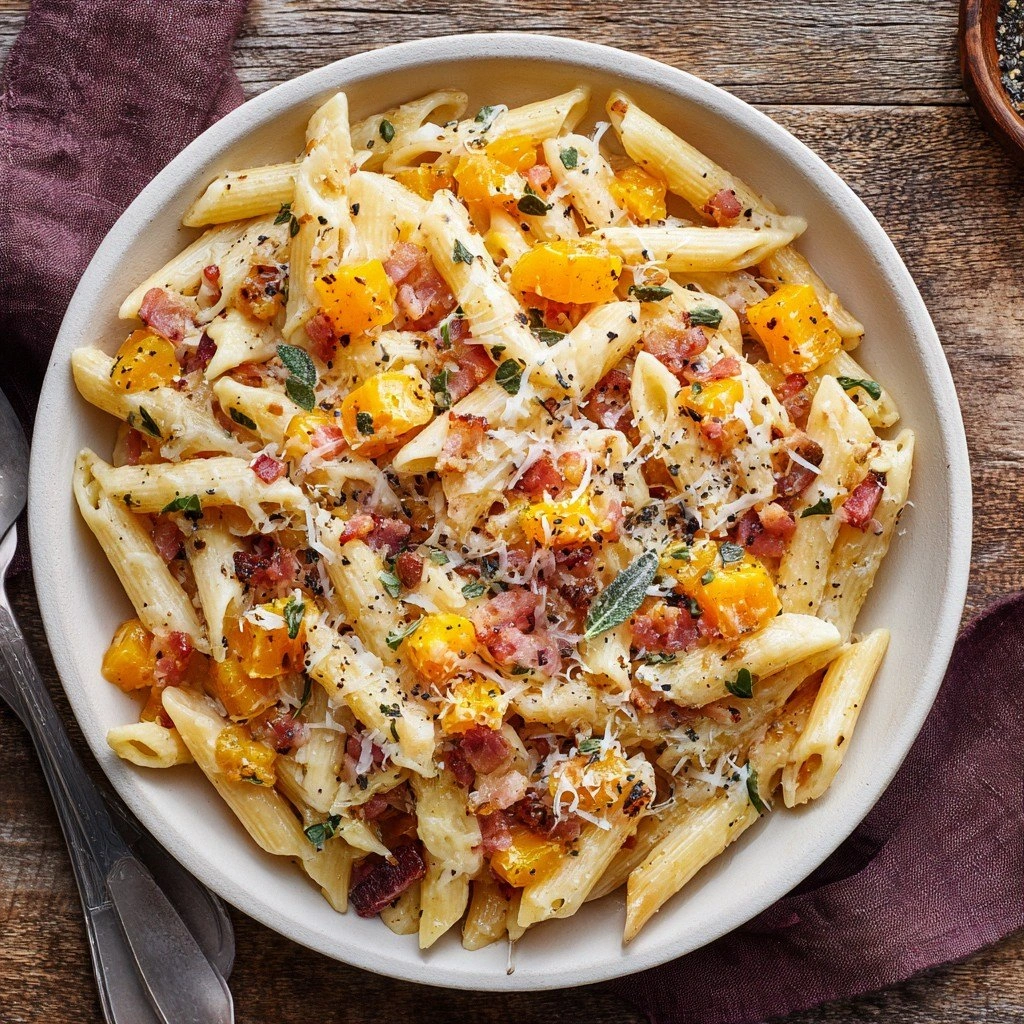
- Serve: Divide the pasta among bowls, top with the crispy pancetta, and garnish with a sprinkle of extra Parmesan and a few fresh sage leaves. The dish should look rustic yet refined, with a golden sheen and a burst of green from the sage. Plate immediately to enjoy the contrast between the hot, creamy pasta and the crisp pancetta.
That's it — you did it. But hold on, I've got a few more tricks that'll take this to another level…
Insider Tricks for Flawless Results
The Temperature Rule Nobody Follows
Many cooks keep the sauce at a low simmer, but this recipe benefits from a slightly higher heat (around 200°F) once the cream is added. This keeps the sauce from thickening too quickly and allows the flavors to meld. I’ve found that a gentle boil creates a glossy finish that looks restaurant‑grade. If you’re using a stovetop, keep the heat medium‑low and stir frequently to avoid scorching.
Why Your Nose Knows Best
The aroma of roasting butternut squash is a reliable indicator of doneness. When the edges start to caramelize and emit a sweet, nutty scent, the squash is ready. If you’re in a rush, a quick visual cue is to look for a golden brown color on the edges. The smell will guide you to the perfect balance between sweet and savory.
The 5‑Minute Rest That Changes Everything
After tossing the pasta and sauce together, let the dish rest for 5 minutes off the heat. This rest period allows the pasta to absorb the sauce fully, creating a cohesive flavor profile. I once skipped this step and the sauce clung unevenly; the rest period fixed it. Keep the skillet covered with foil to trap heat and prevent the sauce from drying out.
Use Fresh Sage, Not Dried
Fresh sage adds a bright, peppery note that dried sage can’t match. If you’re out of fresh sage, use half the amount of dried sage and add a splash of lemon zest to mimic the brightness. The key is to add the sage toward the end of cooking so it retains its flavor and color.
Keep the Pancetta Crispy
Once rendered, store the crispy pancetta in an airtight container at room temperature for up to 48 hours. Reheat in a hot skillet for a few seconds before adding it to the pasta. This preserves the crunch, which is essential for contrast.
Creative Twists and Variations
This recipe is a playground. Here are some of my favorite ways to switch things up:
Swap Pancetta for Bacon
Using bacon instead of pancetta gives a smokier flavor that pairs well with maple syrup drizzled on top. The bacon’s crispness is similar, but the smoky undertone adds depth.
Make It Vegan
Replace pancetta with crumbled tempeh, use coconut cream instead of heavy cream, and sprinkle nutritional yeast for a cheesy flavor. The dish remains hearty while staying plant‑based.
Try Sweet Potato
Roast diced sweet potato instead of butternut squash for a slightly earthier sweetness. Pair with a touch of cinnamon for a warm, autumnal twist.
Add a Protein Boost
Incorporate grilled chicken or shrimp for a protein punch. Toss the cooked protein into the skillet with the sauce just before serving to keep it moist.
Use Whole‑Wheat Penne
For a healthier version, swap regular penne with whole‑wheat. The nuttier flavor complements the sweet squash, and the dish becomes more filling.
Storing and Bringing It Back to Life
Fridge Storage
Store the cooked pasta and sauce separately in airtight containers. Keep the sauce in the fridge for up to 3 days. Reheat the sauce gently over low heat, adding a splash of milk or water to loosen it if needed.
Freezer Friendly
Freeze the sauce and pasta together in a freezer‑safe container for up to 2 months. Thaw overnight in the fridge, then reheat on the stovetop, stirring frequently. Add a pinch of salt to revive flavor.
Best Reheating Method
Reheat the dish in a skillet over medium heat, adding a tablespoon of water or broth to maintain moisture. The sauce should be heated through and glossy; stir until the pasta is hot and coated. A quick splash of cream or a drizzle of olive oil can restore silky texture.