I was in the middle of a frantic week, juggling deadlines, kids, and a grocery list that looked like a novel. I tried to throw together a “quick dinner” and ended up with a soggy rice pilaf that tasted like regret. I dared my roommate to eat it, and she politely declined, which was the final straw. That night I promised myself I would never settle for a bland, limp risotto again. I spent an entire Saturday hunting down the perfect ingredients, testing sauces, and perfecting timing until I finally landed on a version that made my kitchen feel like a five‑star Italian trattoria.
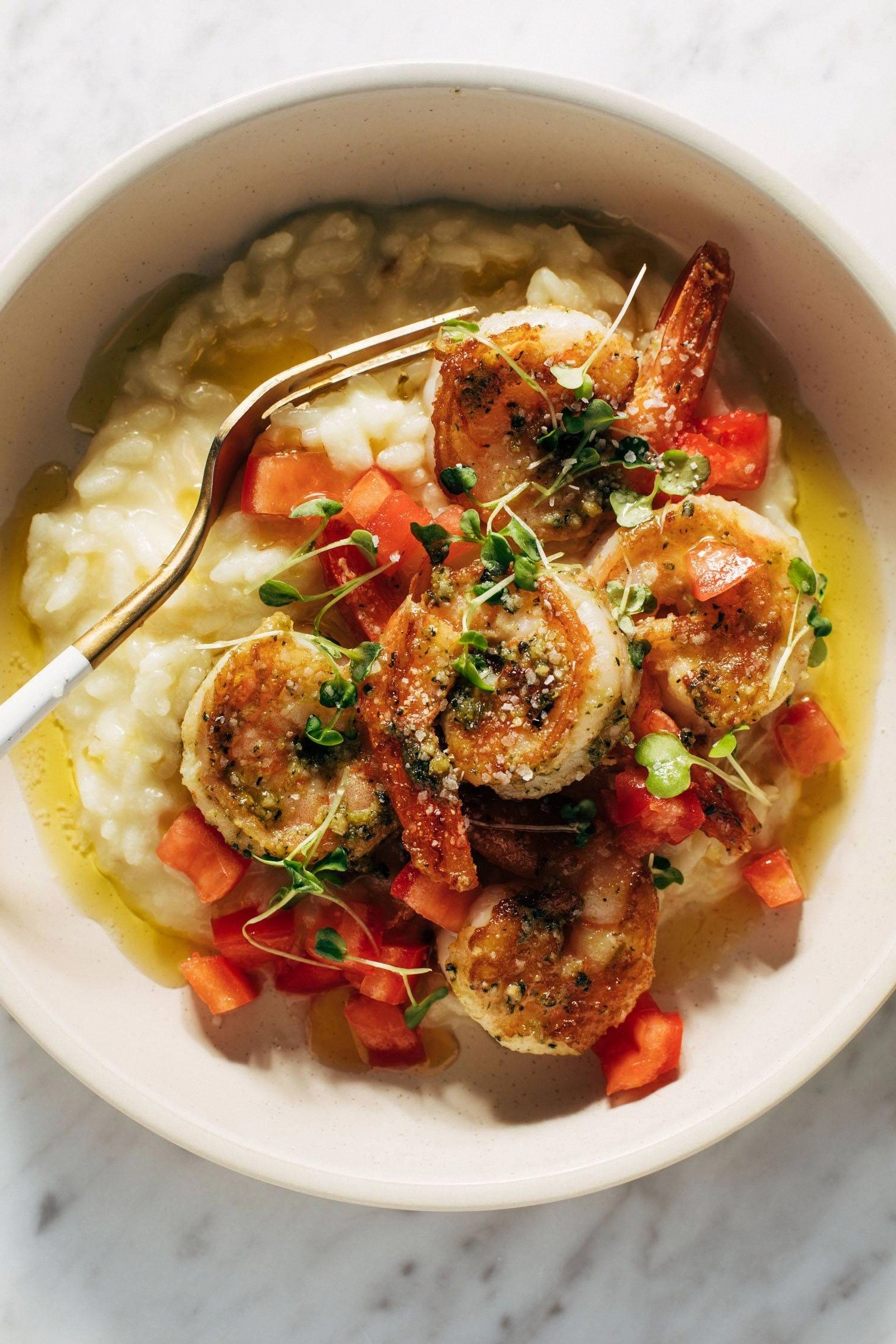
Picture this: the sizzle of butter and olive oil hitting a hot pan, the fragrant perfume of garlic and shallot mingling with the earthy aroma of toasted arborio rice, and a splash of white wine that deglazes the pan with a hiss that sounds like applause. The shrimp turn a gorgeous pink, the pesto swirls in like a bright green waterfall, and the Parmesan melts into the rice, creating a creamy, buttery blanket that clings to every grain. The final dish is a glossy, emerald‑gold masterpiece that tastes like sunshine on a summer patio, with a subtle zing from lemon zest that makes your taste buds do a little tango.
What sets this version apart from every other “shrimp risotto” you’ve seen on the internet is the bold combination of a high‑quality jarred pesto and fresh, juicy tomatoes that add a burst of acidity and color. Most recipes either drown the shrimp in a heavy cream sauce or skip the herbaceous punch altogether. I’ve found that using DeLallo’s arborio rice gives the perfect bite‑and‑chew texture, while the shrimp stay plump and succulent because they get added at just the right moment. The secret weapon? A quick deglaze with white wine that lifts the fond off the pan, infusing the whole dish with depth that you’d normally get from a slow‑cooked broth.
And now, the kicker: I’m going to share the exact timing, the exact temperature, and the exact moment when you add the pesto so it doesn’t turn bitter. I dare you to taste this and not go back for seconds. Let me walk you through every single step — by the end, you’ll wonder how you ever made it any other way.
What Makes This Version Stand Out
- Flavor Explosion: The pesto‑tomato combo creates a bright, herbaceous backbone that never gets lost under the richness of butter and cheese.
- Creamy Texture: Arborio rice releases its starch slowly, giving the risotto a silk‑smooth mouthfeel without any heavy cream.
- Shrimp Perfection: Adding the shrimp at the last minute ensures they stay juicy and pink, not rubbery.
- Speedy Simplicity: Despite the gourmet vibes, the whole dish comes together in under an hour, perfect for a weeknight.
- Visual Wow Factor: The green pesto, red tomato chunks, and golden shrimp create a plate that looks as good as it tastes.
- Make‑Ahead Friendly: You can prep the rice base a day ahead and finish with shrimp and pesto right before serving.
- Ingredient Quality: Using DeLallo’s arborio rice and pesto, plus fresh Roma tomatoes, elevates every bite.
- Crowd‑Pleaser: Even picky eaters love the buttery richness and the subtle herb kick.
Inside the Ingredient List
The Flavor Base
Butter and olive oil are the dynamic duo that coat the rice and shrimp, providing a rich, silky mouthfeel while also acting as the medium for sautéing aromatics. Garlic or shallot (or both! yes, please) brings that sharp, slightly sweet bite that cuts through the richness; I like to use one minced garlic clove and a finely diced shallot for layers of flavor. The white wine’s acidity lifts the toasted rice, dissolving the caramelized bits stuck to the pan, which we call fond, and adds a subtle fruitiness that balances the pesto’s herbaceous notes. If you skip the wine, you’ll miss that bright lift, and the risotto can feel flat.
The Texture Crew
Arborio rice is the star of the show; its high starch content releases slowly, creating that coveted creamy consistency without any heavy cream. Jumbo shrimp are chosen for their size and meatiness—they hold up well to the stirring and stay plump, unlike smaller shrimp that can overcook. Fresh juicy tomatoes, diced, add a burst of acidity and a pop of color that keeps each bite interesting. The Parmesan cheese, grated finely, melts into the rice, adding umami depth and a salty finish that ties everything together.
The Unexpected Star
Jarred pesto might sound like a shortcut, but the DeLallo brand packs a punch with real basil, pine nuts, and a balanced oil ratio. It doesn’t just sit on top; it integrates into the rice, creating a green‑gold swirl that looks gorgeous and tastes like a garden in summer. Lemon zest, while optional, adds a citrusy sparkle that lifts the whole dish, preventing the richness from becoming cloying. A pinch of salt is essential, but I always taste as I go to avoid over‑salting the Parmesan.
The Final Flourish
Fresh herbs for topping—think flat‑leaf parsley or basil—bring a fresh, herbaceous finish that brightens the plate right before serving. A final drizzle of good olive oil adds a glossy sheen, while a generous shaving of Parmesan on top creates a subtle crunch as the cheese cools. These finishing touches are the difference between “good” and “jaw‑dropping,” and they’re quick enough to add in the last minute.
Everything's prepped? Good. Let's get into the real action…
The Method — Step by Step
Heat a large, heavy‑bottomed sauté pan over medium‑high heat and melt 2 tablespoons of butter with 2 tablespoons of olive oil. Once the butter foams and the oil shimmers, add the minced garlic and shallot. Sauté for about 45 seconds until fragrant; you’ll hear a gentle sizzle that signals the aromatics are releasing their oils. Power transition: This is the moment where flavor foundations are built.
Add the arborio rice, stirring constantly for 2‑3 minutes. The grains should become translucent around the edges while retaining a faint white core—this is the toasting stage that adds a nutty depth.
Kitchen Hack: Use a wooden spoon to keep the rice moving; this prevents scorching and ensures even coating of butter.Deglaze the pan with ½ cup of dry white wine, scraping the browned bits from the bottom. Let the wine reduce by half, which should take about 2 minutes; you’ll notice the liquid thickening and a sweet‑tart aroma rising. This step is crucial because those browned bits are flavor gold.
Begin adding warm chicken broth, one ladleful (about ½ cup) at a time, stirring constantly. Wait until each addition is almost fully absorbed before adding the next. This gradual absorption creates the creamy texture that defines risotto. You’ll notice the rice swelling and the mixture becoming glossy.
Watch Out: If the heat is too high, the broth will evaporate too quickly, leaving the rice undercooked and the pan dry.After about 15 minutes of adding broth, the rice should be just shy of al dente. This is the perfect moment to fold in the diced fresh tomatoes and let them soften, releasing their juices into the risotto. The tomatoes add a subtle acidity that balances the buttery base.
Stir in the jarred pesto (¼ cup) and the grated Parmesan (½ cup). The pesto will melt into the warm rice, turning the whole mixture a vibrant green, while the Parmesan enriches the sauce with a nutty umami flavor. Keep stirring until the cheese is fully incorporated and the texture is luxuriously creamy.
Season the risotto with salt to taste and, if you love a citrus spark, add the zest of one lemon. The zest should be grated finely, releasing fragrant oils that perfume the entire dish. Taste at this stage; you’ll find the balance between salty, herbaceous, and bright.
In a separate hot skillet, melt a tablespoon of butter and add the jumbo shrimp, seasoned lightly with salt. Sear each side for about 2 minutes, until the shrimp turn pink and develop a golden crust. The shrimp should be just cooked through—overcooking makes them rubbery, a tragedy I’ve witnessed many times.
Fold the cooked shrimp gently into the risotto, letting their juices mingle with the creamy rice. Finish with a drizzle of olive oil, a handful of fresh chopped herbs, and an extra sprinkle of Parmesan. Let the dish sit for a minute off the heat; this resting period lets the flavors meld.
Serve immediately on warm plates, garnished with additional herbs and a wedge of lemon on the side for those who want an extra zing. Picture yourself pulling this out of the pot, the whole kitchen smelling incredible, and your guests reaching for seconds without hesitation.
That's it — you did it. But hold on, I've got a few more tricks that'll take this to another level…
Insider Tricks for Flawless Results
The Temperature Rule Nobody Follows
Keep the heat on medium‑high for the initial sauté, then drop to medium when adding broth. A consistent temperature prevents the rice from scorching while still allowing the broth to absorb quickly. I once left the flame too high, and the bottom of the risotto turned into a crunchy disaster—never again.
Why Your Nose Knows Best
Before you add the next ladle of broth, pause and inhale. If you smell a faint toasty scent and a whisper of wine, you’re on the right track. Your nose can detect when the rice is releasing starch; that’s the moment the mixture should feel slightly thick, not watery.
The 5‑Minute Rest That Changes Everything
After you finish stirring in the Parmesan and pesto, remove the pan from heat and cover it with a clean kitchen towel for five minutes. This rest allows the starches to settle, giving the risotto a silkier texture. A friend tried skipping this step once and ended up with a grainy mouthfeel—let’s just say it didn’t impress anyone.
Shrimp Timing Mastery
Shrimp cook faster than the rice, so they belong at the very end. If you add them too early, they’ll overcook and become rubbery. The secret is a quick sear—just enough to develop color, then let the residual heat finish the cooking inside the risotto.
Pesto Integration Tip
Stir the pesto in off the heat for a few seconds before returning the pan to low heat. This prevents the basil from turning bitter and keeps the green color vibrant. If you ever notice a dull, brownish pesto, you probably cooked it too long.
Creative Twists and Variations
This recipe is a playground. Here are some of my favorite ways to switch things up:
Mushroom Medley
Swap half of the shrimp for sautéed cremini and shiitake mushrooms. The earthy umami pairs beautifully with the pesto, creating a vegetarian‑friendly version that still feels luxurious.
Spicy Kick
Add a pinch of red‑pepper flakes to the aromatics, or stir in a spoonful of harissa after the broth is incorporated. The heat lifts the basil notes and adds a thrilling contrast.
Citrus Burst
Replace lemon zest with orange zest and a splash of orange juice. The sweet citrus brightens the dish, making it perfect for spring brunches.
Cheese Lover’s Dream
Mix in a handful of Gorgonzola or blue cheese with the Parmesan for a tangy, creamy twist that will wow cheese aficionados.
Herbaceous Upgrade
Swap the jarred pesto for a homemade basil‑mint pesto, adding a handful of fresh mint leaves for a fresh, garden‑like flavor profile.
Storing and Bringing It Back to Life
Fridge Storage
Transfer leftovers to an airtight container and store in the refrigerator for up to 3 days. The rice will thicken as it cools; reheat gently on the stove with a splash of chicken broth or water to restore creaminess.
Freezer Friendly
Portion the risotto into freezer‑safe bags, flatten them, and freeze for up to 2 months. Before reheating, let the bag thaw overnight in the fridge, then stir in a bit of broth and heat over low heat.
Best Reheating Method
When reheating, add a tiny splash of water or broth and cover the pan; the steam will revive the creamy texture without turning the rice mushy. Keep stirring gently, and finish with a fresh sprinkle of Parmesan and herbs for that just‑cooked feel.