I still remember the first time I made pineapple upside-down cake for a potluck. I was running late, my hair was frizzing from the summer humidity, and I had exactly 90 minutes before I had to leave the house. The grocery store only had bruised pineapple rings and a dented box of yellow cake mix, and I thought, "Well, this is going to be a disaster." Fast-forward two hours later: I arrived with a sticky, caramelized masterpiece that had people elbowing each other for seconds and begging for the recipe. The host actually hid the last slice in her fridge "for breakfast tomorrow," which is basically the highest compliment a dessert can receive.
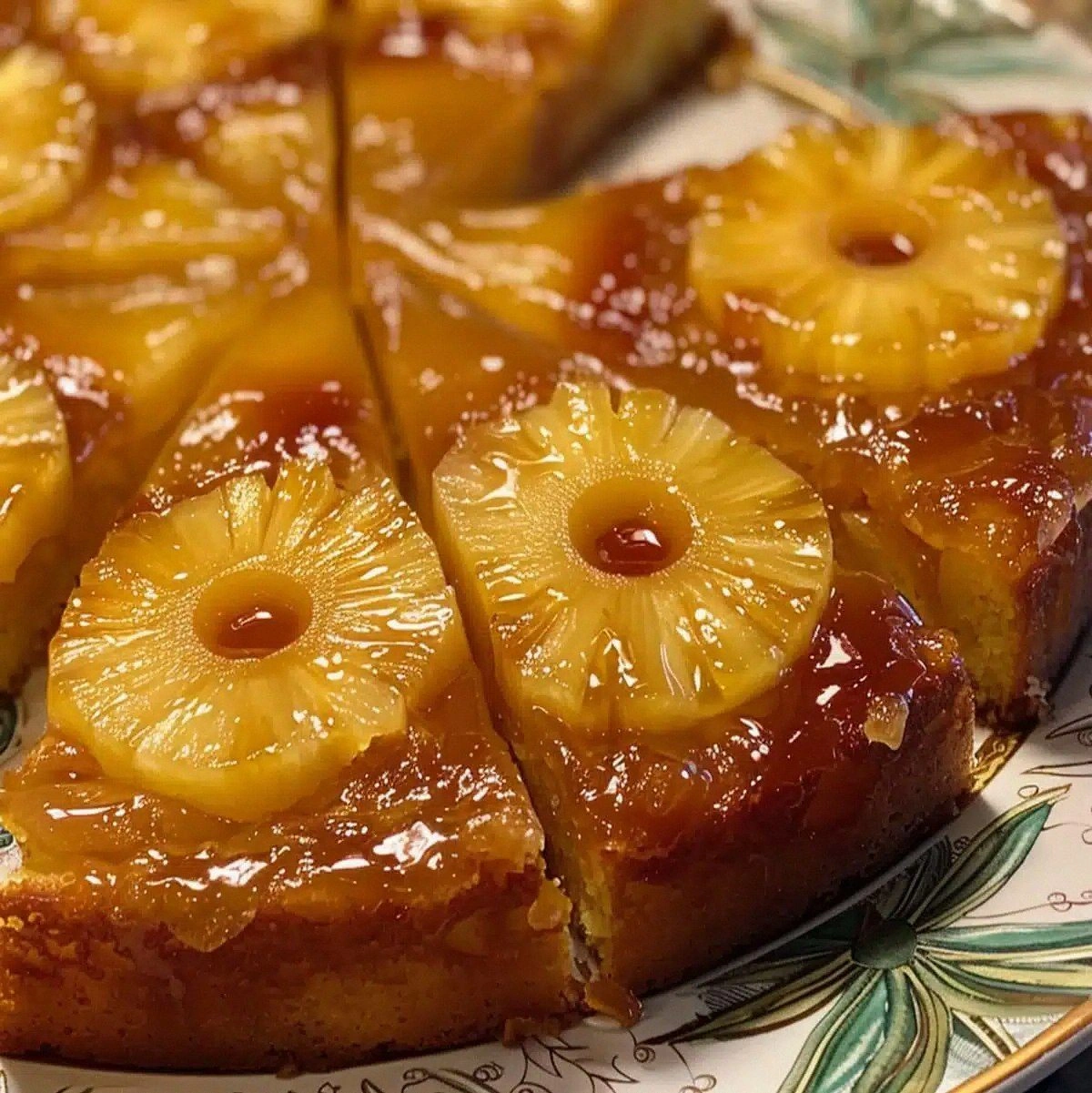
The smell alone is enough to make you weak in the knees — butter and brown sugar bubbling into a molten caramel that seeps into every pineapple crater and cherry belly-button. When you flip that pan and lift it off, there's this moment of pure suspense. Will it stick? Will it break? Will the fruit decide to cling to the bottom like a toddler refusing to leave the toy aisle? When it slides out perfectly, that glossy mosaic of golden fruit and ruby cherries looks like stained glass made out of pure happiness.
Most recipes treat this cake like a quaint relic from the 1950s, but I'm here to tell you we're dragging it into the spotlight with a few modern tricks. We're talking deeper caramel, bakery-level moisture, and fruit that stays plump instead of shriveling into sad little leather coins. Picture yourself pulling this out of the oven, the whole kitchen smelling like a tropical vacation collided with a candy factory, and your friends swarming like bees to a honeypot. I dare you to taste this and not go back for seconds — actually, I double-dog dare you, because I ate half the batch before anyone else got to try it and I have zero regrets.
Let me walk you through every single step — by the end, you'll wonder how you ever made it any other way.
What Makes This Version Stand Out
- Syrup-Soaked Fruit: Instead of dry, chewy pineapple, we quick-brine the rings in a brown-rum bath that plumps them to juicy perfection. The cake literally weeps happy tears when you slice it.
- Double-Caramel Layer: A secret under-and-over drizzle means every bite has that buttery, slightly bitter edge that balances the sweetness like a tightrope walker.
- Buttermilk Magic: Swap out regular milk for tangy buttermilk and watch the crumb turn so tender it practically sighs when you press it. No more dry sponge syndrome.
- Cast-Iron Confidence: Baking in a heavy skillet means the fruit sugars caramelize evenly, no burnt corners or pale, soggy middles. Plus you'll feel like a culinary rockstar hefting that pan around.
- 24-Hour Flavor Boost: Make it a day ahead; the cake absorbs the fruit syrup overnight and slices like a dream. Bring to room temp and it's party-perfect while you sip your drink.
- Cherry Upgrade: We replace those neon cocktail cherries with Amarena or Luxardo cherries so the fruit tastes like actual fruit, not a science experiment.
- Citrus Zing: A whisper of lime zest in the batter lifts the tropical notes and keeps the whole thing from tasting like a sugar bomb.
Alright, let's break down exactly what goes into this masterpiece...
Inside the Ingredient List
The Flavor Base
Dark brown sugar is the backbone here — its molasses notes echo the caramelized pineapple like a choir in perfect harmony. White sugar would taste one-dimensional and sad, like listening to a symphony with only violins. The butter must be real and slightly salted; margarine will give you a greasy film that refuses to cooperate, and unsalted butter leaves the caramel tasting flat unless you remember to add extra salt, which nobody ever does when they're rushing. If you only have light brown sugar, cheat by adding a teaspoon of molasses; nobody will know except your taste buds, and they'll keep the secret.
The Texture Crew
Cake flour keeps the crumb delicate, but if you only have all-purpose, swap two tablespoons per cup with cornstarch and sift twice. This little protein reduction prevents a rubbery chew that could bounce off the wall. Buttermilk reacts with baking soda to create microscopic bubbles that lighten the batter, so don't try using regular milk unless you want a leaden doorstop. Eggs should be room temperature so the yolks emulsify smoothly; cold eggs seize the batter and leave fat speckles that never quite disappear, like awkward party guests who won't leave.
The Unexpected Star
One teaspoon of dark rum in the fruit syrup amplifies the caramel without screaming "booze." If you're avoiding alcohol, coconut water plus a drop of molasses works surprisingly well, giving a subtle tropical depth that makes people ask, "Why does this taste like vacation?" Vanilla bean paste beats extract here because the tiny flecks read as luxury, like edible freckles. Almond extract is the devil's sneeze in this context — one drop too many and the whole cake tastes like a bottle of perfume.
The Final Flourish
Finish with a pinch of flaky sea salt over the fruit before baking; it sharpens the sweet notes the way a frame makes a painting pop. Use Amarena cherries packed in syrup, not the fluorescent ones that look like clown noses. They cost more, but split a jar among friends and the per-cake price is pennies for a flavor that will haunt your dreams in the best way. A quick brush of warm apricot jam after flipping gives that patisserie gloss that makes everyone assume you trained in Paris when you really just watched a YouTube video in pajama pants.
The Method — Step by Step
- Start by placing your 10-inch cast-iron skillet over medium heat and melting 6 tablespoons of butter until it foams and smells nutty, about 90 seconds. Swirl in ⅔ cup packed dark brown sugar and watch it dissolve into a lava-like slurry that bubbles like a mini volcano. Keep stirring with a heatproof spatula so no lonely sugar crystals burn at the edges; they'll taste bitter and ruin the vibe. When the mixture turns the color of antique mahogany and smells like toasted marshmallows, kill the heat — this is the moment of truth where caramel dreams are born or die.
- Arrange 7 pineapple rings on the caramel, pressing down so they fit like puzzle pieces; the centers should be touching but not overlapping like awkward dancers. Drop an Amarena cherry into each ring cavity, cut side up so the syrup pools inside like a tiny edible jewel box. If you've quick-brined the fruit, blot it gently; extra moisture will steam the cake and murder the caramel. Stand back and admire your handiwork — it should look like a sunburst made of sunshine and optimism.
- Preheat your oven to 350°F now, not earlier, because the caramel needs those few minutes to cool and thicken so fruit doesn't float away during baking. Whisk 1½ cups cake flour, 1½ teaspoons baking powder, and ¼ teaspoon fine sea salt in a medium bowl; aerate it like you're fluffing clouds. In a separate jug, combine ½ cup buttermilk, 2 tablespoons pineapple juice, 1 teaspoon rum, and ½ teaspoon vanilla bean paste — this is your flavor river waiting to flood the batter. Keep everything nearby because once the butter-sugar mixture starts, you move fast like a kitchen ninja.
- Cream ⅓ cup softened butter with ¾ cup granulated sugar on medium speed for a full three minutes; set a timer because impatience leads to gritty cake. You're looking for a pale, fluffy cloud that ribbons off the paddle like silk scarves. Beat in two room-temperature eggs, one at a time, letting each fully disappear before adding the next; curdled batter means cold eggs and tears later. Scrape the bowl religiously — unmixed pockets create sad streaks that taste like sweet scrambled eggs, and nobody invites those to parties.
- Reduce mixer speed to low and add the flour mixture in three additions, alternating with the buttermilk blend, beginning and ending with flour. Think of it as a polite dance: flour, liquid, flour, liquid, flour — each just incorporated so you don't overdevelop gluten and end up with rubber. The batter should look like thick yogurt and fall off the whisk in lazy folds; if it's stiff, splash in a teaspoon of pineapple juice. Okay, ready for the game-changer?
- Spoon the batter over the fruit in heaping dollops, then spread gently with an offset spatula, starting from center outward so you don't shove the pineapple around like bullies on a playground. Tap the skillet on a towel-lined counter twice to release air bubbles hiding near the fruit; they rise later and leave craters that ruin your glossy finish. Level the top, but don't obsess — the batter will self-level in the oven like lazy river water. The skillet will feel heavy and important in your hands, the way Thor's hammer probably feels to mere mortals.
- Bake on the center rack for 30-32 minutes, rotating at the 20-minute mark for even browning. The top should turn golden like late-afternoon sunlight, and a toothpick inserted near the center should come out with a few moist crumbs clinging like shy party guests. Don't overbake; carry-over heat from the cast iron finishes the job while the cake cools. Your kitchen will smell like a carnival where caramel apples and tropical punch are best friends, and neighbors may suddenly appear with empty plates.
- Cool the skillet on a wire rack for exactly 5 minutes — set a timer because longer risks cemented fruit, shorter means a fruit landslide. Run a thin knife around the edge to loosen any stubborn bits, place your serving plate upside-down on top, and invert in one confident motion. Wear oven mitts; hot sugar is sneakier than a cat burglar and burns twice as bad. Lift the skillet slowly, praying to the dessert gods, and watch the glossy mosaic slide out like a magician revealing the final trick.
- Brush warm apricot jam over the fruit for a mirror shine that would make a French pastry chef nod approvingly. Let the cake cool for at least 30 minutes before slicing; hot caramel is molten and will escape like lava, ruining your tidy wedges. Serve at room temperature with softly whipped cream or a scoop of coconut gelato if you're feeling fancy. And now the fun part: slice boldly, serve generously, and bask in the applause — you just became a dessert legend.
Insider Tricks for Flawless Results
The Temperature Rule Nobody Follows
Every ingredient that isn't supposed to be hot must be at true room temp, around 68-70°F. I stick my eggs in a bowl of warm tap water for five minutes and microwave buttermilk for 8 seconds — cold dairy makes butter seize into tiny flecks that never incorporate, leaving you with a broken, greasy batter. A friend tried skipping this step once; let's just say her cake had the texture of lumpy porridge and she still hasn't lived it down at book club.
Why Your Nose Knows Best
Trust your senses more than the timer. When the top smells like toasted sugar and the edges pull slightly away from the skillet sides, it's done even if the clock disagrees. Ovens vary like snowflakes, and altitude can add minutes while humidity steals them. If the aroma makes you close your eyes involuntarily, yank that pan out — overbaking is irreversible and turns your tender crumb into a Sahara sponge.
The 5-Minute Rest That Changes Everything
Those five minutes of cooling aren't optional; they're the difference between Pinterest-worthy and Pinterest-fail. During the rest, caramel thickens just enough to grip the fruit without gluing it permanently, and steam loosens any sticky spots. Set a phone timer and walk away — fiddling lengthens the wait because you keep adding 30-second peeks. Use the time to whip cream or pour yourself a celebratory drink; you've earned it.
The Flip Flop Confidence Move
When inverting, place the serving plate on the skillet, hold both securely with oven-mitted hands, and rotate away from your body in one fluid motion. Hesitation causes half-flips where fruit slides off like reluctant swimmers. If you're nervous, practice the motion with a cold, empty skillet first — muscle memory beats sweaty palms every time. And if disaster strikes and a few cherries stay behind, patch them back like edible spackle and glaze over; nobody will ever know except you and the kitchen gods.
Creative Twists and Variations
This recipe is a playground. Here are some of my favorite ways to switch things up:
Mango-Passion Carnival
Swap pineapple for thin mango slices brushed with passion-fruit nectar; the tang plays beautifully with the caramel and tastes like a beach sunset. Use coconut sugar in place of brown for deeper toffee notes, and spike the whipped cream with a teaspoon of lime zest. Serve with a tiny umbrella because why not live your best life?
Spiced Pear & Ginger Snowfall
In winter, use firm pear slices and add ½ teaspoon ground ginger plus a pinch of cardamom to the batter. Replace rum with ginger liqueur and crown each serving with candied ginger slivers. The warming spices turn the cake into a holiday sweater you can eat, and the aroma will make carolers spontaneously appear at your door.
Peachy Bourbon Cowboy
Summer calls for fresh peach halves nestled cut-side down; swap rum for bourbon and brown sugar for muscovado. A whisper of smoked salt on top evokes backyard campfires and makes grown men sigh. Vanilla ice cream is mandatory here — no substitutions accepted by the dessert police.
Berry Rosé Garden Party
Replace fruit with a mosaic of strawberries, raspberries, and blueberries; simmer the jam glaze with a splash of rosé for blush-pink shine. The cake turns into a edible flower arrangement that screams bridal shower or Mother's Day brunch. Pro tip: add edible petals like violas for Instagram gold.
Pineapple Coconut Rum Runner
Double down on tropical vibes by folding toasted coconut flakes into the batter and brushing the finished cake with a rum-coconut syrup. Top with a cloud of coconut whipped cream and a sprinkle of lime zest. Close your eyes while eating and you'll hear steel drums — I tested this theory and my neighbors asked if I was playing music.
Savory Brunch Flip
For the adventurous, use pineapple but swap the sugar caramel for bacon fat and maple, scatter crispy bacon bits between fruit, and serve with a dollop of bourbon-infused mascarpone. Sweet-salty-smoky magic that turns brunch into a story people retell. Vegetarians may clutch their pearls, but converts will bow at your feet.
Storing and Bringing It Back to Life
Fridge Storage
Cover tightly with plastic wrap pressed against the cut surfaces to prevent the cake from absorbing fridge odors — nobody wants onion-scented dessert. It keeps up to four days, though the fruit gradually dulls in color. Bring slices to room temp for 30 minutes before serving; cold caramel thickens like cement and masks flavors. If you must refrigerate longer, consider freezing individual slices instead.
Freezer Friendly
Wrap wedges tightly in plastic, then foil, and freeze for up to two months. Label with the date unless you enjoy mystery dessert roulette. Thaw overnight in the fridge, then revive at 300°F for 8 minutes with a tiny splash of water in the pan to create steam that rehydrates the crumb. The fruit won't be as glossy, but a quick apricot-jam glaze returns the sparkle.
Best Reheating Method
Microwaves turn caramel into lava and rubberize the cake — avoid at all costs. Instead, warm slices in a toaster oven at 300°F for 6-7 minutes or in a dry skillet over low heat with a lid to trap steam. Add a dollop of whipped cream and no one will know it isn't fresh from the oven. For bonus points, torch the fruit edges with a kitchen torch for campfire vibes and extra caramelization.