I remember the night I first tried pepper soup in its full, unapologetic glory. The kitchen was a battlefield: a pot of broth bubbling like a cauldron, the scent of habanero pepper slicing through the air, and a half‑sized onion trembling in a bowl. My friend dared me to finish it in one go, and I, ever the skeptic, thought it would be a mild, broth‑only affair. Instead, the moment the first sip hit my tongue, I felt a fiery wave crash over my palate, leaving me gasping for more.
That night, I vowed to master this dish—because I was convinced it could be elevated beyond the bland, over‑cooked versions that dominate grocery stores. I experimented with tripe, offal, and the elusive pepper soup spice, and the result was a broth that clung to the back of my throat like a velvet cloak, yet exploded with heat that danced across my tongue. I discovered that the secret lies not just in the spice blend, but in the meticulous layering of textures and the timing of each addition.
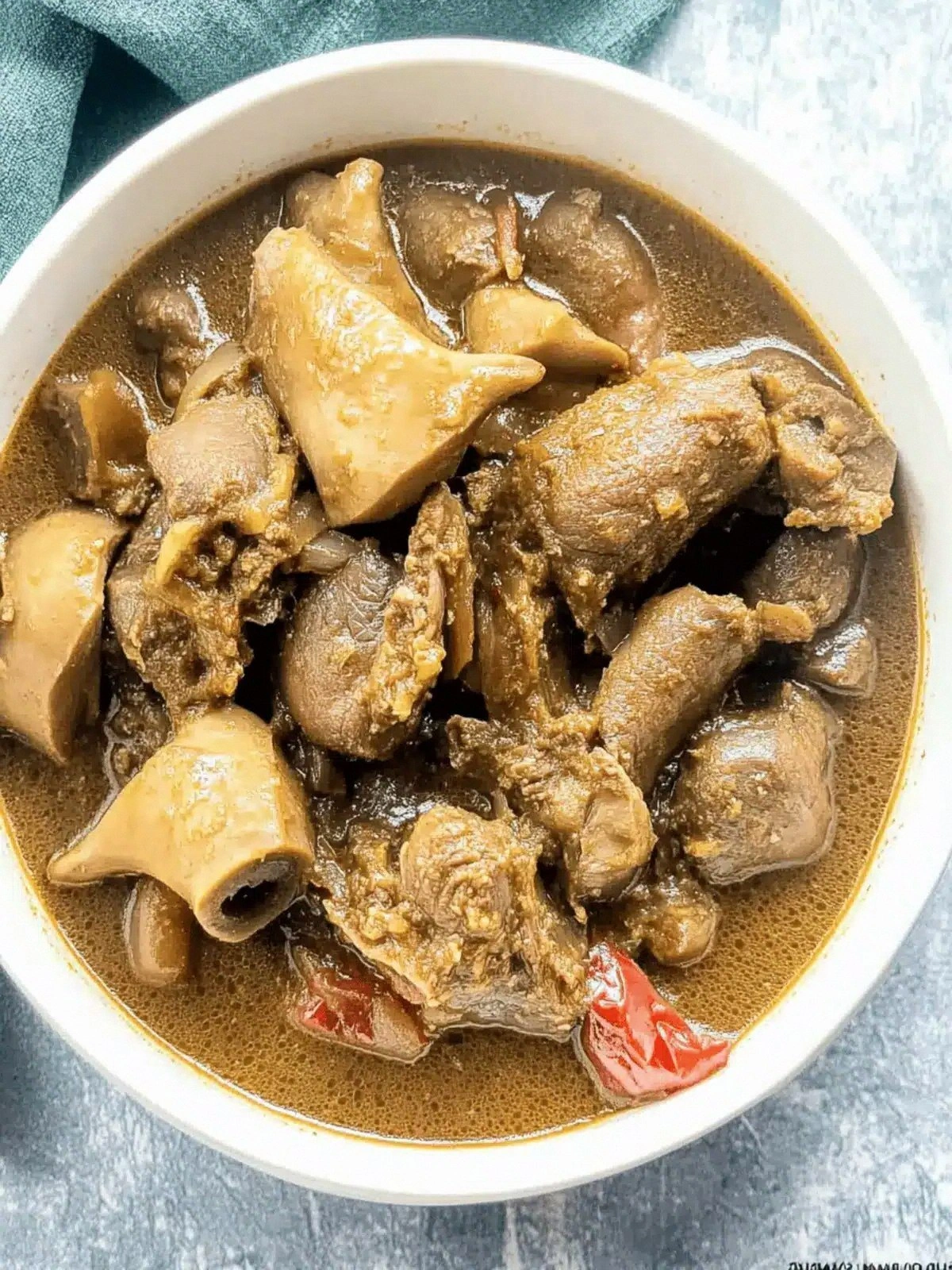
Picture this: a steaming bowl of broth that smells like a wild, sun‑kissed garden, tastes like a midnight feast, and feels like a warm hug from your grandma. The first spoonful is a burst of savory depth, followed by a lingering, spicy afterglow that keeps you reaching for more. I dare you to taste this and not go back for seconds—trust me, it’s a game‑changer. If you’ve ever struggled with off‑the‑shelf pepper soup, you’re not alone, and I’ve got the fix.
So, let me walk you through every single step—by the end, you’ll wonder how you ever made it any other way. I’ll share the trick of marinating tripe, the exact ratio of spices that balances heat with flavor, and the method of simmering that turns humble offal into a melt‑in‑your‑mouth experience. Ready? Let’s dive in.
What Makes This Version Stand Out
- Flavor: The broth is a symphony of heat, umami, and subtle herbal undertones, thanks to the pepper soup spice blend and the slow‑cooked tripe that absorbs every nuance.
- Texture: Each bite delivers a tender, almost silky chew from the tripe, balanced by the crisp bite of fresh habanero that adds a satisfying snap.
- Simplicity: With only twelve core ingredients, the recipe is straightforward yet powerful—no fancy gadgets required.
- Authenticity: This version stays true to Nigerian traditions while incorporating a modern twist of marinating and double‑simmering for depth.
- Make‑ahead: The soup actually tastes better the next day, making it ideal for meal prep or a crowd‑pleasing dish at gatherings.
- Heat Control: By adjusting the habanero and cayenne pepper, you can dial the spice level to suit any palate.
Inside the Ingredient List
The Flavor Base
The pepper soup spice blend is the heart of this dish; it’s a proprietary mix of dried peppers, cloves, and peppercorns that delivers a complex, smoky heat. If you can’t find a pre‑made blend, grind equal parts of dried habanero, fresh peppercorns, and a pinch of allspice for a DIY version. Skipping this component will turn a vibrant broth into a bland, one‑dimensional soup.
The Texture Crew
Blanket, honeycomb, and mountain chain tripe are the star players that provide chewiness and a meaty mouthfeel. The tripe’s collagen content gives the broth a silky body, while the varied textures from each type add layers of interest. If you’re short on tripe, a mix of beef shank and kidney will still deliver a hearty bite, but the authentic flavor will be slightly altered.
The Unexpected Star
The habanero pepper is the spark that ignites the entire soup. Its heat is sharp yet aromatic, providing a bright counterpoint to the deep, savory broth. If you’re not comfortable with pure heat, replace it with a milder Scotch bonnet or a blend of sweet paprika and cayenne for a gentler kick.
The Final Flourish
Bouillon powder, black pepper, and salt are the finishing touches that round out the flavor profile. The bouillon adds depth and umami, while the black pepper provides a subtle, earthy finish. Remember, the salt should be added after simmering to prevent the broth from becoming too salty.
Everything’s prepped? Good. Let’s get into the real action.
The Method — Step by Step
- Begin by rinsing the tripe under cold water, then place it in a large pot with 6 cups of water. Bring the mixture to a gentle boil over medium heat, skimming off any foam that rises to the surface. This step removes impurities and ensures a clean, clear broth. Once the water starts to bubble, reduce the heat to low and let it simmer for 45 minutes to soften the tripe.
- While the tripe simmers, chop the half onion and habanero pepper into small pieces. The onion will add a subtle sweetness, and the habanero will provide the signature heat. If you prefer a smoother texture, you can blend the onion and habanero into a paste before adding it to the pot. This step is crucial for achieving a balanced flavor profile.
- Add the chopped onion and habanero to the pot, then stir in 2 tablespoons of pepper soup spice. The spices will infuse the broth with depth and aroma. Let the mixture simmer for an additional 15 minutes, allowing the spices to release their oils. You’ll notice the broth turning a richer, golden hue.
- Introduce the 1 tablespoon of bouillon powder, 1 teaspoon of black pepper, and 1 teaspoon of salt to the pot. Stir until the bouillon dissolves completely, ensuring an even distribution of flavor. This is the moment of truth—your broth should smell toasty and inviting. If you’re adjusting heat, add the cayenne pepper at this stage.
- Now add the remaining tripe pieces—blanket, honeycomb, and mountain chain—into the pot. Gently stir to combine. Cover the pot and let it simmer on low heat for another 30 minutes, allowing the tripe to absorb all the spices and become tender. The broth should thicken slightly, indicating that the tripe has released its collagen.
- Taste the soup; if you desire a sharper heat, sprinkle in an extra pinch of cayenne pepper. If the broth feels too thin, let it reduce for a few more minutes uncovered. This step is essential to achieve the perfect balance between heat and savory richness.
- Remove the pot from heat and let the soup rest for 5 minutes. This resting period allows the flavors to meld and the tripe to become even more succulent. While resting, you can cover the pot with a clean towel to keep it warm.
- Serve hot in bowls, ladling the broth over the tripe and a few peppercorns for garnish. Pair it with a side of steamed rice or a simple flatbread to soak up the delicious sauce. The experience is complete when the first spoonful warms your core and leaves you craving the next.
Insider Tricks for Flawless Results
The Temperature Rule Nobody Follows
Many cooks start the soup on high heat, but the secret to a silky broth is a low, steady simmer. This slow cooking allows the tripe to release collagen gradually, giving the soup body without becoming too thick. I once tried a quick boil and the result was a watery mess—lesson learned.
Why Your Nose Knows Best
A well‑seasoned broth will emit a scent that hints at the final flavor—smoky, peppery, and slightly sweet. If the aroma feels flat, add a splash of water and let it re‑boil; the steam will carry the spices back into the mixture. Trust your nose; it’s the most reliable guide to seasoning.
The 5-Minute Rest That Changes Everything
Resting the soup after cooking allows the tripe to rehydrate slightly, making it more tender. It also gives the spices time to settle, preventing any harsh, raw notes. I’ve found that a 5‑minute rest is enough to elevate the dish from good to unforgettable.
Layering the Spice
Add the pepper soup spice early to infuse the water, then introduce cayenne later to keep the heat sharp. This layering technique ensures the broth isn’t overwhelmed by heat while still delivering a punch. It’s a small tweak that makes a huge difference.
The Right Pan Matters
Use a heavy‑bottomed pot to prevent scorching and to distribute heat evenly. A non‑stick pan can cause the broth to burn at the edges, ruining the flavor. I swear by a cast‑iron Dutch oven for this recipe—it retains heat beautifully.
Creative Twists and Variations
Smoky BBQ Pepper Soup
Add a tablespoon of smoked paprika to the spice blend for a deep, smoky undertone. This variation pairs wonderfully with grilled meats, creating a full‑bodied meal. The smoky flavor complements the tripe’s natural richness, making it a crowd‑pleaser at barbecues.
Coconut Cream Pepper Soup
Stir in half a cup of coconut milk at the end of cooking for a creamy, tropical twist. The coconut balances the heat and adds a subtle sweetness. This version is perfect for a light lunch or a comforting dinner.
Vegetarian Pepper Soup
Swap the tripe and kidney for a hearty mix of chickpeas, lentils, and diced carrots. Keep the spice blend intact for authenticity. The result is a protein‑rich, vegetarian dish that still delivers the signature heat.
Spicy Jollof Pepper Soup
Introduce a cup of crushed tomato and a tablespoon of tomato paste to the pot. The tomato adds depth and a subtle sweetness that balances the pepper's heat. Serve over rice for a one‑pot meal that’s both filling and flavorful.
Low‑Heat Comfort
Reduce the cayenne pepper to a pinch and add a teaspoon of sugar to mellow the heat. The soup becomes a soothing, low‑spice comfort food ideal for those sensitive to heat. It’s a gentle introduction to pepper soup for newcomers.
Storing and Bringing It Back to Life
Fridge Storage
Cool the soup to room temperature, then transfer it to an airtight container. Store in the refrigerator for up to 4 days. The tripe will retain its tenderness, and the broth will develop deeper flavor as it sits.
Freezer Friendly
Divide the soup into individual portions before freezing. Wrap each portion in freezer paper or place in a freezer‑safe bag, and label with the date. The soup can be kept frozen for up to 3 months without loss of quality.
Best Reheating Method
Reheat the soup over low heat, adding a splash of water or broth to maintain moisture. Stir frequently to prevent scorching. Once heated through, taste and adjust seasoning if needed. This gentle method preserves the delicate balance of flavors.