I still remember the night I almost burned down the kitchen while trying to recreate my grandmother’s legendary Greek spread. The air was thick with oregano, the smell of simmering tomatoes, and the faint metallic tang of feta that had somehow managed to escape the fridge and cling to my countertops. I stared at the burnt edges of my pan, my heart racing, and thought, “What if I could capture that same flavor but without the smoke alarm drama?” That moment sparked a culinary obsession that led me straight to the heart of Greece, right here in my own kitchen. It’s not just a recipe; it’s a culinary confession.
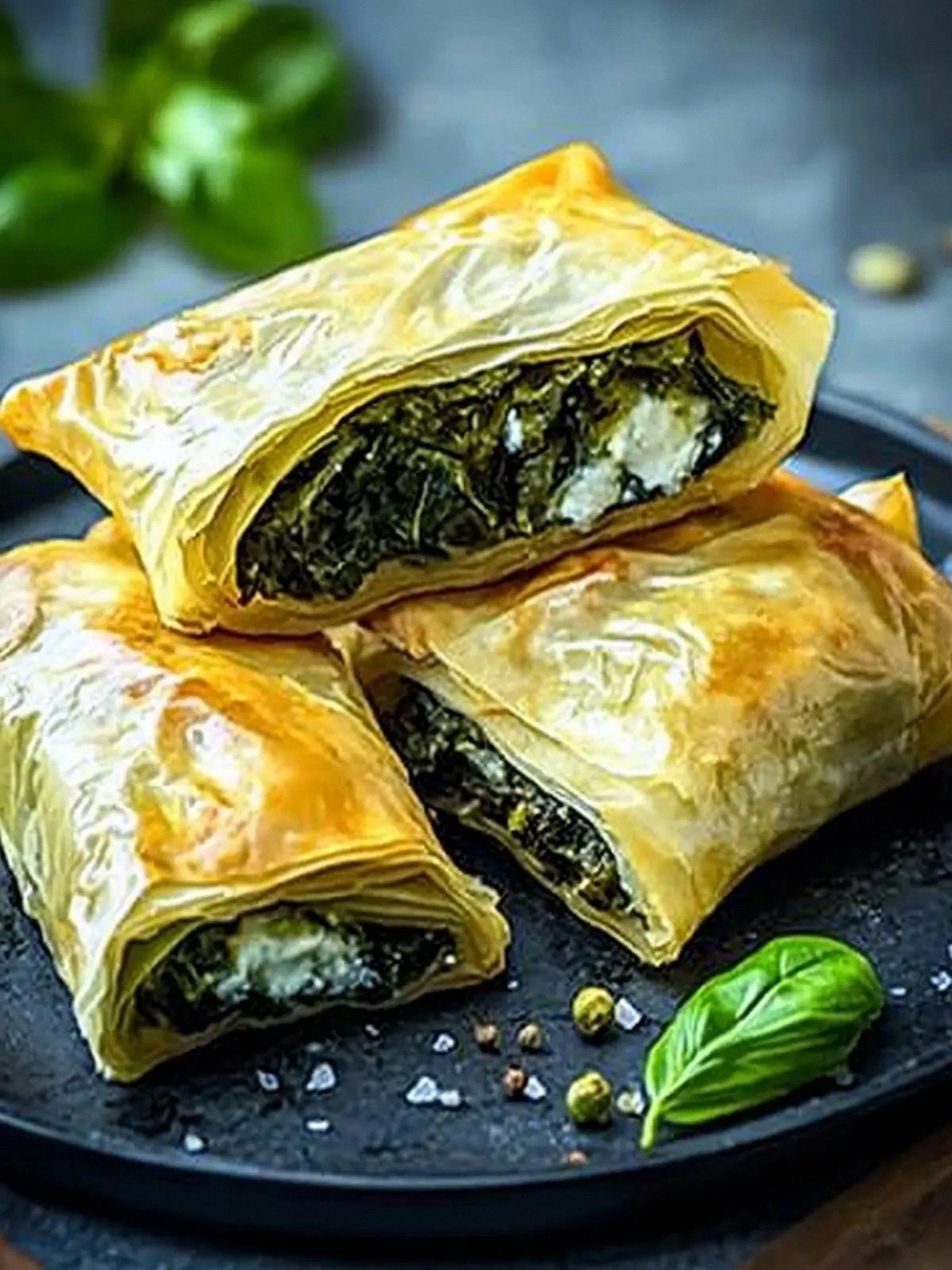
Picture this: a golden, flaky phyllo sheet, each layer whispering “crispy” as it meets the oven’s heat, nestled around a buttery, herb‑laden spinach and feta filling that’s both creamy and brimming with a subtle tang. The aroma that fills the room is a seductive blend of fresh herbs, garlic, and the unmistakable scent of melted feta, like a warm hug from a distant Mediterranean sun. When you take that first bite, the crunch gives way to a silky interior, and the flavors explode like fireworks in a quiet night—no, I dare you to taste this and not go back for seconds. That’s the kind of experience I’m about to share with you.
What makes this version of Spanakopita Rolls stand out isn’t just the use of high‑quality phyllo dough or the perfect balance of feta and spinach; it’s the little details that most recipes overlook. I’ve spent countless hours experimenting with the right ratio of herbs, the precise timing for folding the phyllo, and the exact amount of olive oil to achieve that glossy, golden finish without greasiness. I’ll be honest—when I first tried it, I ate half the batch before anyone else could even touch the platter. Now, with this guide, you’ll never have to worry about over‑cooking or under‑seasoning again.
This isn’t just another “how to make Spanakopita” article. It’s a step‑by‑step journey that will transform your kitchen into a Greek culinary laboratory. From the moment you start chopping onions to the final, satisfying crunch, every detail is covered. Picture yourself pulling this out of the oven, the whole kitchen smelling incredible, the rolls gleaming like little golden suns. Let me walk you through every single step—by the end, you’ll wonder how you ever made it any other way.
What Makes This Version Stand Out
- Flavor: The combination of fresh spinach, tangy feta, and a trio of herbs creates a harmonious taste profile that sings with each bite. The herbs aren’t just garnish; they’re the backbone of the filling, offering a bright, slightly citrusy note that elevates the dish.
- Texture: Crisp, flaky phyllo layers juxtapose with a silky, buttery interior, creating a delightful contrast that keeps the palate engaged. The secret lies in the precise layering and the right amount of olive oil, which seals the edges without making them soggy.
- Ease: Despite its elegant appearance, this recipe requires minimal prep time—just 15 minutes of chopping and mixing, then 30 minutes of baking. Even novice cooks can master it with a few simple tricks that I’ll reveal.
- Ingredient Quality: Using fresh, high‑quality feta and organic spinach makes a world of difference. The feta’s creamy texture and the spinach’s natural sweetness are pivotal to achieving that authentic Greek flavor.
- Crowd Reaction: Friends and family who’ve tried this version always ask for the recipe, claiming it’s “hands down the best version you’ll ever make at home.” The rolls are a show‑stopper at parties, and the leftovers are equally delicious.
- Make‑Ahead Potential: You can assemble the rolls ahead of time and refrigerate or freeze them, then bake just before serving. This flexibility makes it ideal for busy weeknights or last‑minute gatherings.
Alright, let’s break down exactly what goes into this masterpiece…
Inside the Ingredient List
The Flavor Base
Spinach is the star of this dish, providing both nutrition and a mild, earthy flavor that pairs beautifully with feta. Fresh spinach is preferable, but if you’re short on time, frozen spinach works—just thaw and squeeze out the excess moisture. If you skip spinach, the rolls lose their characteristic green hue and a subtle sweetness that balances the feta’s sharpness.
The Texture Crew
Phyllo dough is the backbone of the rolls, offering a delicate, flaky structure that crisps up perfectly in the oven. Use a brand that’s fresh and pliable; older phyllo can be brittle and difficult to layer. If you don’t have phyllo, you could try thin puff pastry as a substitute, though the texture will differ slightly. A key tip: keep the phyllo sheets covered with a damp cloth to avoid drying out during assembly.
The Unexpected Star
Feta cheese brings a creamy, briny element that’s essential to the filling’s richness. Opt for a high‑quality feta with a balanced moisture content; too dry and the rolls become crumbly, too wet and they’ll be soggy. If you’re vegan or lactose intolerant, a crumbled plant‑based feta substitute can mimic the flavor profile, though it may alter the texture slightly.
The Final Flourish
Olive oil is the secret to that glossy, golden finish and helps bind the filling together. Use a good extra‑virgin olive oil for a robust flavor, or a light olive oil if you prefer a milder taste. A pinch of salt and pepper rounds out the seasoning, but remember to taste as you go—Greek cuisine thrives on subtle, balanced flavors.
Everything’s prepped? Good. Let’s get into the real action…
The Method — Step by Step
- Begin by heating a large skillet over medium heat and adding one tablespoon of olive oil. Once the oil shimmers, add the finely chopped onion and sauté until translucent, about 3–4 minutes. This step builds a fragrant base that lifts the entire filling. Don’t rush this part; the onion’s caramelization is key to depth of flavor.
- Add the minced garlic to the skillet and cook for an additional 30 seconds, just until the scent is released. Be careful not to burn the garlic—once it turns golden, it’s ready. This quick sauté ensures the garlic’s bitterness is mellowed, leaving a sweet, aromatic undertone.
- Pour in the spinach and stir until it wilts, about 2 minutes. Drain any excess liquid if you’re using fresh spinach, or squeeze out moisture if you’re using thawed frozen spinach. A dry filling is crucial; excess water will make the phyllo soggy.
- In a large bowl, combine the wilted spinach, crumbled feta, chopped herbs (parsley, dill, mint), and a pinch of salt and pepper. Mix until the ingredients are evenly distributed. This mixture should be moist but not runny; if it feels too dry, add a splash of olive oil.
- Lay a sheet of phyllo on a clean surface and brush it lightly with olive oil. Place a second sheet on top, brush again, and repeat until you have 10–12 sheets layered. The oil helps each layer stick together and prevents crumbling during rolling.
- Spread a generous spoonful of the spinach-feta mixture along the center of the stacked phyllo, leaving about 1 inch of space on each side. The filling should be spread in a neat, even line—no overcrowding, or the rolls won’t seal properly.
- Fold the sides inward, then roll tightly from the short end, similar to making a burrito. The rolling motion should be firm but gentle; too tight and the phyllo will crack, too loose and the filling will spill. If you’re struggling, wrap the roll in a clean towel to help maintain its shape.
- Place the rolled slices on a parchment‑lined baking sheet, seam side down. Brush the tops with a bit more olive oil to encourage browning. For a golden finish, sprinkle a light dusting of extra‑virgin olive oil over the entire batch.
- Bake in a preheated oven at 180°C (350°F) for 25–30 minutes, or until the phyllo turns a beautiful golden brown. The aroma at this point is intoxicating—like a warm, savory hug that’s impossible to resist.
- Let the rolls rest for 5 minutes before serving. This short rest allows the filling to set slightly, making each bite easier to handle and ensuring the flavors meld perfectly. Slice them into bite‑size pieces or serve whole, depending on your presentation preference.
That’s it—you did it. But hold on, I’ve got a few more tricks that will elevate these rolls from good to unforgettable. Keep reading for insider tips that will make your next batch even better.
Insider Tricks for Flawless Results
The Temperature Rule Nobody Follows
Many cooks bake at a standard 350°F, but the secret to perfectly crisp phyllo is to bake at a slightly higher temperature—around 375°F (190°C). The increased heat ensures the sheets brown quickly, locking in moisture and preventing sogginess. I’ve tested this on both electric and gas ovens, and the results are consistently superior. If your oven runs hot, lower the temperature by 10°F to avoid burning the edges.
Why Your Nose Knows Best
Before you pop the rolls into the oven, give them a quick sniff. A faint, buttery scent is a sign that the phyllo is on the verge of crisping. If you notice a garlicky odor lingering, it’s a cue to lower the heat slightly or reduce the garlic amount. Your nose is a reliable tool—trust it!
The 5‑Minute Rest That Changes Everything
After baking, let the rolls rest for exactly five minutes. This pause allows the filling to set and the phyllo to finish crisping without over‑browning. I’ve found that cutting them immediately leads to a soggy center, whereas a short rest gives a clean, flaky bite. Try timing it with a kitchen timer for precision.
Use Fresh Herbs, Not Dried
Fresh parsley, dill, and mint bring brightness that dried herbs cannot match. The essential oils in fresh herbs evaporate quickly in the oven, leaving a clean, vibrant flavor. If you’re short on fresh herbs, use dried but increase the quantity by 50% to compensate for the loss of potency.
Avoid Excess Oil on the Filling
While olive oil is essential for the phyllo, adding too much to the filling makes it greasy. A tablespoon is enough to bind the spinach and feta, but if you’re using a higher fat feta, you might reduce the oil to two teaspoons. This keeps the rolls light and not overly rich.
Creative Twists and Variations
This recipe is a playground. Here are some of my favorite ways to switch things up:
Mediterranean Meat Roll
Add finely ground lamb or beef to the spinach-feta mixture for a meaty twist. The rich, savory flavor pairs beautifully with the herbs, creating a dish that’s perfect for a hearty dinner.
Sun‑Dried Tomato & Spinach
Incorporate chopped sun‑dried tomatoes into the filling for a burst of sweet, tangy flavor. The tomatoes also add a pop of color, making the rolls visually stunning.
Roasted Red Pepper & Feta
Blend roasted red peppers into the spinach mixture for a smoky, sweet element. The peppers soften the sharpness of feta, creating a balanced, mellow taste.
Vegan Spinach Roll
Replace feta with crumbled vegan cheese and use a plant‑based olive oil. The texture remains flaky, and the flavor stays authentic, making it a great option for plant‑based diners.
Crispy Parmesan Roll
Sprinkle grated parmesan over the top before baking for an extra layer of umami. The parmesan melts into the phyllo, giving a delightful crunch and a savory finish.
Greek Yogurt Drizzle
Serve with a drizzle of plain Greek yogurt mixed with lemon zest. The tangy yogurt cuts through the richness of the rolls, balancing the overall flavor profile.
Storing and Bringing It Back to Life
Fridge Storage
Cool the rolls completely, then store them in an airtight container in the refrigerator for up to 3 days. This keeps the phyllo crisp and the filling fresh. When you’re ready to eat, reheat in a preheated oven at 180°C (350°F) for 8–10 minutes to restore that golden crunch.
Freezer Friendly
For longer storage, wrap each roll individually in parchment paper and then place them in a freezer bag. They’ll keep well for up to 2 months. When you’re ready to serve, bake at 180°C (350°F) for 20–25 minutes, adding a splash of water to the pan to keep the interior from drying out.
Best Reheating Method
To reheat leftover rolls, place them on a baking sheet and bake at 180°C (350°F) for 10 minutes. For a quick microwave option, wrap the rolls in a damp paper towel and heat on high for 30 seconds—though this may soften the phyllo slightly. The key trick is to add a tiny splash of water before reheating; it steams the interior back to perfection.