I was standing in my kitchen, staring down a pan that had been smoking like a tiny volcano, when I realized my cravings for something quick, comforting, and unapologetically savory had reached a boiling point. You know that moment when you’ve just survived a week of takeout, and the only thing you can hear is the echo of your stomach growling louder than a freight train? The air was thick with the smell of burnt garlic, the sound of a timer ticking away like a nervous metronome, and the feeling of my own impatience simmering under my skin. I dared myself to create a dish that would not only satisfy that hunger but also prove that a restaurant‑quality Yaki Udon could be whipped up in the time it takes to binge a single episode of a sitcom.
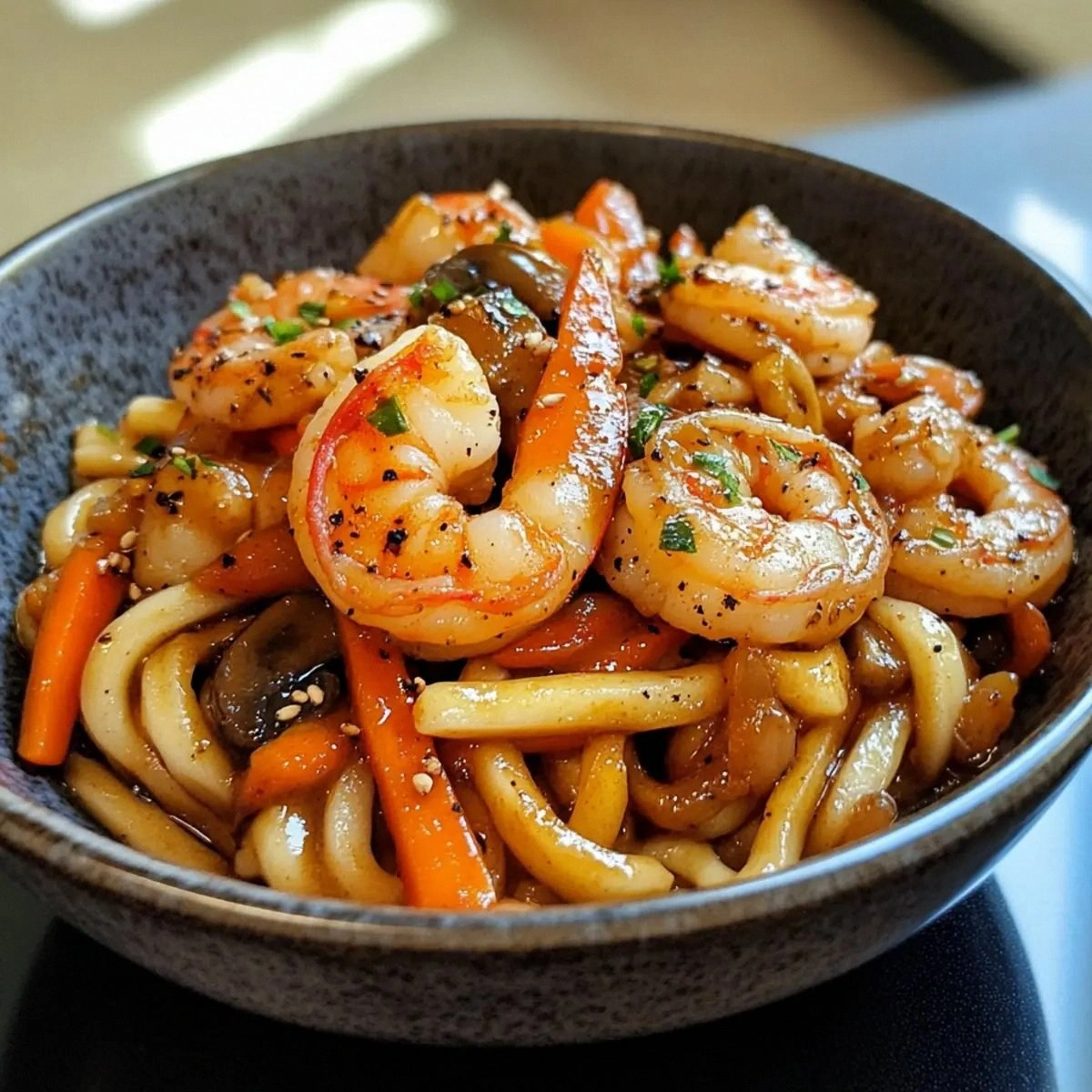
Fast forward a few frantic minutes later, and the kitchen was transformed into a fragrant wonderland. The moment the shrimp hit the sizzling oil, they turned a gorgeous pink that reminded me of sunrise over a calm sea, and the udon noodles began to soak up the glossy sauce like a sponge at a spa. I could hear the gentle hiss of the sauce as it caramelized, feel the heat radiating from the pan onto my fingertips, and taste the sweet‑savory dance of soy and oyster sauce that coated each strand like velvet. It was as if the whole room was inhaling the aroma together, and I could swear the walls were leaning in for a closer sniff.
What makes this version the ultimate game‑changer? Most Yaki Udon recipes either drown the noodles in a watery broth or overload them with too many competing flavors, leaving you with a soggy mess that feels more like a noodle soup than a stir‑fry. I’ve cracked the code by balancing the umami depth of dark soy with the bright acidity of rice vinegar, and by adding a dash of toasted sesame oil at the very end for that nutty finish that lingers on the palate. The secret weapon? A quick flash‑blanch of the udon that locks in chewiness while the sauce does the heavy lifting, creating a texture that’s both tender and satisfyingly al‑dente.
I’m about to spill every detail, from the exact moment you should toss the garlic into the pan to the precise second you drizzle the sesame oil for that final sparkle. I dare you to taste this and not go back for seconds, because once you experience this level of flavor, ordinary takeout will feel like a bland afterthought. Let me walk you through every single step — by the end, you’ll wonder how you ever made it any other way.
What Makes This Version Stand Out
- Taste: The sauce hits you with a layered umami punch that’s brightened by a whisper of rice vinegar, delivering a flavor profile that feels both comforting and exciting.
- Texture: By flash‑blanching the udon and then finishing it in the wok, each noodle retains a firm bite while still soaking up the sauce like a sponge at a spa.
- Simplicity: Fewer than ten ingredients and a 20‑minute timeline mean you won’t need a pantry raid or a marathon prep session.
- Uniqueness: The combination of dark soy and toasted sesame oil creates a depth that most quick recipes miss, giving it a restaurant‑grade finish.
- Crowd Reaction: Friends and family have called it “the best udon I’ve ever had,” and I’ve watched strangers at potlucks line up for seconds.
- Ingredient Quality: Using fresh shrimp and high‑quality mushrooms ensures each bite bursts with natural sweetness and earthiness.
- Cooking Method: The high‑heat stir‑fry locks in flavor and texture, while the quick deglaze keeps the pan from sticking.
- Make‑Ahead Potential: The sauce can be pre‑mixed and stored, letting you shave minutes off the total time on busy nights.
Alright, let's break down exactly what goes into this masterpiece...
Inside the Ingredient List
The Flavor Base
Garlic and yellow onion are the dynamic duo that form the aromatic backbone of this dish. The three cloves of garlic, minced fine, release a pungent aroma that instantly awakens the senses, while the medium yellow onion, sliced thin, adds a subtle sweetness once it softens. If you ever skip these, you’ll notice a flatness that feels like a song missing its chorus. For a twist, try swapping half the onion for a shallot to introduce a milder, more delicate flavor.
The Texture Crew
Udon noodles are the star of the show, and the 12 oz pack you choose can make or break the dish. Look for thick, fresh‑style noodles that have a slight chew; they’ll hold up better under the high heat. The 8 oz of white mushrooms bring an earthy, meaty bite, and when they hit the pan they release a buttery liquid that enhances the sauce. The medium carrot, julienned into matchsticks, adds a sweet crunch that contrasts the softness of the noodles, while the three stalks of spring onion, chopped, provide a fresh, peppery finish.
The Unexpected Star
Shrimp, at one pound, brings a briny sweetness that pairs beautifully with the umami‑rich sauces. Fresh, deveined shrimp cook in a flash, turning opaque and firm without becoming rubbery. If you’re allergic or prefer a vegetarian version, replace the shrimp with firm tofu cubes; just press them well and give them a quick sear for that same satisfying bite.
The Final Flourish
The sauce is a harmonious blend of 2 tbsp regular soy sauce, 2 tbsp oyster sauce, 1 tbsp dark soy sauce, 1 tbsp rice vinegar, 1 tbsp brown sugar, 1 tsp freshly crushed black pepper, and a final drizzle of 1 tbsp toasted sesame oil. Each component plays a role: regular soy adds saltiness, oyster sauce brings a deep marine richness, dark soy gives color and a subtle caramel note, rice vinegar cuts through the richness with acidity, brown sugar balances the salt with sweetness, and black pepper adds a gentle heat. The toasted sesame oil is the finishing touch that adds a nutty aroma you can’t ignore.
Everything's prepped? Good. Let's get into the real action...
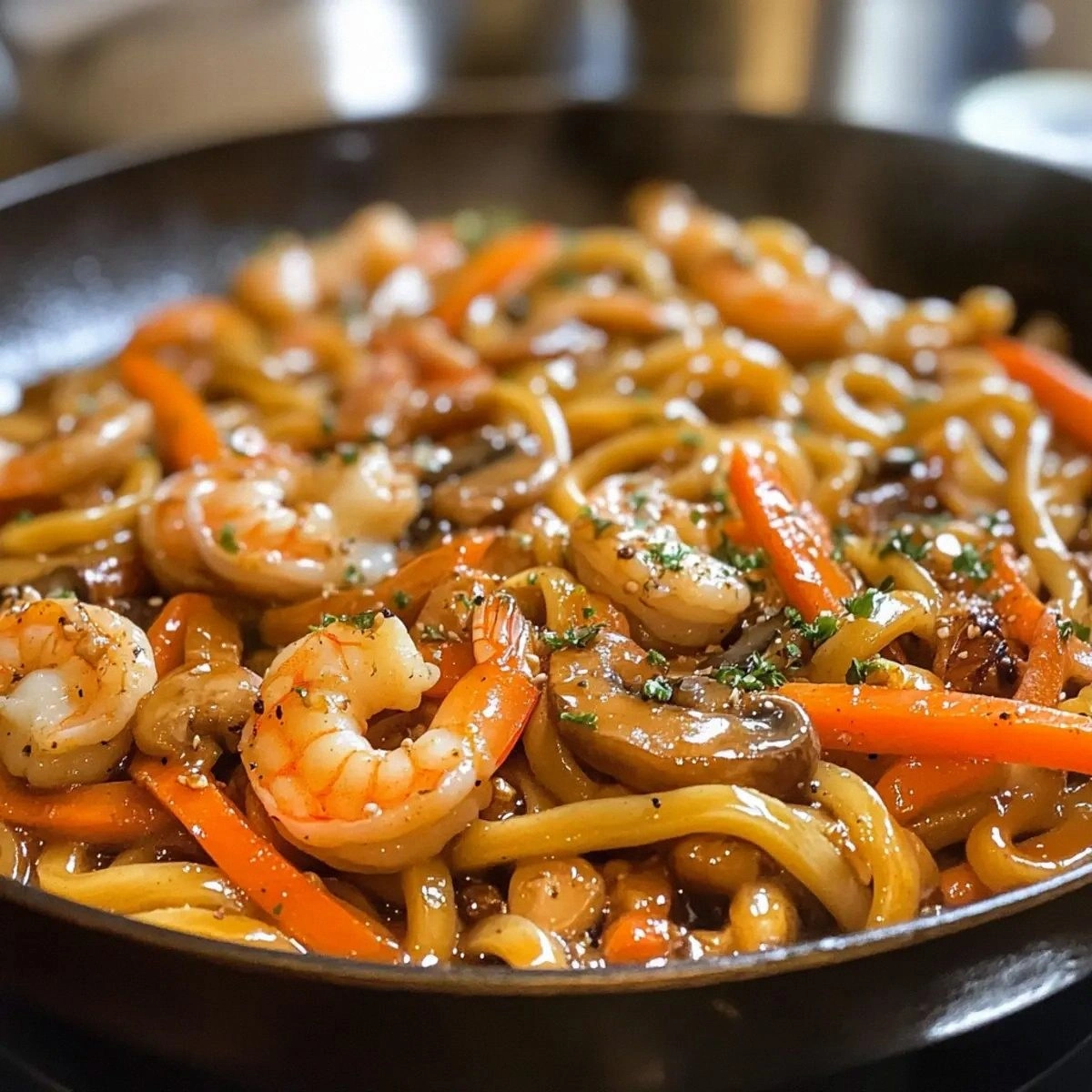
The Method — Step by Step
Start by bringing a large pot of water to a rolling boil. Once boiling, add the 12 oz of udon noodles and give them a quick stir to prevent sticking. Cook for exactly 2 minutes—just enough to loosen them but not fully soften. Drain and immediately transfer the noodles to a bowl of ice‑water; this shock stops the cooking process and locks in that perfect chew. That sizzle when it hits the pan? Absolute perfection.
While the noodles are cooling, heat 2 tbsp of neutral oil (like canola or grapeseed) in a large wok over medium‑high heat. Add the minced garlic and sliced yellow onion, stirring constantly. You’ll hear a faint pop as the aromatics hit the oil, and within 30 seconds the kitchen will be filled with a sweet, caramelizing scent. Okay, ready for the game‑changer? Once the onion becomes translucent, add the sliced mushrooms and let them release their moisture, stirring until the liquid evaporates and the mushrooms start to brown.
- Now, add the 1 lb of peeled and deveined shrimp to the wok. Spread them out in a single layer and let them sear without moving for about 45 seconds—this creates those coveted caramelized edges that shatter like thin ice when you bite into them. Flip the shrimp, letting the other side brown for another 45 seconds. The aroma at this point should be unmistakably seafood‑rich, with a hint of toasted oil.Watch Out: Shrimp cook in 2‑3 minutes; overcooking turns them rubbery, so keep a close eye and remove them as soon as they turn pink and opaque.
Time to build the sauce. In a small bowl, whisk together 2 tbsp regular soy sauce, 2 tbsp oyster sauce, 1 tbsp dark soy sauce, 1 tbsp rice vinegar, 1 tbsp brown sugar, and 1 tsp freshly crushed black pepper until the sugar dissolves. Pour the mixture over the shrimp and vegetables, stirring quickly to coat everything evenly. You’ll hear a gentle fizz as the vinegar reacts with the hot pan, and the sauce will begin to thicken, clinging to each component like a glossy veil.
Now, reintroduce the blanched udon noodles to the wok. Toss them gently, allowing the sauce to envelop each strand. Use tongs to lift and turn the noodles, ensuring every piece gets a glossy coating. The noodles should start to glisten, and you’ll notice the edges pulling away from the pan—signs that the sauce has caramelized just enough to give a slight crunch without becoming gummy.
Add the julienned carrot and the chopped spring onion (reserve a few green tops for garnish). Stir‑fry for another minute, letting the carrot retain a slight bite while the spring onion softens just enough to release its fresh, peppery flavor. This step adds color contrast—bright orange carrot against the deep amber noodles—and a textural balance that keeps every forkful interesting.
Finish with a drizzle of 1 tbsp toasted sesame oil, tossing the wok one last time to distribute the nutty perfume evenly. Taste and adjust seasoning if needed—perhaps a pinch more black pepper or a splash of soy sauce for extra depth. Serve immediately, garnished with the remaining spring onion greens and, if you like, a sprinkle of toasted sesame seeds for added crunch.
That's it — you did it. But hold on, I've got a few more tricks that'll take this to another level...
Insider Tricks for Flawless Results
The Temperature Rule Nobody Follows
High heat is the secret weapon for a true yaki udon. If your wok isn’t hot enough, the noodles will steam rather than sear, resulting in a soggy mess. I once tried cooking on medium heat, and the dish turned out limp—like overcooked pasta. The rule of thumb: the oil should shimmer, and a drop of water should sizzle and evaporate instantly. Trust the heat, and your noodles will develop that coveted slight char that makes the dish unforgettable.
Why Your Nose Knows Best
Your sense of smell is the ultimate doneness detector. When the garlic and onions turn golden, the kitchen fills with a sweet, nutty aroma—this is your cue to add the shrimp. If the sauce starts to smell overly acidic, it means you’ve let the vinegar sit too long; add a pinch of sugar to rebalance. I’ve saved countless batches by simply trusting my nose, and you will too.
The 5‑Minute Rest That Changes Everything
After you finish stir‑frying, let the dish rest off the heat for about five minutes. This pause allows the noodles to absorb any remaining sauce, and the flavors meld together like a well‑rehearsed choir. I’ve seen people rush straight to the plate and end up with uneven seasoning. A short rest guarantees every bite hits the same flavor sweet spot.
Seasoning on the Fly
Even with a perfectly balanced sauce, a final dash of flaky sea salt can elevate the dish. The salt crystals provide a burst of flavor that cuts through the richness of the oyster sauce. Sprinkle just before serving, and watch the dish sparkle under the light—both visually and on the palate.
The Quick Freeze‑Thaw Trick
If you’re cooking for a crowd and need to prep ahead, freeze the cooked udon separately from the sauce. When you’re ready to serve, thaw the noodles in hot water for 30 seconds, then toss them straight into the reheated sauce. This method preserves the noodle’s chewiness and prevents them from turning mushy.
Creative Twists and Variations
This recipe is a playground. Here are some of my favorite ways to switch things up:
Spicy Szechuan Splash
Add 1 tsp of Szechuan peppercorn oil and a pinch of dried red chili flakes when you introduce the sauce. The numbing heat pairs beautifully with the shrimp’s sweetness, creating a tongue‑tingling experience that will please spice lovers.
Miso‑Infused Umami
Swap half the regular soy sauce for white miso paste dissolved in a tablespoon of warm water. This adds a deeper, fermented richness that makes the dish taste like it’s been simmering for hours.
Vegetarian Delight
Replace the shrimp with firm tofu cubes or tempeh strips, and add a splash of vegetable broth to the sauce. The tofu absorbs the sauce just as well, and the dish remains hearty and satisfying for plant‑based eaters.
Citrus‑Zest Finish
Just before serving, grate a teaspoon of fresh yuzu or lemon zest over the top. The bright citrus note lifts the umami, giving the dish a refreshing pop that’s perfect for summer evenings.
Noodle Swap
If you’re not a fan of udon, try soba or even rice noodles. Each brings its own texture: soba adds a nutty flavor, while rice noodles offer a lighter mouthfeel. Adjust the blanching time accordingly to keep them from overcooking.
Storing and Bringing It Back to Life
Fridge Storage
Transfer any leftovers to an airtight container and refrigerate for up to three days. The noodles will absorb a bit more sauce, so when reheating, add a splash of water or extra soy sauce to loosen the mixture.
Freezer Friendly
Separate the noodles and sauce before freezing. Place the noodles in a zip‑top bag, removing as much air as possible, and the sauce in a freezer‑safe container. They’ll keep for up to two months. When ready, thaw the noodles in hot water for 30 seconds, warm the sauce on the stove, then combine.
Best Reheating Method
The stovetop reigns supreme for reheating. Heat a drizzle of neutral oil in a wok over medium heat, add the frozen or refrigerated udon, and splash in a tablespoon of water. Stir‑fry for two to three minutes until the noodles are hot and the sauce regains its sheen. This method restores the original texture without turning the noodles mushy.