Picture this: I’m standing in my cramped kitchen, the clock ticking toward dinner, and my fridge is a sad, empty void. I pull out a bag of frozen shrimp, a head of green cabbage, and a splash of soy sauce, hoping to conjure a meal that’s both quick and comforting. The moment the shrimp hits the hot pan, a sizzling sound erupts, and the air fills with a sweet, briny aroma that makes my taste buds tingle. I’ve tried countless stir‑fry recipes, but none have ever managed to marry the tender crunch of cabbage with the glossy, honey‑soaked glaze of shrimp. That was until I stumbled upon a version that turned a simple pantry lineup into a culinary triumph.
I’ll be honest — I ate half the batch before anyone else even got a taste. The shrimp were so succulent, the cabbage so crisp, and the sauce so silky that each bite felt like a secret handshake between flavor and texture. I dared myself to finish the bowl, then challenged my friends to do the same. They laughed, but when they tasted the dish, they all agreed: “I dare you to taste this and not go back for seconds.” That’s the kind of confidence that turns a recipe into a legend.
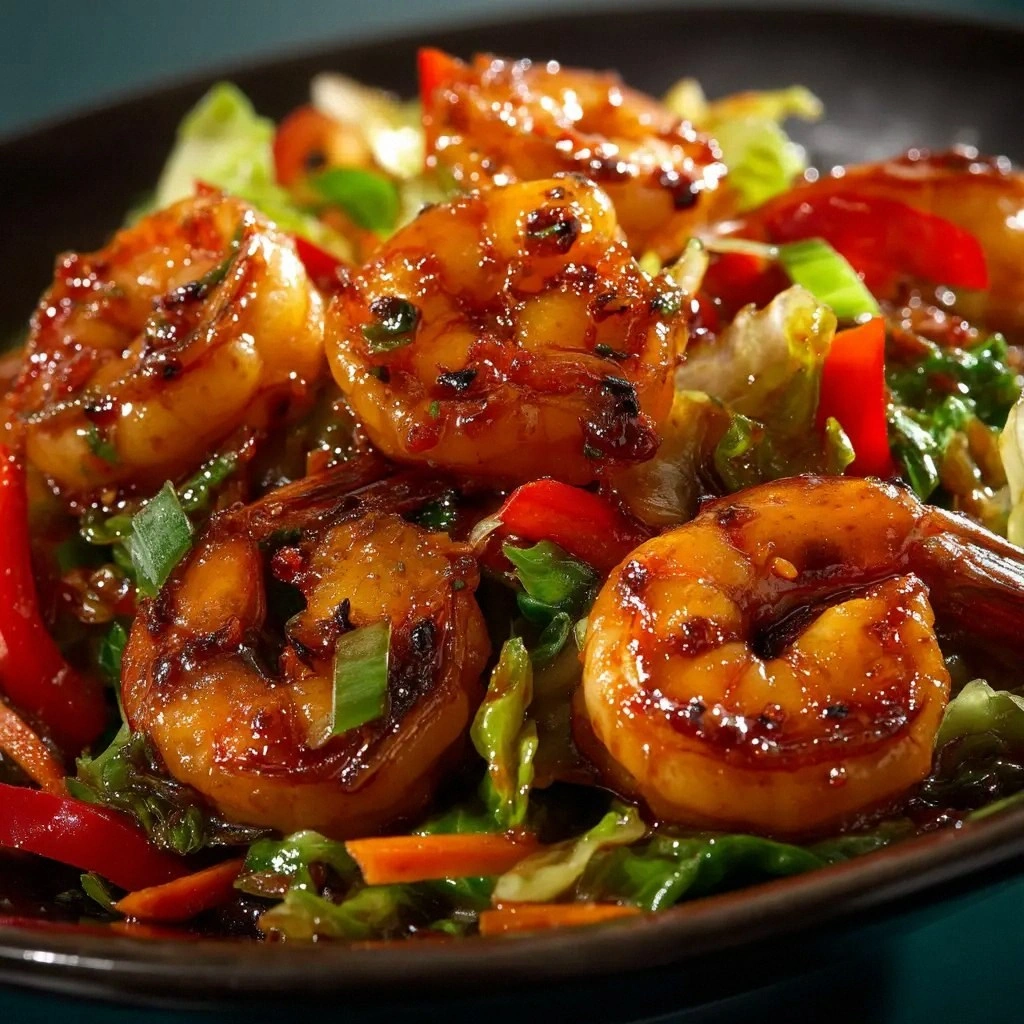
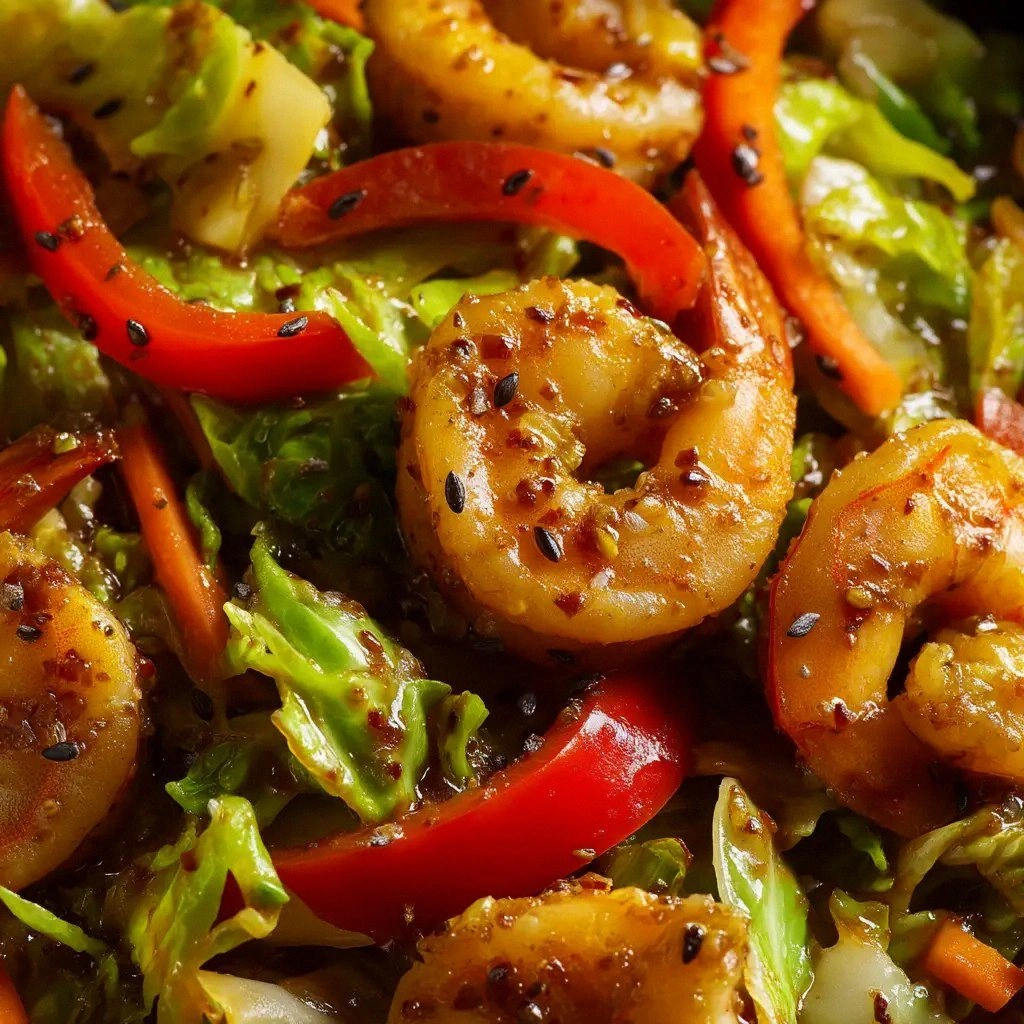
What sets this version apart is not just the combination of ingredients, but the way they’re orchestrated. The avocado oil gives a buttery base without overpowering the shrimp, while the toasted sesame oil adds a nutty finish that lingers long after the last bite. The honey isn’t just a sweetener; it caramelizes in the pan, creating a glossy coating that clings to every shrimp, turning the dish into a visual masterpiece. And the fresh ginger? It cuts through the richness, leaving a bright, almost citrusy aftertaste that keeps the palate refreshed. It’s a dish that feels like a gourmet takeout, yet it’s made in your own kitchen in under half an hour.
I’ve spent hours tweaking sauces, testing oil temperatures, and experimenting with cabbage cuts until I found the perfect balance. I discovered that the key is to let the cabbage retain a slight crunch while the shrimp sear to a golden finish. The result? A dish that’s light, protein‑packed, and bursting with umami. If you’ve ever struggled to get the right texture in a stir‑fry, you’re not alone — and I’ve got the fix. Let me walk you through every single step — by the end, you’ll wonder how you ever made it any other way.
What Makes This Version Stand Out
- Flavor Fusion: The combination of honey, soy sauce, and rice vinegar creates a sweet‑salty glaze that coats each shrimp like velvet, while the fresh ginger injects a bright, almost citrusy kick that keeps the dish from feeling heavy.
- Texture Balance: The cabbage is sliced thin enough to stay crisp yet thick enough to hold the sauce, giving you that satisfying crunch that shatters like thin ice with every bite.
- Oil Harmony: Avocado oil provides a buttery base that doesn’t compete, while toasted sesame oil adds a nutty aroma that lingers in the air, making the dish feel luxurious.
- Time Efficiency: With a prep time of just 15 minutes and a cook time of 20 minutes, this stir‑fry is perfect for weeknights when you’re craving something delicious but don’t want to spend hours in the kitchen.
- Ingredient Flexibility: You can swap the shrimp for chicken or tofu, and the cabbage for bok choy or kale, without losing the core flavor profile that makes this dish unforgettable.
- Make‑Ahead Potential: The sauce can be pre‑made and stored in the fridge for up to a week, so you can assemble the dish in minutes whenever hunger strikes.
Alright, let's break down exactly what goes into this masterpiece...
Inside the Ingredient List
The Flavor Base
The low‑sodium soy sauce, rice vinegar, and honey form the heart of the sauce. Soy sauce provides the umami backbone, while the vinegar cuts through the richness of the shrimp and oil. Honey, on the other hand, caramelizes when heated, creating that glossy finish that clings to the shrimp. If you’re watching sodium, you can replace the soy sauce with coconut aminos, though the flavor will shift slightly toward a sweeter profile.
The Texture Crew
Cabbage is the star of the texture game. Its fibrous structure gives a satisfying bite, but if you slice it too thick, it will steam rather than crisp. Aim for thin ribbons, about 1/8 inch thick, so the cabbage can toast quickly in the pan. The avocado oil gives a buttery mouthfeel without overwhelming the other flavors, while the toasted sesame oil adds a subtle nuttiness that rounds out the dish. If you’re craving extra crunch, sprinkle in some sliced almonds or crushed rice crackers just before serving.
The Unexpected Star
Fresh ginger is often overlooked in stir‑fry recipes, but it’s essential for balancing the sweetness of honey and the saltiness of soy. It also brings a bright, almost citrusy note that keeps the dish from feeling flat. Grate the ginger finely to release its oils; a coarse chop will leave a woody bite. If you can’t find fresh ginger, a teaspoon of ginger paste will do, but the flavor will be less vibrant.
The Final Flourish
Sesame seeds add a subtle nutty crunch and a pop of color. Toast them lightly in a dry pan until they’re fragrant; this enhances their flavor and prevents them from becoming soggy. Green onions finish the dish with a fresh, oniony bite that cuts through the richness. Slice them thinly so they’re almost translucent, and add them in the last minute of cooking to preserve their bright flavor.
Everything's prepped? Good. Let's get into the real action...
The Method — Step by Step
- Prep the sauce first. In a small bowl, whisk together the soy sauce, rice vinegar, honey, toasted sesame oil, minced garlic, and grated ginger. This ensures that the flavors meld before the shrimp hits the pan. Keep the mixture at room temperature; a cold sauce will chill the shrimp as it cooks. When you’re ready to stir‑fry, you’ll have a ready‑to‑use glaze that will coat the shrimp beautifully.
- Heat the pan. Place a large wok or skillet over medium‑high heat and add the avocado oil. Let it shimmer but not smoke; you’re aiming for a temperature that allows the shrimp to sear quickly without browning too fast. Once the oil is hot, add the shrimp in a single layer. The shrimp should sizzle loudly, a cue that they’re cooking properly.
- Sear the shrimp. Cook the shrimp for 2 minutes on one side, then flip. They should turn pink and opaque, but be careful not to overcook them. Overcooked shrimp become rubbery, ruining the dish’s delicate texture. While the shrimp sear, the sauce begins to thicken slightly, preparing itself for the next step.
- Introduce the cabbage. Add the sliced cabbage to the pan and stir. The cabbage should start to wilt after about 2 minutes, but it should still retain a firm bite. If the pan is too crowded, the cabbage will steam instead of fry. Keep the heat high and stir constantly to ensure even cooking.
- Pour in the sauce. Once the cabbage has softened but not lost its crunch, pour the prepared sauce over the shrimp and cabbage. Stir vigorously to coat everything evenly. The sauce will thicken and become glossy, coating the shrimp like a silky glaze. Watch for the sauce to reduce to a syrupy consistency; this typically takes 3-4 minutes.
- Finish with sesame seeds and green onions. Sprinkle the toasted sesame seeds over the mixture and stir. Then add the sliced green onions, saving the whites for a garnish later. The seeds add a nutty crunch, while the onions bring a fresh, sharp contrast to the sweet glaze. If you like a bit of heat, add a pinch of red pepper flakes at this point.
- Final taste test. Before serving, taste the dish. It should have a balanced sweet‑salty profile with a hint of acidity and a burst of ginger. If it feels too thick, whisk in a tablespoon of water. If it’s too salty, a squeeze of lime can brighten it up.
- Serve immediately. Transfer the stir‑fry to a serving bowl and garnish with the reserved green onion whites. Pair it with steamed rice, quinoa, or noodles for a complete meal. The dish is best enjoyed hot, when the sauce is still glossy and the shrimp are tender.
That's it — you did it. But hold on, I've got a few more tricks that'll take this to another level. Stick around for insider tips that will elevate your stir‑fry game.
Insider Tricks for Flawless Results
The Temperature Rule Nobody Follows
Many home cooks start cooking shrimp at medium heat, which can cause them to overcook and become rubbery. I’ve found that a high, steady heat (medium‑high) is essential for a quick sear. The shrimp should cook in about 2 minutes per side, and the high heat also helps the sauce reduce faster, giving you that glossy finish. If your stove runs hot, you can lower the heat slightly, but always keep the pan hot enough to sizzle.
Why Your Nose Knows Best
The aroma of garlic and ginger sizzling in oil is a cue that the oil is hot enough. When the smell is sharp and fragrant, you know the pan is ready for the shrimp. If the garlic starts to brown too quickly, the oil is too hot; if it barely moves, the oil is too cool. Adjust the heat accordingly, and you’ll avoid burning the aromatics.
The 5‑Minute Rest That Changes Everything
After cooking, let the stir‑fry rest for about five minutes. This allows the flavors to meld and the sauce to thicken slightly. The shrimp will continue to cook in their own heat, preventing them from drying out. When you serve, the dish will feel more cohesive, and the flavors will have time to settle.
Use a Wok for Even Heat Distribution
A wok’s wide surface area and high sides make it ideal for stir‑frying. The heat distributes evenly, and you can toss the ingredients quickly without them spilling over. If you only have a skillet, use a wide one and keep the heat high to mimic a wok’s effect.
Add a Splash of Water for Moisture
If you find the sauce drying out the shrimp, add a tablespoon of water or broth. This reintroduces moisture and keeps the shrimp tender. The trick is to add just enough to loosen the sauce without making it watery.
Creative Twists and Variations
This recipe is a playground. Here are some of my favorite ways to switch things up:
Coconut Curry Stir‑Fry
Swap the soy sauce for coconut aminos and add a tablespoon of red curry paste. Cook the shrimp in the coconut milk base and finish with fresh cilantro. The result is a creamy, mildly spicy dish that feels like an Asian fusion dinner.
Spicy Sriracha Kick
Add a tablespoon of Sriracha to the sauce for a fiery heat that balances the sweetness. Finish with a squeeze of lime and a handful of chopped peanuts for extra crunch. This version is perfect for those who like a little spice in their meals.
Bok Choy & Tofu Version
Replace the shrimp with firm tofu cubes and the cabbage with bok choy. The tofu will absorb the sauce beautifully, and the bok choy’s tender stems add a new texture. This vegetarian twist is still packed with protein and flavor.
Mediterranean Twist
Use a splash of olive oil instead of avocado oil, and finish with a sprinkle of feta cheese and chopped olives. The salty feta adds a creamy contrast to the sweet glaze, creating a Mediterranean flair.
Pineapple & Cashew Crunch
Add diced pineapple for a tropical sweetness and toss in roasted cashews at the end. The pineapple’s juiciness balances the richness, while the cashews provide a satisfying crunch. It’s a dish that feels like a beach vacation.
With these variations, you can keep the core flavor profile while exploring new culinary horizons. Whether you’re a shrimp lover or a plant‑based enthusiast, there’s a version of this stir‑fry for you.
Storing and Bringing It Back to Life
Fridge Storage
Store leftovers in an airtight container for up to 3 days. The sauce may thicken slightly as it cools, so keep it in the fridge until you’re ready to reheat. When reheating, add a splash of water or broth to loosen the sauce and restore the glossy finish.
Freezer Friendly
This dish freezes well for up to 2 months. Portion it into freezer‑safe containers or zip‑lock bags, and label with the date. When you’re ready to eat, thaw overnight in the fridge and reheat in a skillet, adding a tablespoon of water to keep the sauce moist.
Best Reheating Method
Reheat on low heat, stirring constantly, until the shrimp are warm and the sauce is heated through. Avoid high heat, which can overcook the shrimp and dry out the dish. A quick splash of water or a splash of soy sauce will help restore moisture and flavor.