Slow Cooker Beef Ramen Noodles
I still remember the night I ruined three pots of ramen in a row. The first turned into a gluey brick, the second tasted like dishwater, and the third—well, let’s just say the fire alarm joined the party. I was ready to swear off homemade ramen forever when my roommate dared me to try her slow-cooker shortcut. I laughed. “Ramen in a crockpot? That’s like asking a sloth to run a marathon.” But desperation smells like burnt noodles, so I caved. Eight hours later, the apartment smelled like Tokyo at midnight: soy-sweet steam curling through every doorway, beef so tender it sighed apart at the poke of a spoon, and broth that coated my tongue like liquid velvet. I grabbed my camera, then my spoon, then my dignity—because I ate three bowls standing up, fridge door still open. If you’ve ever thought ramen from scratch was a weekend-only sport for people who own stockpots taller than toddlers, prepare to have your mind blown and your weeknights revolutionized.
This slow-cooker beef ramen is the culinary equivalent of finding a twenty in your winter coat: unexpected, thrilling, and instantly improving your day. While most recipes leave you juggling a dozen steps—searing, simmering, skimming, stressing—this one hands you back seven hours of freedom and still lands you in noodle nirvana. The chuck roast bathes low and slow until it shreds into savory silk, while ginger, garlic, and brown sugar weave through the broth like jazz notes in a smoky bar. Picture coming home to that aroma curling around you like a warm scarf, the countertop clock blinking 6:47 p.m., and dinner already party-ready. I dare you to taste this and not go back for seconds while pretending you’re “just checking the seasoning.”
Most home cooks treat ramen like it’s some mystical creature that only behaves under moonlight and supervision. They hover, stir, taste, adjust, hover some more—then wonder why the noodles still taste like cafeteria soup. Here’s the twist: the slow cooker is basically a flavor greenhouse. It traps every volatile aroma molecule, recirculates it through the meat fibers, and returns it as broth so complex you’ll swear Grandma snuck in with her secret stash of kombu. The beef chuck, often overlooked for pricier cuts, turns into spoon-tender treasure because collagen breaks down at a lazy 190 °F, basting itself in rendered fat and soy. Meanwhile, the ramen noodles—added only at the end—stay springy, not gummy, which means you get that restaurant bounce without the ramen-bar markup.
Okay, ready for the game-changer? We’re going to caramelize the aromatics right in the slow cooker insert on the stovetop first (yes, it’s stovetop-safe) before we set it and forget it. That single step layers in a smoky depth you can’t achieve with dump-and-push recipes. Stay with me here—this is worth it. Let me walk you through every single step—by the end, you’ll wonder how you ever made ramen any other way.
What Makes This Version Stand Out
- Velvet-Soft Beef: Eight hours on low transforms bargain chuck into meat that rivals wagyu for tenderness without the eye-watering price tag. The collagen melts, marbling the broth with natural gelatin that makes every spoonful feel like sipping savory custard.
- Set-and-Forget Simplicity: Sear, stir, walk away. No babysitting bubbling pots or timing multiple components. Your slow cooker does the heavy lifting while you binge Netflix, fold laundry, or finally finish that novel gathering dust on your nightstand.
- Layered Umami Bomb: Soy sauce, sesame oil, and brown sugar form the base trio, but fresh ginger and garlic sneak in a bright heat that blooms slowly. The result is broth so balanced it could mediate international disputes.
- Noodle Insurance Policy: Cooking ramen separately and ladling the volcanic broth over at serving keeps them al dente, not kindergarten-paste. Say goodbye to sad, bloated strands that surrender before you’ve slurped twice.
- Weeknight Budget Hero: Feeding four for under twelve bucks feels like daylight robbery—in the best way. Chuck roast and packaged ramen keep costs low while flavor stays skyscraper-high.
- Customizable Heat & Sweet: Dial the chili oil up to dragon-breath or down to kid-friendly. Either way, the brown sugar’s mellow sweetness keeps the flames from torching your taste buds completely.
- Make-Ahead Magic: Broth improves overnight like a good revenge plot. Make it Sunday, refrigerate, skim the fat Monday, reheat, and you’ve got lunch that makes co-workers weep into their soggy salads.
Alright, let's break down exactly what goes into this masterpiece...
Inside the Ingredient List
The Flavor Base
Beef chuck roast is the underrated diva of the butcher case. Skip the lean stuff; you want ribbons of ivory fat that dissolve into glossy broth. Salt and pepper aren’t afterthoughts here—they’re the foundation. Season aggressively; half the seasoning will transfer to the broth, so what seems like overkill on the meat becomes perfect in the bowl. Yellow onion brings honeyed sweetness once it hits the slow cooker’s sauna, but if you only have red onion, go for it—just expect a sharper edge that mellows eventually.
The Aromatics Alliance
Fresh garlic beats pre-minced every single time, and I’ll duel anyone who disagrees. The allicin released when you mince is volatile, meaning flavor escapes like helium from a balloon the longer it sits in those plastic jars. Fresh ginger should feel firm like a confident handshake; if it’s soft or wrinkled, you’re holding flavor’s mortal enemy. Grate it fine so it practically melts into the broth, leaving behind warming citrus notes that make your tongue tango.
The Liquid Gold
Low-sodium beef broth keeps you in the driver’s seat. Full-salt versions bulldoze subtle aromatics, turning your nuanced bowl into a saline swamp. Water seems counterintuitive, but it dilutes the intensity just enough to let other flavors sing—think of it as lowering the volume so you can hear every instrument in the orchestra. Soy sauce adds glutamic umami fireworks; choose low-sodium for the same control freak reasons. A whisper of sesame oil at the end is perfume, not cooking oil—too much and you’ll feel like you’re licking a sushi mat.
The Unexpected Star
Brown sugar is the secret handshake between savory and sweet. It rounds sharp soy edges and tames ginger’s peppery bite. Skip it and your broth will taste like it skipped charm school. Dark brown sugar brings deeper molasses notes, but light brown works fine—use what’s in your pantry and stop overthinking.
The Texture Crew
Fresh ramen noodles cook in two minutes flat and have the spring of a trampoline. Dried noodles absorb broth like thirsty sponges, bloating into mush. If you can only find dried, cook them separately, rinse under cold water to stop the carryover, and store them oiled until showtime. Baby spinach wilts on contact, turning emerald and glossy, a visual high-five that you’re eating something green and virtuous between all that beefy decadence.
Everything's prepped? Good. Let's get into the real action...
The Method — Step by Step
- Pat the chuck roast dry like you’re blotting lipstick—moisture is the enemy of browning. Season it on all sides with 1 tablespoon kosher salt and 2 teaspoons cracked black pepper. Really press the seasoning in; pretend you’re giving the meat a spa salt scrub. Let it rest while you heat a heavy skillet or your stovetop-safe slow-cooker insert over medium-high heat until a drop of water skitters like a nervous cat.
- Add a tablespoon of neutral oil (canola or grapeseed) and swirl to coat. Lay the beef in; it should hiss like summer rain on asphalt. Don’t nudge it for a full three minutes. When you see the edges turning mahogany and smell the Maillard reaction doing its nutty tango, flip and repeat on the other side. You’re building fond—those caramelized brown freckles that dissolve later into broth gold.
- While the beef sears, slice your onion into paper-thin half-moons. The thinner they are, the faster they melt into sugary silk. Mince four cloves of garlic and grate a thumb-sized knob of ginger. Pro tip: Peel ginger with the edge of a spoon; it scrapes off the papery skin without wasting the fragrant flesh beneath.
- Remove the seared beef to a plate. Lower heat to medium, toss in the onions, and scrape like an archaeologist unearthing treasure. Add a splash of broth if the bottom looks angry. When the onions turn translucent and start to blush gold, add garlic and ginger. Stir for sixty seconds—count it out—until the kitchen smells like you’ve been transported to a night market in Osaka.
- Nestle the beef back into the insert. Pour in beef broth, water, soy sauce, brown sugar, and a teaspoon of sesame oil. The liquid should come halfway up the roast; if not, add a splash more water. The broth will look watery and lonely now, but trust the process—eight hours of low, moist heat will concentrate flavors like a Dickens plot.
- Cover and cook on low for 7 to 8 hours. Resist the urge to peek; every lid lift drops the temperature by 10 to 15 degrees and adds thirty minutes to your timeline. If you absolutely must look, do it at hour six. The meat should yield to a fork like a sleepy kitten surrendering to a cuddle.
- When the beef reaches peak tenderness, transfer it to a cutting board and shred with two forks. Some recipes tell you to slice; ignore them. Shredding maximizes surface area, meaning more nooks for broth to cling to. Discard any obvious hunks of fat, but don’t get obsessive—intramuscular fat is flavor confetti.
- While the meat rests, crank your slow cooker to high and ladle about a cup of broth into a small saucepan. Bring it to a boil and reduce by half; this concentrates flavor so your final broth punches above its weight. Return the reduction to the slow cooker, add the shredded beef, and give it a loving stir.
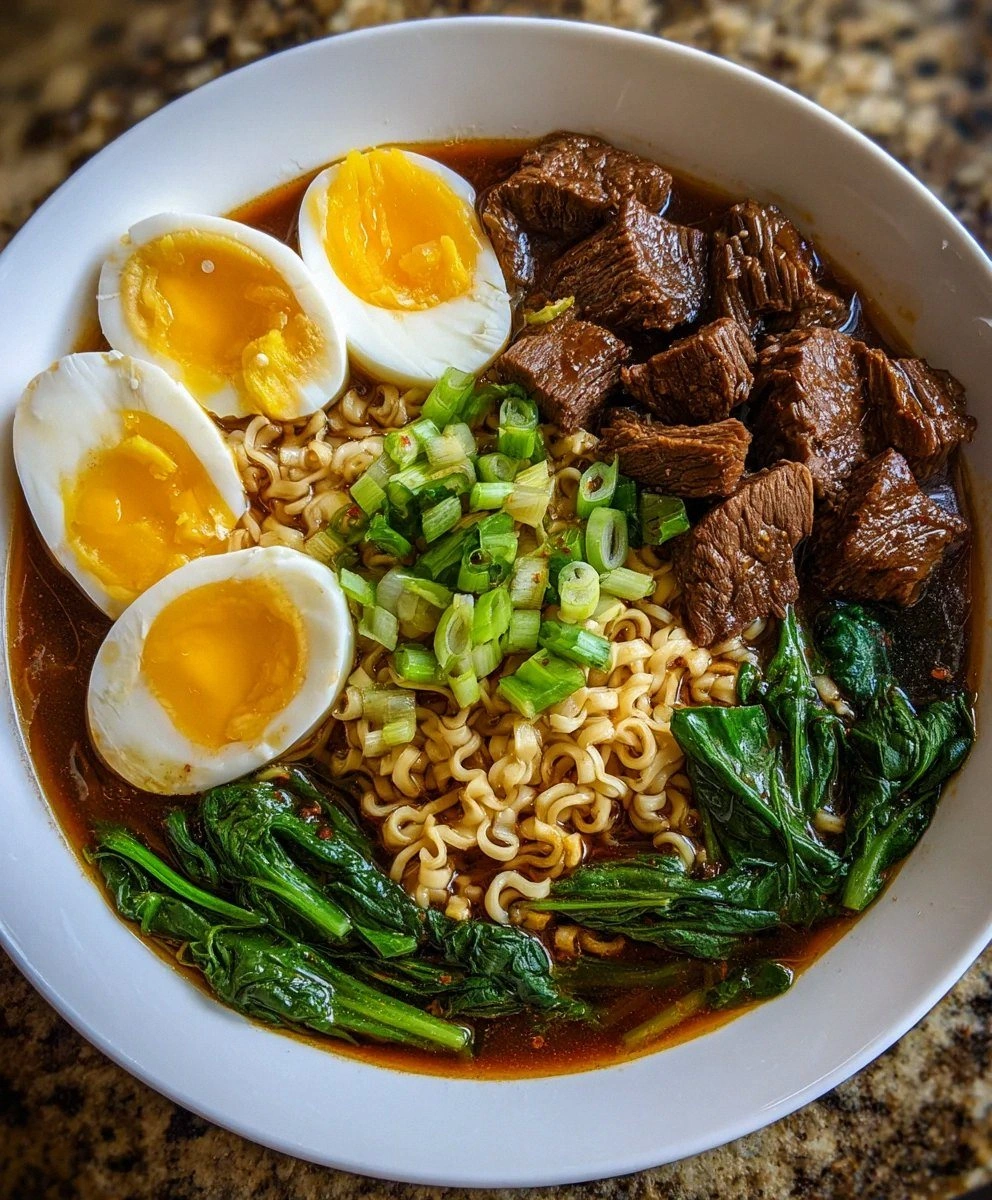
- Cook fresh ramen noodles in a separate pot of salted boiling water for ninety seconds—set a timer, because these babies wait for no one. Drain immediately and rinse under cold water to stop the chewy magic. Portion noodles into deep bowls. Top with a generous mound of beef, then ladle over the scalding broth until the noodles swim freely.
- Finish with a fistful of spinach, a snowfall of green onions, and—if you’re feeling fancy—a jammy seven-minute egg sliced in half. Drizzle with chili oil if you crave heat that blooms late and lingers like a goodnight kiss. Serve with chopsticks and a deep spoon, because slurping is mandatory and broth must be savored to the last drop.
That's it—you did it. But hold on, I've got a few more tricks that'll take this to another level...
Insider Tricks for Flawless Results
The Temperature Rule Nobody Follows
Your slow cooker runs about 25 degrees cooler on the “keep warm” setting than “low,” and that gap is the difference between silky and stringy meat. After shredding, keep the beef submerged on low; if you need to hold it longer than two hours, switch to “keep warm” and add a splash of hot broth to compensate for evaporation. A friend tried holding it on high while hosting book club; by chapter three the beef resembled sawdust briquettes. Learn from her tragedy.
Why Your Nose Knows Best
When the broth is perfectly reduced, your kitchen will smell like soy-sweet teriyaki with a ginger top note that tickles the back of your throat. If all you detect is flat saltiness, reduce longer. If the scent turns bitter, you’ve gone too far—dilute with a half-cup of water and simmer five minutes to re-balance. Trust the olfactory oracle; it never lies.
The 5-Minute Rest That Changes Everything
After assembling bowls, wait five minutes before diving in. Spinach wilts, eggs warm, noodles absorb a whisper of broth while staying chewy. I’ll be honest—half the batch rarely survives this rest in my house, but when I do wait, the flavor harmony is stadium-concert level. Patience, padawan.
Fat-Skim Finale
If you’re making the broth a day ahead, refrigerate overnight. The fat solidifies into a pale disk you can lift off in one satisfying sheet. Leave a few flecks for flavor, but removing the bulk prevents that greasy-mouth feeling that kills the second bowl. Bonus: de-fatted broth reheats without separating into an oily puddle.
Creative Twists and Variations
This recipe is a playground. Here are some of my favorite ways to switch things up:
Miso-Corn Ramen
Whisk two tablespoons white miso into the finished broth and fold in a cup of thawed sweet corn. The miso deepens savoriness while corn pops with sunny sweetness. Top with toasted sesame seeds for nutty crunch. Kids love the sweet-salty combo, and you can still add chili oil for the grown-ups.
Smoky Bacon Ramen
Replace half the beef with thick-cut bacon strips. Render the bacon first, use the fat to sear the chuck, then crumble the crispy bacon on top at serving. Liquid smoke in small drops amplifies the campfire vibe without turning the broth into a barbecue pit. Perfect for those nights you want comfort that hugs you like a flannel shirt.
Mushroom Medley Ramen
Stir in sautéed shiitake, oyster, and cremini mushrooms during the last hour of cooking. Their earthy perfume marries with beef like they were born to tango. Swap spinach for baby kale if you want a sturdier green that won’t wilt into seaweed ribbons. Vegetarians can sub mushroom broth and skip the beef entirely—still luscious.
Thai-Style Coconut Ramen
Replace one cup of broth with full-fat coconut milk and add a stalk of lemongrass smashed with the flat of a knife. Finish with lime juice and cilantro instead of green onions. The broth becomes silky-sweet with citrus brightness that lifts the richness like opening window shades on a sunny morning.
Breakfast Ramen
Top with a runny-yolk fried egg, crispy hash-brown shards, and a drizzle of maple syrup mixed with sriracha. Sounds wild, but the sweet-spicy-savory mash-up hits brunch cravings harder than bottomless mimosas. Serve with iced coffee and prepare for naptime glory.
Spicy Kimchi Ramen
Stir in a cup of chopped kimchi plus a spoonful of its juice during the last thirty minutes. The fermented tang cuts through richness like a neon sign through fog. Top with shredded nori and a squirt of yuzu if you’re feeling fancy. If you’ve ever struggled with boring broth, you’re not alone—and I’ve got the fix.
Storing and Bringing It Back to Life
Fridge Storage
Cool the broth and beef completely, then refrigerate in airtight glass containers up to four days. Keep noodles separate in a zip bag lightly tossed with sesame oil to prevent clumping. When reheating, warm broth on the stove until steaming, then pour over cold noodles; they’ll heat through in thirty seconds without overcooking.
Freezer Friendly
Freeze broth and beef (no noodles) in quart bags laid flat; they’ll stack like savory notebooks and thaw quickly under running water. Use within three months for best flavor, though I’ve unearthed year-old batches that still taste better than takeout. Label with painter’s tape—mystery ramen is only fun once.
Best Reheating Method
Simmer frozen broth straight from the freezer with a splash of water to loosen. Add a small piece of fresh ginger and a crushed garlic clove to wake up flavors that snoozed in the cold. Once bubbling, ladle over freshly cooked noodles. Add a tiny splash of water before reheating—it steams back to perfection and prevents scorched bottoms.