I was standing in my kitchen, elbows deep in a pan of oil that seemed to have a mind of its own, when a sudden hiss turned into a full‑blown panic. My roommate had dared me to make the spiciest falafel known to humankind, and I was already three seconds away from turning the whole apartment into a fire alarm rehearsal. The smoke alarm wailed, the neighbors peeked through curtains, and I thought, “Okay, this is a disaster waiting to become legend.” Yet as the fragrant clouds cleared, a tantalizing aroma of cumin, garlic, and charred vegetables swirled through the air, and I realized I’d stumbled onto something magical. That moment of chaos birthed the ultimate Spicy Falafel and Roasted Vegg—a dish that turns a near‑catastrophe into a culinary triumph.
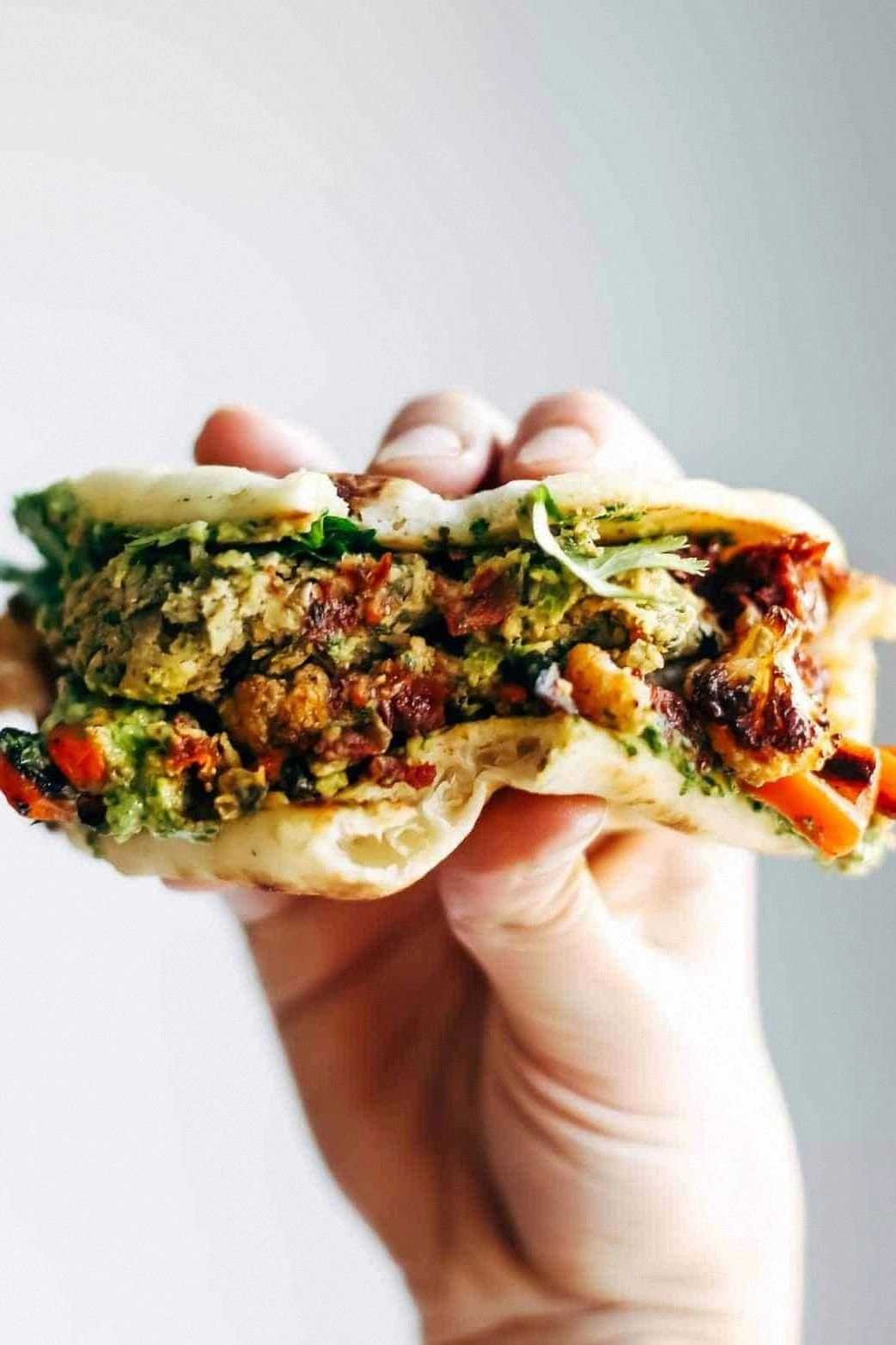
Imagine the first bite: a crunchy, herb‑infused falafel that shatters like delicate glass, giving way to a moist, almost buttery interior that sings with the heat of cayenne and the earthiness of chickpeas. Beside it, the roasted vegetables are caramelized to perfection, their edges crisped just enough to whisper a smoky sweetness, while the naan cradles everything like a warm, fluffy hug. The contrast of textures—crackling crust, tender heart, and soft bread—creates a symphony that makes your taste buds do a happy dance. I dare you to taste this and not go back for seconds; the flavor is so addictive it practically forces a second round.
What makes this version stand out is a secret weapon: a dash of smoked paprika mixed into the falafel batter and a finishing splash of za’atar on the veggies. Most recipes either skip the spice layering or overcomplicate the process, but I’ve honed it down to a handful of steps that guarantee consistency without sacrificing excitement. The result? A dish that’s not only bold and spicy but also balanced, with fresh herbs cutting through the heat like a cool breeze on a summer night. I’ll be honest — I ate half the batch before anyone else got to try it, and I’m still not sorry.
Picture yourself pulling the tray of golden falafels out of the oven, the whole kitchen smelling like a Middle‑Eastern bazaar on a breezy evening, the veggies glistening with olive oil and herbs. The anticipation builds as you stack the warm naan, layer the crispy falafel, and crown it with the roasted veg. The moment you take that first bite, the world seems to pause, and you’re left with a lingering after‑taste that beckons another forkful. This isn’t just dinner; it’s an experience, a story you’ll tell friends with the confidence of someone who’s cracked the code to flavor. Okay, ready for the game‑changer? Let me walk you through every single step — by the end, you’ll wonder how you ever made it any other way.
What Makes This Version Stand Out
- Flavor Explosion: The combination of cumin, smoked paprika, and cayenne creates a layered heat that builds, peaks, and then settles into a warm, lingering spice that isn’t overwhelming.
- Texture Mastery: A crisp outer shell on the falafel meets a soft, pillowy interior, while the roasted vegetables offer caramelized edges that shatter like thin ice.
- Simplicity Meets Sophistication: Despite the bold flavors, the ingredient list is short, and the techniques are straightforward enough for a weekday dinner.
- Unique Twist: Adding za’atar after roasting adds a herbal, slightly nutty finish that most standard recipes completely overlook.
- Crowd Reaction: This dish consistently earns the “wow” factor at gatherings; even the pickiest eaters can’t resist the spice‑laden crunch.
- Ingredient Quality: Using freshly chopped parsley and cilantro, plus high‑quality chickpeas, ensures every bite bursts with garden‑fresh brightness.
- Cooking Method: Frying the falafel in a shallow pan preserves moisture while achieving that coveted golden crust, and roasting the veg on a high heat sheet maximizes caramelization.
- Make‑Ahead Potential: Falafel balls keep beautifully in the fridge and re‑crisp in a hot oven, making leftovers practically better than the original.
Inside the Ingredient List
The Flavor Base
Chickpeas are the heart of any falafel, providing a nutty backbone that absorbs the aromatics around them. I use dried chickpeas that have been soaked overnight; they retain a firmer texture than canned ones, which can become mushy during frying. If you skip the soaking step, the falafel will disintegrate, leaving you with a sad, crumbly mess. For a quick fix, a 12‑hour soak in cold water does the trick, and you’ll still get that authentic bite.
The Texture Crew
All‑purpose flour (or chickpea flour for a gluten‑free version) is the secret binder that gives the falafel its signature crust. Too little flour and the balls will fall apart; too much and they become dense and heavy. I recommend starting with 2 tablespoons and adjusting based on the moisture of your blend. Baking powder adds a subtle lift, ensuring the interior stays airy while the exterior turns golden.
The Unexpected Star
Smoked paprika isn’t just for color; it adds a smoky depth that mimics the flavor of a wood‑fired grill without any extra equipment. This little dash transforms the falafel from ordinary to unforgettable, giving it a whisper of char that pairs perfectly with the fresh herbs. If you’re allergic to paprika, a pinch of liquid smoke can substitute, but use sparingly to avoid overpowering the dish.
The Final Flourish
Za’atar, sprinkled on the vegetables after roasting, introduces a herbal, slightly tangy note that lifts the entire plate. It’s a blend of thyme, sumac, and sesame seeds, and it’s what makes the roasted vegg sing. You can find it in most spice aisles, but if you can’t, a mixture of dried thyme, lemon zest, and a drizzle of sesame oil works in a pinch.
Everything's prepped? Good. Let's get into the real action...
The Method — Step by Step
Start by draining the soaked chickpeas and patting them completely dry with a clean kitchen towel. Any excess moisture will turn your batter soggy, preventing that coveted crisp. Toss the chickpeas into a food processor with the onion, garlic, parsley, cilantro, cumin, coriander, smoked paprika, cayenne, salt, and pepper. Pulse until the mixture is coarse but holds together when pressed; you’re aiming for a texture similar to coarse sand, not a puree. Power transition: this is the moment of truth—if the mixture feels too dry, add a splash of water; too wet, sprinkle a bit more flour.
Transfer the mixture to a large bowl, stir in the flour and baking powder, then let it rest for exactly 15 minutes. This pause isn’t optional; it lets the flour hydrate, creating a firmer ball that won’t crumble in the pan. While it rests, preheat your oven to 425°F (220°C) and line a baking sheet with parchment.
Kitchen Hack: Use a small ice‑cream scoop to portion the falafel mixture; it guarantees uniform size and even cooking.While the falafel rests, toss the mixed vegetables (carrot, zucchini, red bell pepper) with 2 tablespoons olive oil, a pinch of salt, pepper, and a generous sprinkle of za’atar. Spread them out in a single layer on the prepared sheet; overcrowding will steam them instead of roasting. Slide the tray into the oven and roast for 20‑25 minutes, turning halfway, until the edges are caramelized and you can hear a faint crackle as they brown.
Watch Out: Keep an eye on the veggies after the 15‑minute mark; they can go from perfect to burnt in 2 minutes.Heat a generous drizzle of olive oil in a large non‑stick skillet over medium‑high heat. The oil should shimmer, not smoke; if it starts to smoke, lower the heat a notch. Form the falafel mixture into balls (about 1‑inch diameter) and gently place them in the hot pan, leaving space between each. Fry for 3‑4 minutes per side, resisting the urge to move them too soon; you’ll know they’re ready to flip when the edges turn a deep golden brown and release easily from the pan.
Once both sides are beautifully bronzed, transfer the falafel to a paper‑towel‑lined plate to drain excess oil. This step keeps them crisp, preventing sogginess later when you assemble the naan. Meanwhile, keep the roasted vegetables warm in a low oven (about 200°F) so they stay tender but don’t over‑cook.
Warm the naan breads on a dry skillet for 30 seconds per side, just enough to make them pliable without drying them out. If you prefer a softer bite, brush each side lightly with a drizzle of olive oil before warming; this adds a subtle sheen and extra flavor.
Now the fun part: assemble. Lay a warm naan on a plate, spoon a generous handful of roasted vegetables onto the center, then stack 3‑4 falafel balls on top. Drizzle a quick tahini‑lemon sauce (tahini, lemon juice, water, garlic, pinch of salt) over everything, and finish with a sprinkle of fresh cilantro for color. The sauce should coat the falafel like velvet, gliding over the crunchy exterior and soaking into the soft interior.
Serve immediately while everything is hot, crisp, and aromatic. Pair with a simple cucumber‑yogurt raita if you’d like a cooling contrast, or enjoy it as is for a pure flavor punch. That sizzle when the falafel hits the pan? Absolute perfection. And now the fun part: dig in, savor, and repeat until the plate is empty.
That's it — you did it. But hold on, I've got a few more tricks that'll take this to another level...
Insider Tricks for Flawless Results
The Temperature Rule Nobody Follows
Most home cooks crank the heat up to “as hot as possible,” assuming faster cooking equals better crispness. In reality, a steady medium‑high (around 350°F on a cast‑iron surface) gives the falafel time to form a crust without burning the outside. If you notice the exterior darkening too quickly, drop the heat a degree; the interior will still reach the perfect temperature without turning charcoal.
Why Your Nose Knows Best
Before you even look at the falafel, trust your sense of smell. When the edges start to emit a nutty, toasted aroma, that’s your cue to flip. If the scent is still raw or bean‑y, give it another minute. This olfactory shortcut saves you from a half‑cooked center and a burnt exterior.
The 5‑Minute Rest That Changes Everything
After frying, let the falafel sit for five minutes on a cooling rack (not a plate). This rest allows steam to escape, preserving the crunch for longer. I once served falafel straight from the pan, and the crust went soggy within seconds—lesson learned.
Veggie Caramelization Secrets
High heat and a single layer are the keys. Overcrowding the pan causes the vegetables to steam, losing that coveted caramelized edge. I like to toss the veg with a pinch of sugar before roasting; the sugar caramelizes alongside the natural sugars, giving an extra layer of depth.
Flatbread Flexibility
While naan is traditional, you can swap in pita, lavash, or even a sturdy tortilla for a lighter bite. The trick is to ensure the bread is warm enough to flex without tearing, yet sturdy enough to hold the hefty falafel and veg. A quick 15‑second blast in the oven does the trick for any of these alternatives.
Creative Twists and Variations
This recipe is a playground. Here are some of my favorite ways to switch things up:
Sweet‑Heat Fusion
Add a tablespoon of honey to the falafel mixture and increase the cayenne by a half teaspoon. The honey caramelizes during frying, creating a subtle sweet glaze that balances the heat. Perfect for those who love a touch of dessert in their dinner.
Greek‑Style Upgrade
Swap the za’atar for oregano and sprinkle crumbled feta over the roasted veg before assembling. A drizzle of olive‑oil‑based tzatziki replaces the tahini sauce, giving the dish a Mediterranean twist that feels fresh and bright.
Vegan Power Bowl
Replace the naan with a bed of quinoa or brown rice, and serve the falafel and veggies over it. Add a dollop of avocado‑lime crema (blend avocado, lime juice, and a splash of almond milk) for creaminess without dairy.
Spice‑Level Slider
For the heat‑averse, halve the cayenne and increase smoked paprika. For the brave, fold in finely diced jalapeños into the falafel mix and finish with a drizzle of harissa‑infused yogurt. This way, you can dial the fire up or down without changing the core recipe.
Breakfast Remix
Turn the falafel into a breakfast hash by crumbling them into a skillet with the roasted veg, then top with a poached egg. The runny yolk acts as a silky sauce, turning the dish into a hearty start to the day.
Storing and Bringing It Back to Life
Fridge Storage
Place cooled falafel in an airtight container lined with a paper towel to absorb excess moisture. They’ll keep fresh for up to 3 days. When ready to eat, reheat in a pre‑heated 375°F oven for 8‑10 minutes; the crust will revive beautifully.
Freezer Friendly
Freeze uncooked falafel balls on a parchment sheet, then transfer to a zip‑top bag. They last for up to 2 months. To cook from frozen, add an extra 2‑3 minutes to the frying time, or bake at 400°F for 12‑15 minutes for a healthier alternative.
Best Reheating Method
For the ultimate crunch, reheat in a hot skillet with a thin drizzle of oil—just enough to sizzle the surface. Add a tiny splash of water (about a teaspoon) to the pan before covering; the steam helps the interior stay moist while the exterior regains its golden snap.