I was in the middle of a Sunday night kitchen experiment when the alarm went off—my stove had caught fire. The smoke curled up like a mischievous dragon, and my kitchen smelled of burnt onions and burnt hopes. I stared at the charred pan, realizing that culinary disasters can be the best teachers if you’re willing to learn. That night, I vowed to create a dish that would not only taste like a triumph but also make the whole house smell like a celebration. I dare you to taste this and not go back for seconds.
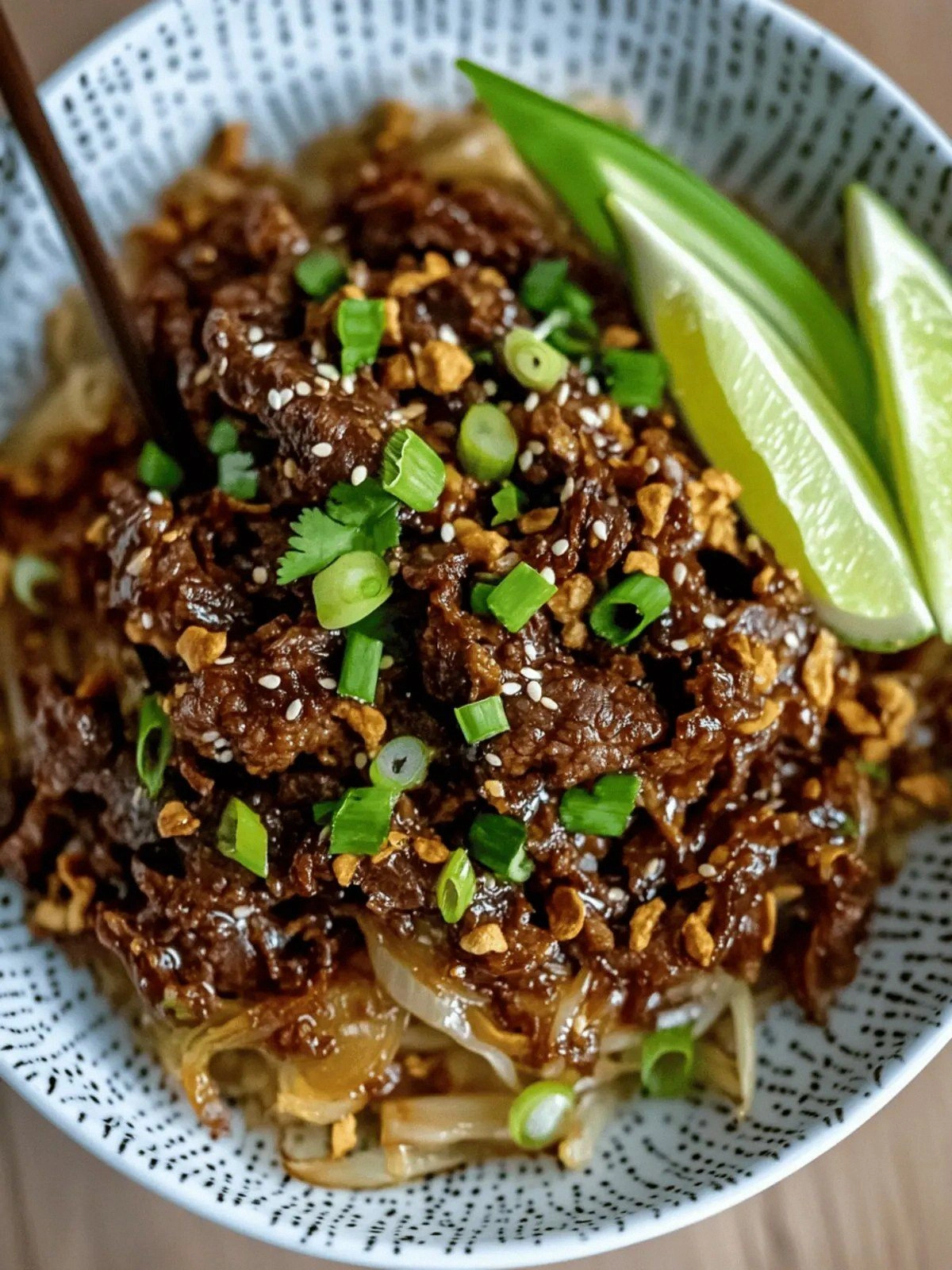
The next day, I set out to build a recipe that would turn any ordinary evening into a flavorful adventure. I imagined the noodles glistening with a glossy, sweet sauce that clings to each strand like velvet, while the beef offers a juicy, umami-packed bite. The aroma of toasted sesame oil, dark soy, and hoisin sauce would fill the air, making even the most skeptical foodie swoon. I wanted the dish to be simple enough for a busy weeknight yet sophisticated enough to impress dinner guests. This version stands out because it balances sweetness, saltiness, and a subtle tang that will have everyone reaching for more.
Picture yourself pulling this out of the pan, the whole kitchen smelling incredible, and the steam rising like a fragrant cloud. The noodles will be tender but firm, the beef will be browned to a caramelized perfection, and the cabbage will add a satisfying crunch that contrasts the silky sauce. The roasted peanuts will give a delightful snap, and a squeeze of lime will lift the flavors to a fresh, zesty finish. Most recipes get this completely wrong, either overcooking the noodles or under-seasoning the sauce. Here’s what actually works: the right balance of sweet and savory, the quick stir-fry technique, and a dash of lime to finish.
I’ll be honest—when I first made this dish, I ate half the batch before anyone else got to try it. The moment the sauce hit the noodles, the sizzle in the pan was absolute perfection. The noodles were coated in a glossy glaze that seemed to shimmer in the kitchen light. I could almost taste the caramelized edges of the beef melting in my mouth. This is hands down the best version you'll ever make at home.
Let me walk you through every single step—by the end, you'll wonder how you ever made it any other way. From selecting the freshest beef to mastering the perfect stir-fry heat, I’ll share all the little secrets that elevate this dish from good to unforgettable. I’ll also throw in a few micro-challenges, like adding a surprise ingredient that will blow your mind. And if you’re wondering why this recipe feels like a secret family heirloom, that’s because it’s been refined over countless trials and triumphs. Ready to dive in? The adventure starts now.
What Makes This Version Stand Out
- Flavor: The sauce is a harmonious blend of hoisin, soy, and a hint of rice wine vinegar that creates a sweet-salty balance that coats each noodle. The beef is marinated briefly to lock in juices, resulting in a succulent bite. The sesame oil adds a nutty aroma that elevates the entire dish. This combination is unlike any other stir-fry you’ve tried.
- Texture: Rice noodles are pre-soaked to achieve the perfect al dente bite, while the cabbage remains crisp enough to give a satisfying crunch. The roasted peanuts add a delightful snap that contrasts the silky sauce. The sauce’s viscosity ensures every noodle is coated without becoming soggy. The result is a textural symphony that keeps you coming back.
- Simplicity: Only 13 ingredients, all of which you probably already have in your pantry or fridge. The cooking time is under 45 minutes, making it ideal for busy weeknights. No complicated techniques—just a quick stir-fry that delivers professional results. This recipe proves that great meals can be both simple and spectacular.
- Uniqueness: The addition of lime wedges at the end provides a bright, citrusy lift that isn’t common in traditional hoisin beef dishes. The use of wombok cabbage instead of regular cabbage adds a subtle sweetness and tender texture. These tweaks give the dish a distinctive flavor profile that sets it apart.
- Crowd Reaction: Friends who have tried this recipe say it’s “the best instant noodles they’ve ever had.” The combination of sweet, salty, and tangy flavors is a crowd-pleaser. Many have requested the recipe after tasting it at a potluck. The dish’s vibrant color and aroma make it a showstopper at gatherings.
- Ingredient Quality: Using fresh minced garlic and high-quality hoisin sauce makes a noticeable difference. The beef should be lean but with enough marbling for flavor. The rice noodles should be fresh or properly stored to avoid staleness. These small choices elevate the entire dish.
- Cooking Method: A high-heat stir-fry locks in juices and caramelizes the beef quickly. The sauce is added at the right moment to thicken without burning. The quick sauté of vegetables preserves their crunch. This method ensures each component retains its best qualities.
- Make‑Ahead Potential: The sauce can be prepped in advance and stored in the fridge for up to three days. The noodles can be pre-soaked and refrigerated until use. The beef can be marinated overnight to deepen flavor. This flexibility makes the dish perfect for meal prep.
Alright, let's break down exactly what goes into this masterpiece. The next section will walk you through every ingredient and why it matters.
Inside the Ingredient List
The Flavor Base
Hoisin sauce is the star of this dish, providing a sweet, slightly spicy, and savory backbone that coats the noodles like a glossy glaze. Dark soy sauce adds depth and a rich umami note, balancing the sweetness of hoisin. Tamari or all-purpose soy sauce offers a subtle saltiness that rounds out the flavor profile. Together, these sauces create a complex, layered taste that’s both comforting and exciting.
The Texture Crew
Rice noodles bring a light, chewy texture that contrasts beautifully with the crispness of wombok cabbage. The cabbage adds a satisfying crunch that keeps the dish from feeling too soft. Roasted peanuts introduce a delightful snap and a nutty undertone that enhances the overall mouthfeel. These textures work together to create a dish that’s engaging to eat.
The Unexpected Star
Lime wedges are the secret weapon that elevates the dish from great to unforgettable. A squeeze of lime adds a bright, citrusy lift that cuts through the richness of the sauce. The acidity also brightens the flavors of the garlic, soy, and hoisin, making each bite feel fresh and vibrant. This small addition is a game-changer that many overlook.
The Final Flourish
Spring onions and carrots add color, crunch, and a subtle sweetness that balances the savory sauce. The minced garlic infuses the dish with a fragrant, aromatic base that’s essential for depth. Sesame oil brings a nutty aroma and a silky finish that ties everything together. Together, these ingredients create a harmonious blend that feels both comforting and adventurous.
Everything's prepped? Good. Let's get into the real action.
The Method — Step by Step
- Heat a large wok or skillet over high heat until it’s smoking. Add a splash of sesame oil and let it swirl around the pan. The oil should shimmer, indicating the right temperature. This step is critical for searing the beef quickly.
- Add the minced beef to the pan, breaking it up with a spatula. Let it brown for 3-4 minutes without stirring too often. The edges should develop a caramelized crust that locks in juices. This is the moment of truth for the beef’s flavor.
- Stir in the minced garlic, letting it sizzle for 30 seconds until fragrant. Avoid burning it; a quick burst of aroma is all you need. The garlic should release its essential oils and mingle with the beef.
- Pour in the dark soy sauce, tamari, and rice wine vinegar. Stir quickly to coat the beef evenly. The sauces should mingle, creating a glossy sheen. This mixture builds the base of the sauce.
- Add the hoisin sauce and brown sugar. Stir until the mixture thickens slightly and coats the meat. The sauce should have a velvety texture that clings to the beef. This step transforms the dish into a savory-sweet masterpiece.
- Introduce the pre-soaked rice noodles, tossing them gently to coat them with the sauce. Ensure each strand is evenly coated without clumping. The noodles should absorb the sauce and become silky. This step is where everything comes together.
- Add the sliced carrot, chopped wombok cabbage, and sliced spring onions. Stir-fry for 2-3 minutes until the vegetables are tender but still crisp. The vegetables should retain a bright color and a fresh crunch. This adds a fresh contrast to the rich sauce.
- Finish with a drizzle of sesame oil and a sprinkle of crushed roasted peanuts. Toss everything together one last time. The peanuts should add a satisfying crunch and nutty flavor. Serve immediately with lime wedges on the side.
That’s it — you did it. But hold on, I've got a few more tricks that'll take this to another level. The next section will reveal insider tips that will make your dish even more impressive.
Insider Tricks for Flawless Results
The Temperature Rule Nobody Follows
Cooking at the right temperature is the cornerstone of a perfect stir-fry. The pan must be hot enough to sear the beef instantly, but not so hot that the sauce burns. Use a drop of water; if it sizzles and evaporates immediately, the heat is just right. This simple test saves you from a burnt, flavorless mess.
Why Your Nose Knows Best
Smell is the most reliable indicator that the sauce has thickened to the right consistency. As soon as the sauce starts to cling to the back of a spoon, it’s ready. A clear, fragrant aroma signals that the sugars have caramelized without burning. Trust your nose; it will guide you to the perfect finish.
The 5-Minute Rest That Changes Everything
After you finish cooking, let the dish rest for five minutes before serving. This allows the flavors to meld and the noodles to absorb the sauce fully. The rest period also lets the heat distribute evenly, preventing hot spots. A short pause can make a noticeable difference in taste.
The Quick Toss Technique
When tossing the noodles, use a pair of tongs or a spatula to lift and fold. This keeps the noodles from breaking and ensures even coating. The quick toss also prevents the sauce from drying out. Mastering this technique will elevate your stir-fry game.
The Secret Ingredient Swap
If you’re looking for a healthier version, substitute the rice noodles with whole wheat or soba noodles. The texture changes slightly, but the sauce still clings beautifully. This swap keeps the dish delicious while adding a nutritional boost.
Creative Twists and Variations
This recipe is a playground. Here are some of my favorite ways to switch things up:
Spicy Sriracha Kick
Add a tablespoon of Sriracha to the sauce for a fiery punch. The heat will balance the sweetness of hoisin and the richness of the beef. This version is perfect for those who love a bit of heat. Serve with extra lime wedges for a cooling contrast.
Coconut Milk Creaminess
Replace half of the rice wine vinegar with coconut milk for a creamy, tropical twist. The coconut will mellow the sauce’s tang while adding a silky texture. This variation pairs wonderfully with extra peanuts for crunch. It’s a great way to bring a beach vibe to your dinner.
Chicken or Pork Alternative
Swap the beef for diced chicken or pork tenderloin. The cooking time will be slightly shorter, so keep an eye on the pan. The sauce works just as well, giving you a different protein profile. This option is great for family members who prefer poultry.
Vegan Version
Use tempeh or tofu instead of beef and replace the soy sauce with tamari. Add a splash of maple syrup for extra sweetness. This version maintains the same flavor profile while staying plant-based. It’s a satisfying, cruelty-free option.
Szechuan Pepper Twist
Stir in a teaspoon of Szechuan peppercorn powder for a numbing, citrusy flavor. The peppercorn will complement the sweet and savory elements. This twist adds depth and intrigue. Ideal for those who love complex, layered flavors.
Storing and Bringing It Back to Life
Fridge Storage
Cool the dish to room temperature before refrigerating. Store it in an airtight container for up to three days. The sauce will thicken slightly, but the noodles will stay tender if reheated properly. This method preserves the flavors and textures well.
Freezer Friendly
Wrap the dish tightly in plastic wrap and then place it in a freezer bag. Freeze for up to two months. When ready to eat, thaw overnight in the fridge. Reheat in a skillet with a splash of water to rehydrate the noodles. This keeps the dish convenient for busy days.
Best Reheating Method
Add a tiny splash of water or broth to the pan before reheating. This steam will restore the sauce’s silky texture. Heat over medium heat, stirring until warmed through. Serve immediately with fresh lime wedges for that bright finish. The dish tastes almost as fresh as when it was first made.