
Thai Drunken Noodle Stir Fry
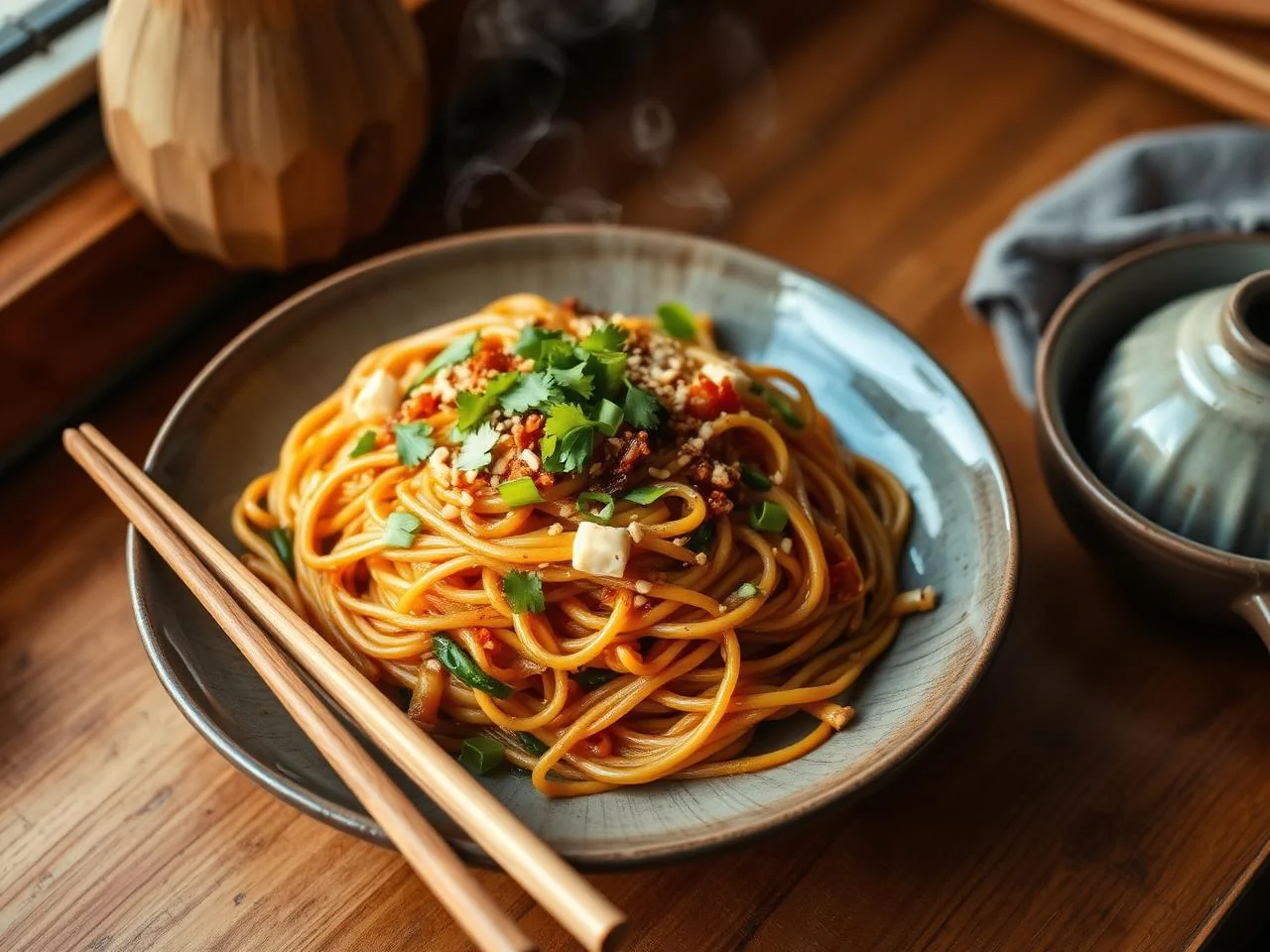
There's something special about a steaming hot plate of Thai Drunken Noodle Stir Fry, with its perfectly cooked noodles, tender chicken, and crunchy vegetables all swathed in a rich, spicy sauce. As a home cook with a passion for Asian cuisine, I've spent years perfecting my recipe for this beloved dish, and I'm excited to share it with you today.
One of the things I love about Thai Drunken Noodle Stir Fry is its versatility - it's a great way to use up any leftover vegetables you have on hand, and you can easily customize the spice level to suit your taste. Plus, it's a quick and easy meal to prepare, making it perfect for busy weeknights or casual gatherings with friends.
So what sets my recipe apart from others you may have tried? For starters, I use a combination of soy sauce, oyster sauce, and fish sauce to give the dish a deep, umami flavor. I also add a splash of rice vinegar to balance out the richness of the sauce, and a sprinkle of toasted peanuts for added crunch.
Whether you're a seasoned cook or just starting out, I'm confident that you'll love this recipe for Thai Drunken Noodle Stir Fry. It's a true crowd-pleaser, and it's sure to become a staple in your kitchen for years to come.
In this recipe, we'll be using a variety of ingredients, including chicken breast, rice noodles, and a range of colorful vegetables. We'll also be employing some key cooking techniques, such as stir-frying and velveting, to ensure that our dish turns out tender, flavorful, and visually appealing.
Why You’ll Love This Recipe
- This recipe is easy to make and can be prepared in under 30 minutes
- It's a great way to use up any leftover vegetables you have on hand
- The dish is highly customizable, so you can adjust the spice level and ingredients to suit your taste
- It's a crowd-pleaser, making it perfect for casual gatherings with friends or family
- The recipe is relatively inexpensive, making it a great option for a weeknight dinner
- It's a healthy and nutritious meal option, with a balance of protein, vegetables, and whole grains
Why This Recipe Works
The key to a great Thai Drunken Noodle Stir Fry is in the balance of flavors and textures. By combining the richness of the sauce with the crunch of the vegetables and the tenderness of the chicken, we create a dish that's both satisfying and exciting to eat.
One of the most important techniques in this recipe is stir-frying, which involves quickly cooking the ingredients in a hot wok or skillet to preserve their texture and flavor. This is especially important for the vegetables, which can quickly become overcooked and mushy if they're not stir-fried properly.
Another key element is the sauce, which is made by combining a range of ingredients including soy sauce, oyster sauce, and fish sauce. By using a combination of these ingredients, we can create a sauce that's both savory and slightly sweet, with a deep, umami flavor that enhances the overall dish.
Finally, the use of toasted peanuts and scallions as garnishes adds a nice textural element to the dish, and helps to balance out the flavors. By sprinkling these ingredients on top of the noodles and sauce, we create a dish that's both visually appealing and delicious to eat.
Ingredients You’ll Need
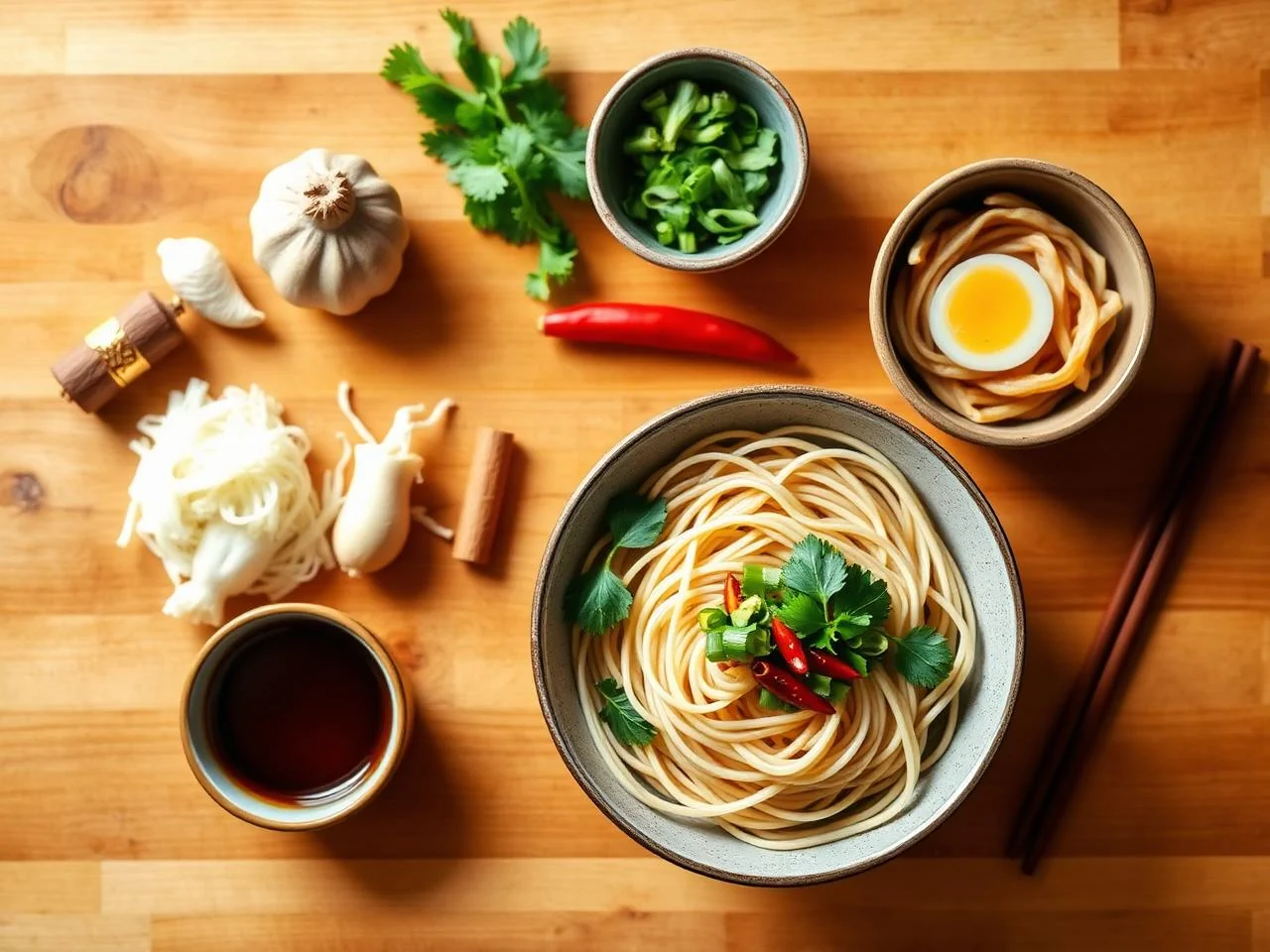
To make this recipe, you'll need a range of ingredients including chicken breast, rice noodles, and a variety of colorful vegetables. You'll also need some key pantry staples, such as soy sauce, oyster sauce, and fish sauce, which will help to give the dish its signature flavor.
When shopping for ingredients, be sure to choose fresh and high-quality items, such as crisp vegetables and tender chicken breast. You can also customize the recipe to suit your taste, by adding or substituting different ingredients as desired.
- 1 lb (450g) chicken breast, boneless and cut into bite-sized piecesI prefer to use chicken breast for this recipe, as it's tender and lean. However, you can also use chicken thighs if you prefer.
- 1 cup (200g) rice noodlesRice noodles are a key ingredient in this recipe, and can be found in most Asian grocery stores or online.
- 2 cups (250g) mixed vegetables, such as bell peppers, carrots, and snap peasI like to use a variety of colorful vegetables in this recipe, as they add texture and flavor to the dish. Feel free to customize the vegetables to suit your taste.
- 2 tbsp (30g) vegetable oilVegetable oil is a good choice for stir-frying, as it has a high smoke point and can handle high heat.
- 2 cloves garlic, mincedGarlic is a key ingredient in many Asian dishes, and adds a depth of flavor to the sauce.
- 1 tsp (5g) grated fresh gingerFresh ginger is a key ingredient in this recipe, and adds a warm, spicy flavor to the sauce.
- 2 tbsp (30g) soy sauceSoy sauce is a key ingredient in many Asian dishes, and adds a savory, umami flavor to the sauce.
- 1 tbsp (15g) oyster sauceOyster sauce is a key ingredient in this recipe, and adds a rich, savory flavor to the sauce.
- 1 tbsp (15g) fish sauceFish sauce is a key ingredient in many Asian dishes, and adds a salty, umami flavor to the sauce.
- 1 tsp (5g) sugarA small amount of sugar helps to balance out the flavors in the sauce.
- 1/4 tsp (1.25g) red pepper flakesRed pepper flakes add a spicy kick to the sauce, but can be adjusted to suit your taste.
- 1/4 cup (30g) chopped scallions, for garnishScallions add a nice textural element to the dish, and help to balance out the flavors.
- 1/4 cup (30g) toasted peanuts, for garnishToasted peanuts add a nice crunch to the dish, and help to balance out the flavors.
- Salt and pepper to tasteA small amount of salt and pepper helps to bring out the flavors in the dish.
Equipment You’ll Need
How to Make Thai Drunken Noodle Stir Fry
- 1Start by cooking the rice noodles according to the package instructions. Typically, this involves soaking them in hot water for 3-5 minutes, or until they're tender and slightly flexible.
- 2While the noodles are cooking, heat 1 tablespoon of vegetable oil in a large skillet or wok over medium-high heat. Once the oil is hot, add the chicken breast and cook until it's browned and cooked through, about 5-7 minutes.
- 3Remove the chicken from the skillet and set it aside on a plate. Add the remaining 1 tablespoon of vegetable oil to the skillet, and then add the mixed vegetables. Cook the vegetables until they're tender-crisp, about 3-5 minutes.
- 4Add the minced garlic and grated ginger to the skillet, and cook for 1 minute, stirring constantly. This will help to bring out the flavors of the garlic and ginger.
- 5In a small bowl, whisk together the soy sauce, oyster sauce, fish sauce, sugar, and red pepper flakes. Pour the sauce into the skillet, and stir to combine with the vegetables and garlic.
- 6Add the cooked noodles to the skillet, and stir to combine with the sauce and vegetables. Cook for 1-2 minutes, or until the noodles are well coated with the sauce.
- 7Return the chicken to the skillet, and stir to combine with the noodles and sauce. Cook for an additional 1-2 minutes, or until the chicken is heated through.
- 8Taste the dish and adjust the seasoning as needed. You can add more soy sauce, sugar, or red pepper flakes to taste.
- 9Transfer the dish to a serving platter, and garnish with chopped scallions and toasted peanuts. Serve immediately, and enjoy!
- 10To ensure that the dish is cooked to a safe internal temperature, use an instant-read thermometer to check the chicken. The internal temperature should be at least 165 F.
- 11Let the dish rest for 2-3 minutes before serving, to allow the flavors to meld together and the noodles to absorb the sauce.
- 12To add some extra flavor to the dish, you can sprinkle some toasted sesame seeds or chopped cilantro on top of the noodles and sauce.
- 13Finally, be sure to serve the dish with a variety of sides, such as steamed vegetables or a fresh salad. This will help to round out the meal and provide a balanced mix of flavors and textures.
Expert Tips
- To ensure that the noodles are cooked properly, be sure to follow the package instructions and cook them until they're tender and slightly flexible.
- If you're using a wok to cook the dish, be sure to stir the ingredients constantly to prevent them from burning or sticking to the pan.
- To add some extra flavor to the dish, you can add some aromatics such as onions or shallots to the skillet before cooking the chicken and vegetables.
- Be sure to taste the dish regularly and adjust the seasoning as needed. This will help to ensure that the flavors are balanced and the dish is delicious.
- To make the dish more substantial, you can add some protein such as cooked shrimp or tofu to the skillet along with the chicken and vegetables.
- Finally, be sure to serve the dish immediately, as the noodles and sauce can become sticky and unappetizing if they're left to sit for too long.
Common Mistakes to Avoid
- One common mistake when making this dish is to overcook the noodles, which can make them sticky and unappetizing. To avoid this, be sure to follow the package instructions and cook the noodles until they're tender and slightly flexible.
- Another common mistake is to not stir the ingredients constantly when cooking them in the skillet. This can cause the ingredients to burn or stick to the pan, which can ruin the dish.
- A third common mistake is to not taste the dish regularly and adjust the seasoning as needed. This can result in a dish that's unbalanced or bland, which can be disappointing.
- Finally, be sure to not overcrowd the skillet when cooking the ingredients. This can cause the ingredients to steam instead of sear, which can result in a dish that's unappetizing and lacking in flavor.
Variations and Substitutions
- To make the dish more substantial, you can add some protein such as cooked shrimp or tofu to the skillet along with the chicken and vegetables.
- To add some extra flavor to the dish, you can add some aromatics such as onions or shallots to the skillet before cooking the chicken and vegetables.
- To make the dish spicier, you can add more red pepper flakes to the sauce or use hotter peppers such as habaneros or ghost peppers.
- To make the dish less spicy, you can reduce the amount of red pepper flakes or omit them altogether.
- Finally, be sure to experiment with different types of noodles and vegetables to find the combination that you enjoy the most.
What to Serve With Thai Drunken Noodle Stir Fry
This dish is best served immediately, as the noodles and sauce can become sticky and unappetizing if they're left to sit for too long. To serve, simply transfer the dish to a serving platter and garnish with chopped scallions and toasted peanuts.
You can also serve the dish with a variety of sides, such as steamed vegetables or a fresh salad. This will help to round out the meal and provide a balanced mix of flavors and textures.
Make-Ahead, Storage, Freezing and Reheating
This dish can be stored in the refrigerator for up to 3 days or frozen for up to 2 months. To store, simply transfer the dish to an airtight container and refrigerate or freeze.
To reheat, simply microwave the dish on high for 1-2 minutes or until it's heated through. You can also reheat the dish on the stovetop over low heat, stirring constantly to prevent the noodles from sticking to the pan.
It's also a good idea to label the container with the date and contents, so you can easily keep track of how long it's been stored.
Finally, be sure to check the dish for any signs of spoilage before reheating and serving. If the dish has an off smell or appearance, it's best to err on the side of caution and discard it.
Frequently Asked Questions
What type of noodles should I use for this recipe?
For this recipe, you can use either rice noodles or egg noodles. Rice noodles are a good choice because they're light and delicate, and they pair well with the flavors in the sauce. Egg noodles are also a good option, as they're slightly more substantial and can hold up well to the sauce.
Can I use different types of protein in this recipe?
Yes, you can use different types of protein in this recipe. Some good options include cooked shrimp, tofu, or pork. Simply substitute the protein of your choice for the chicken breast, and adjust the cooking time as needed.
How spicy is this recipe?
This recipe has a moderate level of heat, thanks to the red pepper flakes in the sauce. If you prefer a milder dish, you can reduce the amount of red pepper flakes or omit them altogether. If you prefer a spicier dish, you can add more red pepper flakes or use hotter peppers such as habaneros or ghost peppers.
Can I make this recipe ahead of time?
Yes, you can make this recipe ahead of time. Simply cook the noodles and sauce, and then store them in separate containers in the refrigerator. When you're ready to serve, simply combine the noodles and sauce and reheat them in the microwave or on the stovetop.
How do I prevent the noodles from becoming sticky or unappetizing?
To prevent the noodles from becoming sticky or unappetizing, be sure to cook them until they're tender and slightly flexible. You can also add a small amount of oil to the noodles after cooking to help prevent them from sticking together.
Can I freeze this recipe?
Yes, you can freeze this recipe. Simply cook the noodles and sauce, and then transfer them to an airtight container and freeze. When you're ready to serve, simply thaw the dish in the refrigerator or reheat it in the microwave or on the stovetop.
How do I reheat this recipe?
To reheat this recipe, simply microwave it on high for 1-2 minutes or until it's heated through. You can also reheat the dish on the stovetop over low heat, stirring constantly to prevent the noodles from sticking to the pan.
Can I make this recipe vegetarian or vegan?
Yes, you can make this recipe vegetarian or vegan. Simply omit the chicken breast and substitute it with a vegetarian or vegan protein source, such as tofu or tempeh. You can also use vegetarian or vegan oyster sauce and fish sauce to make the dish more suitable for a plant-based diet.
Ingredients
- 1 lb (450g) chicken breast, boneless and cut into bite-sized pieces
- 1 cup (200g) rice noodles
- 2 cups (250g) mixed vegetables, such as bell peppers, carrots, and snap peas
- 2 tbsp (30g) vegetable oil
- 2 cloves garlic, minced
- 1 tsp (5g) grated fresh ginger
- 2 tbsp (30g) soy sauce
- 1 tbsp (15g) oyster sauce
- 1 tbsp (15g) fish sauce
- 1 tsp (5g) sugar
- 1/4 tsp (1.25g) red pepper flakes
- 1/4 cup (30g) chopped scallions, for garnish
- 1/4 cup (30g) toasted peanuts, for garnish
- Salt and pepper to taste
Instructions
- Start by cooking the rice noodles according to the package instructions. Typically, this involves soaking them in hot water for 3-5 minutes, or until they're tender and slightly flexible.
- While the noodles are cooking, heat 1 tablespoon of vegetable oil in a large skillet or wok over medium-high heat. Once the oil is hot, add the chicken breast and cook until it's browned and cooked through, about 5-7 minutes.
- Remove the chicken from the skillet and set it aside on a plate. Add the remaining 1 tablespoon of vegetable oil to the skillet, and then add the mixed vegetables. Cook the vegetables until they're tender-crisp, about 3-5 minutes.
- Add the minced garlic and grated ginger to the skillet, and cook for 1 minute, stirring constantly. This will help to bring out the flavors of the garlic and ginger.
- In a small bowl, whisk together the soy sauce, oyster sauce, fish sauce, sugar, and red pepper flakes. Pour the sauce into the skillet, and stir to combine with the vegetables and garlic.
- Add the cooked noodles to the skillet, and stir to combine with the sauce and vegetables. Cook for 1-2 minutes, or until the noodles are well coated with the sauce.
- Return the chicken to the skillet, and stir to combine with the noodles and sauce. Cook for an additional 1-2 minutes, or until the chicken is heated through.
- Taste the dish and adjust the seasoning as needed. You can add more soy sauce, sugar, or red pepper flakes to taste.
- Transfer the dish to a serving platter, and garnish with chopped scallions and toasted peanuts. Serve immediately, and enjoy!
- To ensure that the dish is cooked to a safe internal temperature, use an instant-read thermometer to check the chicken. The internal temperature should be at least 165 F.
- Let the dish rest for 2-3 minutes before serving, to allow the flavors to meld together and the noodles to absorb the sauce.
- To add some extra flavor to the dish, you can sprinkle some toasted sesame seeds or chopped cilantro on top of the noodles and sauce.
- Finally, be sure to serve the dish with a variety of sides, such as steamed vegetables or a fresh salad. This will help to round out the meal and provide a balanced mix of flavors and textures.